
The ideal diet for your genetics, environment, lifestyle, & training isn’t the ideal diet for mine (or any one else’s).
The best diet 10 yrs ago isn’t even the best one for you today.
That’s why I’m answering the requests to “post a day’s worth of meals” instead with a decade’s worth of principles governing my nutritional mental models & systems.
Take the ones that fit your bioindividualized blueprint. Toss the ones that don’t. Simple.
Foundations
1. Principles over prescriptions.
First principles unlock the nutritional system built around your own bio-context. As any of those factors shift (inevitably), you’re better suited to adapt.

2. Earn the right to optimize.
If a dude heating up Marie Calendar’s microwave lunches daily was discussing his supplement stack with you, you’d laugh at him, think he was a clown, & immediately dismiss.
So why not treat the online biohacker endorsing mitochondrial peptides who can’t run a 7 min mile any differently?
Master the 80% before chasing the 20%.
3. No single macro is the villain.
First it was the fat causing heart disease. Then the sugar & carbs causing metabolic unhealth. Then protein causing kidney disease. Every few years a new scapegoat. The consistent pattern driving chronic disease today: over macro’d & under micro’d.
Solution: Keep all three macros. Shift the quality, pairing, & context.
4. Use restriction as a tool.
Peating, fruit’ing til noon, & carnivore can be useful acute diet tactics. Long term though, they make poor defaults & aren’t sustainable.
Even the loudest voices evolve. Paul Saladino moved from strict carnivore to an animal-based diet built around fruit & honey. Peter Attia shifted away from years of fasting & keto.
5. Calories without cofactors aren’t nutrition.
Food converts to our body’s energy currency (ATP) when the metabolic pathways are equipped properly. Miss the cofactors and surplus food creates spillover reactive oxygen species (poor redox balance).
Feed the mitochondria first.
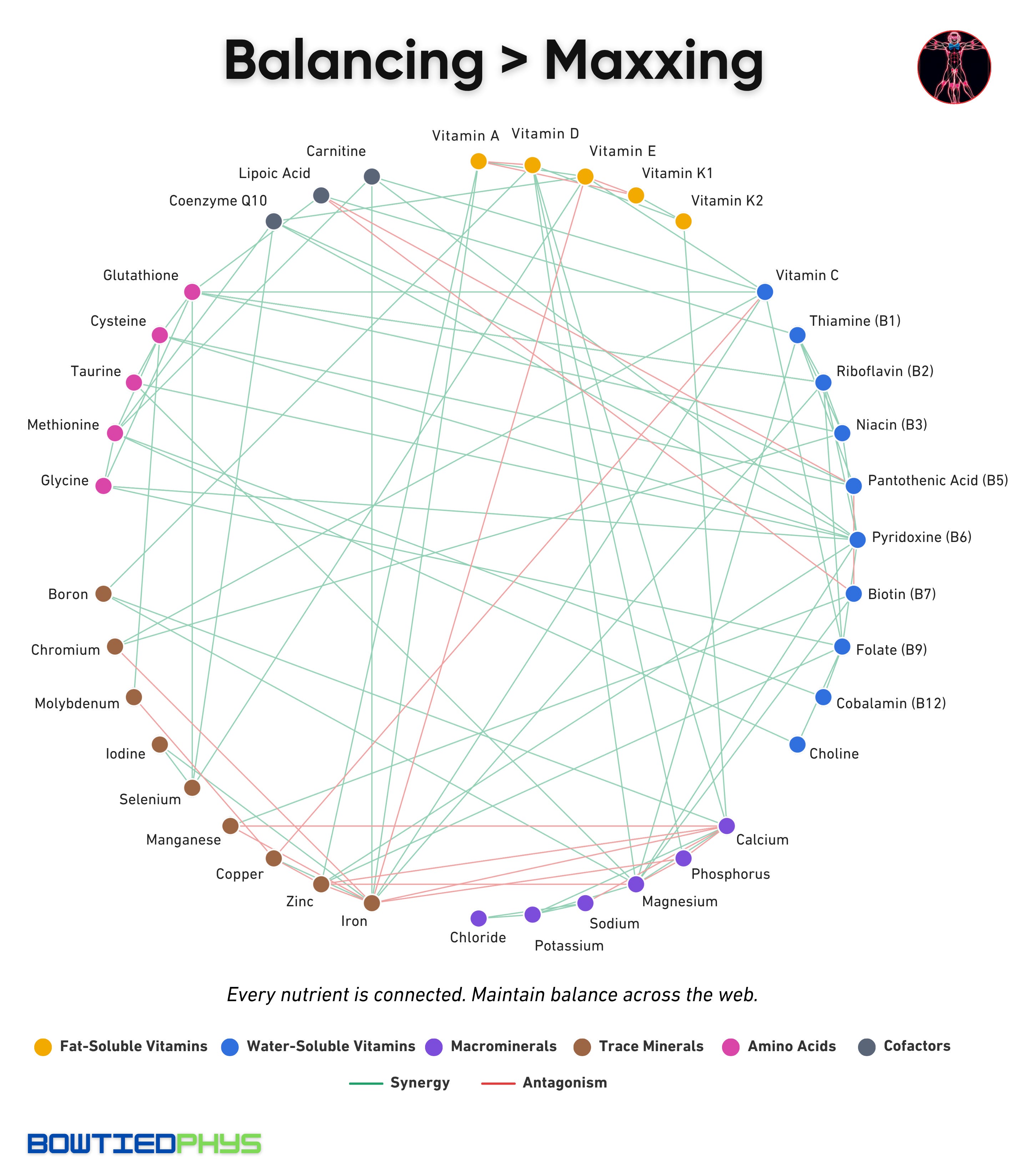
6. Balancing > maxxing.
Nutrients work in pairs. Max one and you starve other supporting ones.
Thiamine (B1) needs magnesium to activate.
Vitamin D needs magnesium to convert & K2 to route calcium into bone.
Zinc needs copper.
Iron needs copper & vitamin C to move.
Calcium needs magnesium, D, & K2.
Sodium needs potassium.
Iodine needs selenium.
Methionine needs glycine.
Folate needs B12.
Biotin competes with B5 & lipoic acid for the same transporter.
Carbs need B1.
Think in micronutritional webs. Fade the RDAs.
7. Food first, supplements last (but not supplements never).
Nutrient-dense, low-toxicity food grown in (or animals raised on) fertile soil is priority. Supplements need to address specific gaps in the cleanest form temporarily. Then come off once nutritional diet, light diet, & circadian rhythm are repaired.
8. Make the dense choice the default choice.
Stock the fridge with seasonal fruit, vegetables, eggs, & cultured dairy.
Store the freezer with ruminant meat, wild fish, & shellfish.
Fill the pantry with rice, potatoes, sprouted oats, & honey.
Toss the bioengineered, hyperpalatable snacks.
Health as an environmental system > willpower as a finite resource.
9. Cook 90% of your meals.
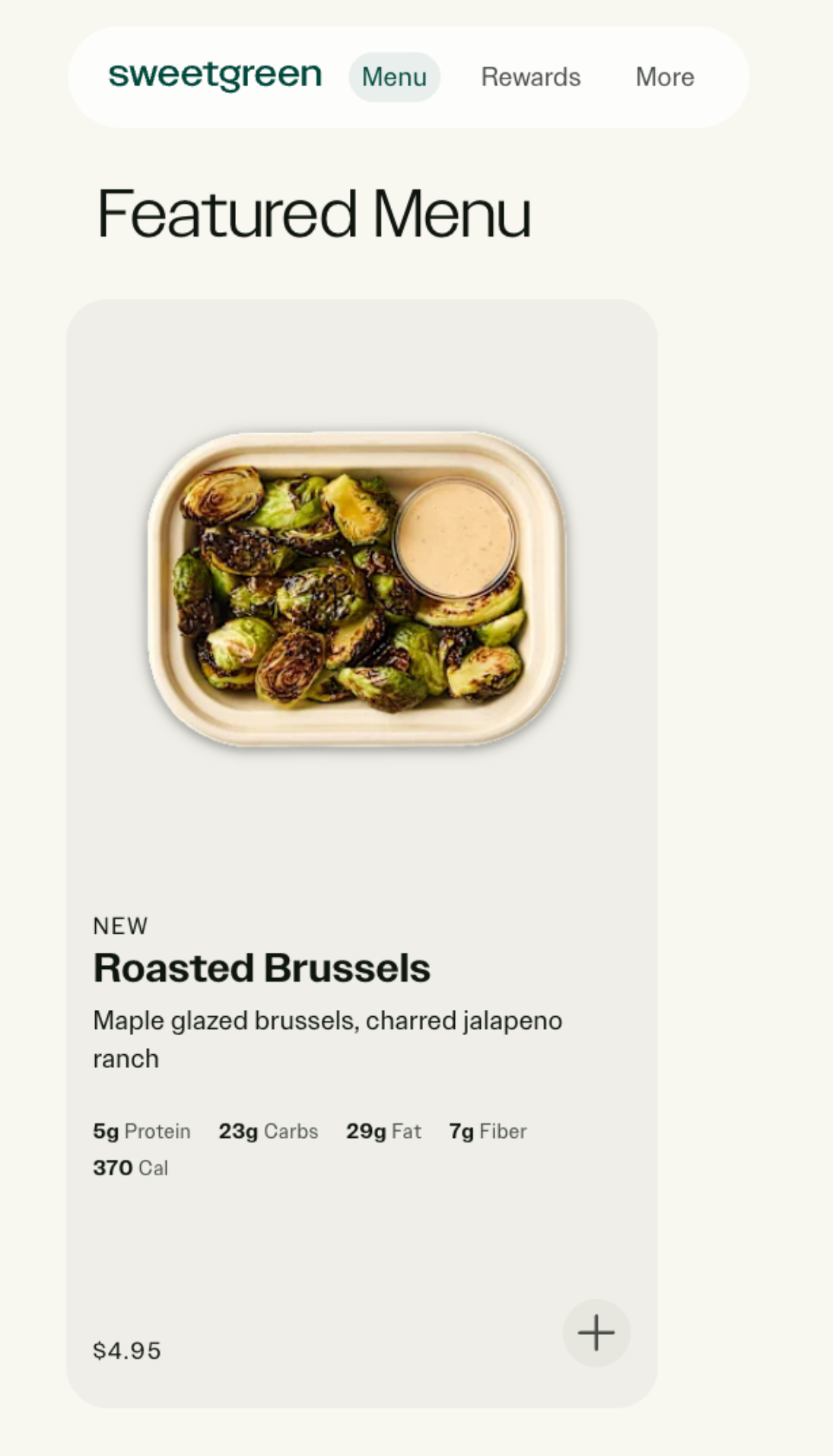
“Healthy” restaurant meals routinely have 20–40 g of fat.
A prime example: You think you’re fine when you add the harmless Brussels. 30 g of fat from a handful that you could’ve otherwise cooked at home for < 5 g.
90% still leaves 2 flex meals/week. Eat out. Stay social.
Breaking bread is a nutrient. Neuroticism is an anti-nutrient.
Energy & Body Composition
10. Never fuel past demand.
Mitochondria can only burn so much. Overfeed them = the excess is directed into fat stores. When building muscle, keep the surplus subtle: +100–300 kcal/day.
11. Calories count (& so does processing).
Energy balance is real. Delivery speed is equally real.
In the cleanest ultraprocessed food trial to date, two meals matched on 12 nutritional variables produced identical glucose curves, but the UPF drove 60% more insulin & 20% less carb burning.
Full breakdown on this trial:

12. Cut no faster than 1% of bodyweight per week.
When elite athletes were randomized to lose 0.7% vs. 1.4% of BW/week, lean mass rose 2% in the slow group (& 1% in the fast group. Free T4 dropped 11% only in the fast group.
The cost of a fat loss phase that lasts too long/is too quick is paid in muscle loss, libido nuking, metabolic disruption, & hormonal imbalance.
Macronutrients
13. Carbs are fuel to be scaled with thiamine.
Carb oxidation burns through B1 faster than fat oxidation does. Refined carbs strip B1 (& other critical B vitamins), yet keep the calories. The downfall of high-calorie, Western malnutrition.
Favor potatoes, sweet potatoes, seasonal fruit, honey, white & black rice that come with the proper cofactors.
14. Match carbs to training.
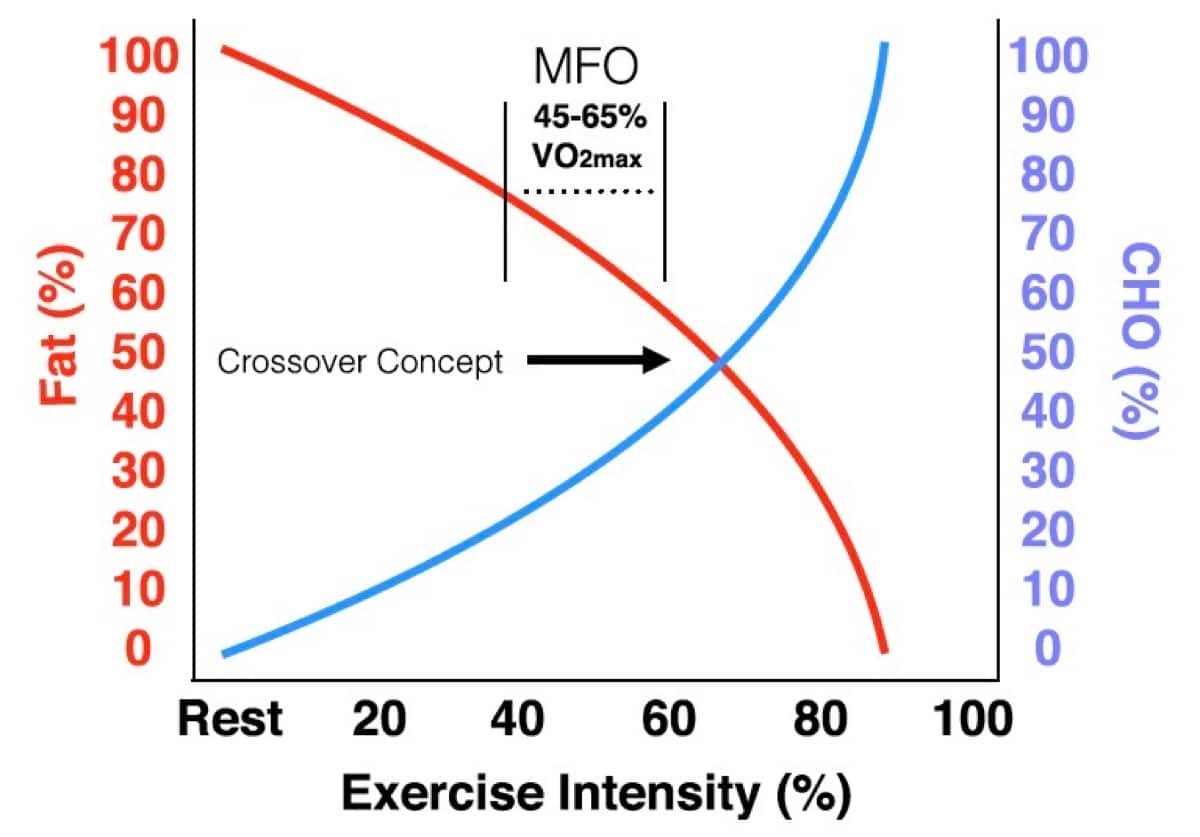
Glucose is the fuel for high-intensity work. Keep carbs high around peri-workout periods.
Training days: 1.8–2.7 g/lb (4–6 g/kg)
Rest days: 0.9–1.4 g/lb (2–3 g/kg)
For hard resistance training sessions, 20–30 g of fast-digesting carbs plus 500—800 mg of sodium intra-workout blunts the cortisol rise & spares muscle.
When fat loss plateaus & performance, libido, or body temperature drop, use a single refeed day (personal preference to leverage every 8—10 days):
Carbs → 2.8–3.6 g/lb (6–8 g/kg)
Protein → 0.90 g/lb (2 g/kg)
Fat → ≤ 0.2 g/lb (≤ 0.4 g/kg).
15. Set protein by target bodyweight.
Maintenance/Recomp: 0.7 g/lb (1.5 g/kg)
Muscle Gain: 0.8–1 g/lb (1.8–2.2 g/kg)
Fat Loss: 1–1.2 g/lb (2.2–2.6 g/kg)
More is NOT better. Excess protein displaces the carbs that support thyroid output & training.
16. Balance glycine against methionine.
Glycine balances methionine-dense muscle meat. Aim for 10 g of collagen per 100 g of other protein and 15 g of total glycine per day. Source from bone broth, stew meats, oxtail, skin-on poultry, fish skin, & gelatin before powders.
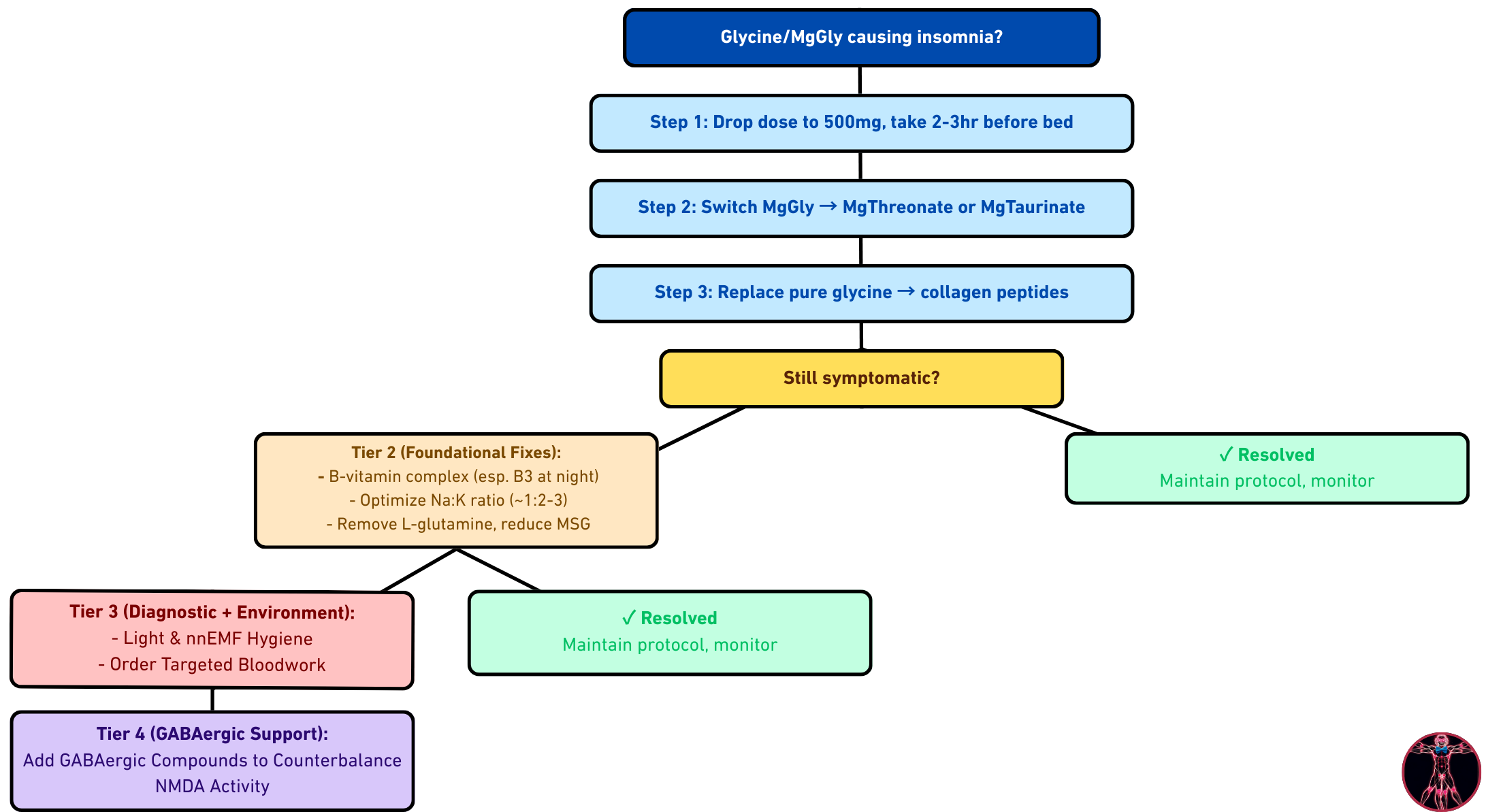
For sleep, 3—4 g of glycine at night. If paradoxical response to glycine, switch to collagen.
17. Keep fat at 20–30% of calories.
Fat is essential, but should be intentional. Maintain 20% as the floor.
Men on low-fat diets (averaging ~20% of calories) had 10–15% lower total testosterone with free T & DHT falling too. Go lower & you also compromise fat-soluble vitamin absorption. Lean closer to 30% if hormonal optimization is the priority.
If hormones are in check & looking to optimize cardiometabolic condition, go near the floor while carbs restore clean glucose oxidation. Fats blunt glucose burning FAR more than glucose blunts fat burning.
18. Let apoB set your saturated fat intake.
Cutting saturated fat for 2+ years reduced cardiovascular events & showed greater reductions brought greater benefit.
Test apoB → apoB outperformed LDL-C as a risk marker in 9 of 9 discordance studies. Weigh it against your genetic risk, other cardiometabolic health markers, hormonal profile, & bioindividualized nutritional context.
19. The real villain is industrial fat paired with refined carbs.
Industrialized slop (pizza, fried foods, preserved shelf foods) gets blamed as “high carb.” When they’re really the lethal trifecta of high fat, high carb (stripped of fiber), & high additive. That exact combination is most metabolically inefficient: carbs & fats compete → fat suppresses glucose oxidation → dietary fat stores almost effortlessly.
Lean toward separating high-fat & high-carb meals (without neuroticism). Steak with potatoes & yogurt with berries are fine.
Eliminate the energy-dense, fast to eat, & highly palatable: seed oils, refined flour, HFCS, emulsifiers, gums, dyes, phosphate additives, & free-glutamate flavor enhancers.
Fats, Cooking, & Hydration
20. Extra-virgin olive oil first.
Use EVOO as your primary fat, then coconut oil, butter, ghee, or tallow in modest amounts. Avoid refined, industrial, or deodorized oils.
21. Not all PUFA are equal.
Corn, canola, soybean, sunflower, & safflower oils are linoleic-acid heavy that add oxidative load & degrade redox balance.
Losing body fat mobilizes PUFA stored for years. So cut slowly & cover vitamin E (seafood, kiwi, citrus, butternut squash). Marine PUFA serves an entirely different function.
22. Seafood first for AA, EPA, and DHA.
Physiologically essential fats: arachidonic acid (AA), docosahexaenoic acid (DHA), with eicosapentaenoic acid (EPA) in balance.
Get AA from egg yolks & DHA/EPA from seafood.
When increasing omega-3 intake (especially after years of seed oil intake), support the remodeling with vitamin E, magnesium, & taurine.
23. Cook wet & low by default.
Steaming, poaching, simmering, & stewing produce far fewer advanced glycation end-products than searing & frying. Keep proteins and fats less damaged. Preserve water in your food.
24. Eat your hydration.
Ripe fruit, milk, broths, stews, gelled collagen-dense foods, stewed fruit, & mineral water hydrate at the cellular level. Chugging plain water on a dry, salty, potassium-poor diet doesn’t fix intracellular hydration.
Start with a warm liquid on waking. End with warm milk, honey, salted fruit, & glycine at night (especially during winter).
Homage to the great one Andra Sitoianu who we learned this one from.
V. Core Foods
25. Eat whole eggs.
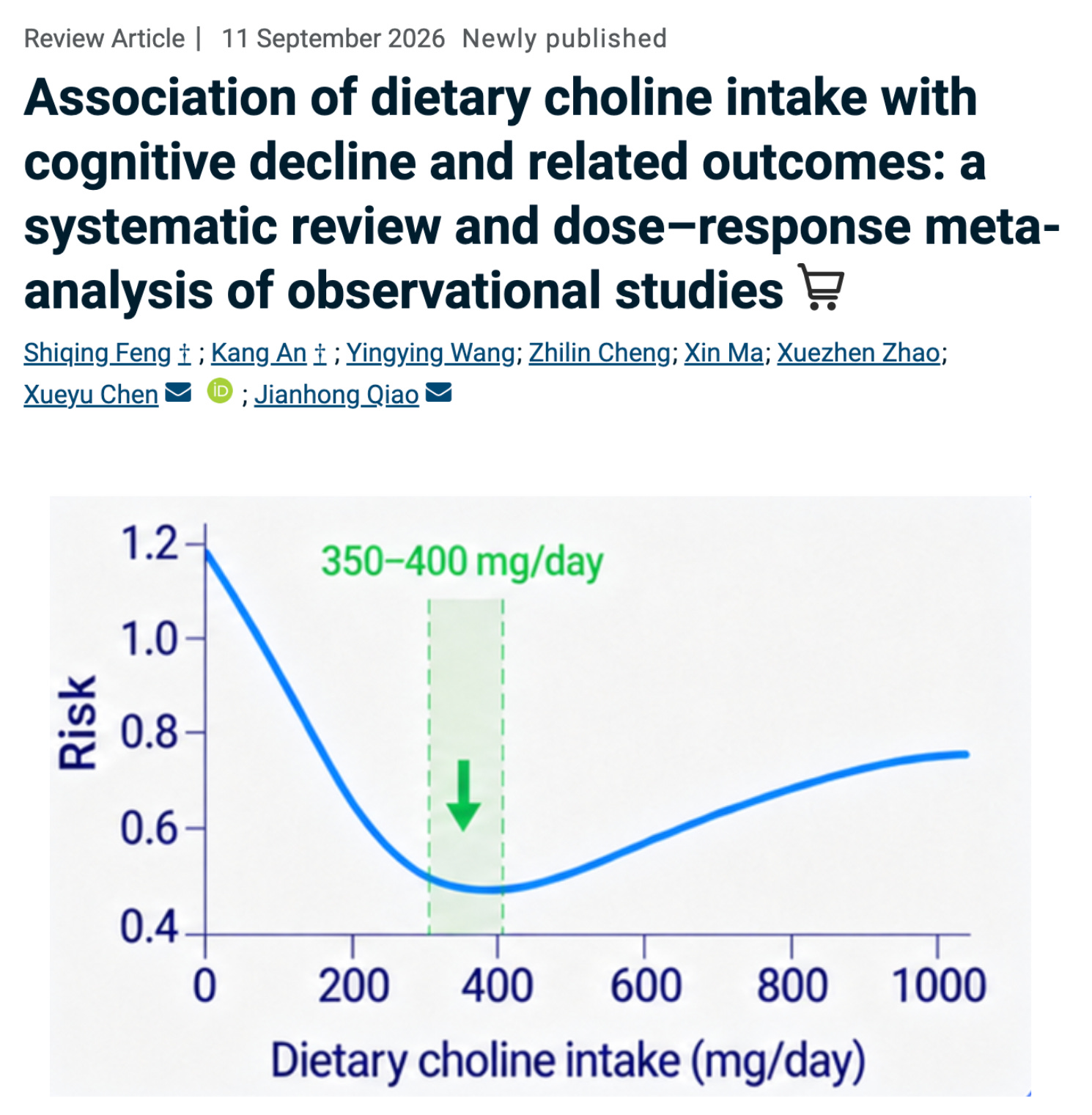
Yolks deliver choline, biotin, fat-soluble vitamins, & arachidonic acid. Target ≥350 mg of choline daily (3 yolks).
Cook the whites. Raw whites or adding extra whites deliver avidin, which binds biotin & blocks its absorption.
26. Make shellfish a staple with occasional nose-to-tail foods.
Oysters, mussels, clams, shrimp, & octopus are micronutrient multivitamins → dense in zinc, copper, B12, selenium, iodine. Roe adds preformed DHA. Heart supplies CoQ10 & mitochondrial cofactors. Rotate in organ meats.
27. Keep calcium ahead of phosphorus.
Target 1–1.5 g of calcium daily from 3 dairy servings. Keep calcium-to-phosphorus ~2:1. Chronically high phosphorus raises parathyroid hormone → pulls calcium from bone.
Fermented dairy adds K2. If you’re reacting to dairy poorly, shift the form to fermented, A2, goat, or cooked cheese.
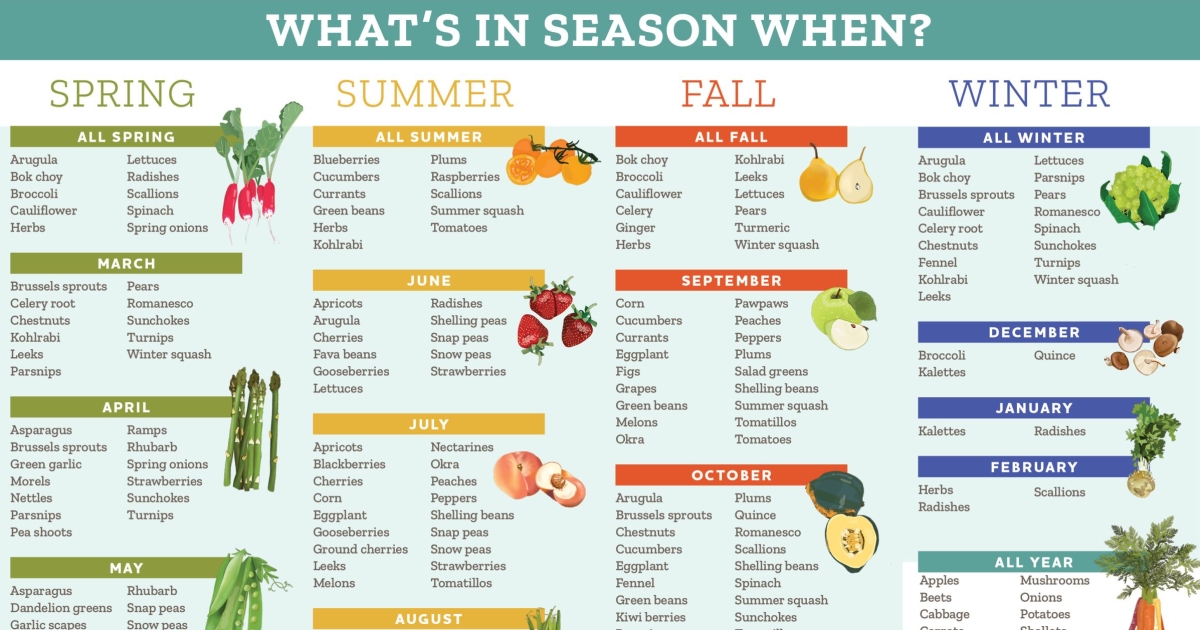
28. Cycle produce seasonally & opt for sugar in a matrix.
Sugar alone = calories without cofactors
Sugar in fruit/honey = fuel with potassium, polyphenols, fiber, & micronutrients
Cycle fruits & vegetables according to their season.
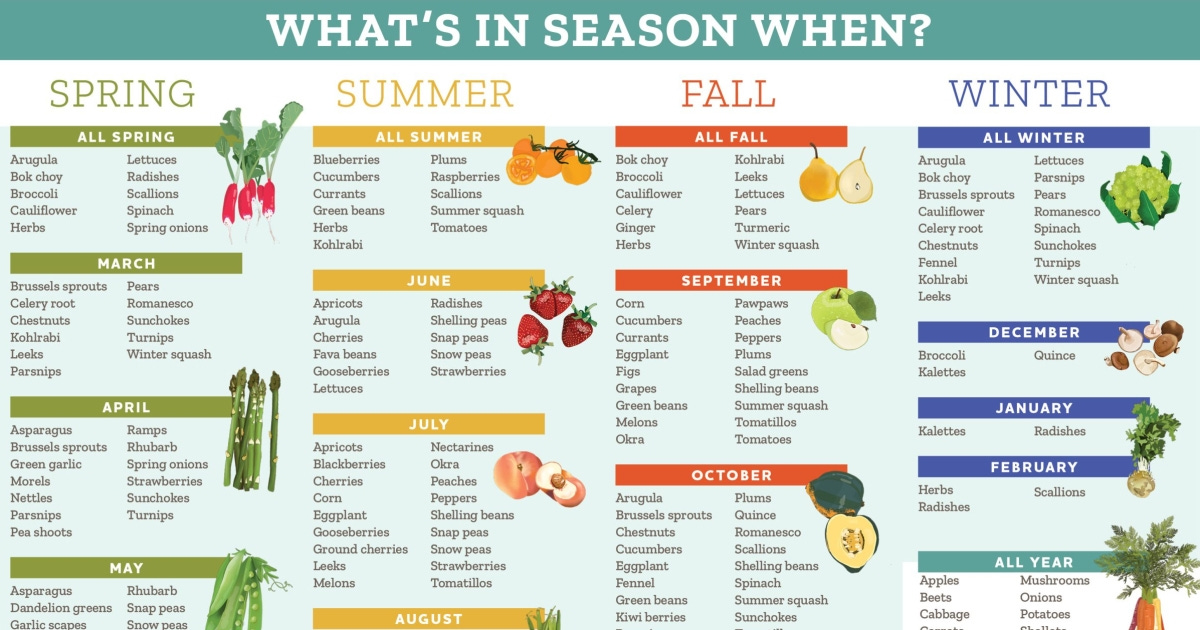
29. Grains, legumes, tubers, & fruit all fit.
Sprouted oats, white rice, potatoes, & well-cooked legumes are legitimate fuels. Only should be cut with a valid reason.
Limit soy, corn, & wheat.
Favor resistant starch: cook potatoes & rice → cool them → reheat to feed your colonic fermenters.

30. Keep plants by bioindividual digestibility.
Several cups of veggies/day across colors with some dark greens and raw vitamin-C produce. Raw carrots, zucchini, squash, mushrooms, asparagus, & stewed apple/pear are easy defaults.
If you react poorly: cook, peel, or ferment before you remove it.
31. Spices are daily pharmacology.
Food-dose compounds with strong evidence behind them:
Saffron: Effective for mild-to-moderate depression. Comparable to synthetic antidepressants at 30 mg/day.
Ceylon cinnamon: Improves insulin sensitivity. Lowers fasting glucose & HbA1c. Source it carefully as heavy metals are a real problem.
Ginger: Supports digestion. Speeds gastric emptying. Settles nausea.
Mustard seed: Just a pinch of mustard powder on cooked broccoli made sulforaphane over 4x more bioavailable.
Rosemary, thyme, oregano: Rosemary-thyme marinade cut carcinogenic heterocyclic amines in grilled steak by 87%.
Garlic: Lowered blood pressure by ~8/5 mmHg in hypertensives across 12 trials. Crush it and let it sit ~10 minutes before heating to form allicin.
Black seed: Thymoquinone to support glucose, lipids, & gut.
Capsaicin: A chili-spiked lunch raised GLP-1 & improved satiety.
Cacao: 500 mg/day of cocoa flavanols cut cardiovascular death by 27%.
Peppermint: Oil/tea is an elite tool for IBS symptoms.
VI. Micronutrients
32. Scale B1 to your carbs.
Go food first (always): yeast extract spreads, sunflower seeds, flaxseed, macadamias, pistachios, trout, mussels, lentils.
If supplementing, start with minimum viable dose, increase only once the effects are noticeably stable, & choose the most bioavailable source → TTFD.
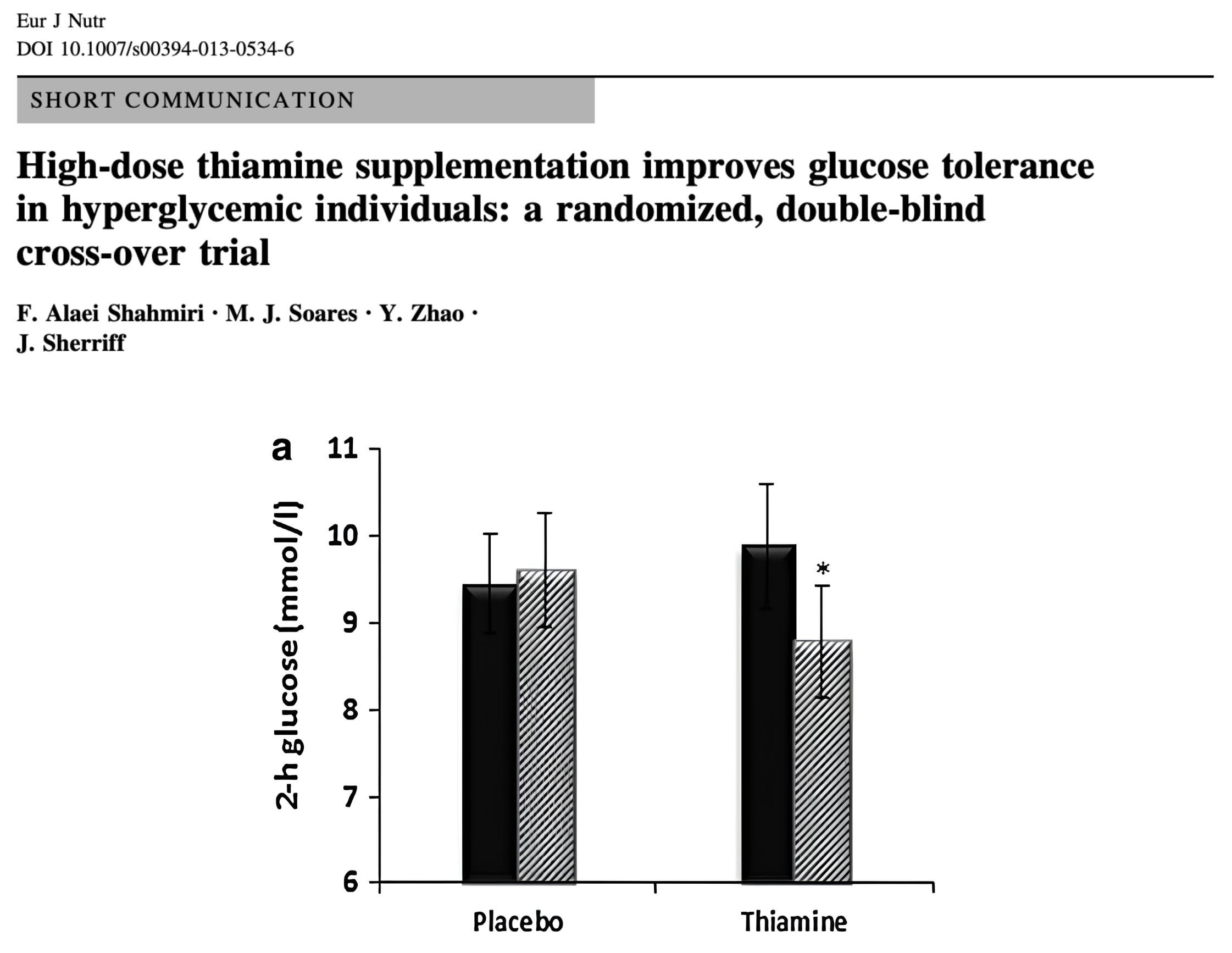
Do not be “maxxing” B1 since it taxes its enzymatic partners: B5, biotin, B12, CoQ10, glutathione, molybdenum, & copper.
33. Saturate magnesium.
Target 4–6 mg/lb (9–13 mg/kg) of total elemental magnesium from food plus supplementation.
RDA is way too low for modern life: chronic stress, mineral-depleted soil, blue light-isolated environments, nnEMF concentrations, & the thousands of enzymes running on magnesium.
Start at 100–200 mg elemental with each meal, incrementally increase over time, & take the larger dose before bed.
Glycinate, acetyl-taurate, pidolate, & malate are the optimal forms. Read labels in elemental terms → full guide on that here.
34. Run potassium at twice your sodium.
Target ≥ 5,000 mg of potassium from potatoes, fruit, coconut water, dates, & avocado at a 2:1 ratio to sodium.
Most “salt-sensitive” blood pressure cases are really potassium or magnesium deficiencies. Raise potassium before you cut high-quality sodium intake.
35. Keep A, D, & K2 together.
A—D—K2 direct calcium traffic into bone (away from arteries & soft tissue). Best sourced from pasture-raised egg yolks, dairy fat, fermented foods, greens, & sunlight. Never megadose D without K2 & magnesium. Pulse vitamin A throughout the week rather than stacking daily large doses.
36. Balance copper, zinc, & iron.
Oysters (the sea’s multivitamin) win. Shellfish & cacao fill copper gap.
High isolated zinc drains copper.
Avoid iron-fortified foods & iron pills → free iron creates redox imbalance. Keep ferritin in the lower part of the reference range. If elevated, donate blood 1–2x/yr.
Low ferritin often means missing copper, vitamin C, B12, or folate.
Balance zinc-to-copper ratio to ~10:1. Don’t bolus the 50 mg zinc supplement.
37. Pair iodine with selenium.
Thyroid hormone conversion & glutathione systems both depend on the pair. Seafood, eggs, & dairy supply both.
1—2 Brazil nuts every other day = adequate selenium pulse.
38. Building antioxidants beats buying them.
Your endogenous system outperforms any pill.
Glycine, cysteine, & glutamate build glutathione.
Copper, zinc, & manganese fuels superoxide dismutase.
Selenium runs glutathione peroxidase.
Polyphenols act as NRF2 nudges.
Get vitamin C from whole-food matrices like bell peppers, kiwi, & citrus and extracts like camu camu & acerola cherry rather than isolated ascorbic acid.
VII. Gut
39. Defend your stomach acid.
Acid is a nutrient-access & infection barrier.
Low acid impairs protein digestion, pancreatic enzyme release, and pathogen killing, setting up SIBO and dysbiosis.
Support it with the proper electrolyte balance (sodium, potassium, magnesium, chloride, calcium), zinc, B1, protein-forward meals, & bitters/apple cider vinegar. Avoid PPIs.
40. Eat a minimum of 50–60 g of fiber.
That’s a minimum target for most males. The Hadza ate ~100 g/day while the average American eats 20.
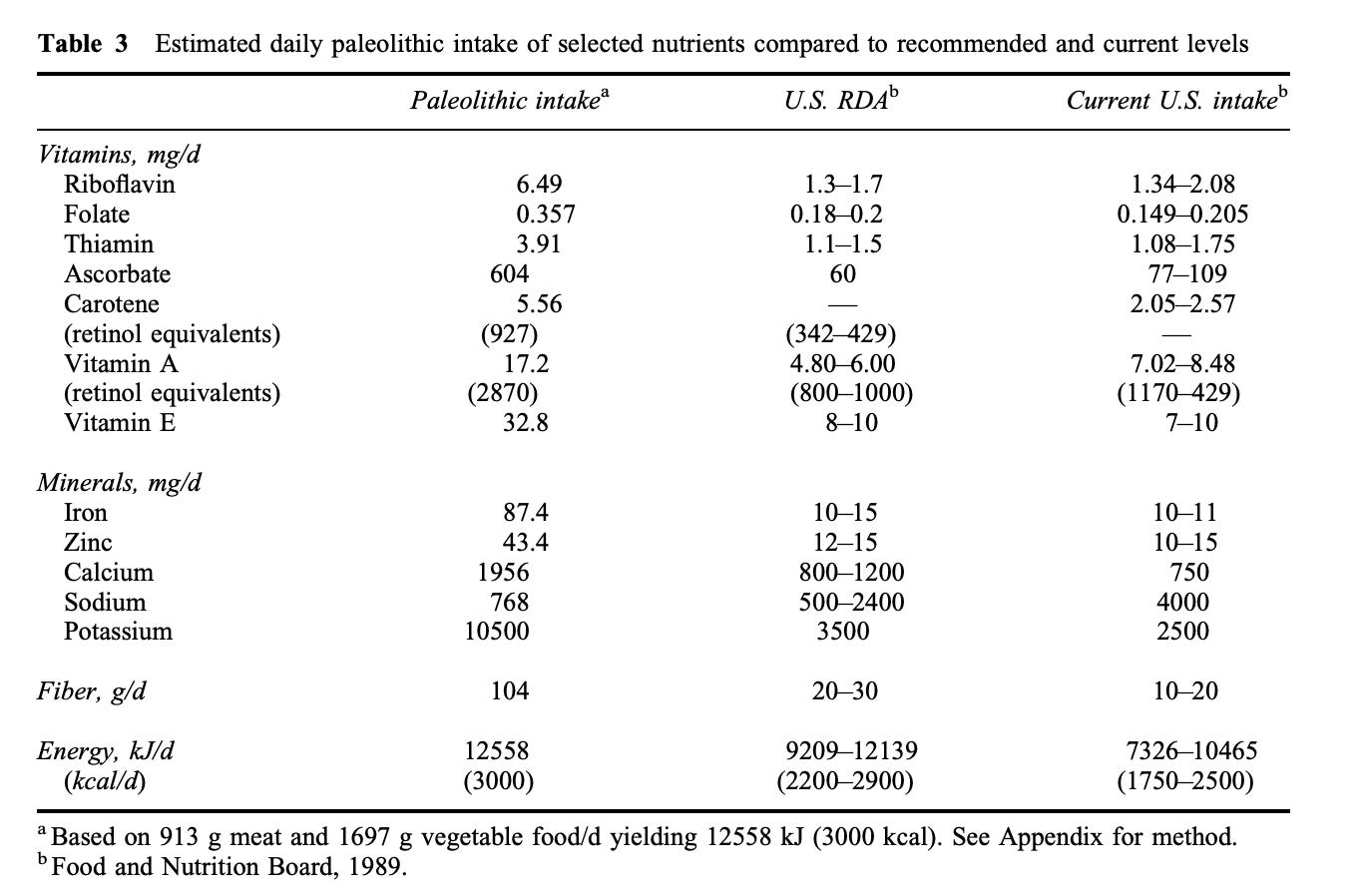
If low, build up by ~5 g per week to let your microbiome adapt.
Diversifying whole-food sources from fruit, cooled potatoes/rice/sprouted oats, cooked roots feeds a broader microbial range than any fiber supplement powder ever will alone.
Partially hydrolyzed guar gum is the gentlest on-ramp available.
Feed the mucus layer too: gelatin, stewed apple pectin, zinc, vitamins A & D.
41. Eat fermented foods before meals.
Kefir, yogurt, sauerkraut, kimchi, & properly made pickles, daily or near-daily. Eat them before the meal so stomach acid doesn’t wipe out the dose.
Ferments seed new strains. Fiber feeds them. Antimicrobial foods (garlic, ginger, oregano, black seed, coconut oil) mitigate upper GI overgrowth.
If showing histamine symptoms, try fresher, shorter ferments before abandoning altogether.
Timing & Behavior
42. Make breakfast your biggest meal.
Adopt the circadian-guided, daylight diet → big breakfast, medium lunch, small dinner.
Insulin sensitivity peaks early. In a crossover trial, skipping breakfast (NoB) increased post-meal glucose levels, impaired the insulin response, & lowered GLP-1 levels.

If you fast, skip dinner (never breakfast).
43. Eat slowly & avoid the soft food diet.
Satiety hormones need time. That’s why eating the same meal over 30 minutes instead of 5 produced significantly higher endogenous GLP-1 & PYY responses.
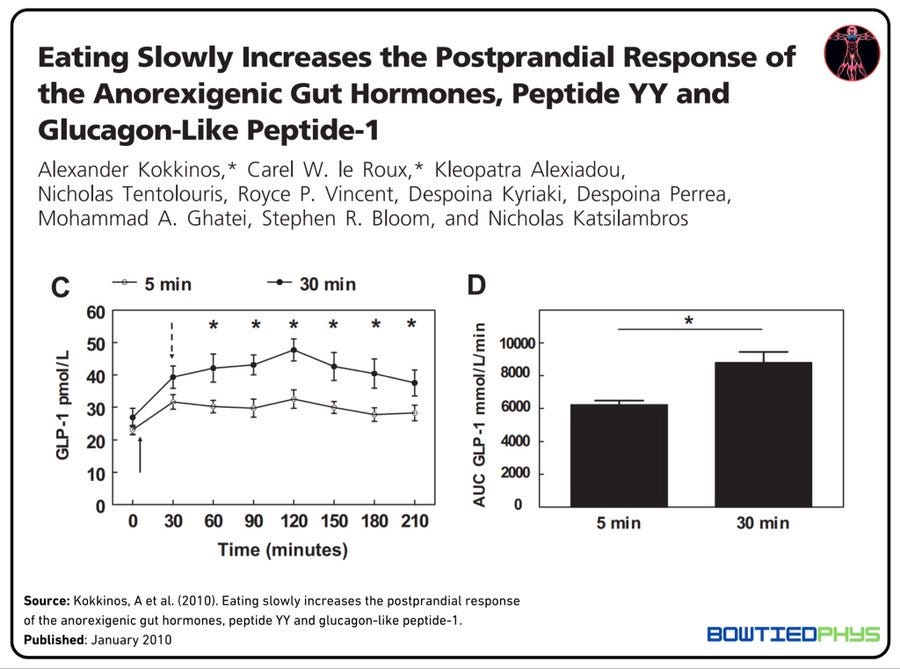
Texture matters as much as speed. If a food dissolves with barely any chewing, it’s partially pre-digested & hits your system before satiety signals react.
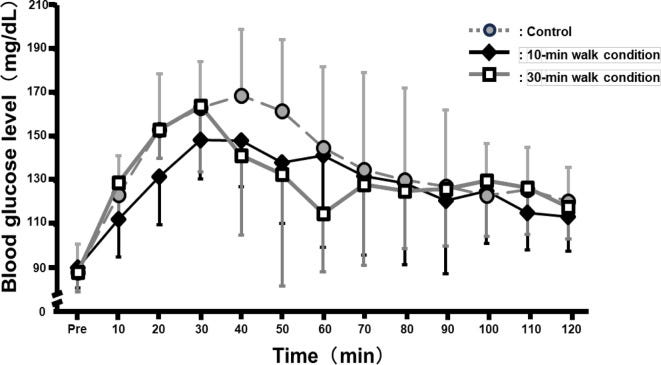
44. Walk after meals.
Activating muscle fibers pulls glucose out of the blood & lowers total glucose output without needing extra insulin.
10 min is all it takes. Simple.
45. Build meals that close nutrient holes.
If for nothing else, track meals for a few weeks to find your micronutrient gaps. Adjust based on bioindividual needs. Supplement the gaps. Build the nutritional intuition.
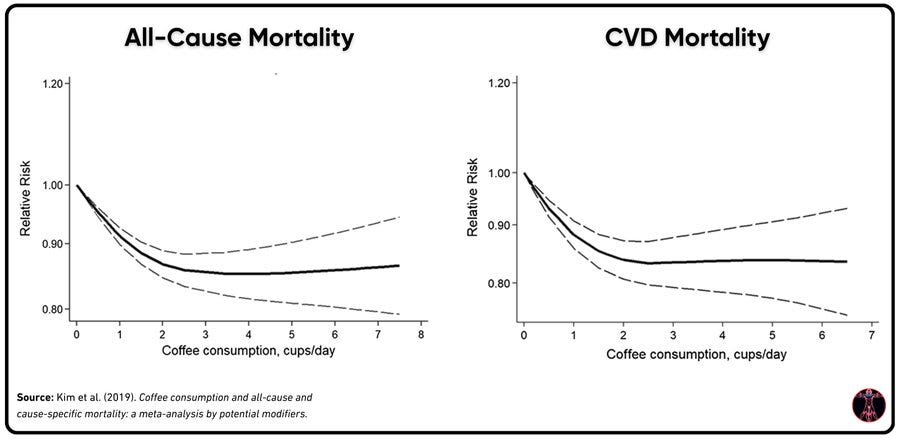
46. Coffee is net positive.
3—4 cups/day tracks with the largest drops in all-cause and cardiovascular mortality.
Limit on an empty stomach. Be done by 11 AM. 400 mg of caffeine six hours before bed cut sleep by more than an hour. And reduced deep sleep.
If it makes you anxious, pair each dose with 2—3x as much L-theanine, 3—5 g inositol, & 100—200 mg elemental magnesium. Coffee + tea >> energy drinks + caffeine pills.
Cycle off with a taper quarterly. A short reset turns two cups back into jet fuel. Deprivation begets sensitization.
47. Treat alcohol as a drain.
Alcohol drains B1, B6, B12, magnesium, vitamin C, & zinc. The liver prioritizes clearing it so fat oxidation slows and shifts the NAD+/NADH balance toward storage. It also fragments sleep & dysregulates the daily cortisol rhythm.
Light
48. Light is a nutrient.
Infrared is absorbed by our mitochondria supporting electron flow and local melatonin production. Only 5% of melatonin comes from the pineal gland. Most made in the mitochondria as an antioxidant.
Red/NIR also improves glucose metabolism.
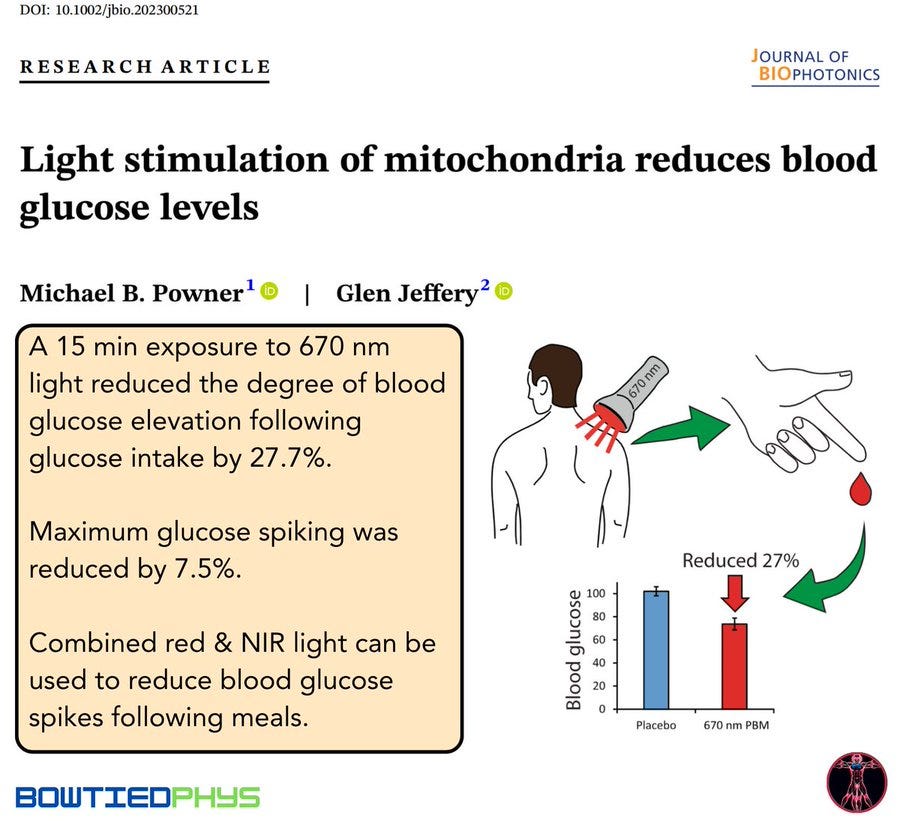
Aim for 2 hours of outdoor light across the day. Weight it toward sunrise & sunset (low-angle = infrared rich). Eat lunch outside. Get midday UV for vitamin D. Supplement with red/infrared devices.
49. Minimize isolated blue light.
Blue light without accompanying red & infrared suppresses melatonin, drives leptin resistance, encourages circadian dysmorphia, & dysregulates glucocorticoid rhythms.
Bright days → Get morning & evening outdoor light.
Dark nights → Dim & red-shift your evenings. Black out the bedroom.
Supplement Floor
50. Calm the excitatory load.
Chronic stress, social jet lag, blue light, & poor sleep (low SWS & REM + poor efficiency) unfavorably tilt the GABA/glutamate balance to excitation. Why the wired but tired phenotype is so prevalent today.
A practical calming stack:
◆ 500–1,000 mg L-theanine
◆ 200—300 mg elemental magnesium (via glycinate or pidolate)
◆ 2—4 g taurine
◆ 6—8 g inositol
51. Dose creatine to objective.
General: 0.045 g/lb (0.1 g/kg) daily.
Cognitive benefits: 10 g daily.
Acute sleep debt: a single 0.16 g/lb (0.35 g/kg) dose.
Opt for monohydrate form (don’t fall for the “enhanced” deliveries).
30 min before training with carbs & electrolytes.
If there’s absolutely nothing else you extract from this one, take this away: embrace the first principle & systems-based thinking health approach (always be stiff arming reductionist dogma).
Stay elite & see you guys next week.
— Phys
If you found this one useful for improving your life, here are some others you’ll find practical: