


Same grain. Same macronutrient profile. Radically different molecule once it hits your gut.
Cook your carbs, chill them overnight, and a sizeable fraction of their starch recrystallizes into a structure your digestive enzymes can’t break down. Instead, it travels to your gut feeding beneficial bacteria with metabolic benefits: enhanced insulin response, reduced visceral fat, & better liver markers.
It’s a simple combo: A fridge and a little bit of patience.
Contents:
What Happens When Starch Retrogrades
The Birth of Resistant Starch Type 3 (RS3)
The Metabolic Outcomes
Retrogradation Protocol
What Happens When Starch Retrogrades
Raw starch is made of two polymers: amylose (linear chains) and amylopectin (branched chains). Cooking breaks apart these crystalline structures through gelatinization: granules swell → organization collapses → the starch becomes accessible to digestive enzymes. This is why freshly cooked carbs produce steeper glucose spikes.
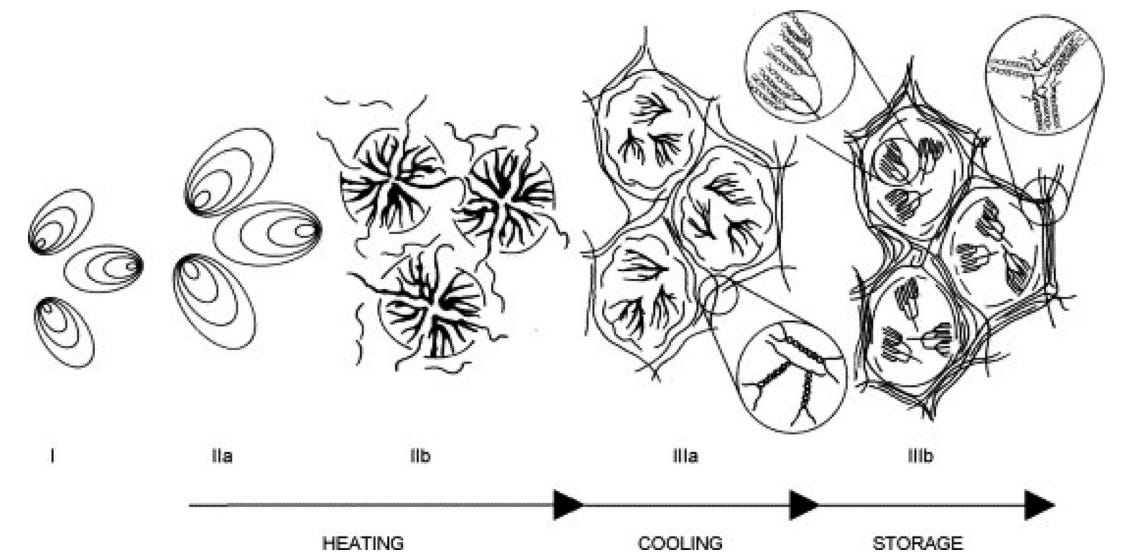
When gelatinized starch cools, the disaggregated polymers reassemble into new, partially ordered crystalline structures. They wrap into tight double helices, which are denser, more compact, and resistant to the enzymes that normally break starch into glucose. This reassembly is called retrogradation.
Two details that matter for application:
24 hours at 40°F = minimum threshold. Amylose retrogrades rapidly within the first 12 hours. Amylopectin retrogrades more gradually over days. The full 24-hour chill maximizes resistant starch (RS3) yield across rice, spuds, & pasta.
Gentle reheating doesn’t undo it. Retrograded structures hold below ~265°F covering microwaving, stovetop warming, and standard oven/air fryer reheating. You can chill your rice overnight, warm it the next morning, & still retain the full metabolic advantage.
The Birth of Resistant Starch Type 3 (RS3)
Resistant starch exists in five forms. RS3 (retrograded starch) is the only type you can produce in your own kitchen from foods you already eat.
Once formed, RS3 behaves like dietary fiber. It passes through your stomach and small intestine intact arriving in your colon where trillions of bacteria ferment it into beneficial metabolites.
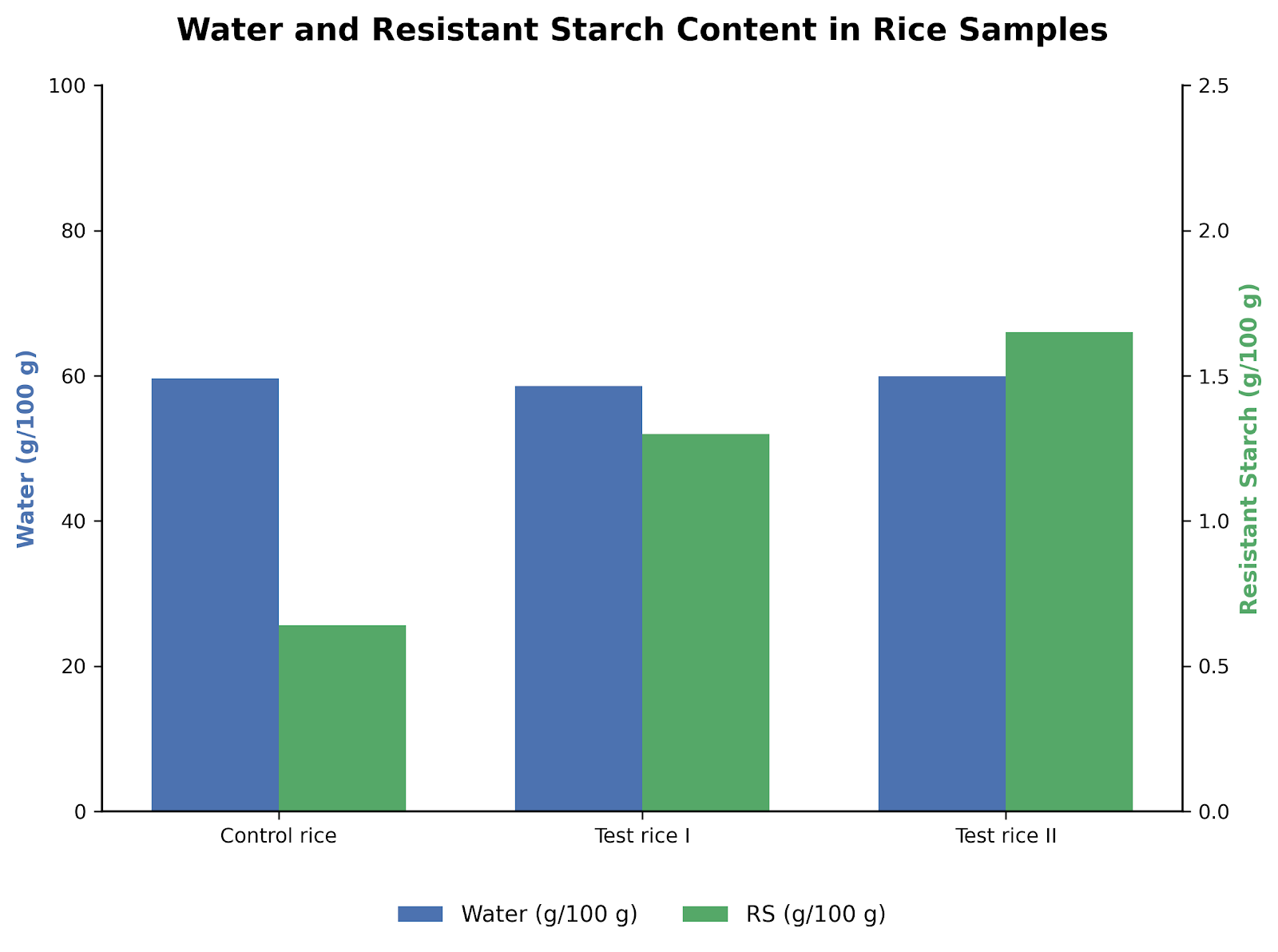
Sonia et al. (2015) showed that cooked white rice cooled at 4°C for 24 hours then reheated had a 158% increase in RS containing 1.65 g RS per 100 g vs. just 0.64 g without cooling.
One more lever worth knowing: multiple heat-cool cycles increase RS3 content further. Each round of retrogradation adds another layer of enzyme-resistant crystalline structure. Batch-cook Sunday → refrigerate → reheat portions through the week = the carbs get more metabolically favorable with each cycle.
The Metabolic Outcomes
Weight Loss & Visceral Fat Reduction
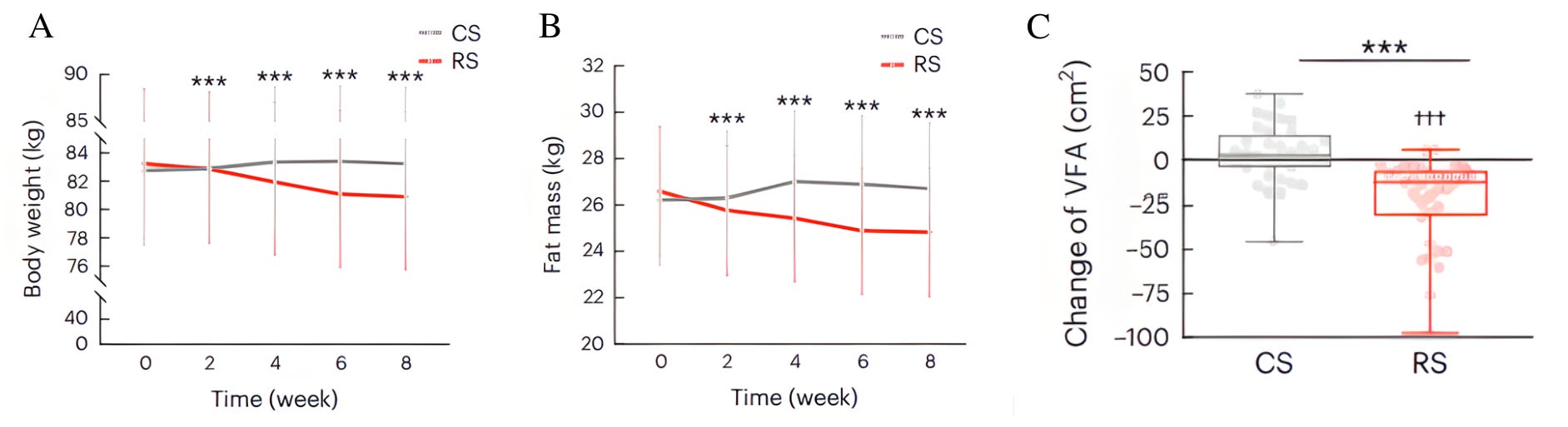
Li et al. (2024) gave 37 overweight participants received 40 g/day of resistant starch (or a placebo) alongside isoenergetic balanced diets for 8 weeks.
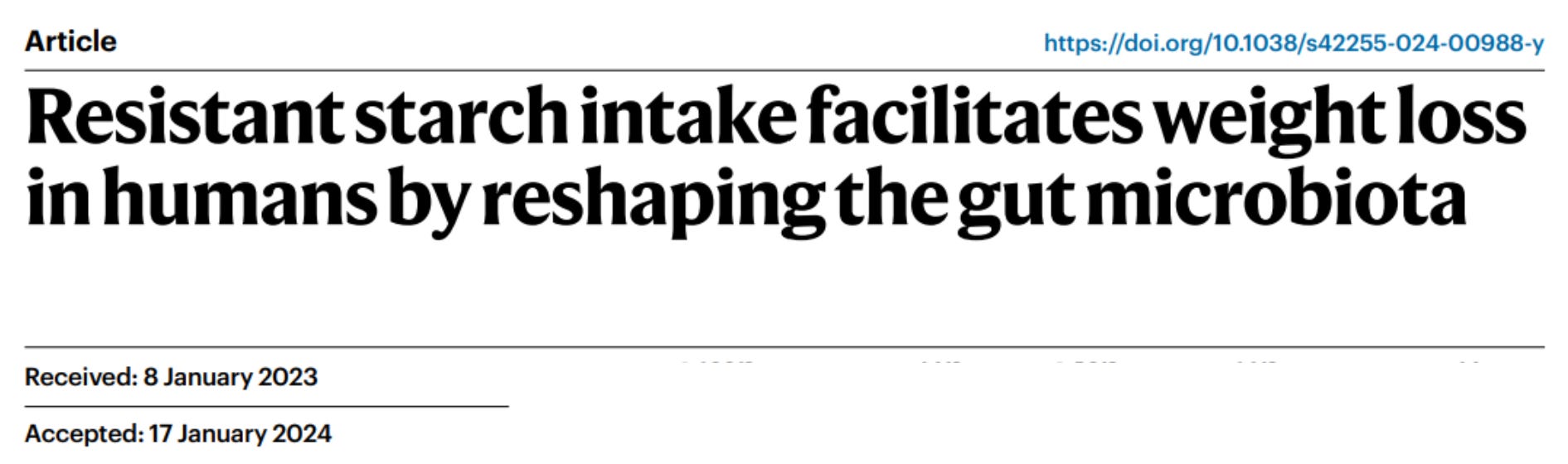
The RS group lost an average of 6.2 lb and had significant reductions in visceral fat levels, total fat mass.
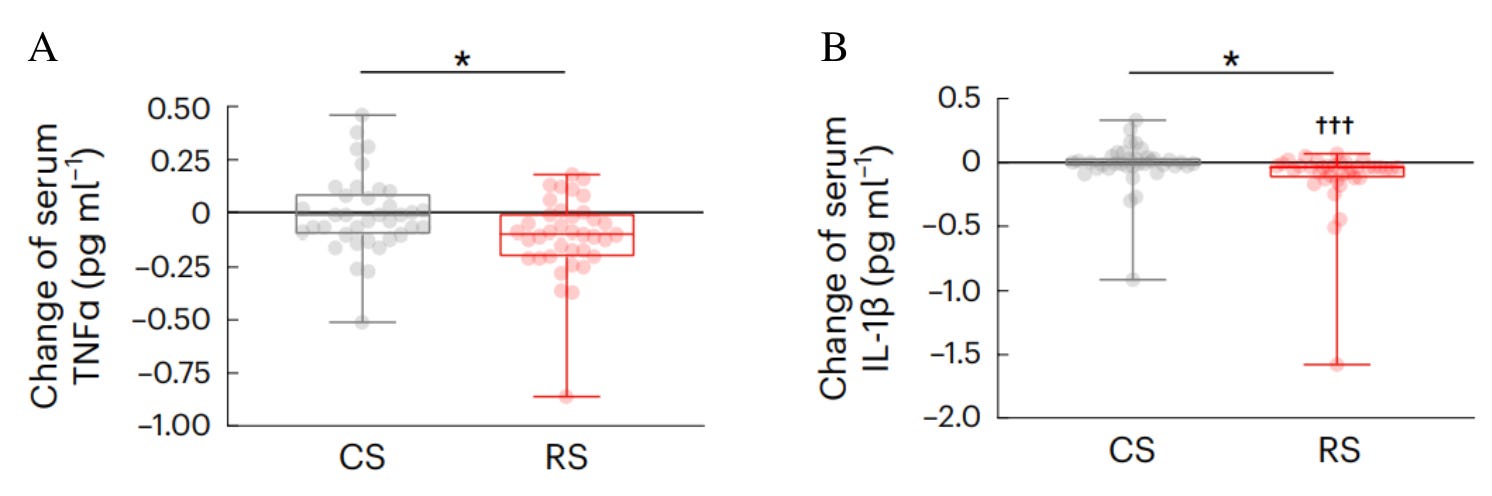
Pro-inflammatory markers (TNF-α & IL-1β) & liver enzymes (ALT/AST) also improved significantly.
How it works: RS intake → ↑ beneficial gut bacteria → altered bile acid profiles + reduced intestinal inflammation + inhibited lipid absorption → weight loss/metabolic optimization
Blood Sugar Control Across Populations
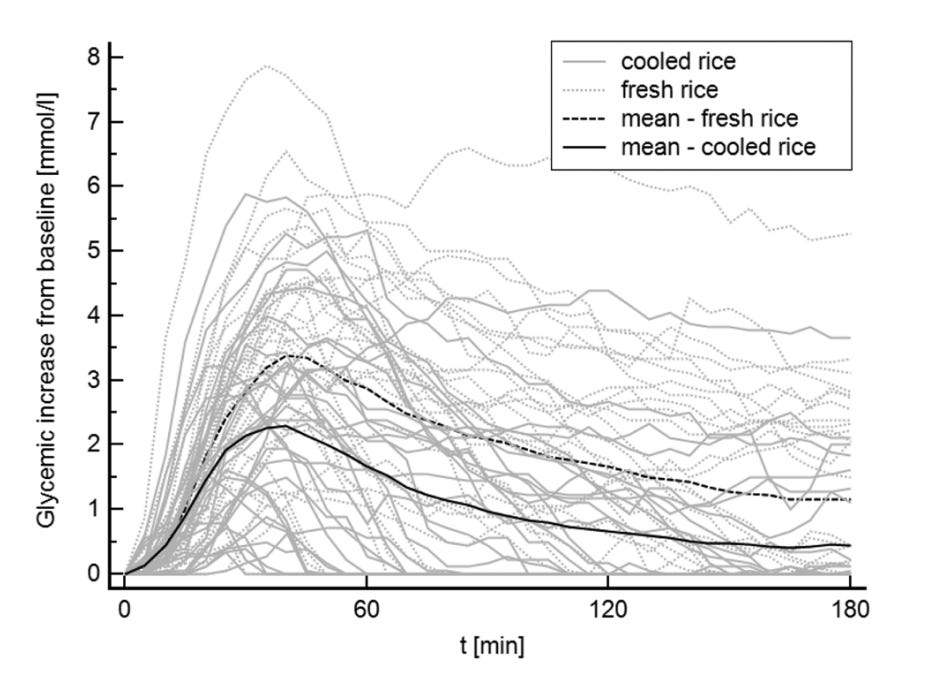
Strozyk et al. (2022) tested cooled rice (39°F for 24 hours, then reheated) against freshly cooked rice in 32 patients with type 1 diabetes. The area under the glycemic curve dropped by 60% with the cooled rice meal and peak glucose increase fell from 70 → 49 mg/dL.
Gut Health & the Butyrate Connection
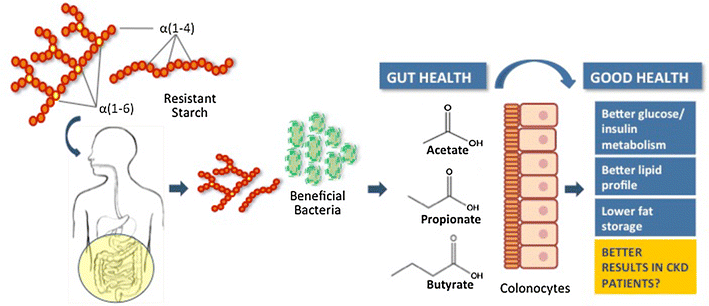
When RS3 reaches the colon, resident bacteria ferment it into short-chain fatty acids (SCFAs) → primarily butyrate, along with acetate & propionate. Each plays a distinct role:
Butyrate = the preferred energy substrate for colonocytes (the cells lining your colon) maintaining gut barrier integrity & reducing intestinal permeability.
Propionate = regulates lipid metabolism in the liver.
Acetate = enters systemic circulation and influences appetite signaling & fat oxidation.
Resistant starch also stimulates the release of GLP-1 & PYY by SCFA binding to fatty-acid receptors on colonocytes. GLP-1 enhances insulin sensitivity and slows gastric emptying. PYY suppresses appetite.
Retrogradation Protocol
The 3 Rules
Rule 1: Cook fully, then cool for a minimum of 24 hours at 39°F (standard refrigerator temperature). Amylose retrogrades rapidly in the first 12 hours, but 24 hours at 39°F produces the highest RS3 yields across rice, potato, & pasta.
Rule 2: You can reheat gently, but stay below 130°C. Standard microwave reheating, stovetop warming, & oven temperatures up to about 130°C preserve retrograded RS3 structures.
Rule 3: Batch-cook & cycle. If you’re ambitious, multiple cook-cool cycles increase RS3 content with each round. So if you cook a large batch on Sunday, refrigerate, & reheat portions through the week, each cooling cycle reforms additional crystalline structures that resist digestion.
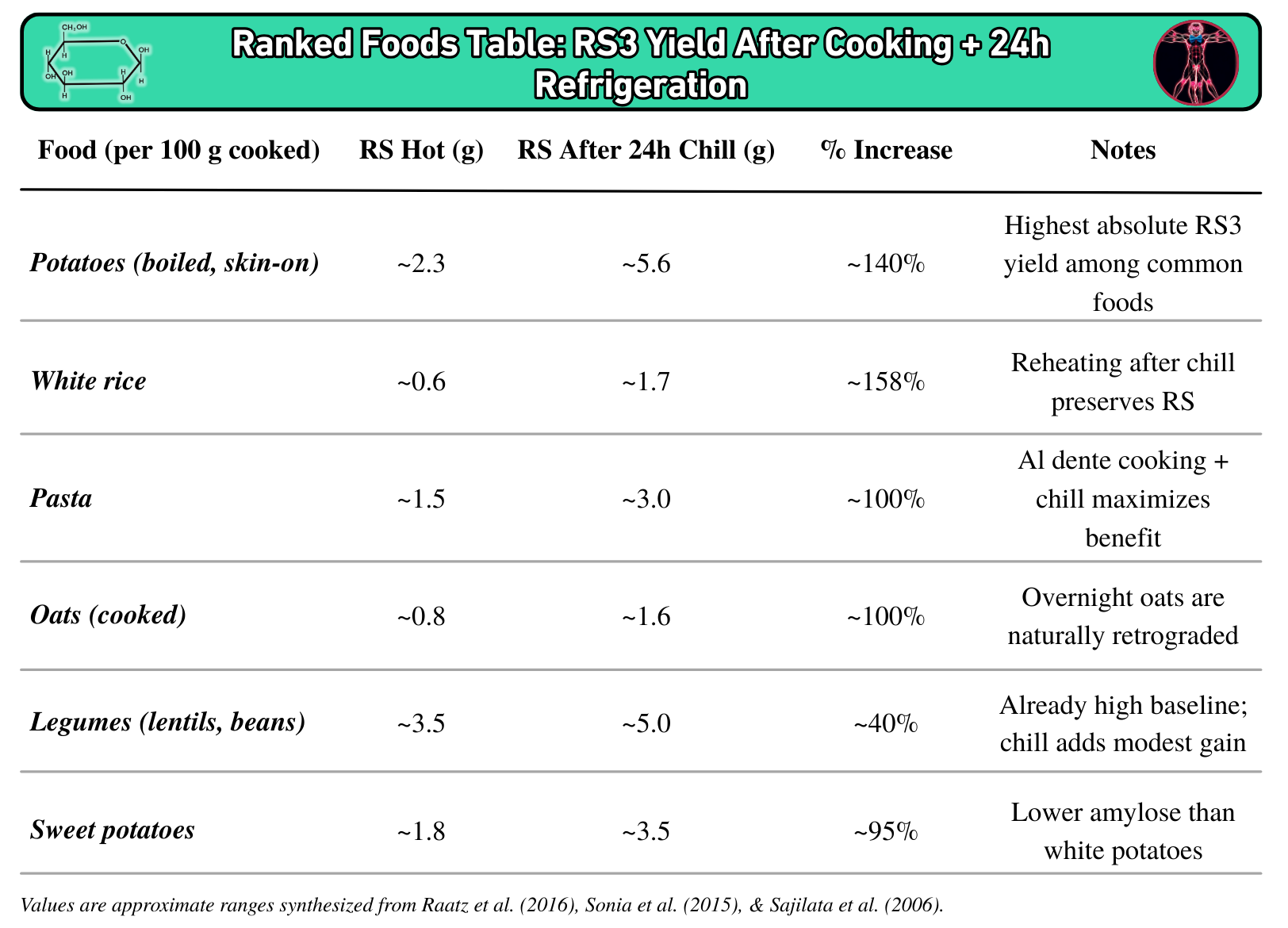
A Simple Meal-Prep System
Sunday Meal Prep Day: Cook a large batch of sweet/white potatoes (boiled/baked), rice, or pasta with your protein & seasonal vegetable source. Let your carb sources cool to room temp (~30 minutes), then transfer to glass containers & refrigerate (38-40°F).
What Covers My Monday–Thursday Meals:
Breakfast: Overnight oats (naturally retrograded) with whey, fruit (berries, apple, banana), peanut butter powder, Ceylon cinnamon
Lunch: Salad/slop bowl of your choice with protein source (90/10 grass-fed beef, chicken thighs/breasts, albacore tuna), cooked & cooled potatoes, veggie sources, EVOO + apple cider vinegar dressing
Dinner: Protein source (wild-caught salmon/cod/shrimp, 90/10 grass-fed beef, chicken thighs/breasts), cooked & cooled rice (can reheat for 2 minutes) with cooked seasonal vegetables (brussels sprouts, broccoli, squash), splash of apple cider vinegar
Two Multipliers Worth Adding
Two simple additions to multiply the retrograded starch effect.
Vinegar
Leeman et al. (2005) tested four potato meal combinations in 13 healthy subjects. Cold-stored potatoes alone reduced the glycemic index by 26% vs. freshly boiled. When served with olive oil & white vinegar, they reduced glycemic index (GI) by 43%.
Östman et al. (2005) showed vinegar added to a bread meal reduced the GI by 36% and increased subjective satiety scores.
This works through acetic acid delaying gastric emptying → slowing the rate of food leaving your stomach → flattening the glucose curve further.
Practical dose: 1–2 tablespoons of vinegar (apple cider or white wine) per carb-dense meal. As a dressing or mixed into the dish.
Fiber
Soluble & insoluble fiber alongside retrograded starch further slows digestion. When a preceding meal is rich in dietary fiber, the glycemic response to the next starchy meal is also lower.
Practical dose: Pair retrograded starches with non-starchy vegetables. An additional lever = adding 1—2 tbsp psyllium husk fiber before meals.
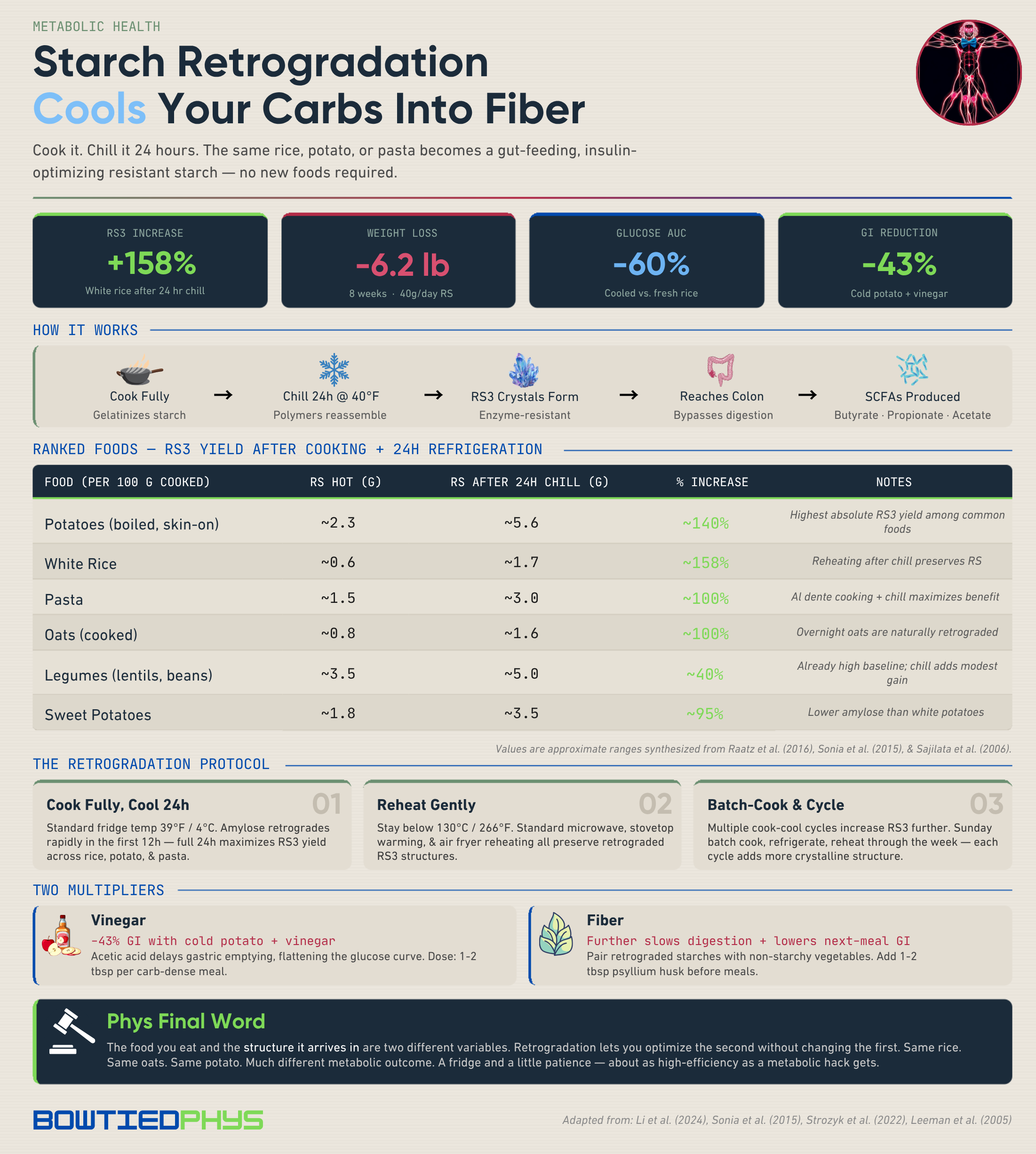
The food you eat and the structure it arrives in are two different variables. Retrogradation lets you optimize the second without changing the first.
Same rice. Same oats. Same potato. Same pasta. Much different metabolic outcome.
About as high efficiency as a metabolic “hack” gets. Use wisely, friends.
We’ll see you guys next week,
Phys
Great article. Cheers