


It’s insane the number of people walking around who look perfectly healthy with excessively high blood pressure.
Lean. Train 4–5x/week. Eat well. Sleep well. Then show up to a PCP for the first time in a few years…145/110.
I’ve seen it often enough that it completely dismantles the premise of “I feel fine” as a biomarker.
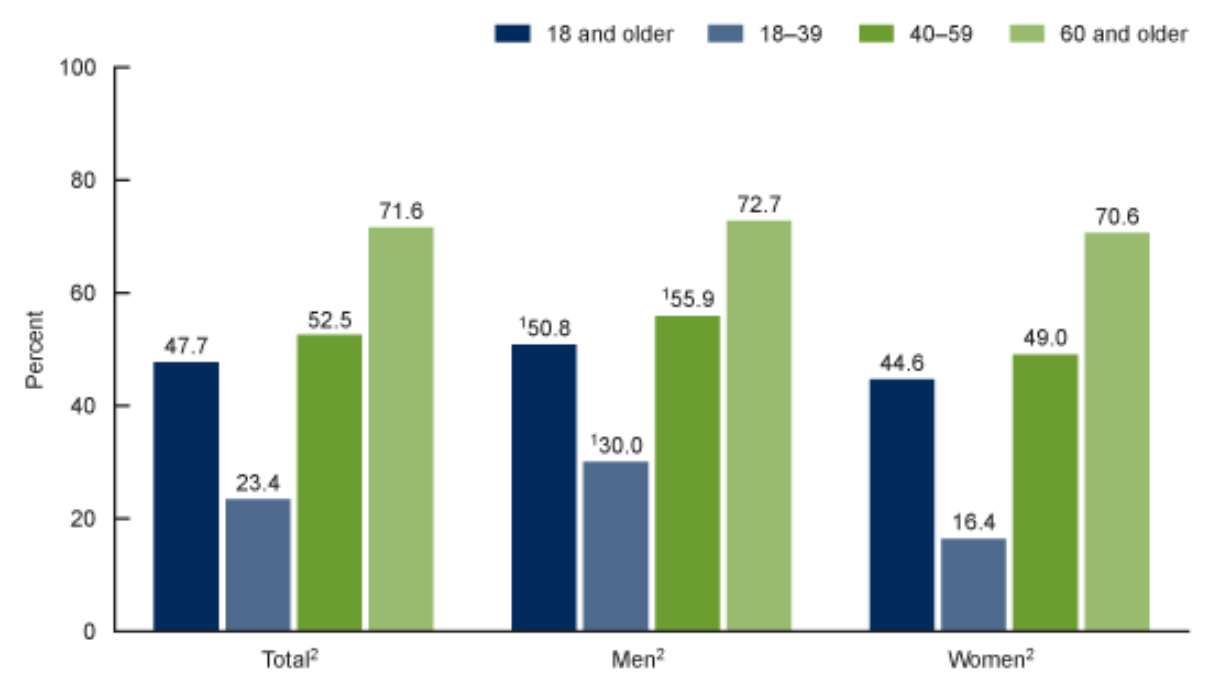
Half of all US adults & 30% of all guys under 40 have been diagnosed with hypertension. And those with elevated BP before 40 had a 67% higher risk of an eventual cardiovascular event.
Now for the most comprehensive guide around to make sure you never end up in this very avoidable (& reversible) position.
Blood Pressure Explained in 30 Sec
Systolic (top number) = pressure in the pipes when the heart squeezes
Diastolic (bottom number) = pressure when the heart relaxes between beats
3 things dictate the BP values:
Pump → how hard & fast the heart works (sympathetic drive + stimulants + stress load)
Pipes → how tight & stiff the arteries are (nitric oxide + vessel lining health)
Fluid → how much blood volume is in the system (kidneys + sodium + potassium)
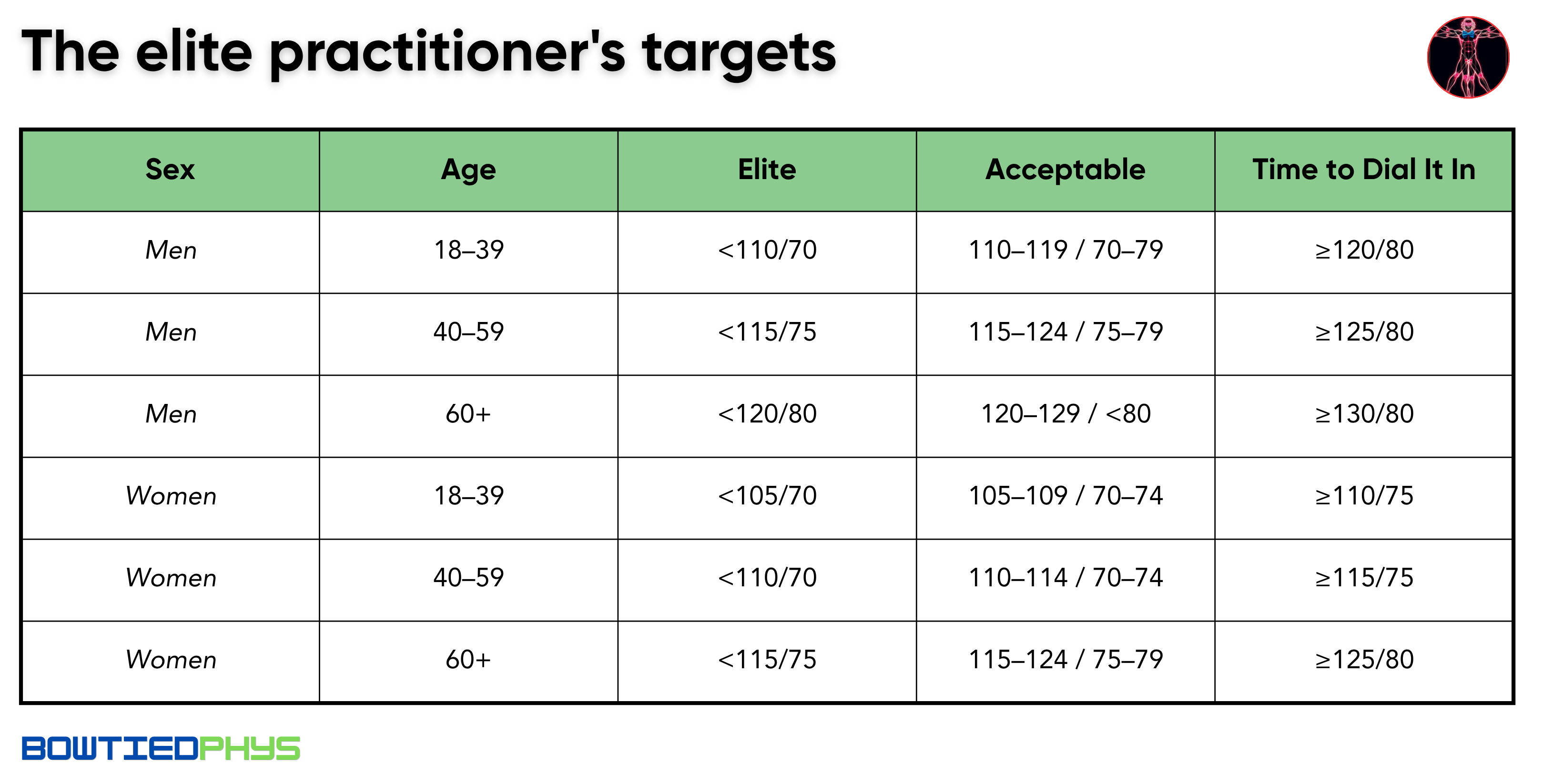
Functional Optimal Ranges
Opt into optimal (not the standard 120/80).
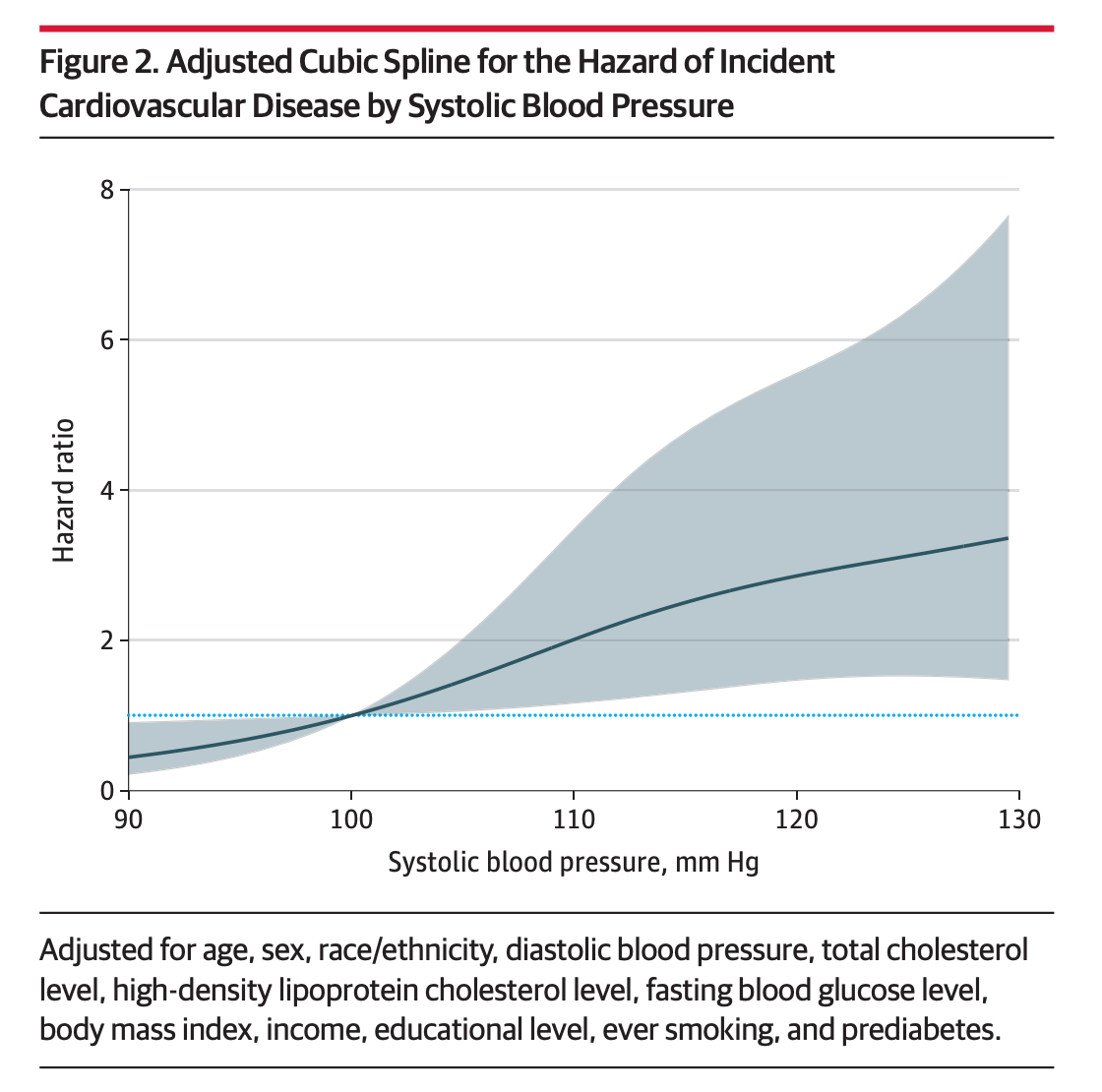
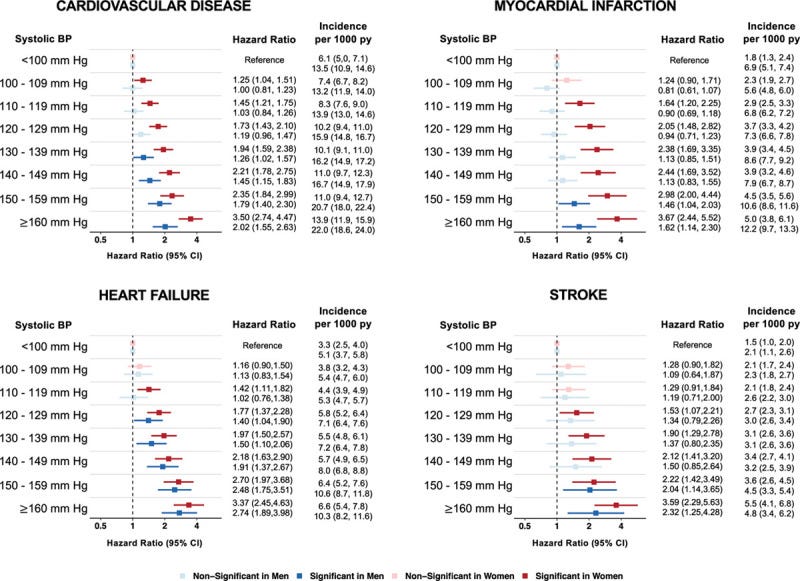
Whelton 2020 (JAMA Cardiology): 1.4k adults with zero risk factors followed 14.5 years.
Every +10 mmHg → 53% higher risk
SBP 120–129 (considered “normal”) → 4.6x the risk of SBP 90–99
Ji 2021 (Circulation): 27.5k adults. Women’s risk rises at lower BP than men’s.
How to Properly Measure
Step 1: Get a cuff
Pick one up on Amazon. Usually on sale for 40–50% off around Prime Days & holidays. They’re cheap. Non-invasive. Easy to store.
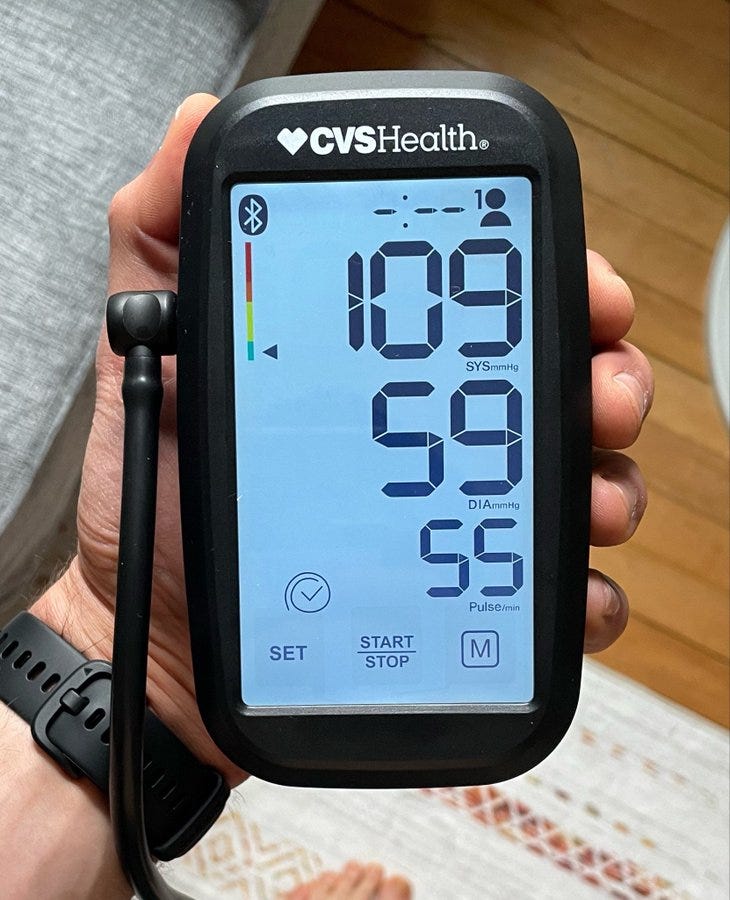
And they might just save your life.
Check that the model is validated: validatebp.org
My two cost-effective picks:
Step 2: Never lean on a wearable
Watches aren’t reliable for blood pressure. Apple’s hypertension feature analyzes pulse waveforms over 30 days & sends a “possible hypertension” alert…without ever providing actual values.
Apple’s FDA validation data is trash (Sept 2025):
Overall → Flagged only 41% of people who actually had hypertension
Stage 1 → Missed 70%
Stage 2 → Missed 46%
Least accurate in people < 60 & with BMI < 30
Step 3: Measure it right
Before:
No caffeine, nicotine, or exercise for 30 min
Empty your bladder (a full one can add ~10 mmHg)
Sit calmly for 5 min. No phone (seriously). Opt for a book.
During:
Back supported, feet flat, legs uncrossed (crossed legs can add ~5 mmHg)
Bare upper arm, resting on a table at heart level
Cuff sized to your arm (too tight gives a false high)
No talking (can add ~10 mmHg)
Step 4: Track it over time
Baseline week: 2 readings → 1 min apart → every morning (before coffee & food) & every evening for 7 days → average the first week
Maintenance: 1—2x/week post first week initialization. Repeat baseline week after starting any new intervention
Log: Each reading in a simple sheet.
Step 5: Track proxies
Contextualize it with the rest of your metabolic picture: The 14 Metabolic Health Biomarkers
Then track these alongside it:
E2: Estradiol supports NO production in the vessel lining
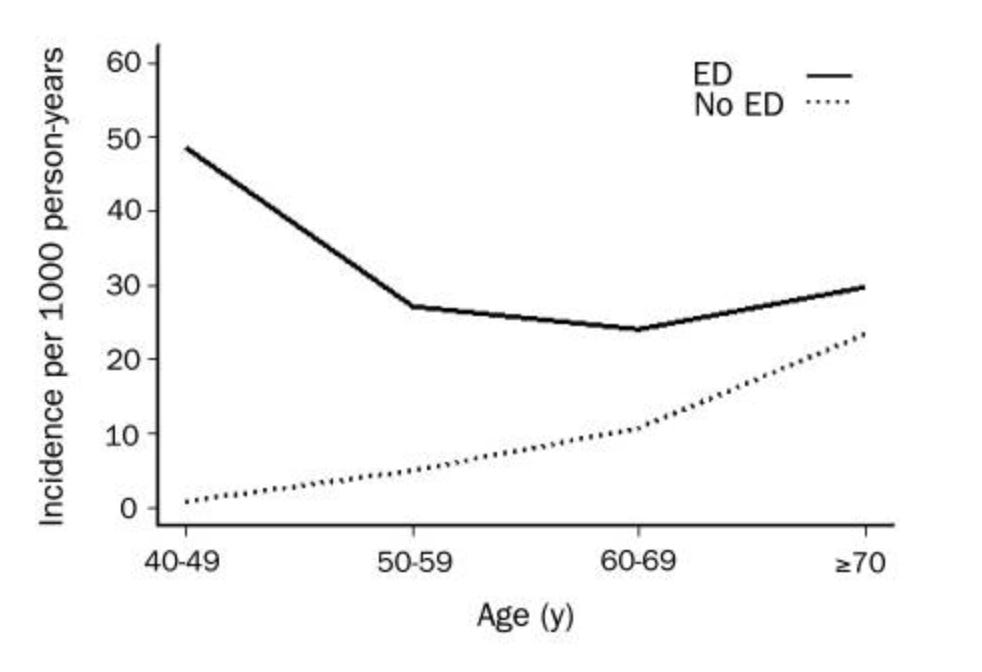
Morning Wood + Getting Hard: Early vascular warning sign. Penile arteries are smaller than coronary arteries so they show damage first. Guys in their 40s with ED had a 50-fold higher risk of heart disease.
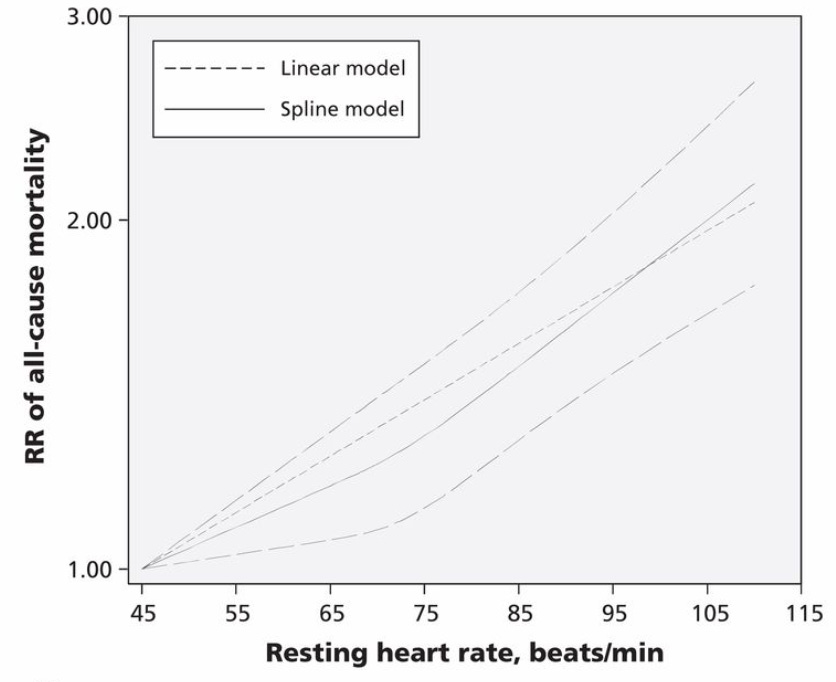
Resting Heart Rate: Rising RHR trend = worsening cardio engine. Every +10 bpm → 9% higher all-cause mortality
HRV: Falling trend = losing parasympathetic tone
Alright so you get an elevated blood pressure reading. Now what do you do?
Tactics to Reduce Blood Pressure
#1: Reduce visceral fat
Why it works
Highest ROI lever available.
Visceral fat (aromatase factory) → secretes excess estrogen, leptin, & fatty acids → leptin & insulin resistance → kidneys hold onto sodium & excess water
Best evidence
Chandra 2014 (Dallas Heart Study): Visceral fat predicted a 22% higher risk of new hypertension. Subq fat failed to do the same.
Neter 2003 (Hypertension): 25 RCTs & 4.8k+ people. −1 mmHg SBP per 2.2 lbs lost. Losing more than ~11 lbs → −6.6/−5.1 mmHg.
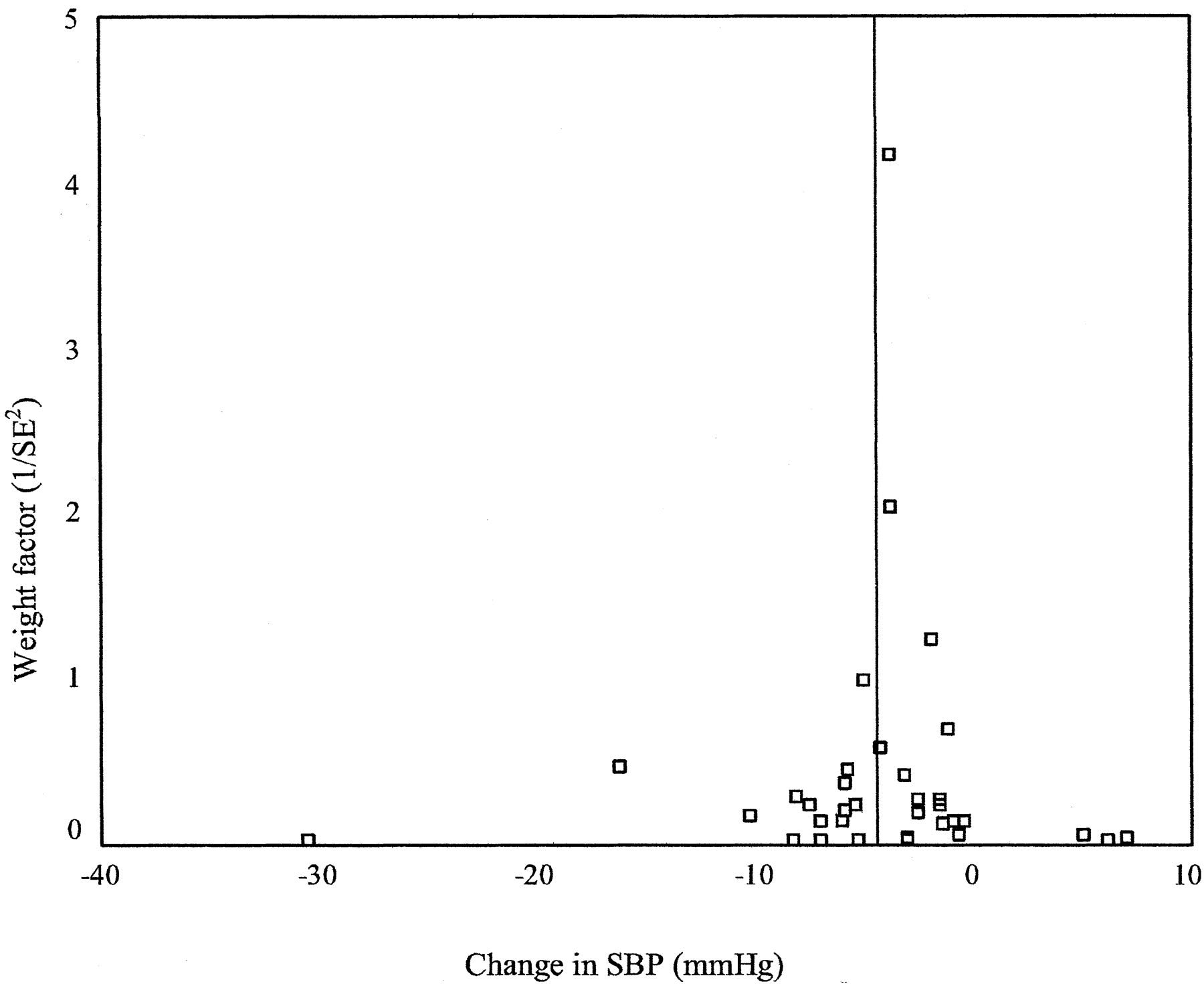
2023 weight-loss meta-analysis: 35 studies & 3,200+ people. A BMI drop of 3+ points reduced SBP by 8.5 mmHg.
Protocol
First move if you’re over 15% (male) & 25% (female)
Get an initial DEXA scan (~$150)
Alternative: Track waist-to-height ratio as a proxy. Aim for under 0.5 → waist less than half your height
The full playbook on reducing body fat below 15%:

#2: Cut hyper-palatable food intake
Why it works
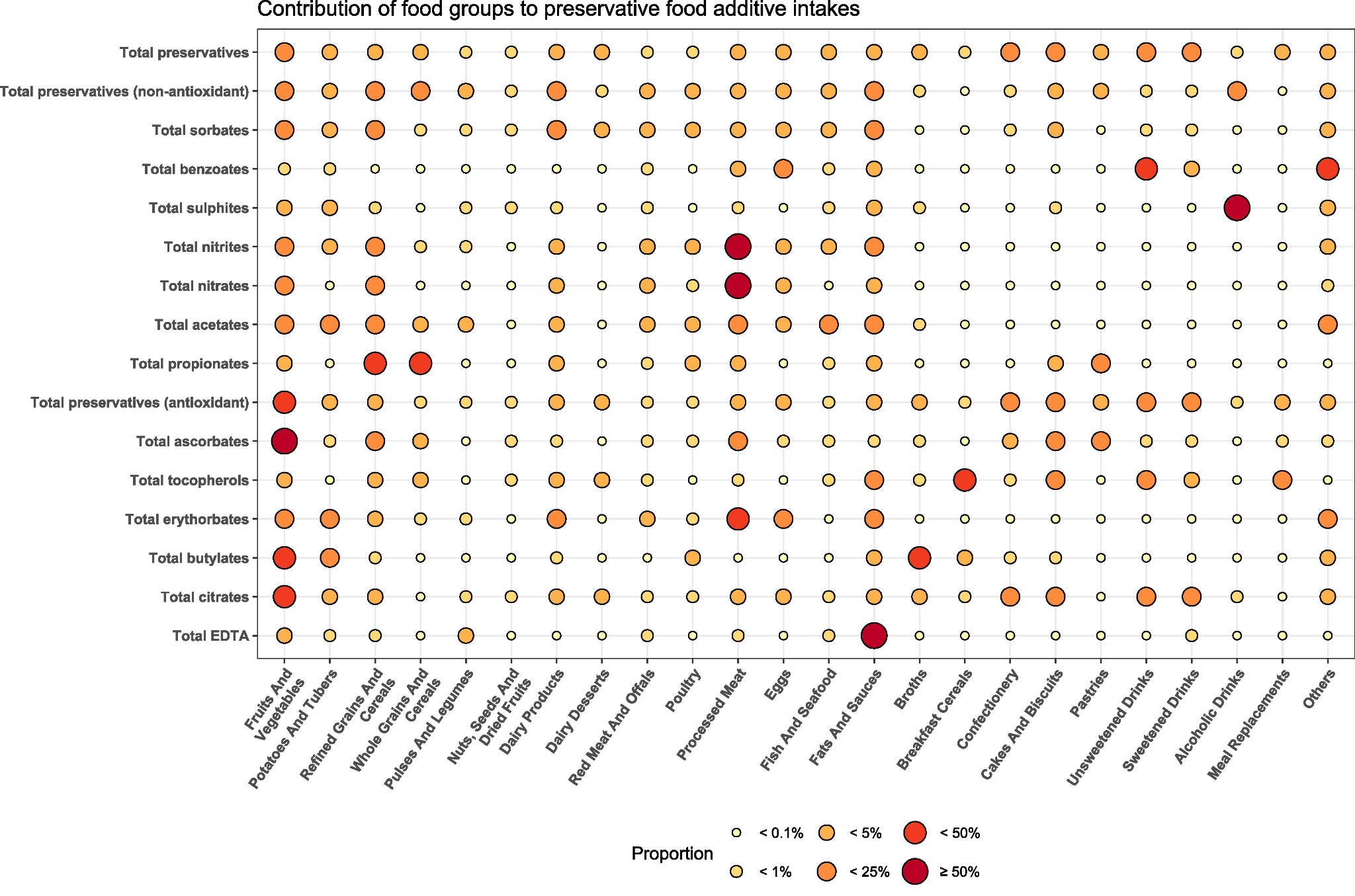
Hyperpalatable foods are easier to overindulge because they were engineered to push beyond your natural fullness signals.
Sodium in ultra-processed foods lacks adjacent minerals & cofactors for ideal energy metabolism.
Best evidence
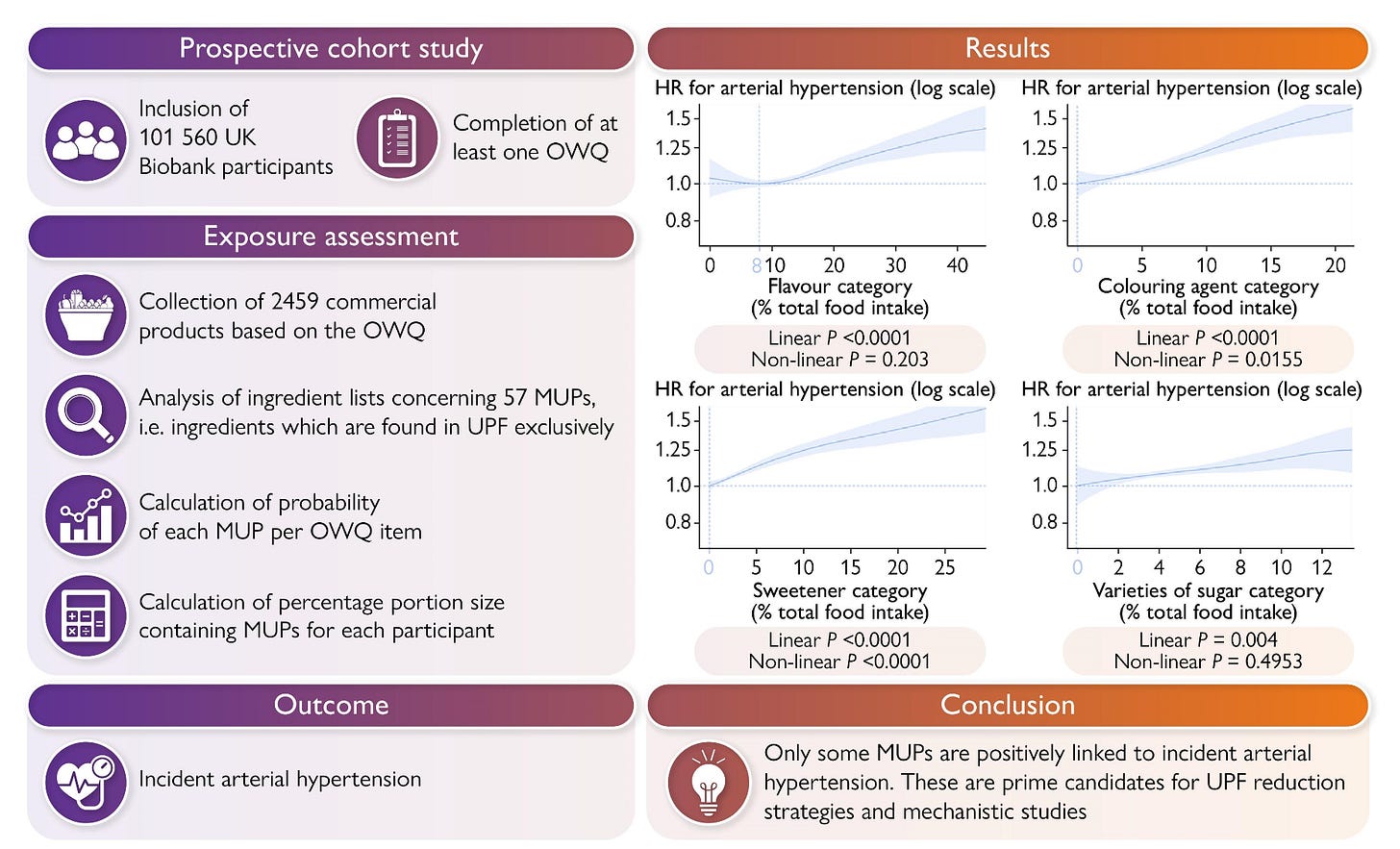
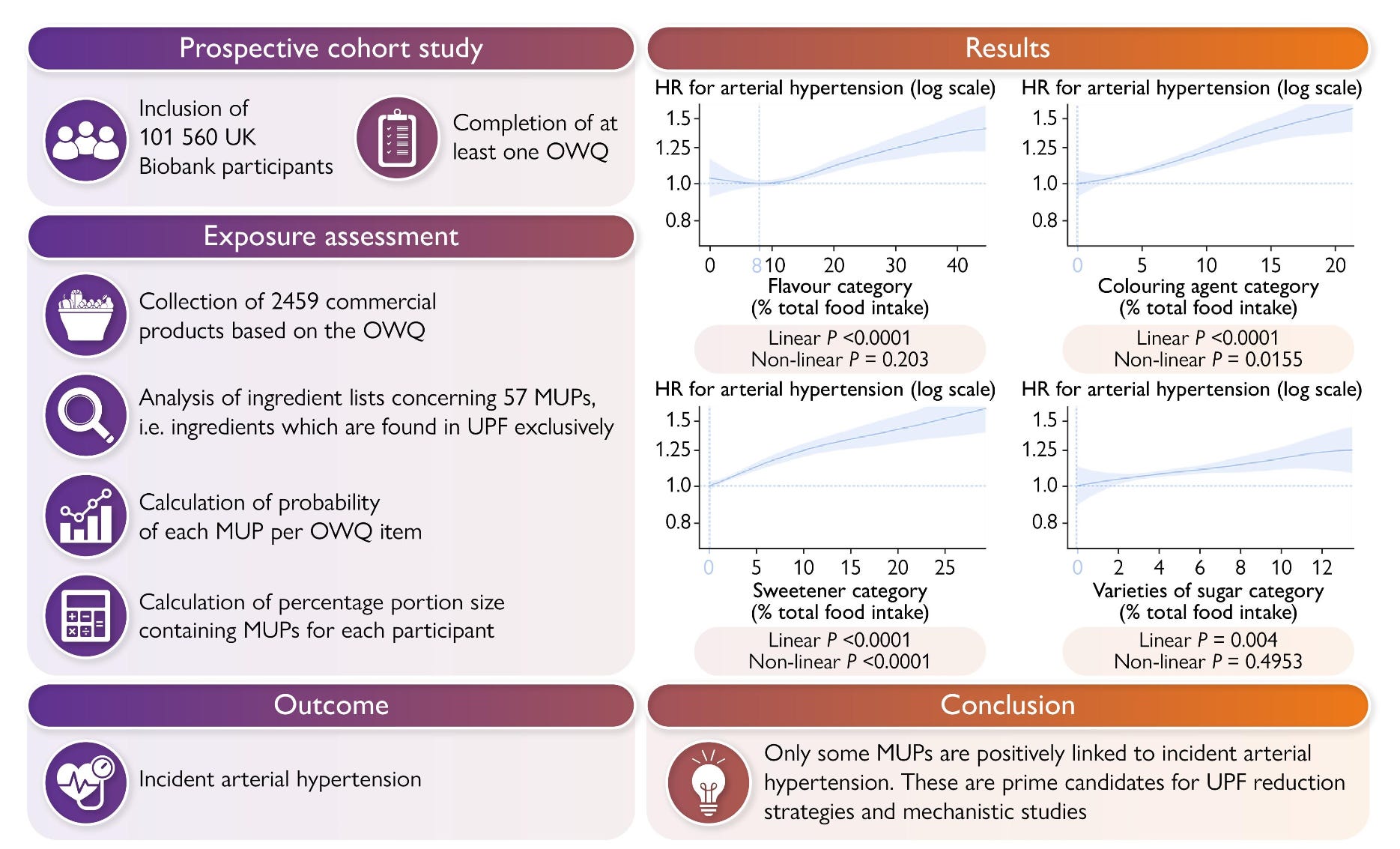
Krost 2026 (European Heart Journal): 101k+ people over 10.5 yr median follow-up. By category of increased risk of hypertension: flavor (37%), coloring agents (55%), sweeteners (42%), sugar varieties (19%).
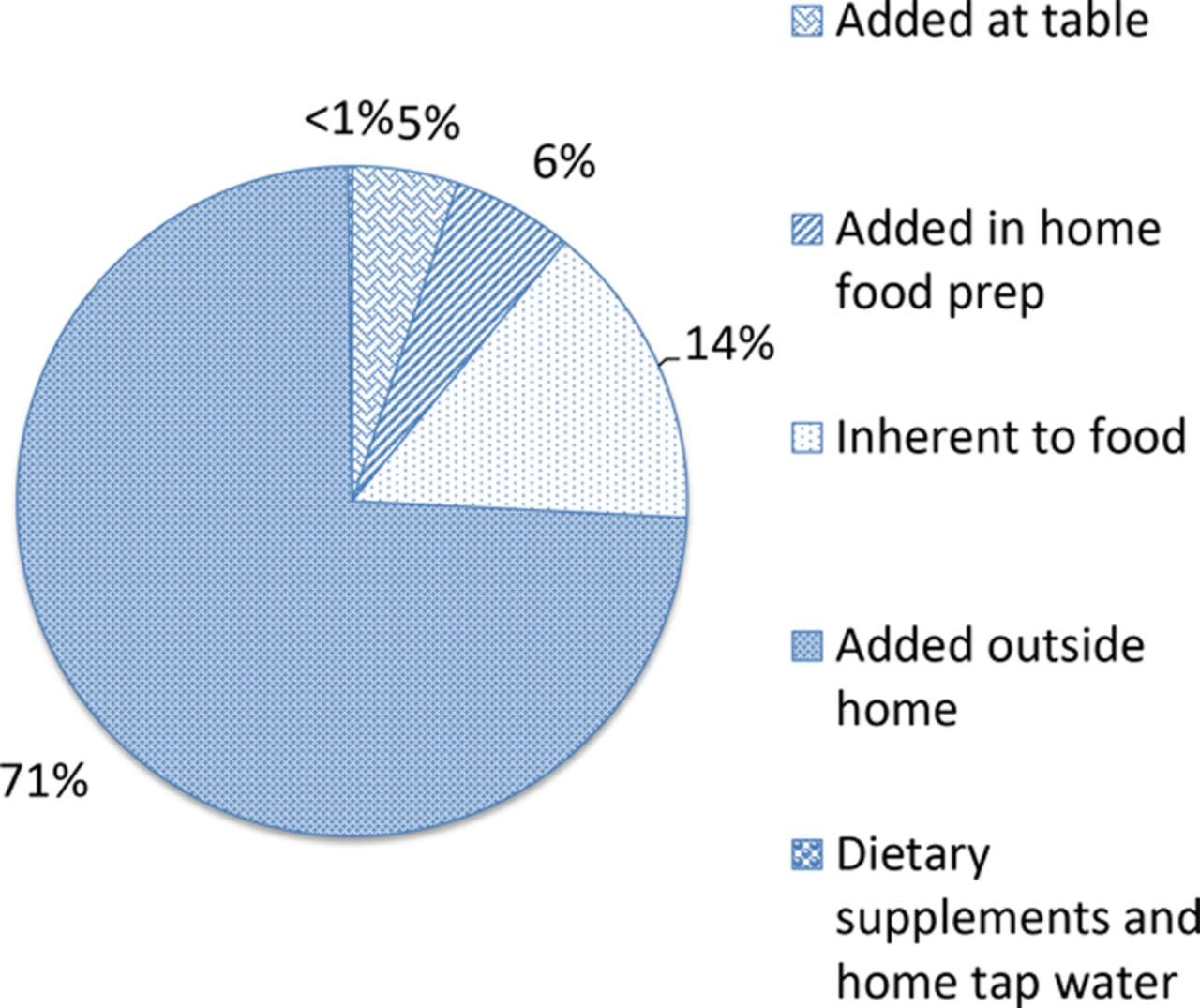
Harnack 2017 (Circulation): 71% of sodium came from processing & restaurants. Home cooking added 5.6%.
Protocol
Cook 80%+ of your meals at home → higher quality sodium via minimally processed foods
Sodium label heuristic: sodium (mg) should be below calories value
#3: Dial potassium:sodium ratio to 1–2:1
Why it works
Reductionism led us to seeing sodium as a univariately negative factor related to blood pressure, but it’s really a ratio game.
Low potassium + high sodium → kidneys hoard sodium → sodium holds water → higher pressure
Balanced K:Na ratio → kidneys dump sodium & water → artery walls relax
Best evidence
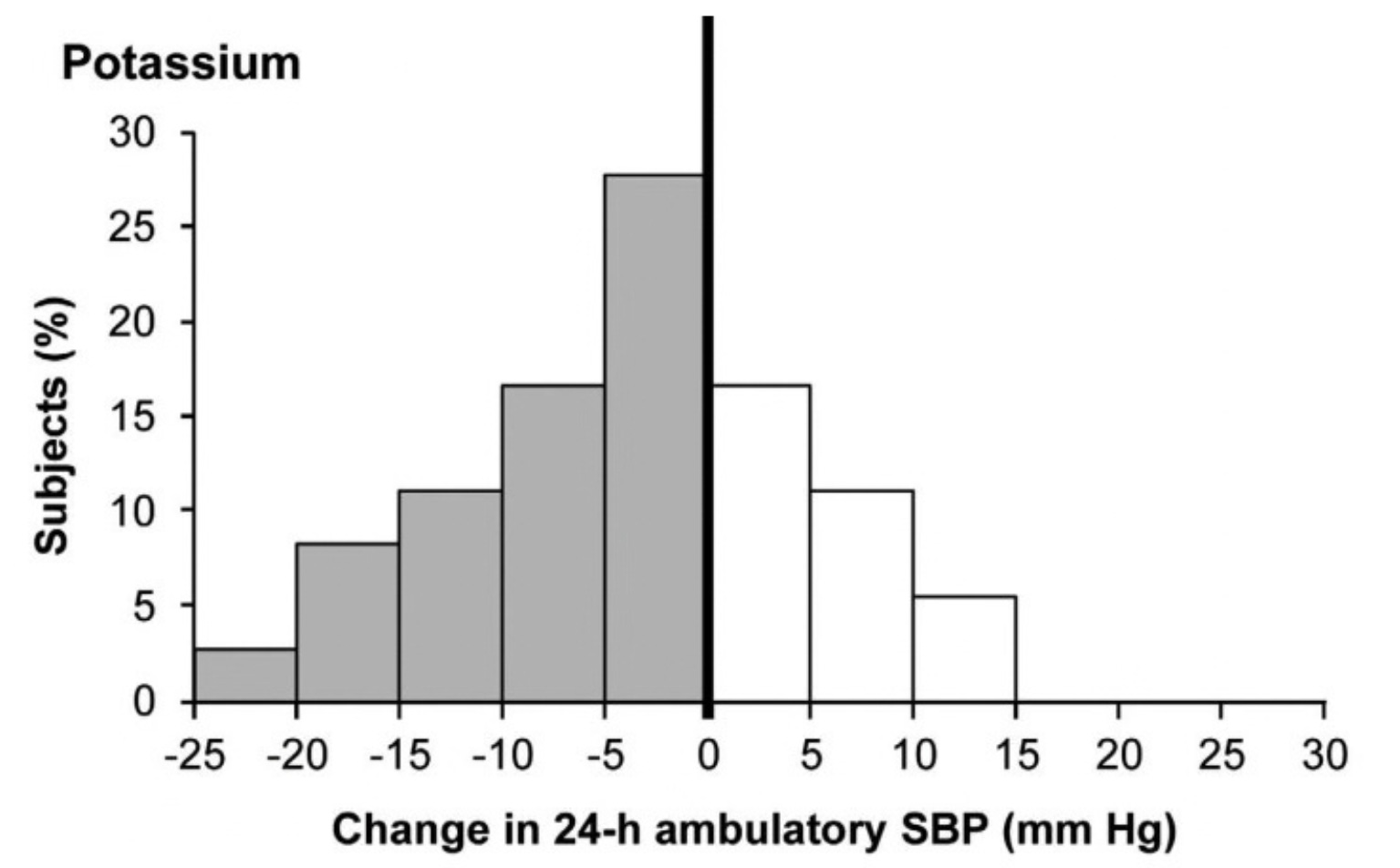
Gijsbers 2015 (J Hum Hypertens): Adding 3g potassium/day for 4 weeks:
SBP → −3.9 mmHg
DBP → −1.6 mmHg
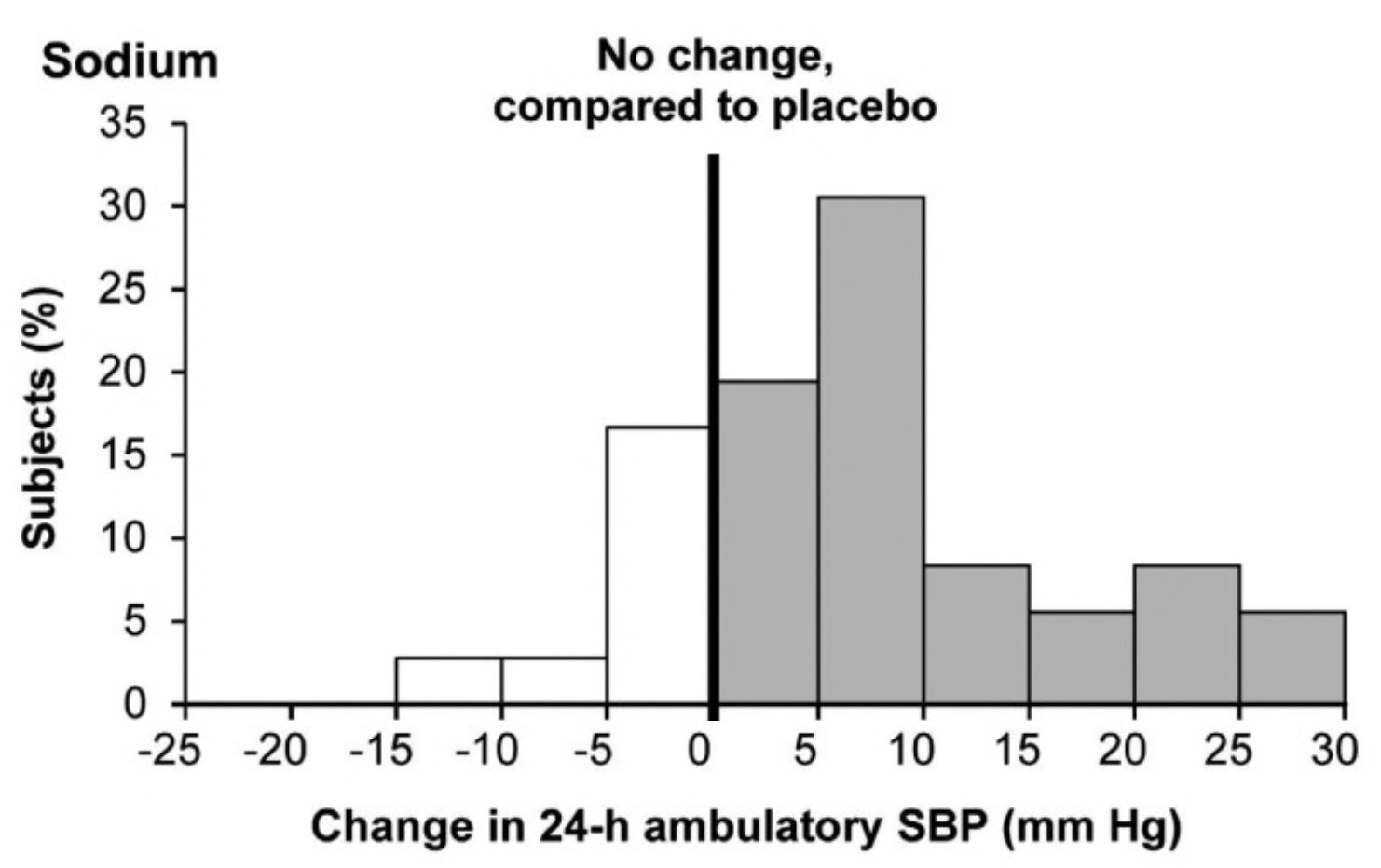
Adding 3g sodium instead:
SBP → +7.5 mmHg
DBP → +2.7 mmHg
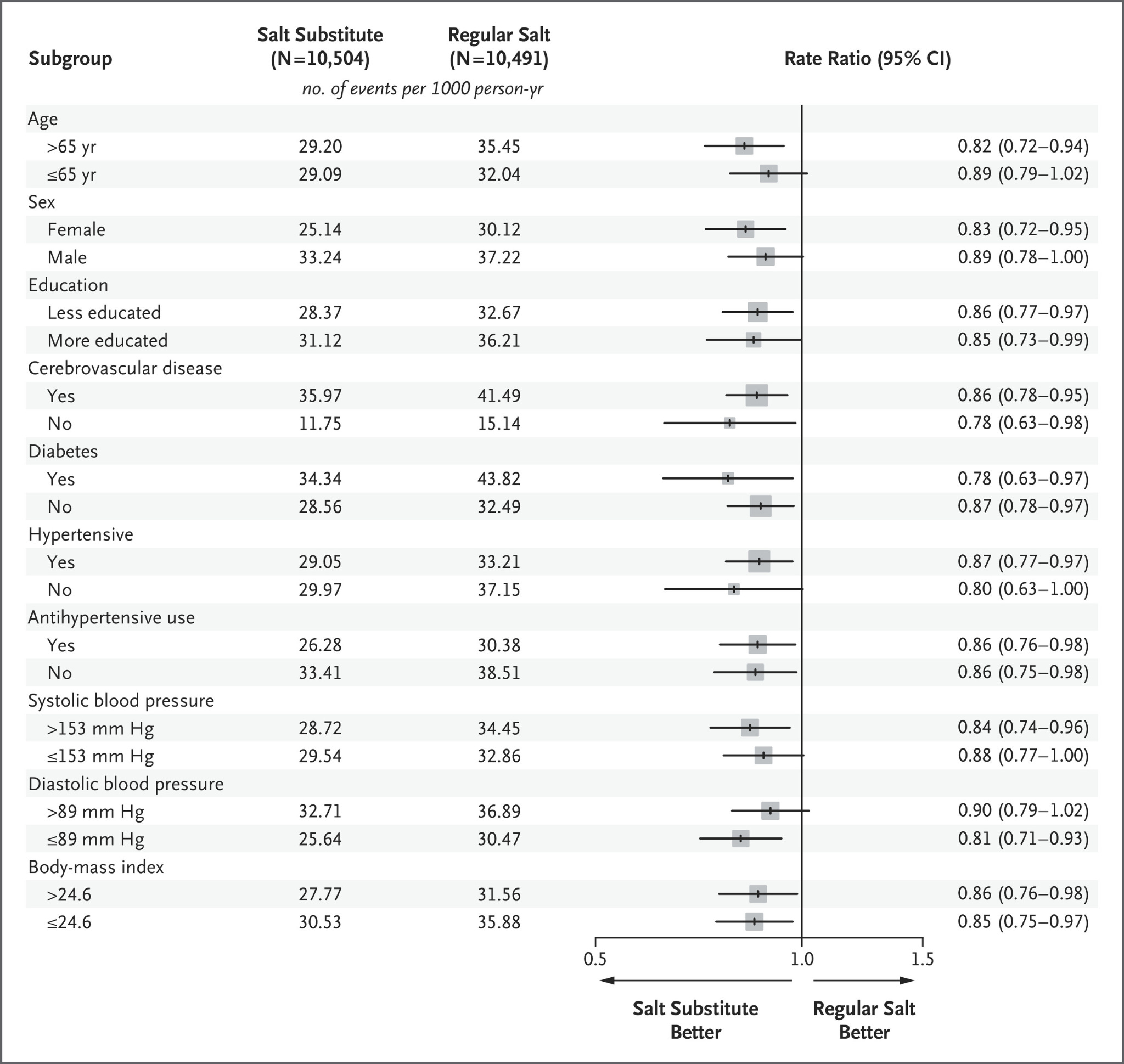
Neal 2021 (NEJM): ~21k people in 600 rural Chinese villages. Swapped regular salt for a 75/25 NaCl/KCl blend:
Reduced stroke risk by 14%
Reduced major cardiovascular events by 13%
Reduced mortality by 12%
Ding 2024 (J Hum Hypertens): Salt substitution lowered SBP by 3.3 mmHg. Sodium reduction explained only 12–39%. Potassium addition drove much of it.
Aburto 2013 (BMJ): 22 RCTs across 1.6k people. Greater potassium intake → −3.49/−1.96 mmHg. At 3,500–4,700 mg/day → −7.16 SBP.
Protocol
Increase potassium intake before cutting back high quality sodium intake
Target 5,000 mg potassium/day from food minimum
Leverage high K+ foods: sun-dried tomatoes, beet greens, yams, wild caught salmon, potato (w/ skin on), white beans, cooked spinach, avocado, fufu.
Get your Na from micronutrient/cofactor dense foods: sardines, anchovies, oysters, mussels, olives, sauerkraut, kimchi, bone broth, feta, nori seaweed
#4: Toss the Zyns
Why it works
One of the greatest psyops in the health space was believing there was minimal cardiovascular cost to spamming Zyns.
Pop a Zyn → elevates oxidative stress levels → reduces NO production from the vessel lining → arteries stiffen & lose their ability to relax
Best evidence
Mallock-Ohnesorg 2024 (Front Pharmacol): A 6 mg pouch raised BP & arterial stiffness within ~10 minutes. Pouches also increased heart rate linearly with dose: +12 bpm (20 mg) & +25 bpm (30 mg).
Protocol
Now’s the time for the smooth offramp:

#5: Nattokinase
Why it works
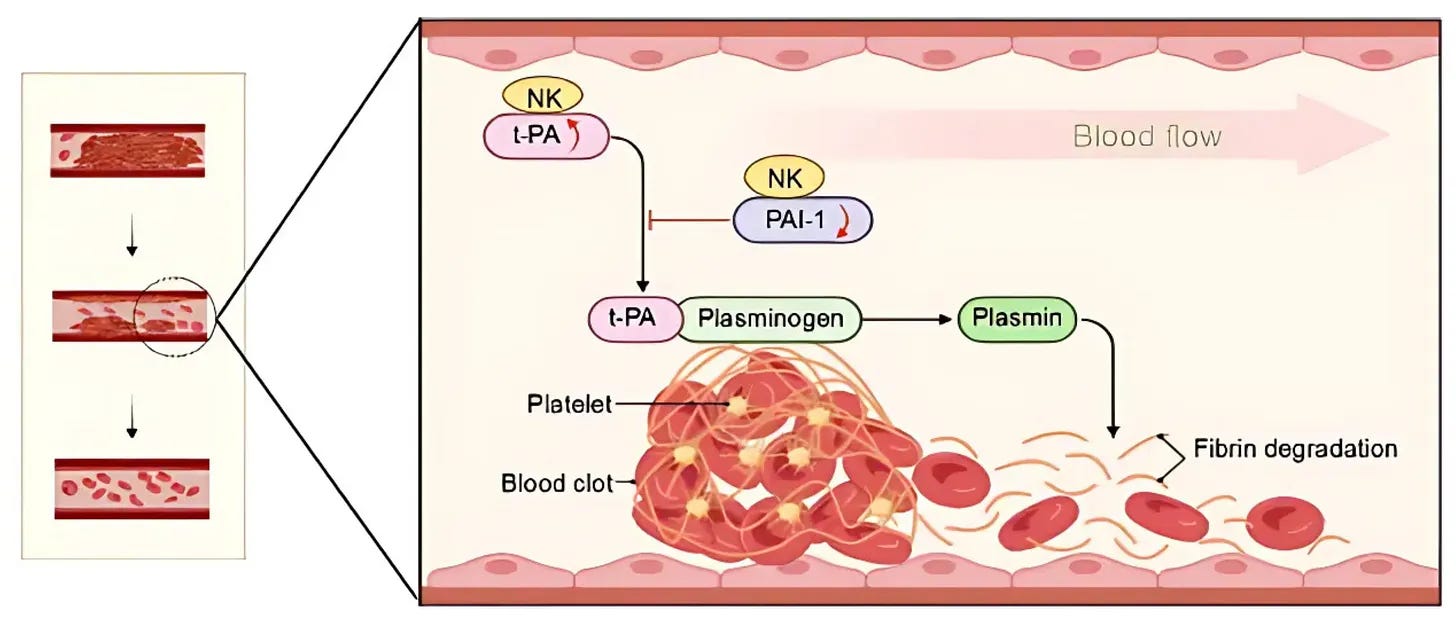
If there’s a supplement to add to every cardiovascular stack, it’s nattokinase.
As you age, blood thickens & clots more readily raising high BP risk, CVD, & poor nutrient delivery.
Beats standard blood thinners like warfarin or aspirin → possesses a unique dual mechanism: it prevents new clots & dissolves existing ones.
Best evidence
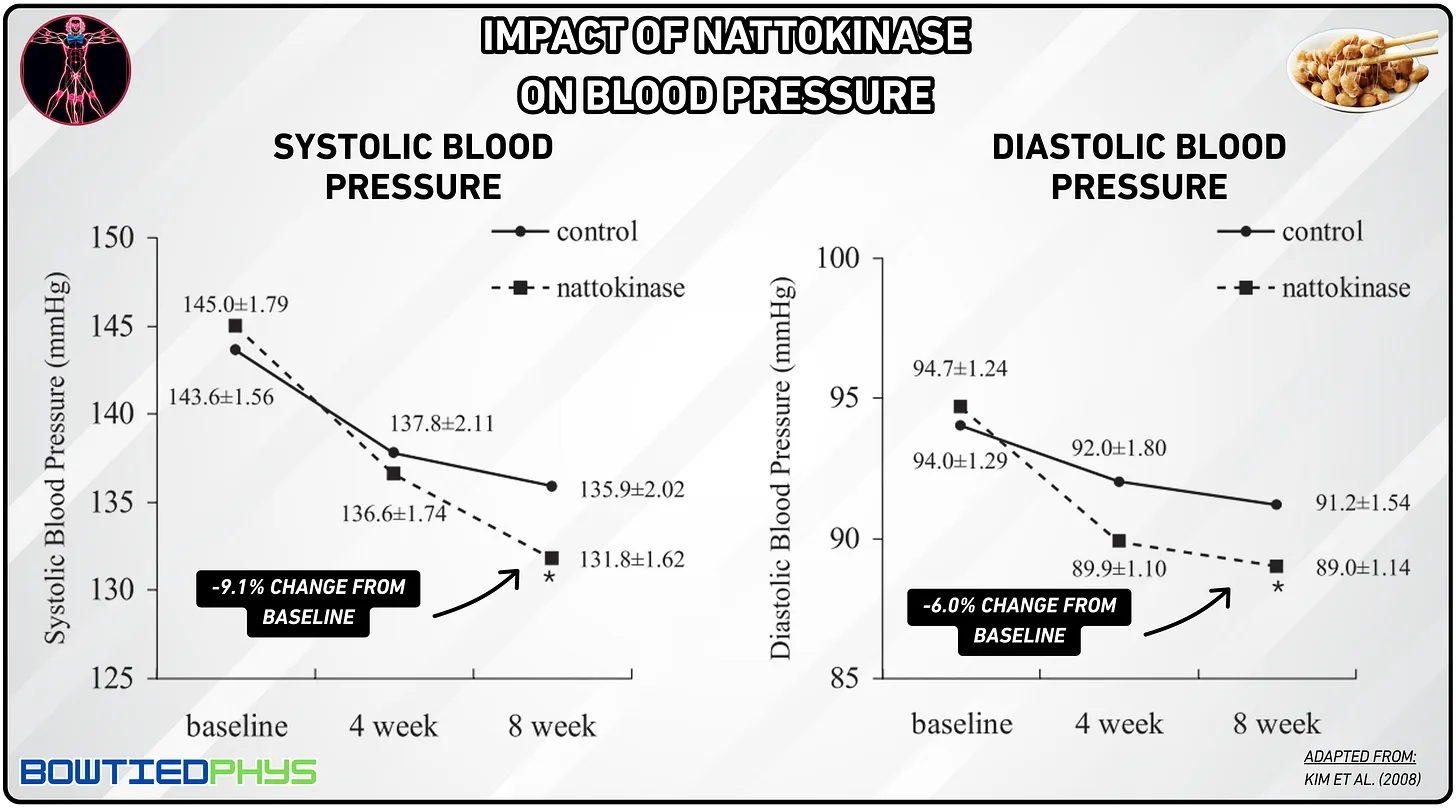
Kim 2008 (Hypertension Research): 86 adults with elevated BP. 2,000 FU/day for 8 weeks.
SBP → −5.6 mmHg
DBP → −2.8 mmHg
Protocol
Never combine with anticoagulants or antiplatelets (warfarin, DOACs, aspirin, clopidogrel)
Full breakdown on brands to opt for, dosing, & timing:

#6: Fasted Z2/Z3 morning cardio
Why it works
Cardio (fasted or not) is a must across any legitimate protocol. Higher stroke volume → lower heart rate → more NO from the vessel lining → lower resting sympathetic tone
Fasting AM cardio becomes a non-negotiable for lowering BP levels.
Insulin is lowest after an overnight fast → enables superior fat mobilization (fat = desired fuel substrate) → enhanced metabolic flexibility & leptin/insulin sensitivity (psychological bonus of building morning consistency)
Best evidence
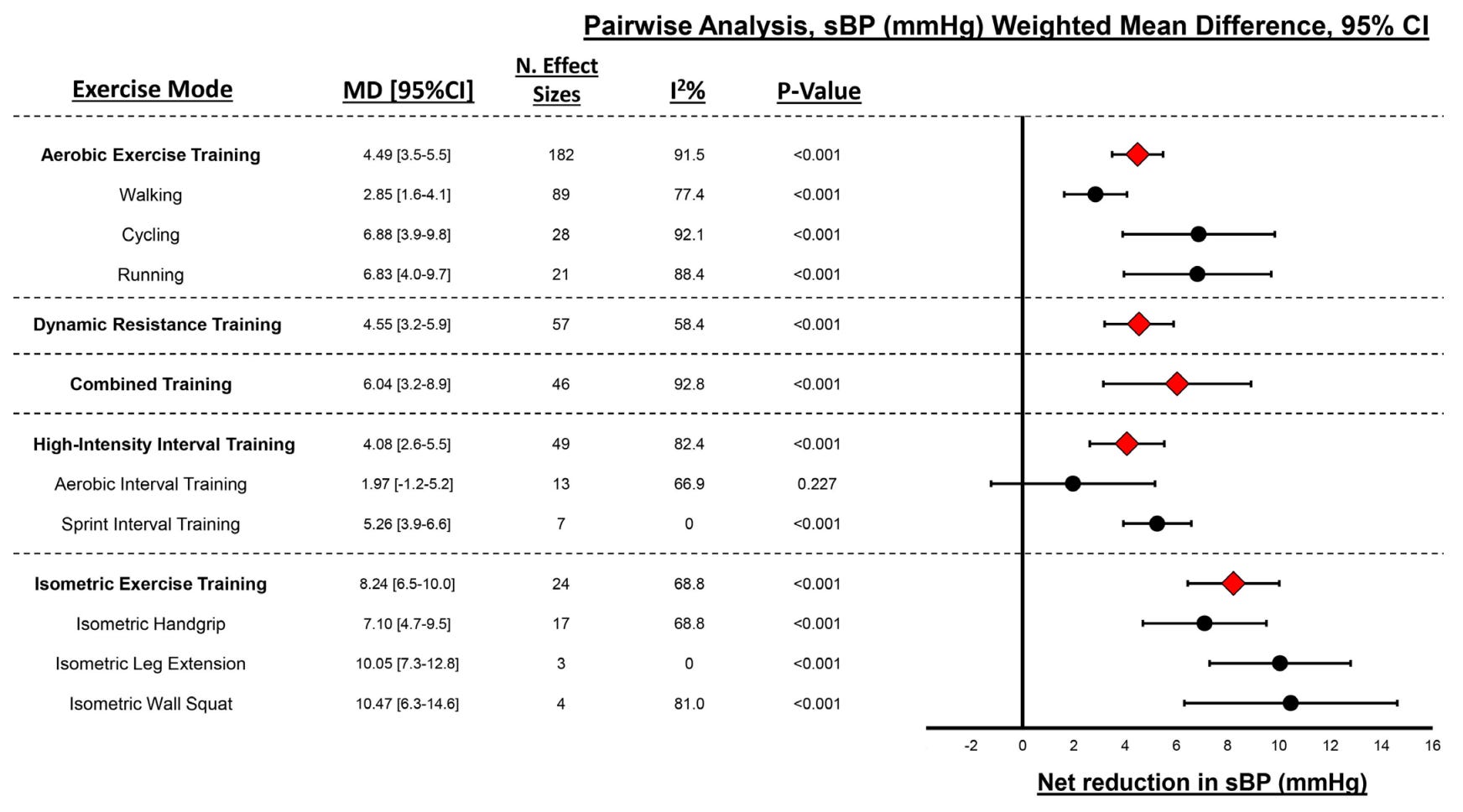
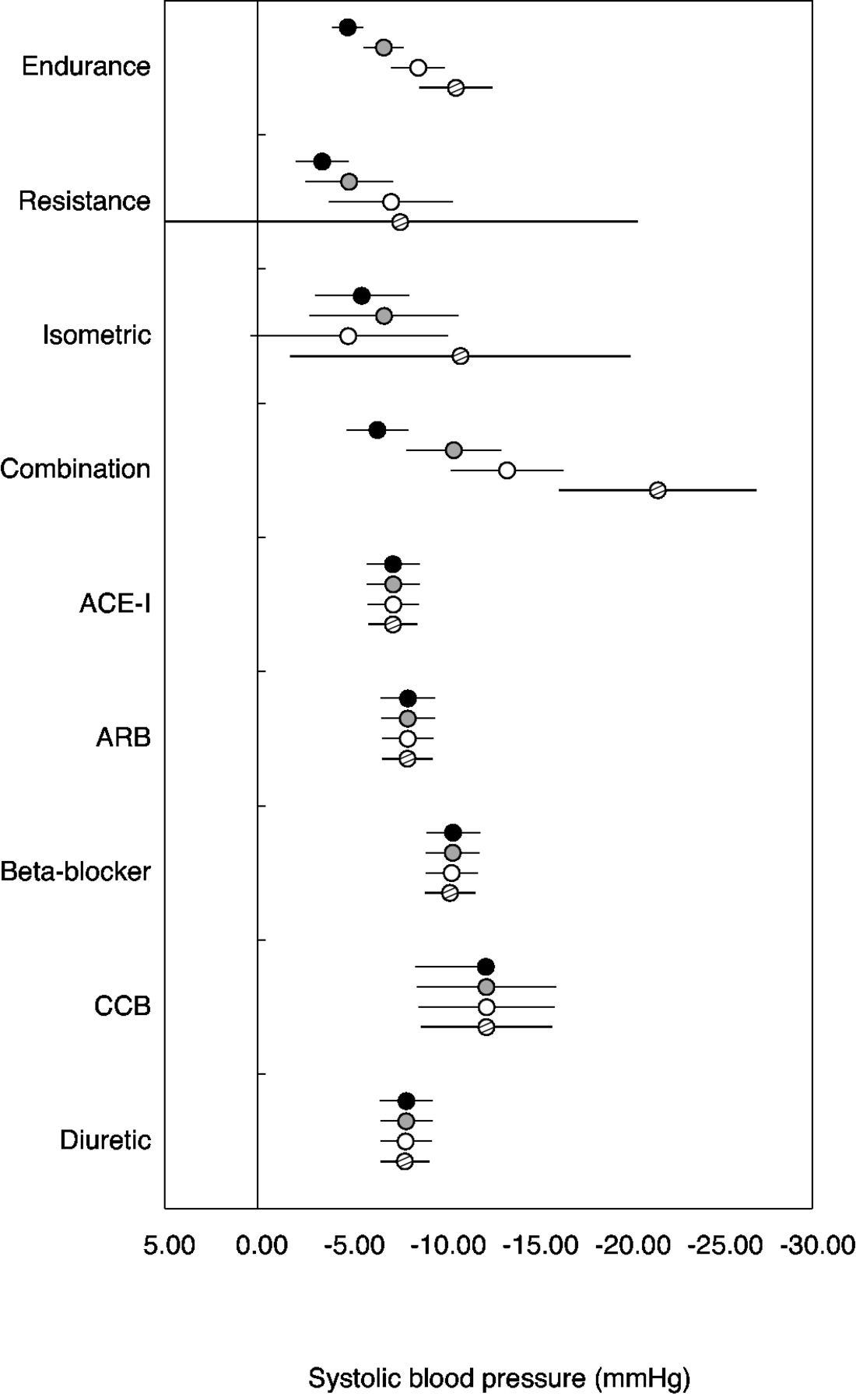
Edwards 2023 (BJSM): Meta-analysis of 270 RCTs & 15.8k people. Cardio training: −4.5/−2.5 mmHg. Reductions by mode: Running: -7.0 SBP, Cycling −6.9 SBP, Walking~−2.9 SBP.
Vieira 2016 (Br J Nutr): Fasted aerobic sessions burned significantly more fat than fed sessions.
Protocol
Fasted Z2 most mornings for 30–60 min = lowest-hanging fruit
Cardiovascular adaptation = build up to Z3 (up to low Z4) for 2–3 days/week
Minimum 200 min/week in Z2/Z3 for reliable blood pressure reduction
Higher your BP = the more frequency and volume needed
#7: Cut alcohol
Why it works
Booze is a short-term vasodilator. A few hours later, you get a rebound effect of increased sympathetic activation & an acute cortisol rise.
Best evidence
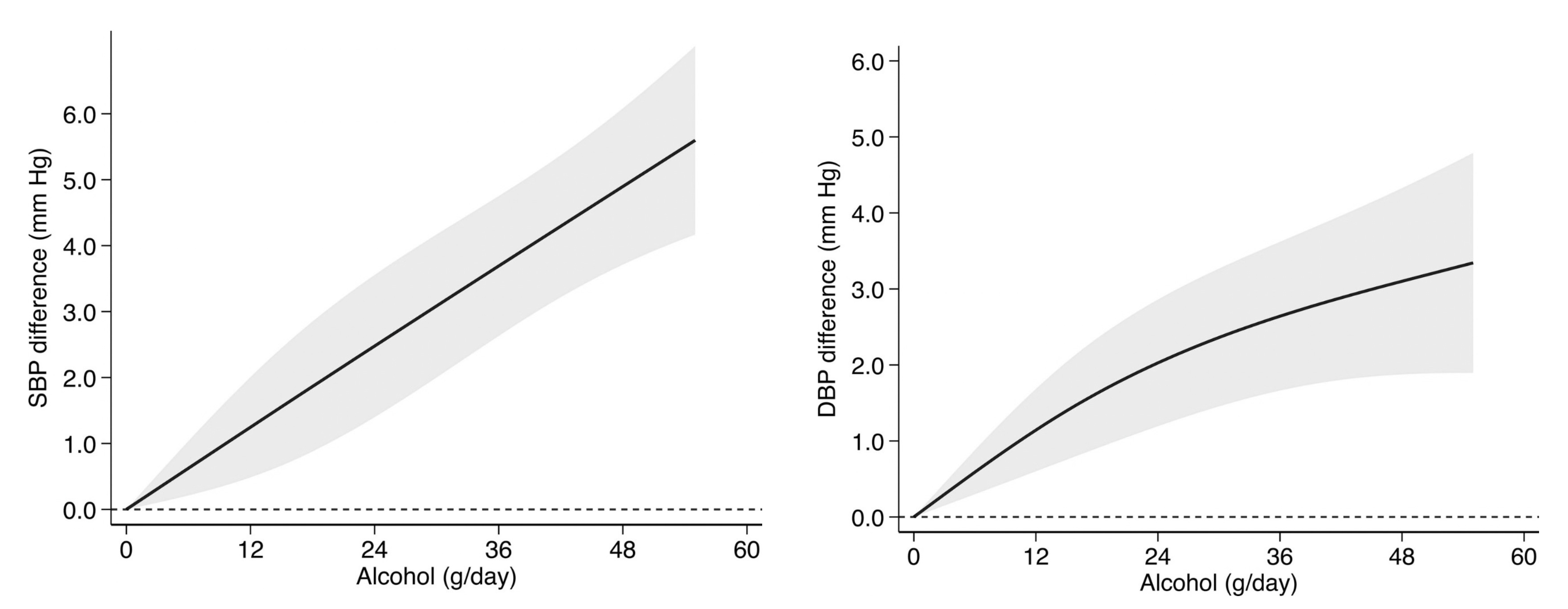
Di Federico 2023 (Hypertension): 19k+ people. Compared to no alcohol: 1 drink/day → +1.25/+1.14 mmHg. 4 drinks/day → +4.9/+3.1 mmHg. The effect continued to rise without a threshold.
Protocol
Default to zero until your BP is fully dialed in
Once controlled, opt for 1) 1–3 drinks per week & 2) 6+ hrs before bed
If you really want to gauge the impact on cardiovascular health, two things to look at: 1) sleep efficiency after drinking & 2) BP measurement the morning after
#8: Control sleep apnea
Why it works
Sleep apnea nukes cardiovascular health over time.
Airway tightens → O2 drops & CO2 builds → adrenaline & noradrenaline increase → less NO→ BP spikes with each event (hundreds of times/night)
Best evidence
Chirinos 2014 (NEJM): 181 obese adults with OSA over 24 weeks. SBP changes: CPAP alone −3.0, weight loss alone −6.8, both −14.1 mmHg.
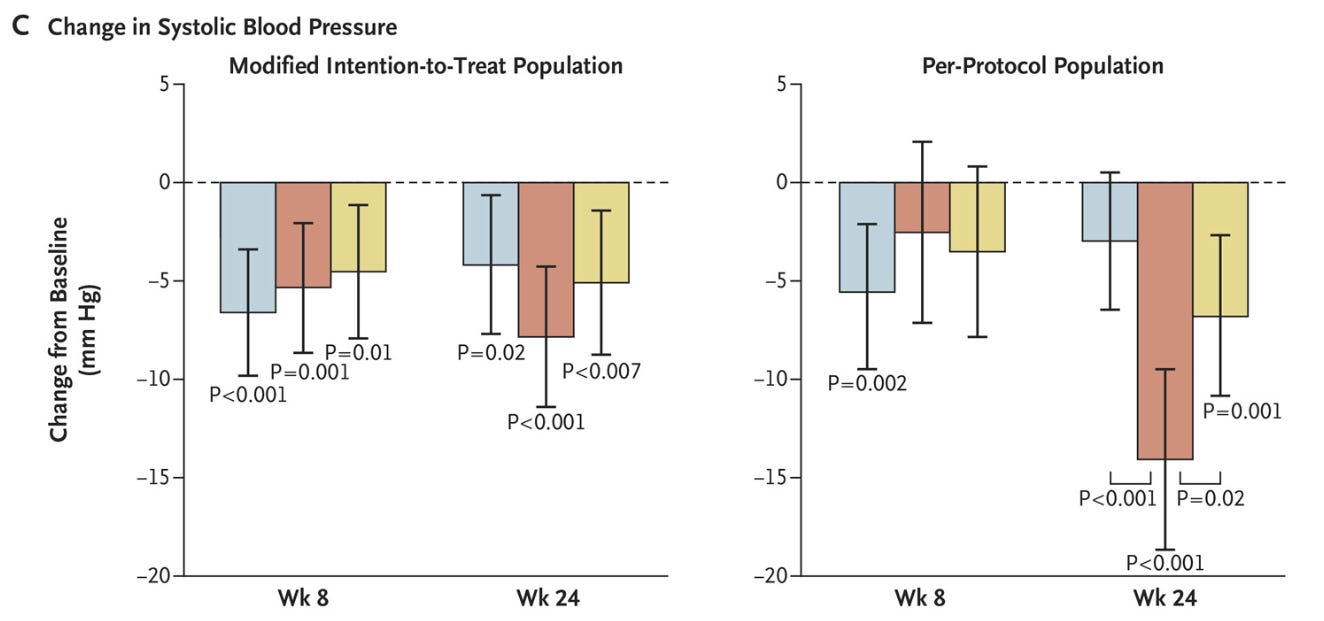
Gottlieb 2014 (NEJM): CPAP lowered average BP by 2.4 mmHg, while supplemental oxygen did not.
Protocol
A screening is high ROI if you have: loud snoring, prolonged breath pauses, AM headaches / cramping, afternoon fatigue, a thick neck, resistant hypertension across the day or you’re on TRT.
Get lean → Men under 15% body fat. Women under 25%.
#9: Restorative sleep
Why it works
Adequate doses of slow-wave & REM sleep = parasympathetic system dominance & subsequent blood pressure drop overnight
Poor sleep efficiency → elevates noradrenaline levels → fails to give blood vessel lining the relaxation it needs for proper rebuild
Best evidence
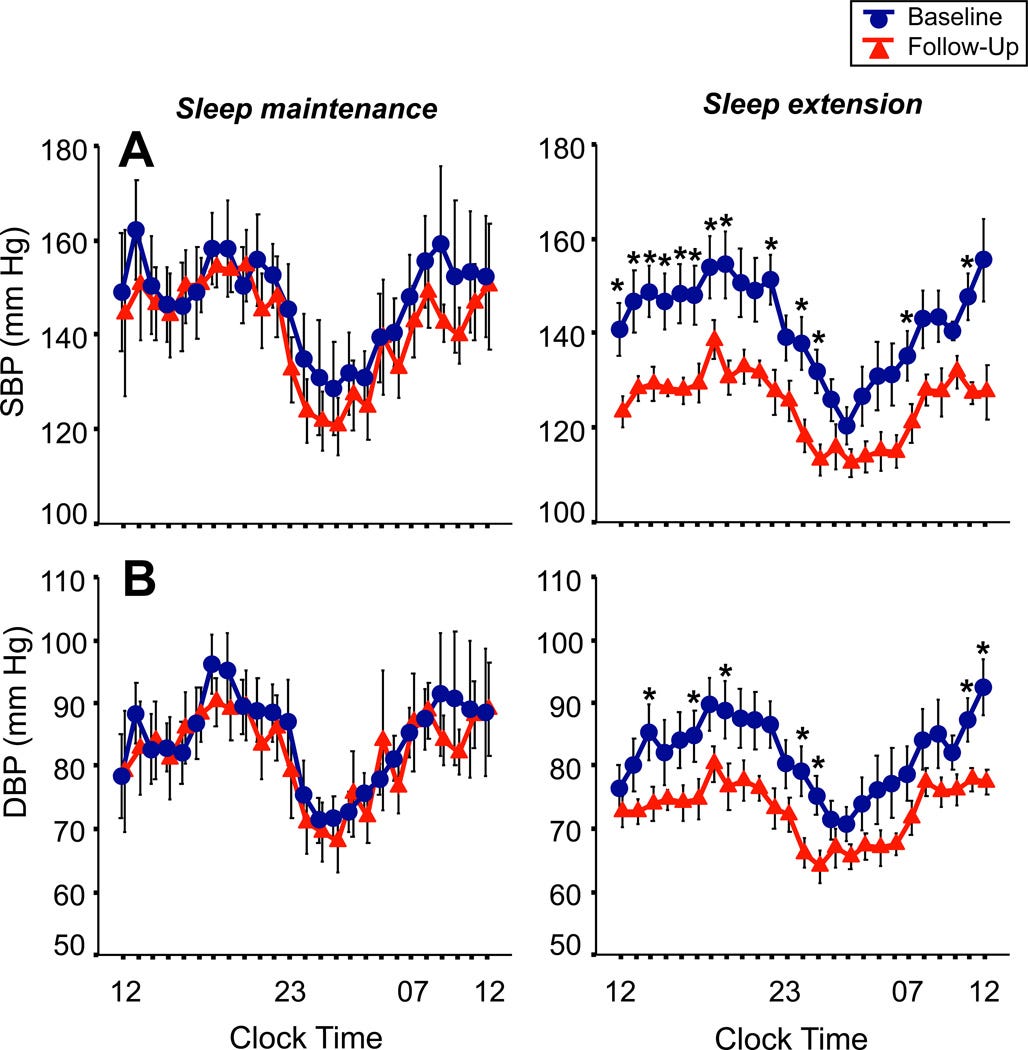
Haack 2013 (J Sleep Res): 22 short sleepers with elevated BP. After 6 weeks of an additional 35 min of sleep/night:
SBP → -14 mmHg
DBP → -8 mmHg
Protocol
7–8 hours + 25% time in deep sleep + in bed before 10 PM + same wake time within ~30 min
Leverage a wearable if you need a baseline for where your sleep is at. Then curtail usage…don’t be neurotic and don’t get married to the data
#10: Circadian regulation
Why it works
Every system is governed by clocks & rhythms.
AM light sets the brain clock for a cortisol awakening response & acute rise in BP.
PM darkness triggers further pineal melatonin secretion & gets the foot off the sympathetic gas.
Best evidence
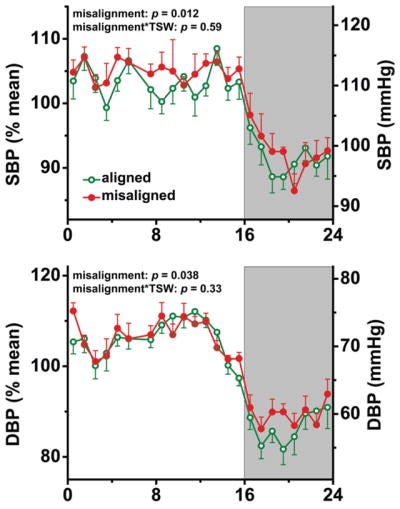
Morris 2017 (J Biol Rhythms): Chronic shift workers in a randomized crossover.
Misalignment raised 24-h SBP by 1.4 mmHg & DBP by 0.8 mmHg within 72 hrs
Protocol
Bright, early mornings → outdoor light within 30 min of sunrise
Dark, early nights → in bed before 10 PM with dim warm light post sunset
Maintain consistency for meal timings on day-to-day basis
Sleep regularity is as important (if not more) than sleep efficiency/quality
#11: Magnesium
Why it works
A micronutritional calcium channel blocker.
Mg competes with calcium in vascular smooth muscle allowing vessels to vasodilate. Also a cofactor for the sodium-potassium pump…along with ~1k other processes in the body.
Best evidence
Argeros 2025 (Hypertension): 38 RCTs & 2.7k+ people. Median intake of 365 mg/day for 3 months.
SBP → -2.8 mmHg
DBP → -2.1 mmHg
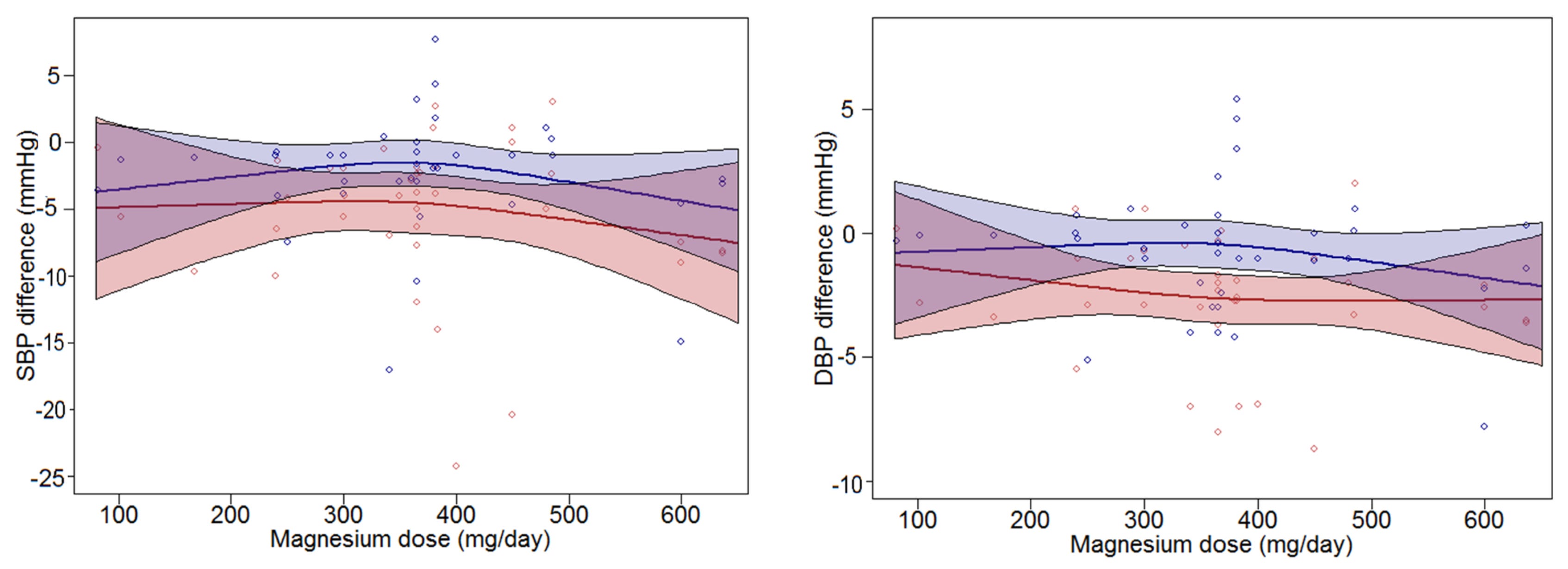
Dibaba 2017 (AJCN): For the insulin resistant, magnesium’s effect doubles.
SBP → −4.2 mmHg
DBP → −2.3 mmHg
Protocol
Work up gradually to 4–6 mg/lb BW (spread across day) → the more stressed + higher nnEMF + higher blue light concentrated environment you’re in, the higher the requirement
Aim for RBC magnesium levels > 6.5 mg/dL
Full breakdown on forms, dosing & timing:

#12: Toss the mouthwash
Why it works
It does what it promises: kills 99.9% of germs…including the beneficial bacteria needed to stimulate our endogenous nitric oxide production.
Best evidence
Kapil 2013 (Free Radic Biol Med): 19 healthy adults on twice-daily chlorhexidine mouthwash for 7 days. BP immediately rose 2–3.5 mmHg.
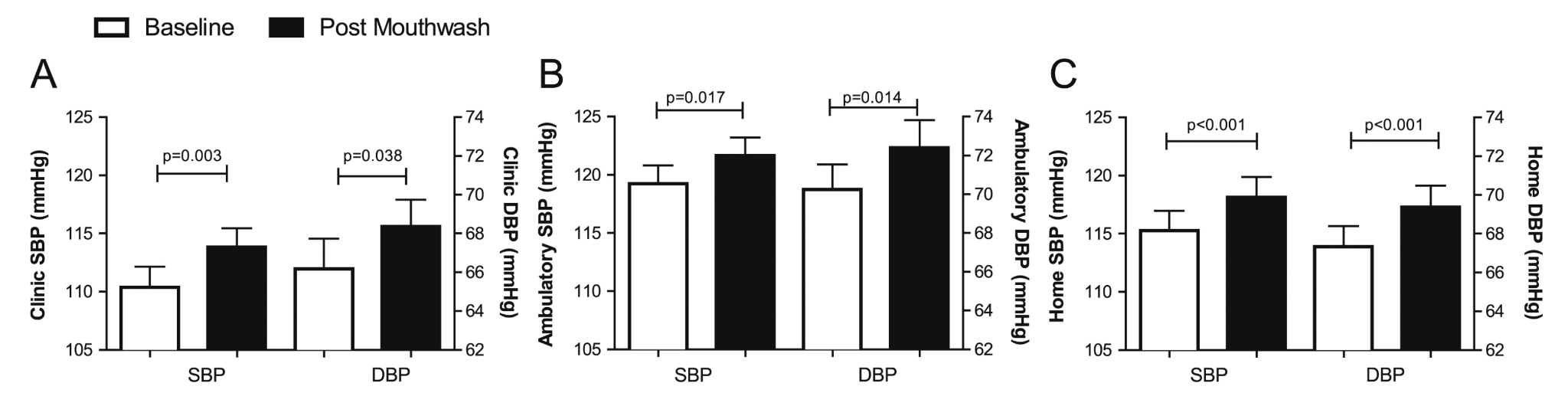
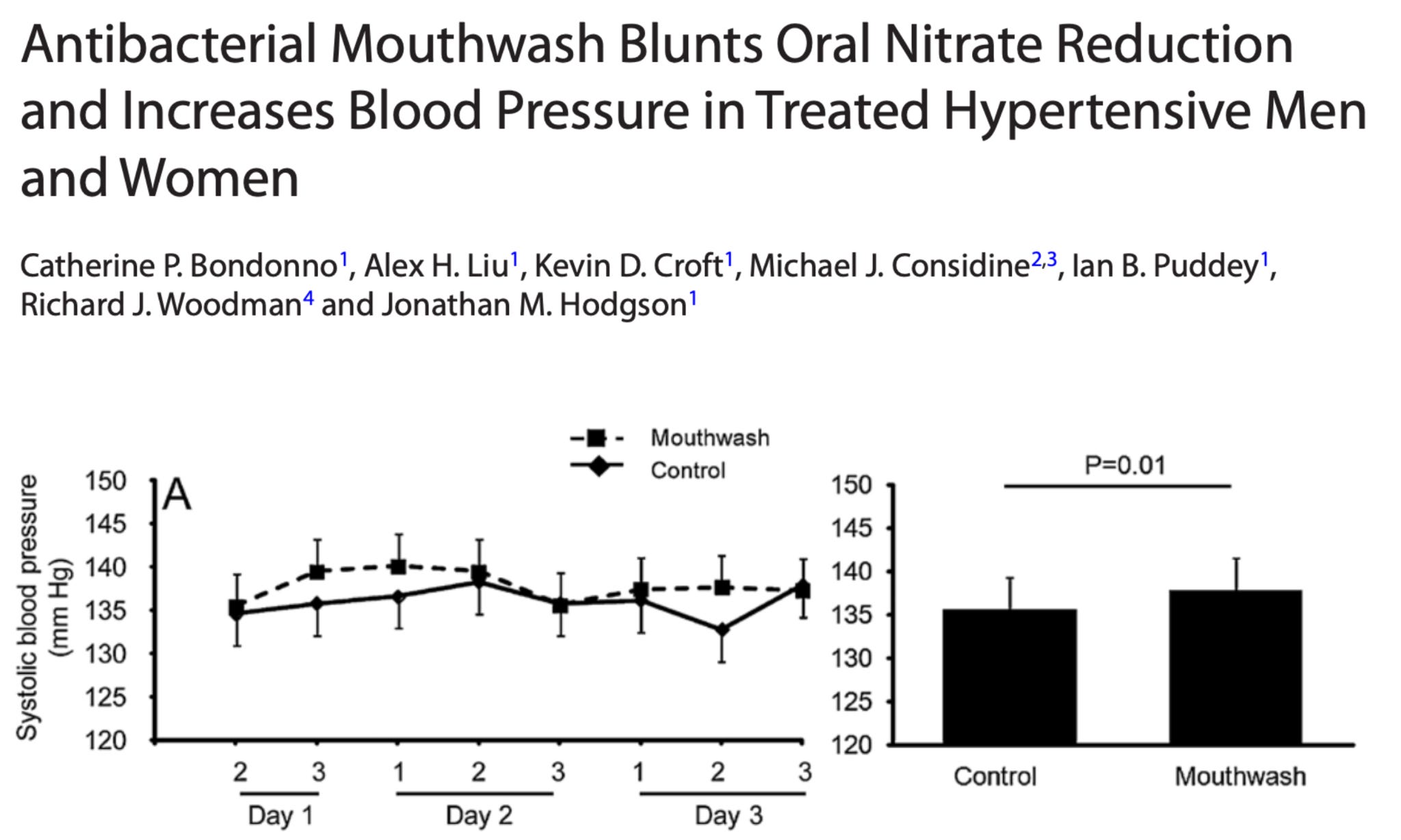
Bondonno 2015 (Am J Hypertens): 3 days of antibacterial mouthwash blunted oral nitrate reduction & raised SBP 2.3 mmHg vs water.
Protocol
Brush with a nano-hydroxyapatite tablet or paste + floss + tongue scrape instead
Include daily nitrate-rich foods: arugula, spinach, beets, celery
If you’re insisting on using a rinse — oil pulling with coconut oil, black seed oil, or propolis are better bets
#13: Resistance training
Why it works
The prescription for lean mass is progressive overload (over the course of decades).
More muscle provides a greater glucose sink with better insulin sensitivity, less sodium retention, & lower sympathetic drive in the evenings.
Best evidence
MacDonald 2016 (JAHA): 64 studies & 2.3k+ people. In adults with hypertension, resistance training alone:
SBP → −5.7 mmHg
DBP → −5.2 mmHg
Naci 2019 (BJSM): Across 391 RCTs, lifting was on par with common medications in lowering BP. Lifting + cardio = winning formula (again).
Protocol
Progressive overload = king
Whether you’re cutting, bulking, recomp’ing…always pair with sufficient levels of cardio movement
#14: Vesugen (KED)
Why it works
A 3-amino-acid bioregulator designed to target vascular endothelium.
Binds DNA in endothelial cells → restores expression of proliferation genes (Ki-67) that decline with age → renews the vessel lining
Best evidence
Kitachev 2014 (Advances in Gerontology): 41 men with vasculogenic erectile dysfunction as a stand-in improved penile artery flow on Vesugen therapy alone.
Kozlov 2016 (Advances in Gerontology): Vesugen normalized endothelin-1 (vasoconstrictor), restored connexin, & raised sirtuin-1 (vasodilators) in atherosclerotic endothelium.
Protocol
Cycle for 20–30 days
Start at minimum viable dose of 1 mg daily (in the AM) → track BP daily → increase to 3–4 mg as needed in next cycle
Aim for a high quality oral capsule source
#15: HIIT
Why it works
Highest return per minute on cardiovascular fitness.
Hard + short intervals → achieve peak stroke volume & shear stress bursts → arteries remodel → stiffness drops → VO2max rises → lowers the RHR & sympathetic drive
Best evidence
Edwards 2023 (BJSM): 270 RCTs across 15.8k people. HIIT showed significant improvements.
SBP → −4.1 mmHg
DBP → −2.5 mmHg
Li 2022 (Medicine): HIIT matched steady-state cardio on resting BP but beat it on daytime SBP (−4.14 mmHg).
Protocol
1–2 sessions/week to heighten the cardio pyramid, on top of the Z2/Z3 to build the base of the pyramid
My two favorite options:
Set the incline to 2%. Walk for 1 min. Jog for 1 min. Run 500 m at 85–95% max HR. Repeat for 6 total rds.
Assault bike for 10 ON / 30 OFF → 8–10 rds (can be done on rower as well)
If blood pressure is highly uncontrolled (130/90+), get it under control with daily low-intensity, low-impact Z2 first. Then incrementally add HIIT.
#16: Isometric training
Why it works
An easy mid workday intervention to interrupt prolonged sitting periods.
Sustained holds squeeze vessels shut → metabolites build in tissue → release & get a surge of blood flow & shear stress → delivers more nitric oxide
Best evidence
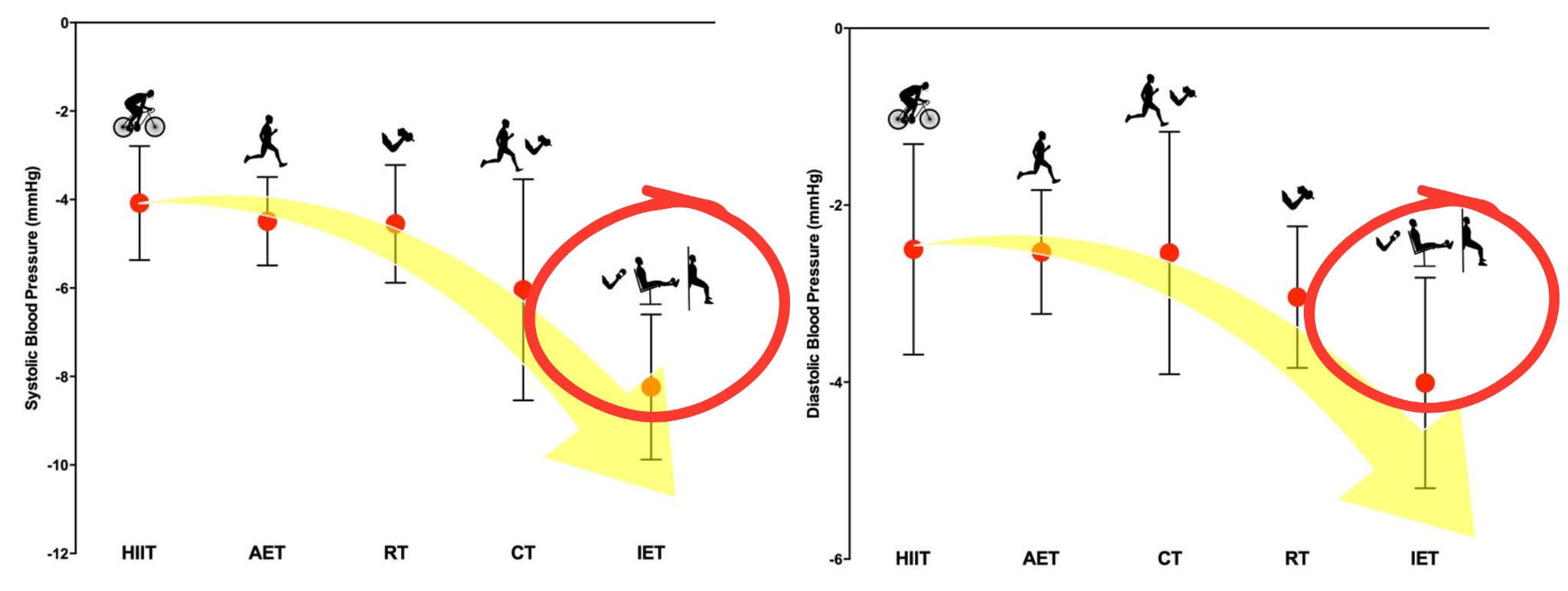
Edwards 2023 (BJSM): 270 RCTs & 15.8k people. Isometric training beat every other mode.
SBP → −8.2 mmHg
DBP → −4.0 mmHg
Protocol
Wall sits. Side planks. Front planks. Grip strengthener holds. Front-leaning rest. 6 inch leg hold (core).
Progressively overload with time.
#17: Hibiscus tea
Why it works
An herbal red tea that acts like a mild ACE inhibitor.
Anthocyanins in the tea block the conversion of angiotensin I → angiotensin II (the body’s main vessel-clamping signal) leading to less vasoconstriction & less fluid retention.
Best evidence
Serban 2015 (J Hypertens): Meta-analysis of 7 RCTs. Significant drops to both:
SBP → -7.6 mmHg
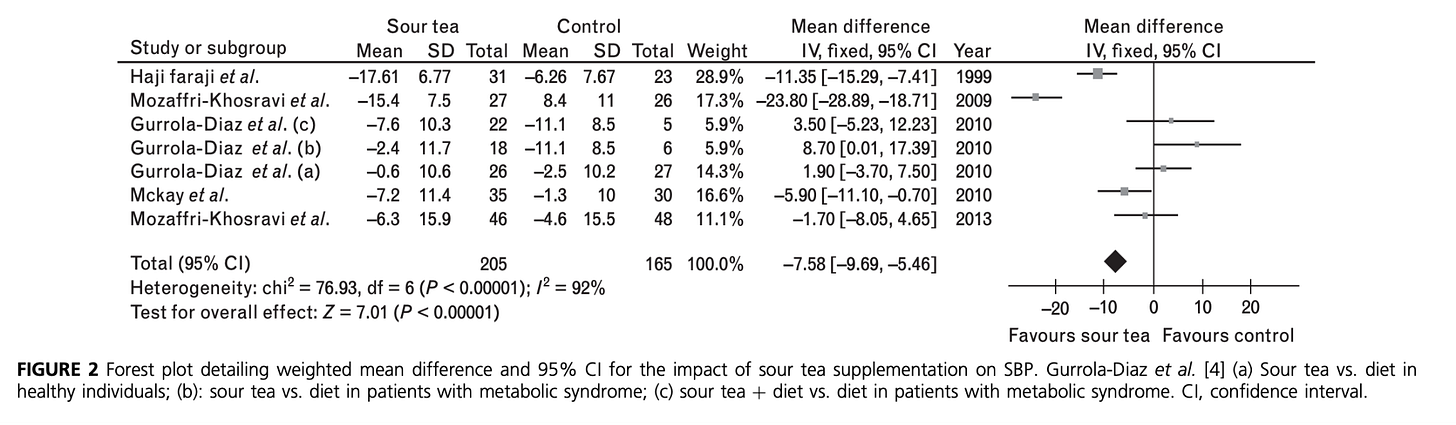
DBP → -3.5 mmHg
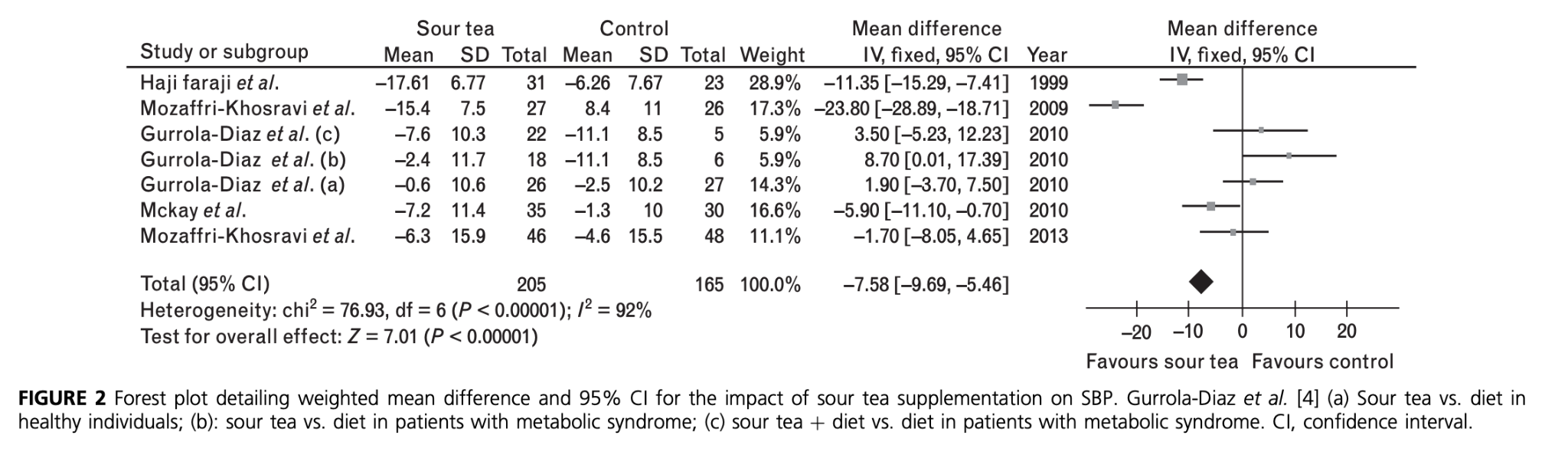
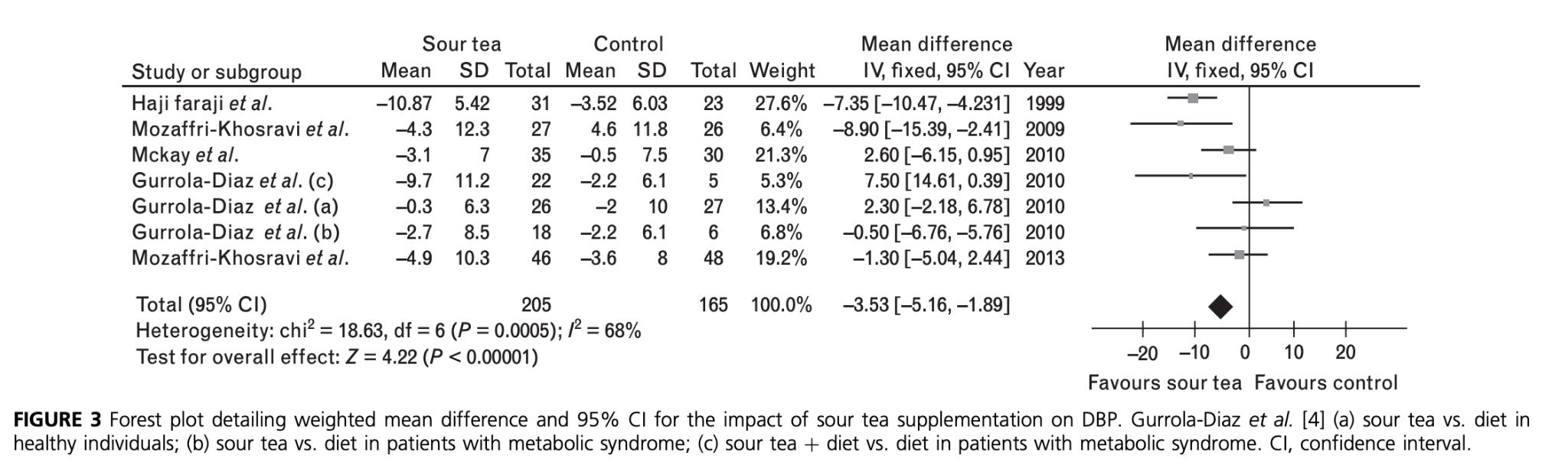
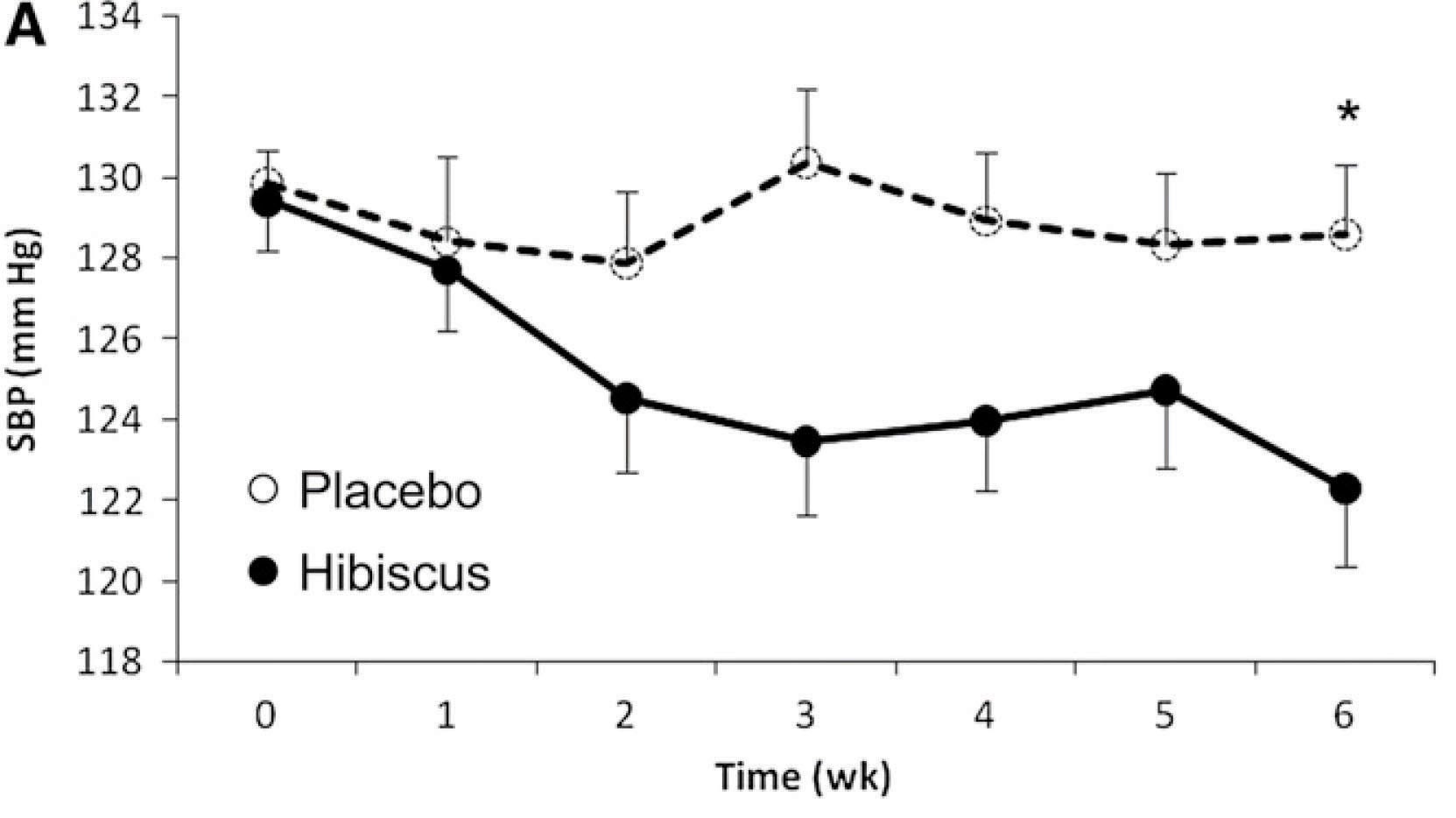
McKay 2010 (The Journal of Nutrition): 6-week clinical trial across 65 adults. 3 cups daily lowered SBP by ~7 mmHg.
Protocol
To have any impact, trial 2–3 cups/day for 6 weeks, steeped strong (dried calyces, not “hibiscus-flavored” blends), then reassess with home BP readings.
#18: Aged garlic extract
Why it works
Aging garlic converts its compounds into S-allylcysteine → boosts nitric oxide & hydrogen sulfide in the vessel wall → arterial stiffness drops
Best evidence
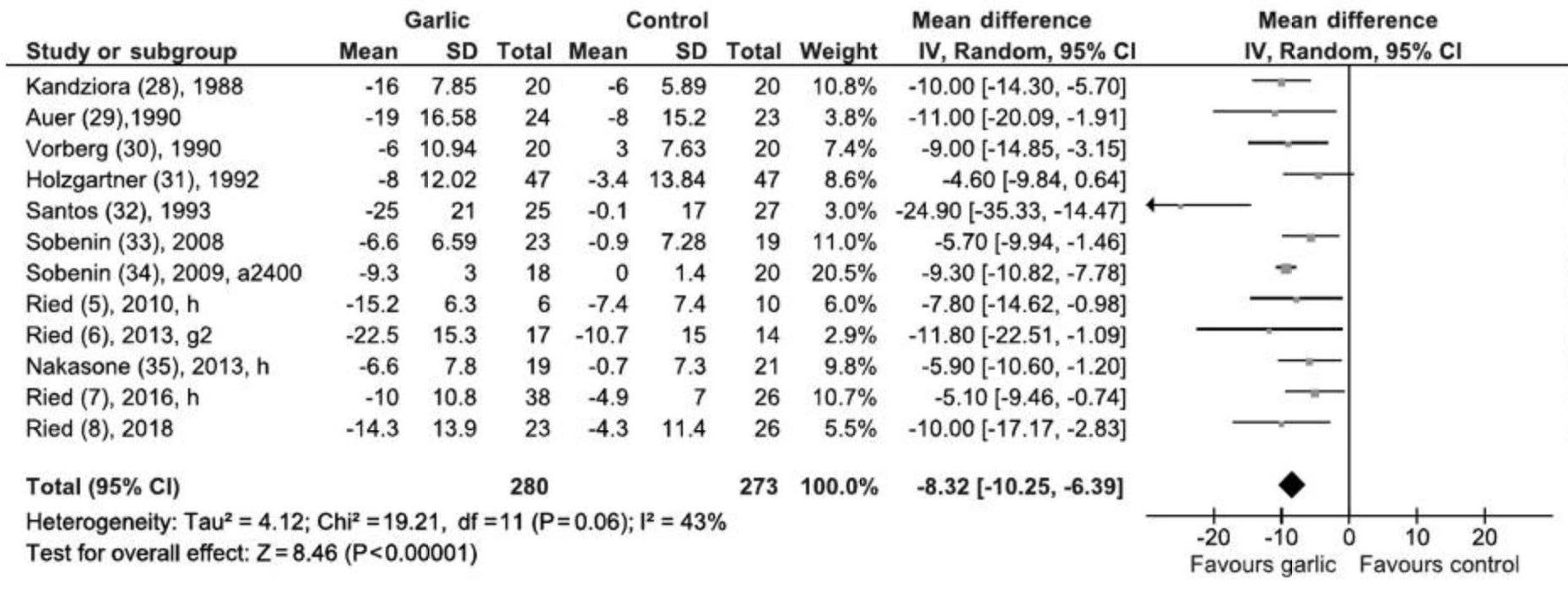
Ried 2020 (Exp Ther Med): 12 trials & 550+ people with hypertension.
SBP → -8.3 mmHg
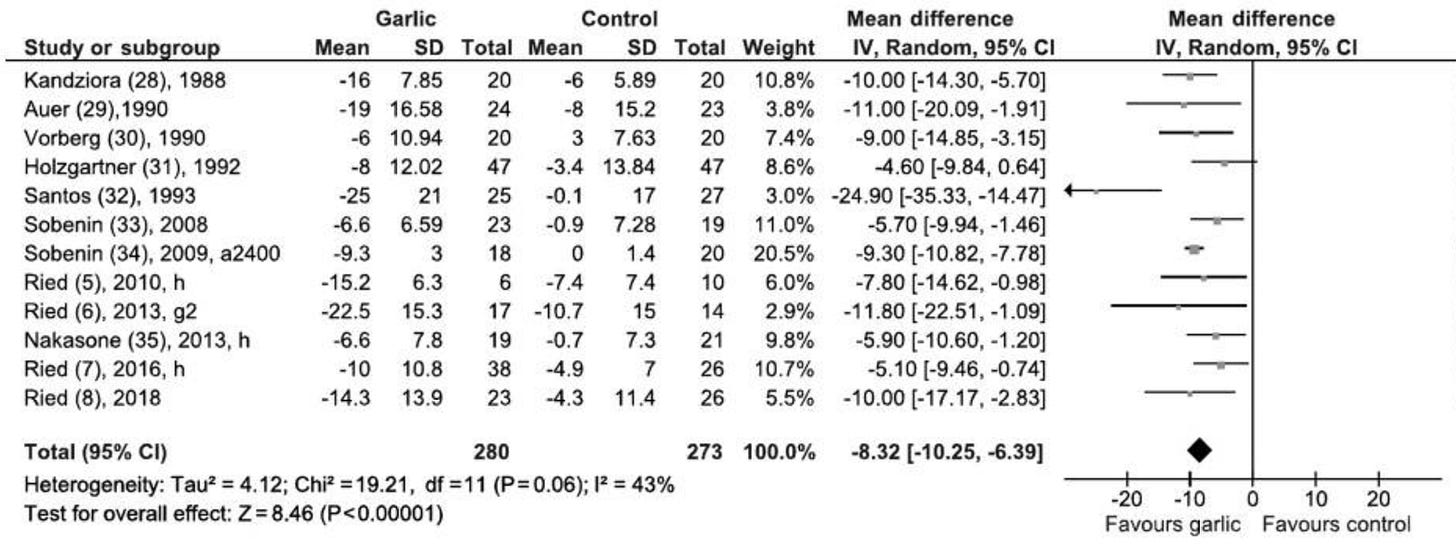
DBP → -5.5 mmHg

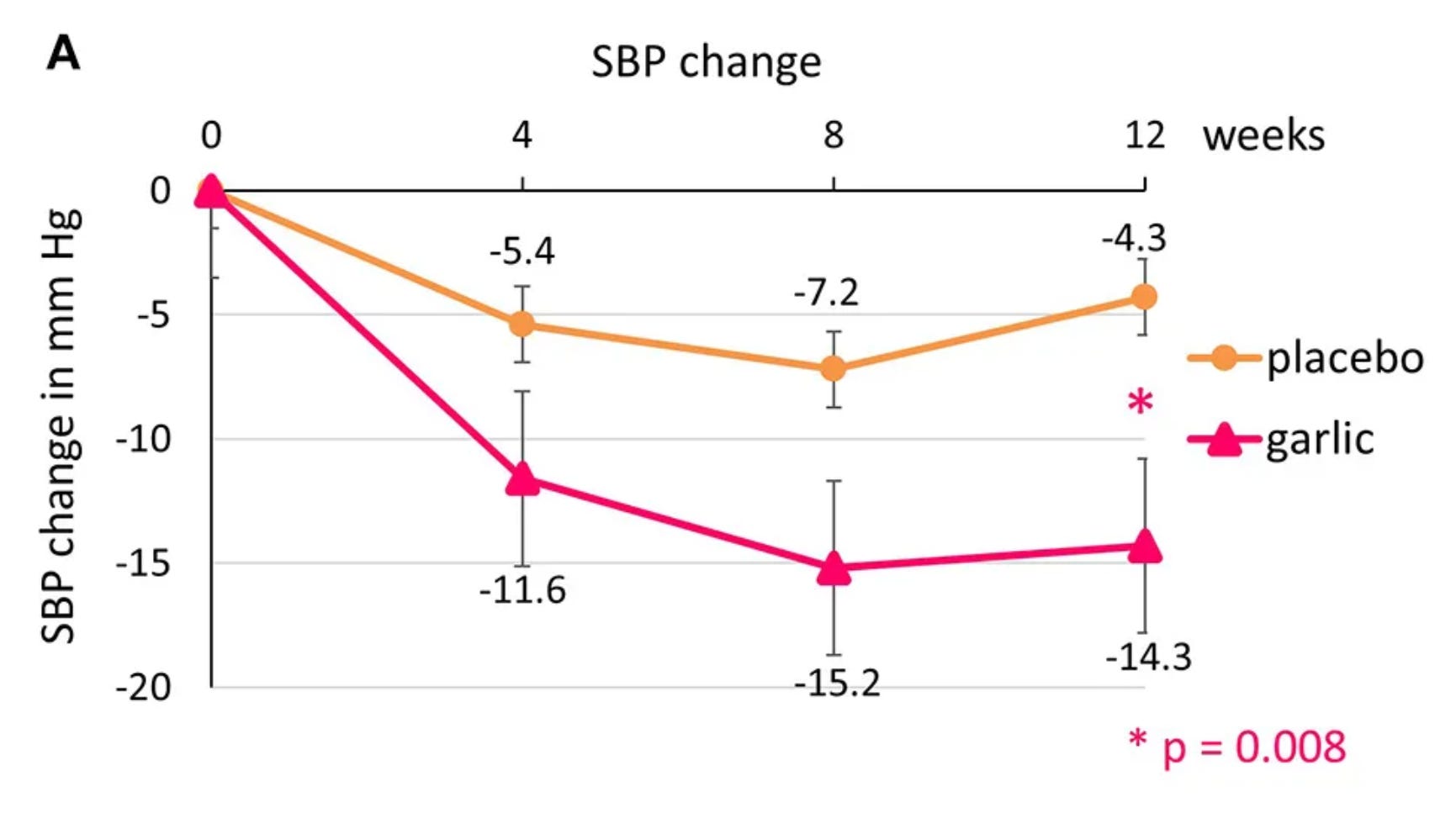
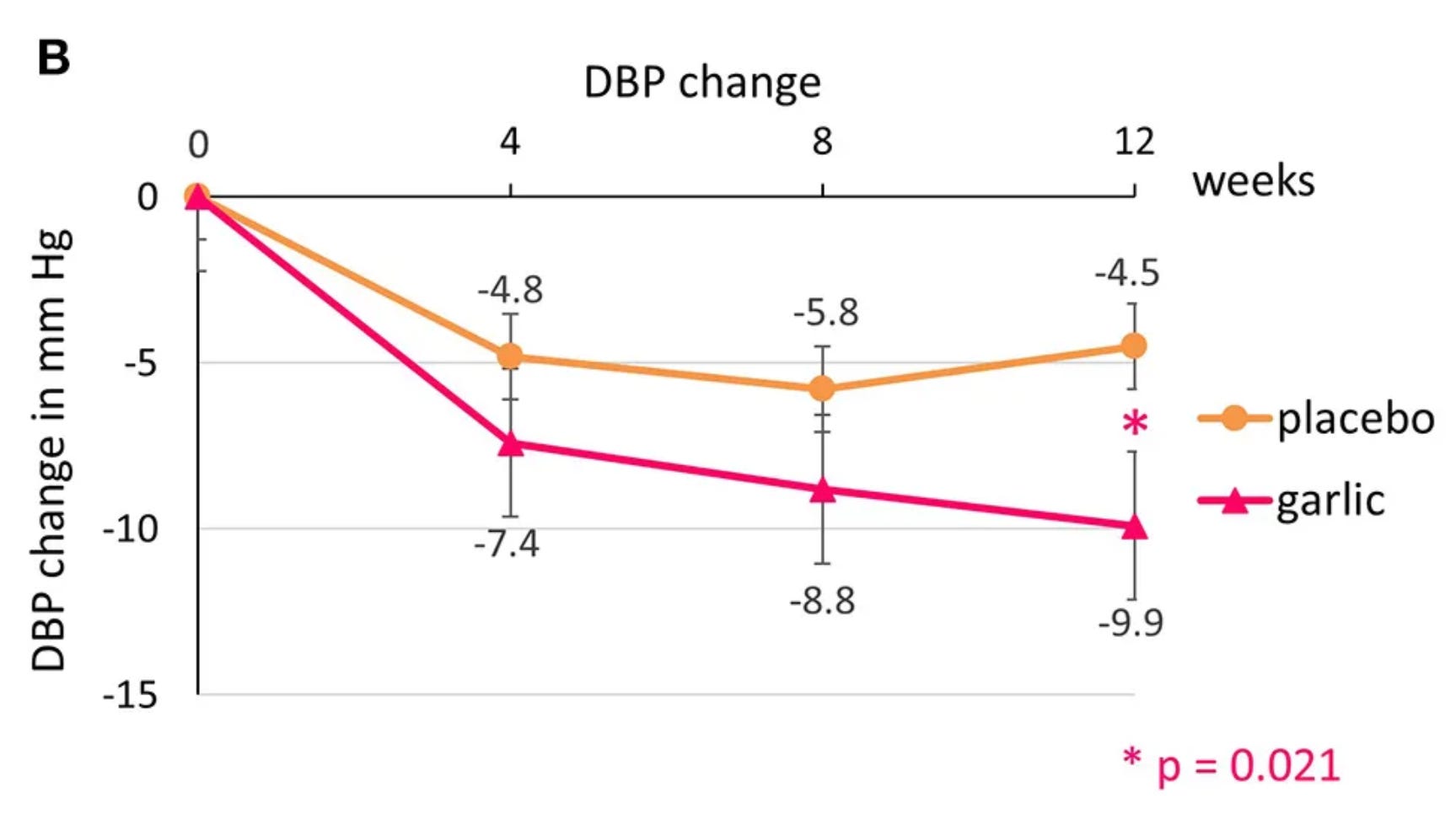
Ried 2018 (Front Nutr), “AGE at Heart”: 49 adults given 1.2 g over 12 weeks.
SBP → -14.3 mmHg
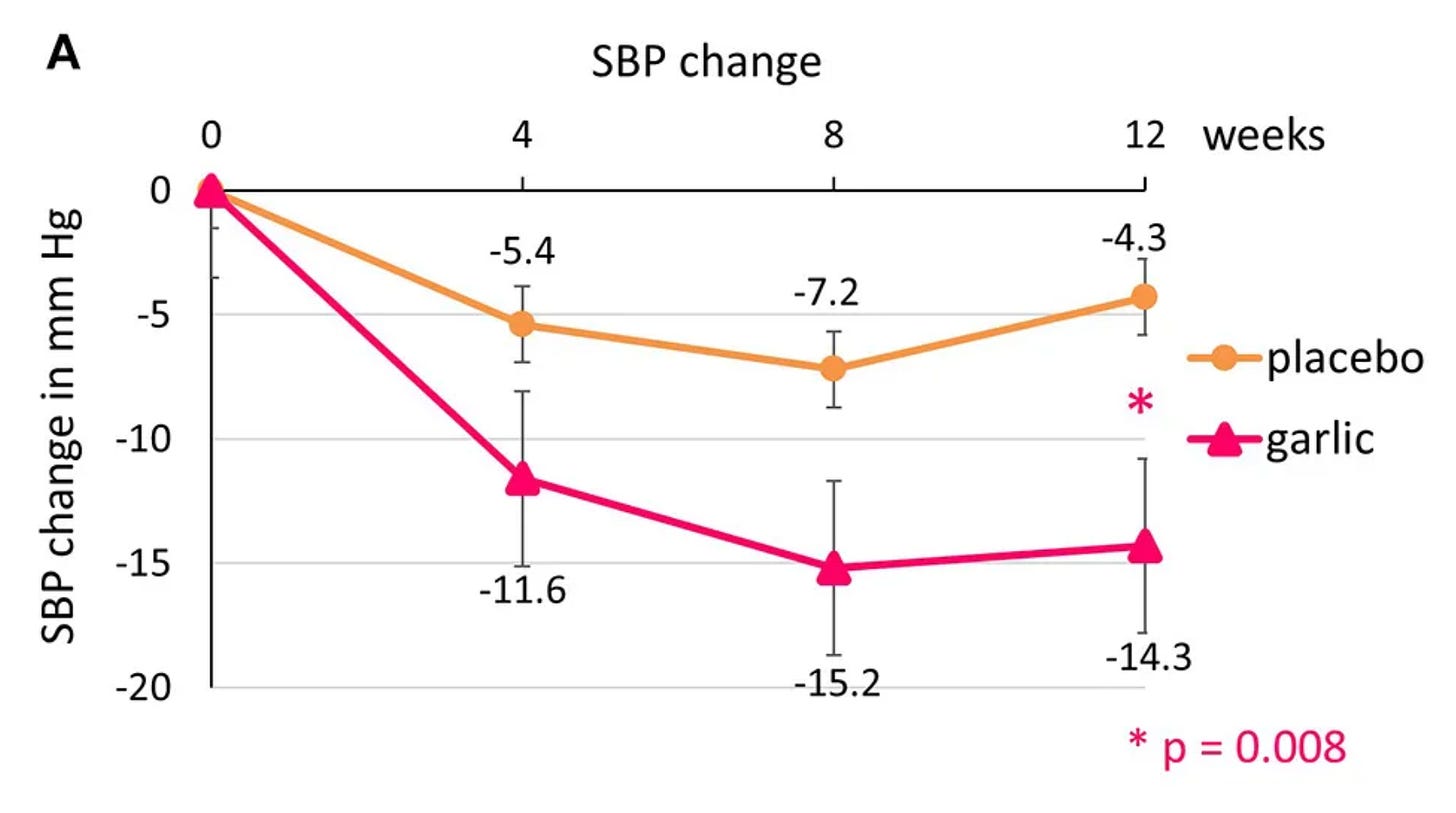
DBP → -9.9 mmHg
Protocol
1.5–2.0 g/day aged garlic extract for 12 weeks
Ensure it’s aged. Raw garlic & standard garlic powder contain different compounds.
#19: Taurine
Why it works
The most abundant free amino acid in the heart, and levels decline with age. Taurine raises hydrogen sulfide → vessel lining relaxes & dilates.
Best evidence
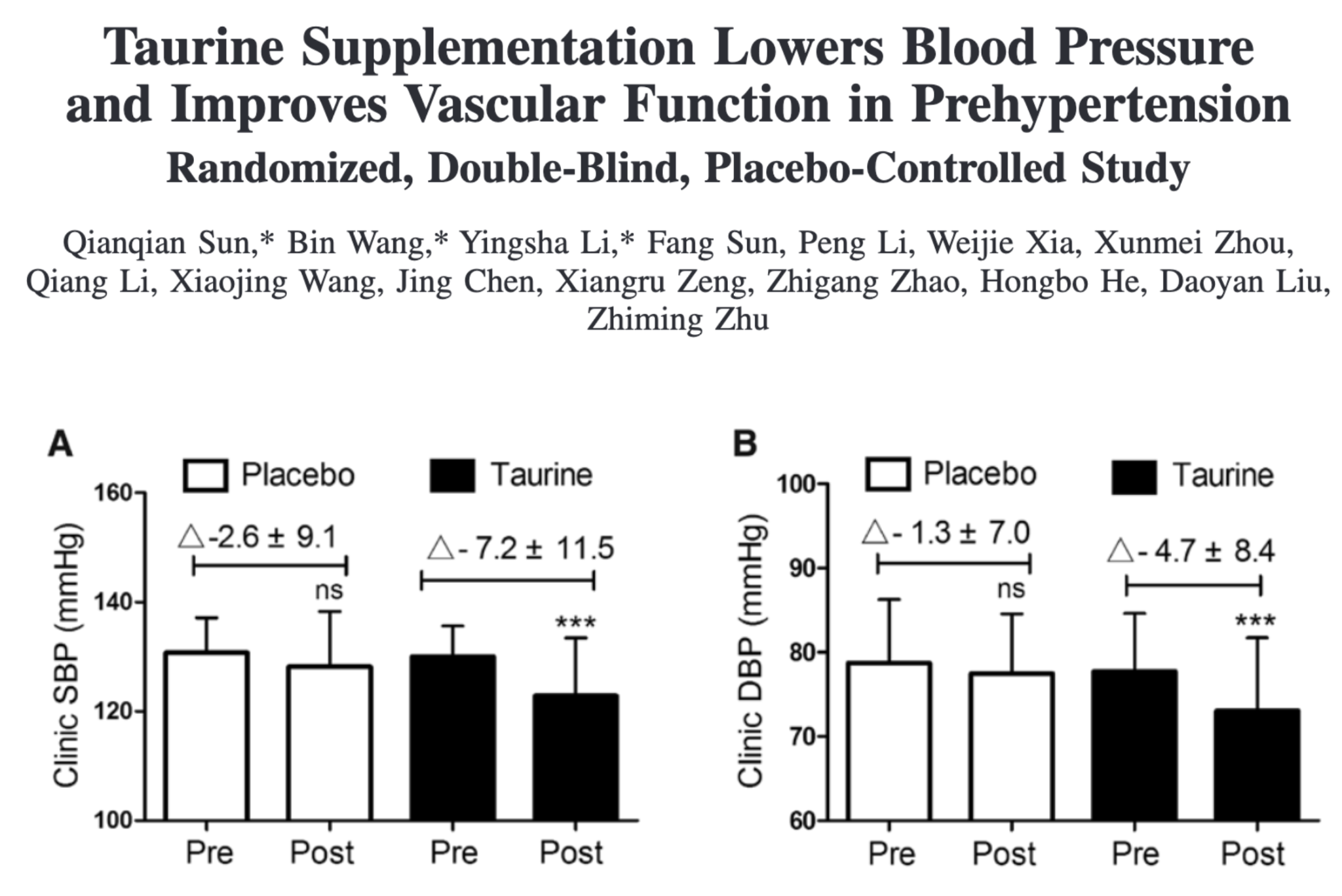
Sun 2016 (Hypertension): 120 adults taking 1.6 g/day for 12 weeks.
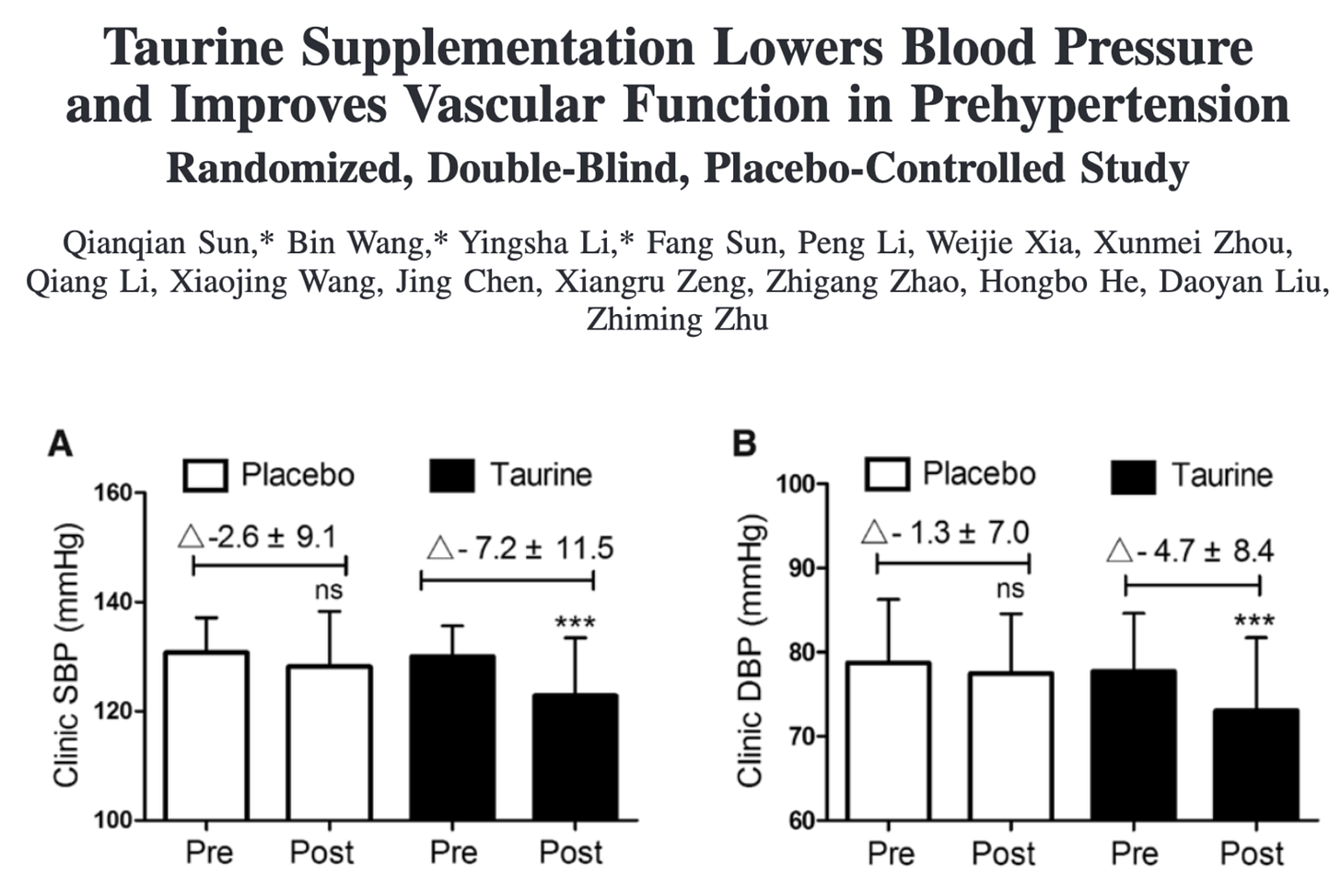
SBP → 7.2 mmHg
DBP → 4.7 mmHg
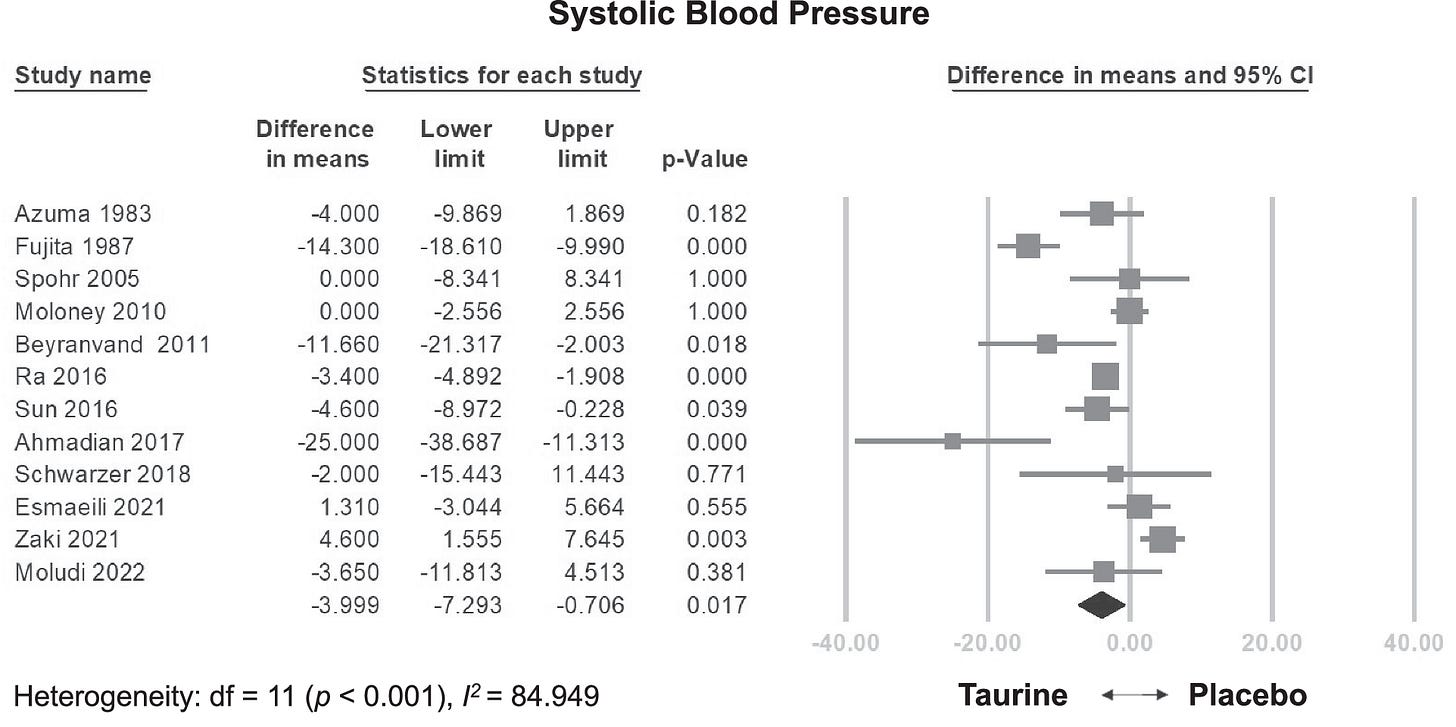
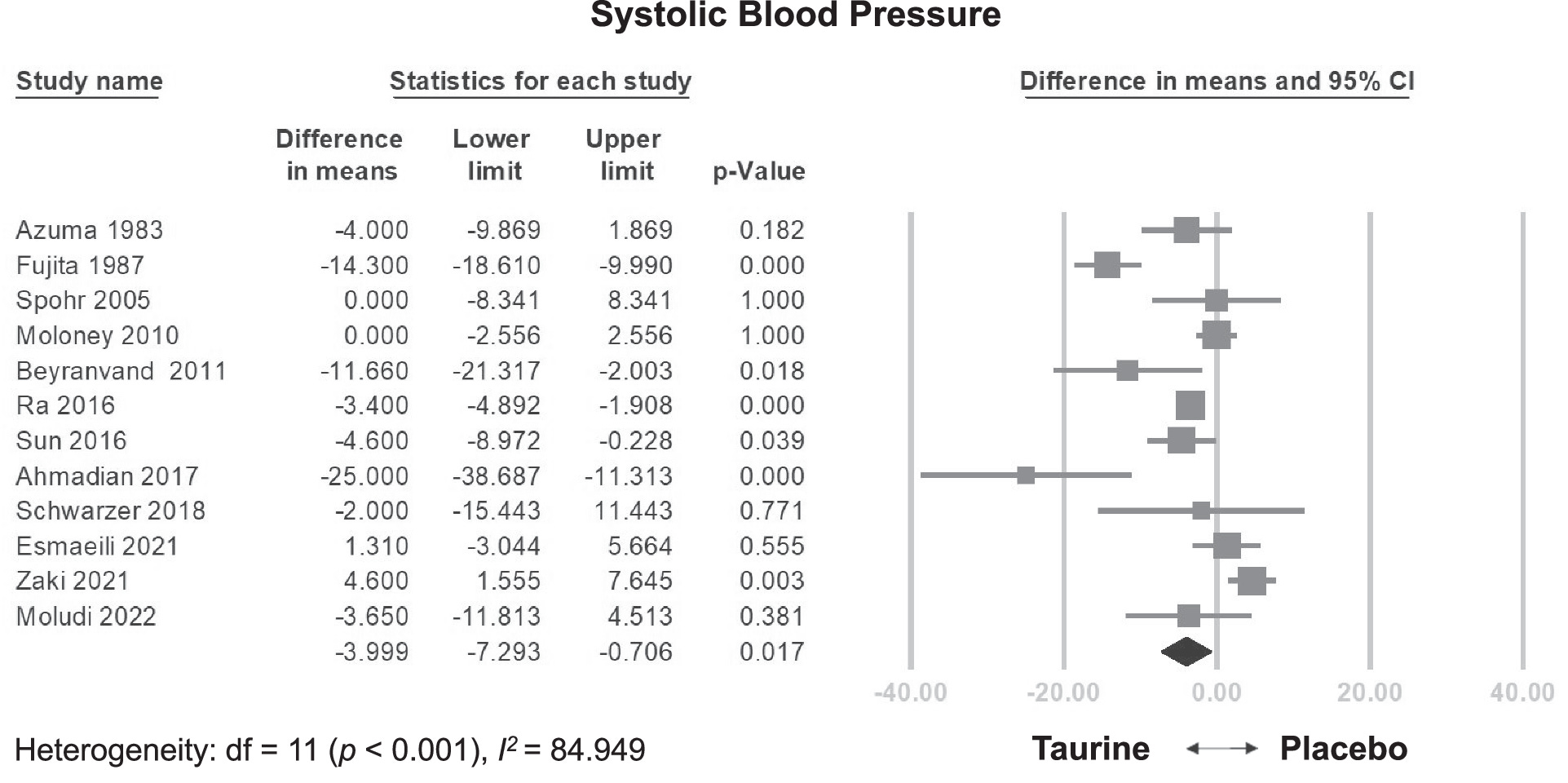
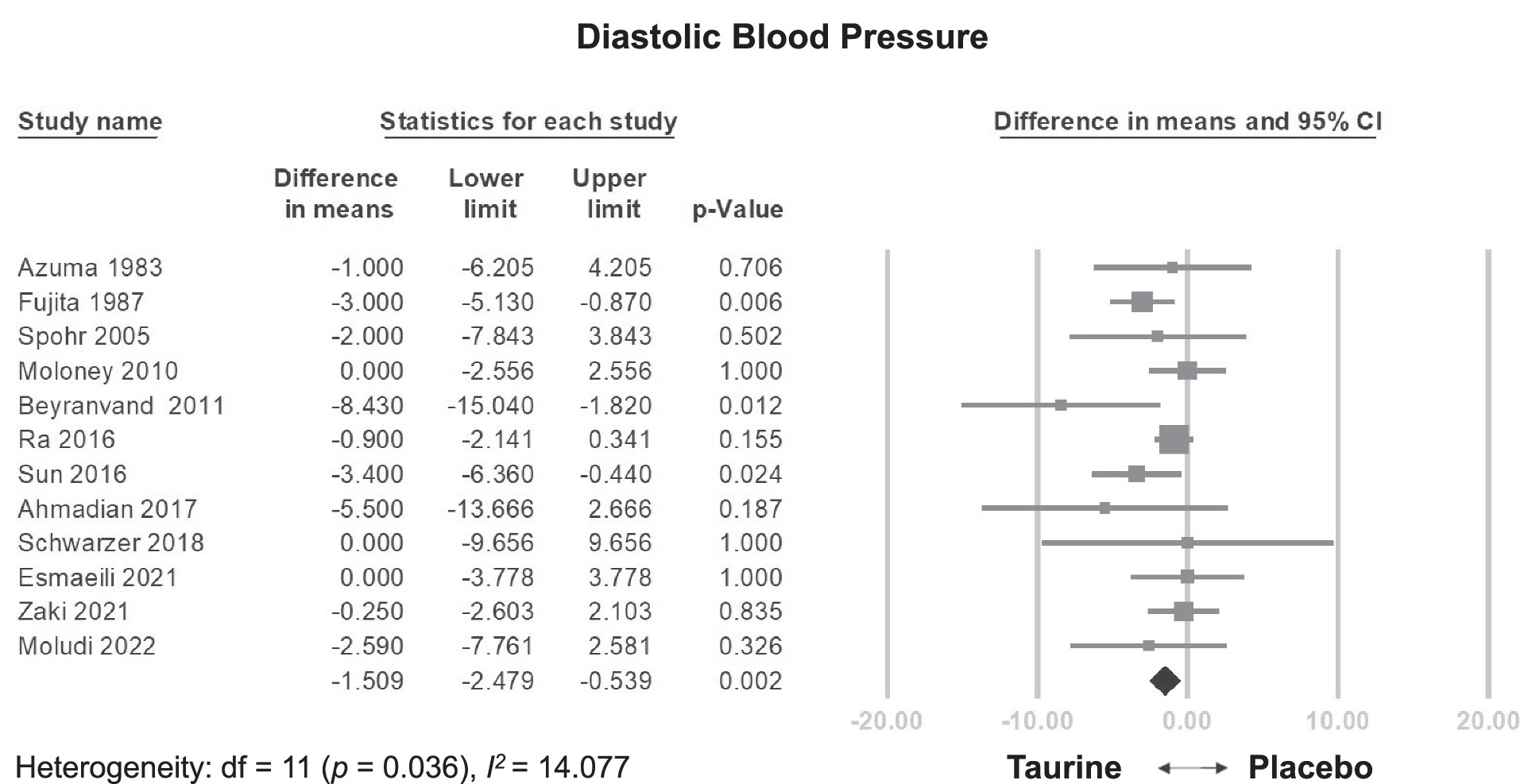
Tzang 2024 (Nutr Diabetes): A meta-analysis of 25 RCTs & 1k+ people.
SBP → -4.0 mmHg
DBP → -1.5 mmHg
Protocol
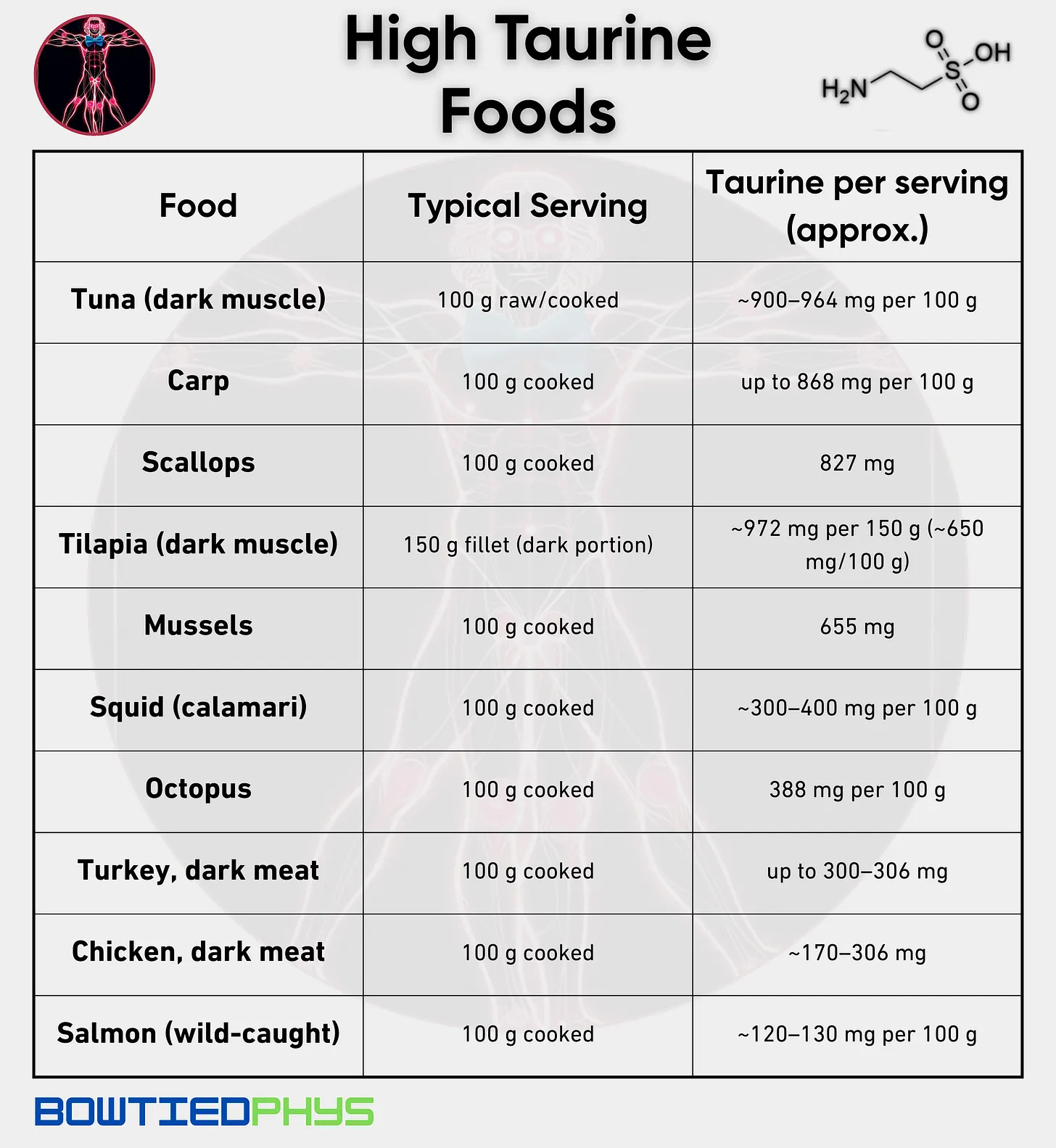
2–3 g/day for 12–16 weeks to start seeing potential impacts
Food first approach, then free form supplement
#20: Train the art of the slow breath
Why it works
Lowest hanging fruit style intervention (5 min/day)
Slow, controlled breaths tilt the autonomic nervous system from sympathetic to parasympathetic. Reduces catecholamine signaling, heart rate, & vascular tone.
Best evidence
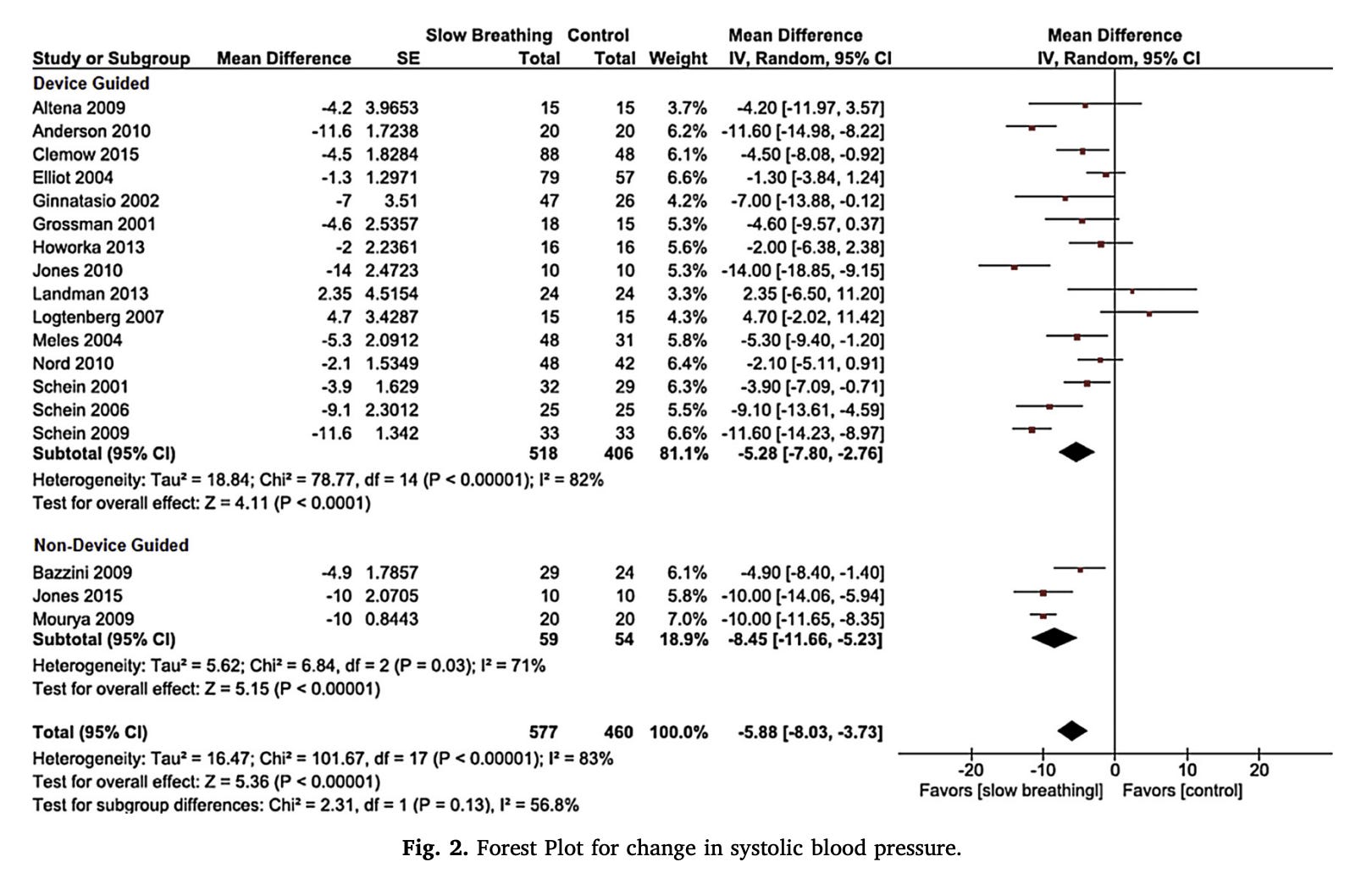
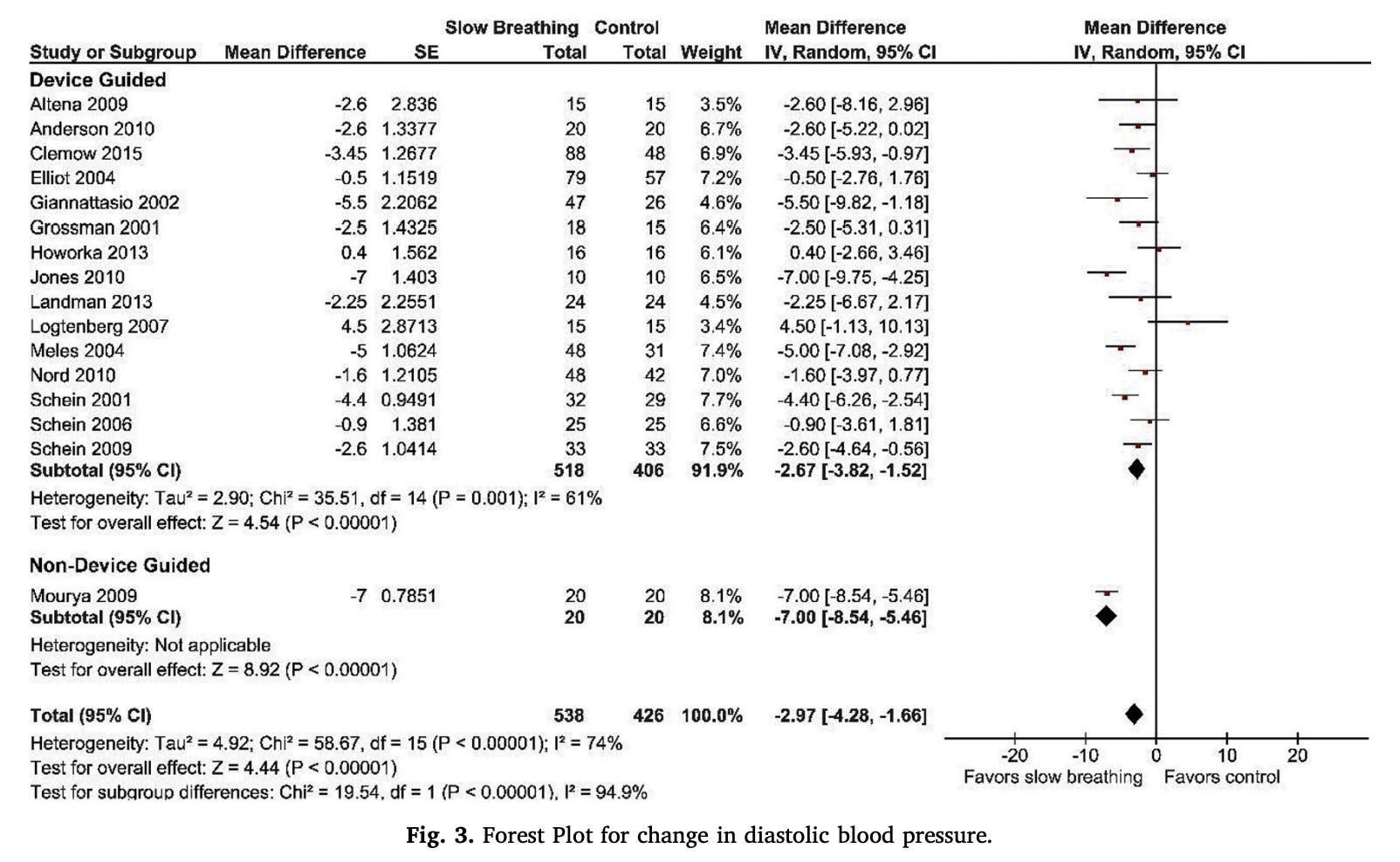
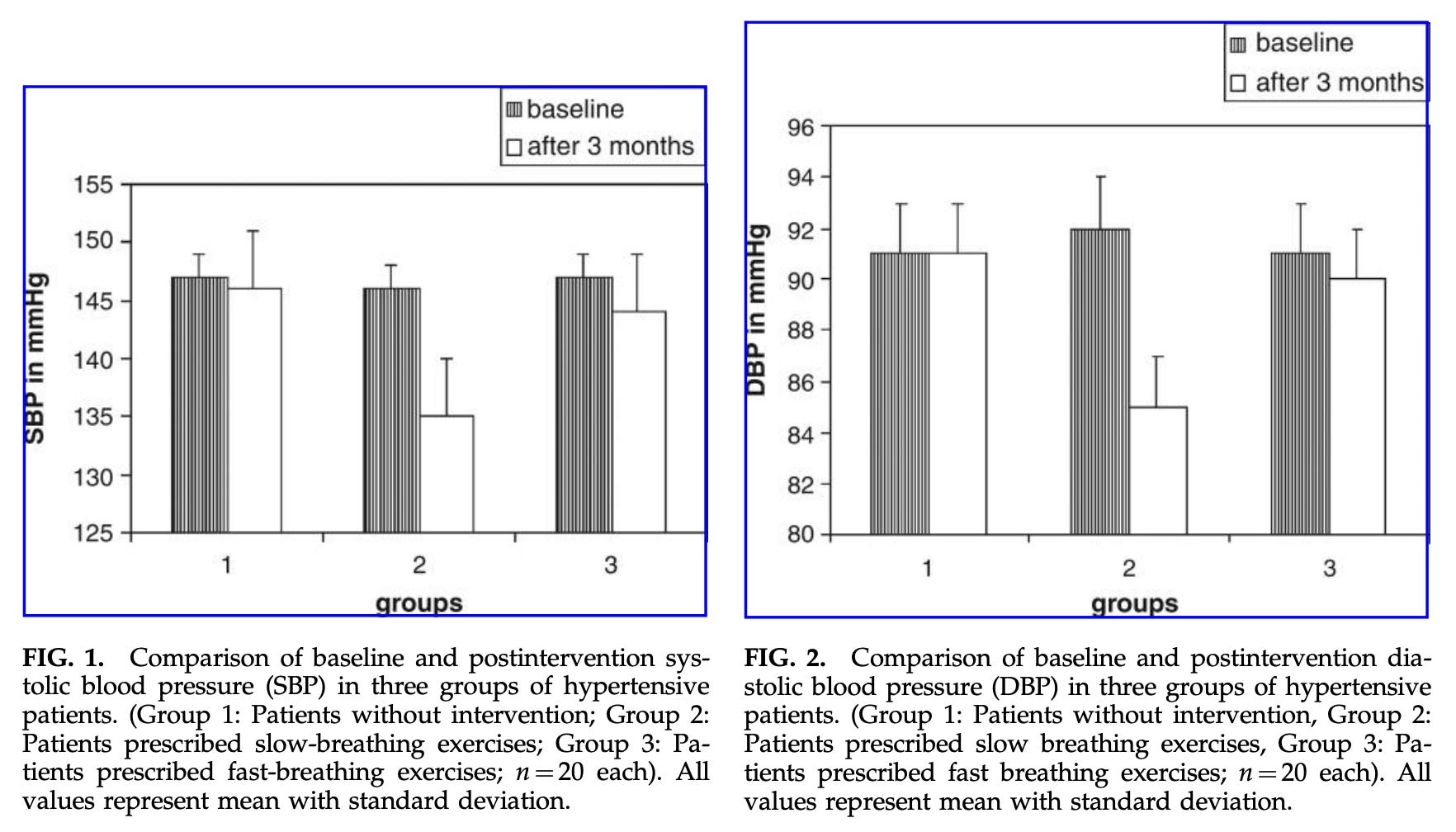
Chaddha 2019 (Complement Ther Med): 17 RCTs across people with high BP. Slow breathing (≤10 breaths/min).
SBP → -5.9 mmHg
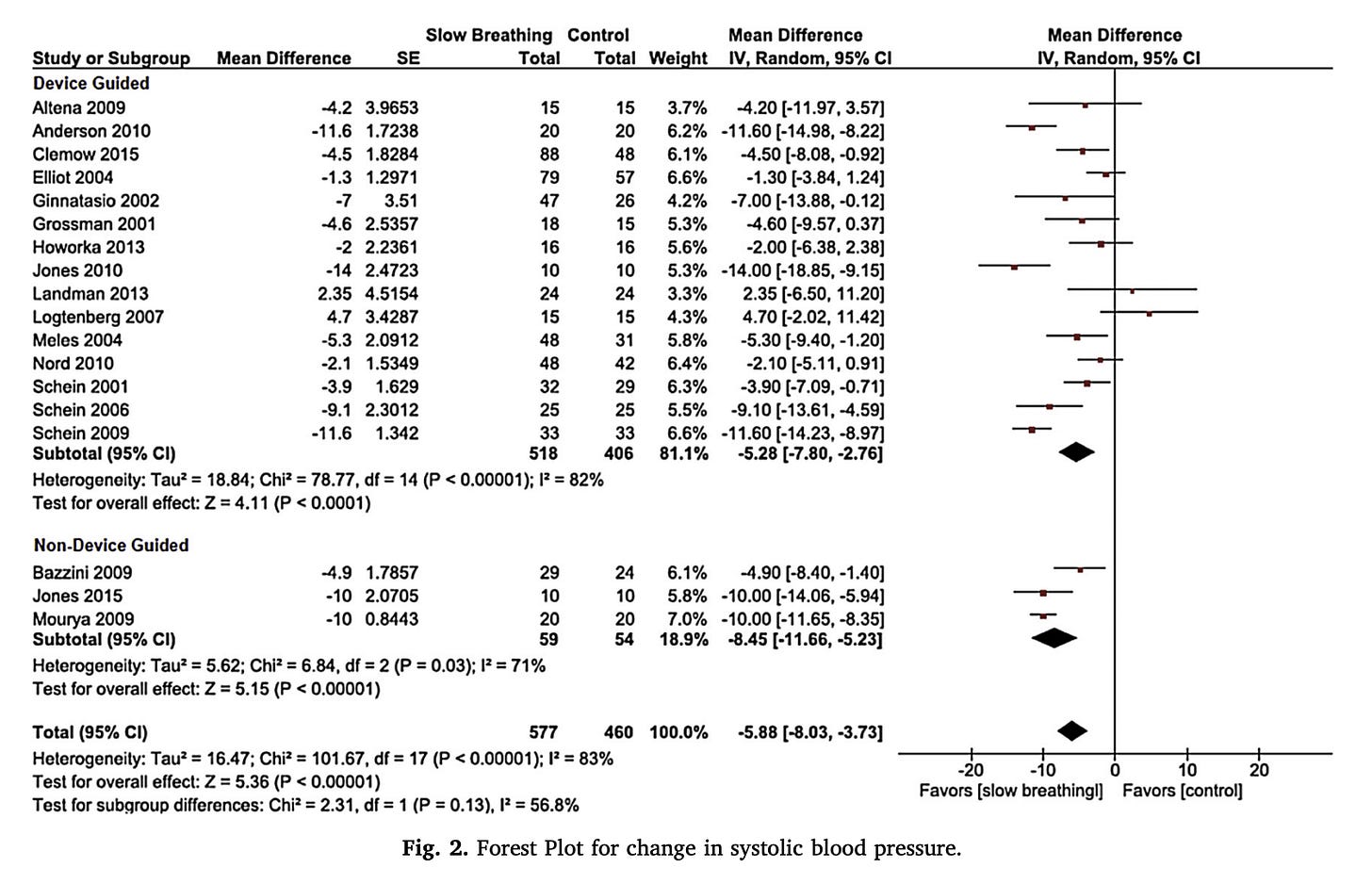
DBP → -3.0 mmHg
Mourya 2009 (Journal of Alternative and Complementary Medicine): 60 adult trials. Slow breathing exercises significantly lowered SBP & DBP over 3 months. Also significantly improved autonomic nervous system function.
Protocol
Vortex method breathing:
Cultivate: rapid diaphragmatic breathing to load CO₂ & warm the system.
Circulate: full inhale, full exhale, then breath hold on empty.
Concentrate: shift to 5-second in, 5-second out.
Cycle: awareness head to feet. (Video)
Practice what normal nasal breaths should be until it’s subconsciously programmed = 6 breaths/min (5 sec in / 5 sec out)
#21: Cocoa flavanols
Why it works
Epicatechin in cocoa signals an increase in endothelial nitric oxide production → vessels dilate
Best evidence
Ried 2017 (Cochrane): Robust meta-analysis of 35 trials across 1.8k people. Flavanol-rich cocoa reduced both SBP & DBP by -1.8 mmHg each.
Protocol
Prioritize flavanol content > cacao %. Look for products that list flavanols per serving (~500 mg+).
Unsweetened cocoa powder or cacao nibs = more flavanols per calorie
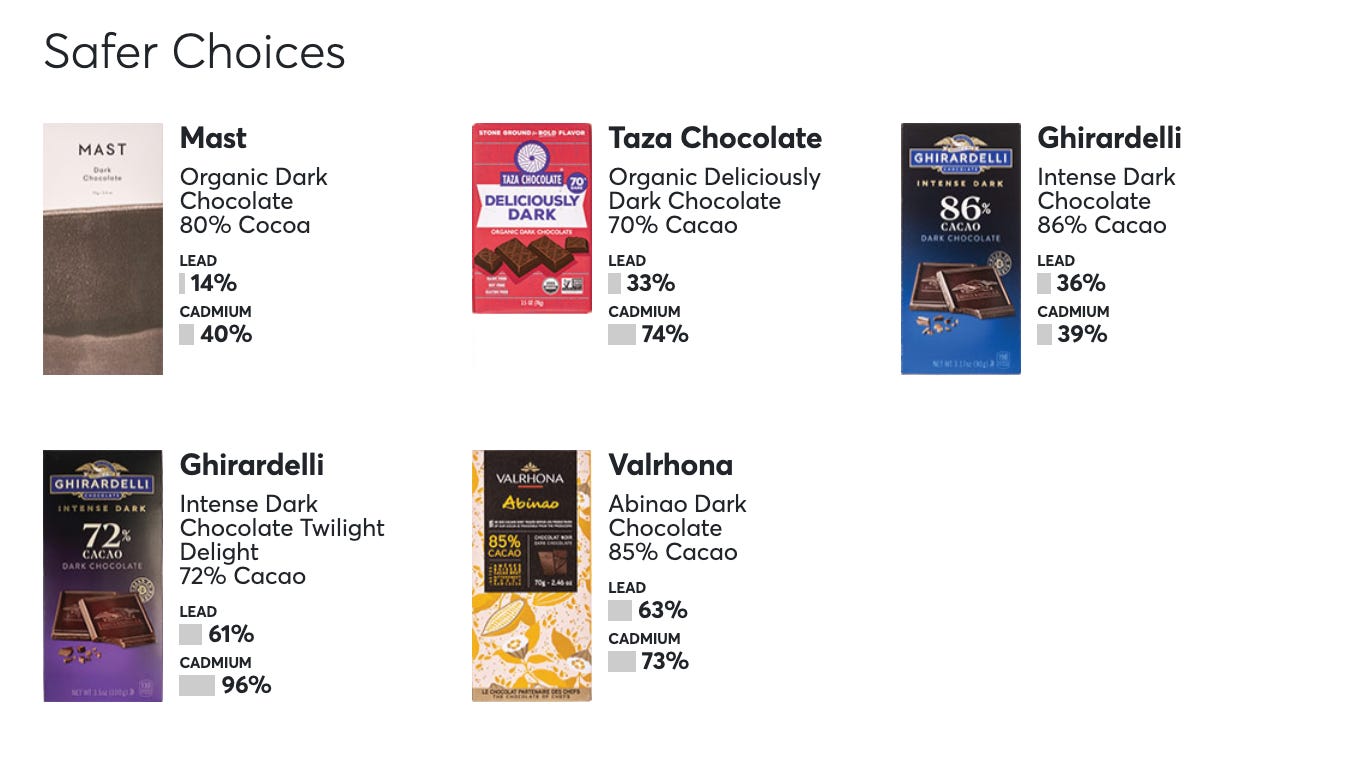
Avoid the high heavy metal options
The 5 safest picks: Mast Organic 80%, Taza Deliciously Dark 70%, Ghirardelli Intense Dark 86%, Ghirardelli Twilight Delight 72%, and Valrhona Abinao 85%.
#22: Interrupt your sitting + move post-prandially
Why it works
Sit for long periods → reduce muscle activation & blood flow → more norepinephrine, more endothelin-1, & less nitric oxide → constricts arteries
Best evidence
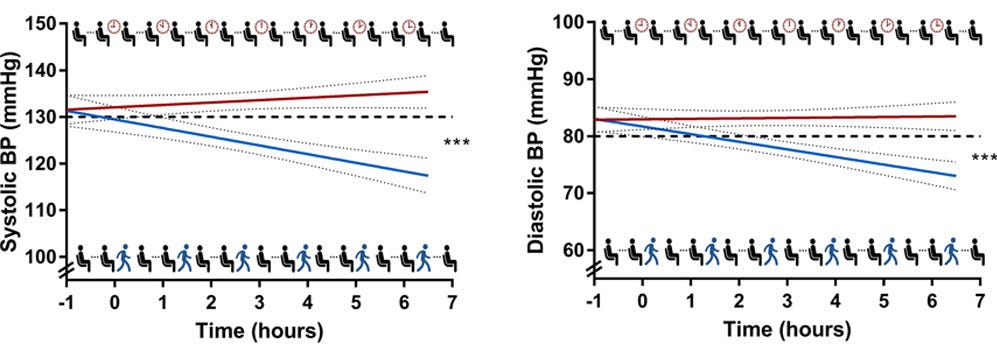
Paterson 2021 (Sports Med): Meta-analysis of 22 trials. Prolonged sitting raised SBP by 3.2 mmHg. Breaking it up throughout the day with walking breaks reduced SBP & DBP by −4.4 & −2.4 mmHg, respectively.
Dempsey 2018 (Hypertension): 4 crossover trials. Light walking breaks & simple resistance breaks (squats, lunges, calf raises) both lowered SBP & DBP.
Protocol
10–15 min easy walk within 30 min post meal
If you’re a desk worker, get a standing desk & some office health equipment. Bands. A kettlebell. Grip strengtheners. A lacrosse ball. Set a timer for every hour and incorporate some sort of movement. At a minimum, get 5 min of walking in every 90 min.
#23: Low-dose tadalafil
Why it works
Nitric oxide relaxes vessels by raising cGMP.
Tadalafil blocks PDE5 (enzyme that breaks cGMP down) → cGMP lingers → smooth muscle in the vessel wall stays relaxed
17.5-hr half-life makes daily low-dose use viable.
Best evidence
Tadalafil 26-h ambulatory BP trial: A single 20 mg dose vs. placebo.
SBP → −4.8 mmHg
DBP → −2.9 mmHg
Zhang 2025 meta-analysis: 63 RCTs & 3.2k people on PDE5 inhibitors.
SBP → -2.8 mmHg
DBP → 1.8 mmHg
Protocol
2.5–5 mg taken pre-HIIT or resistance training
On rest/low-intensity cardio days, split 5 mg across morning & evening
#24: Sunlight / UVA
Why it works
Skin is a nitric oxide reservoir.
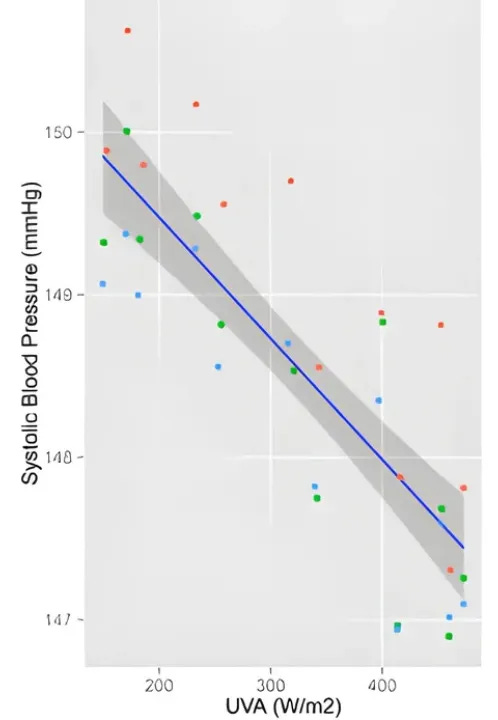
UVA light → releases pre-formed NO stores in the upper skin layers → NO enters circulation → arteries dilate → BP drops
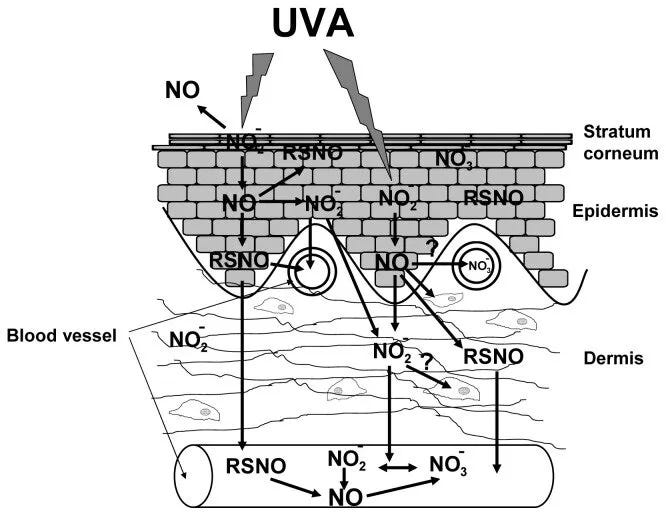
Explains why BP & cardiovascular events climb in winter & at higher latitudes.
Best evidence
Weller 2020 (JAHA): 342k dialysis patients over 3 years. More UV → lower SBP, even after adjusting for temperature.
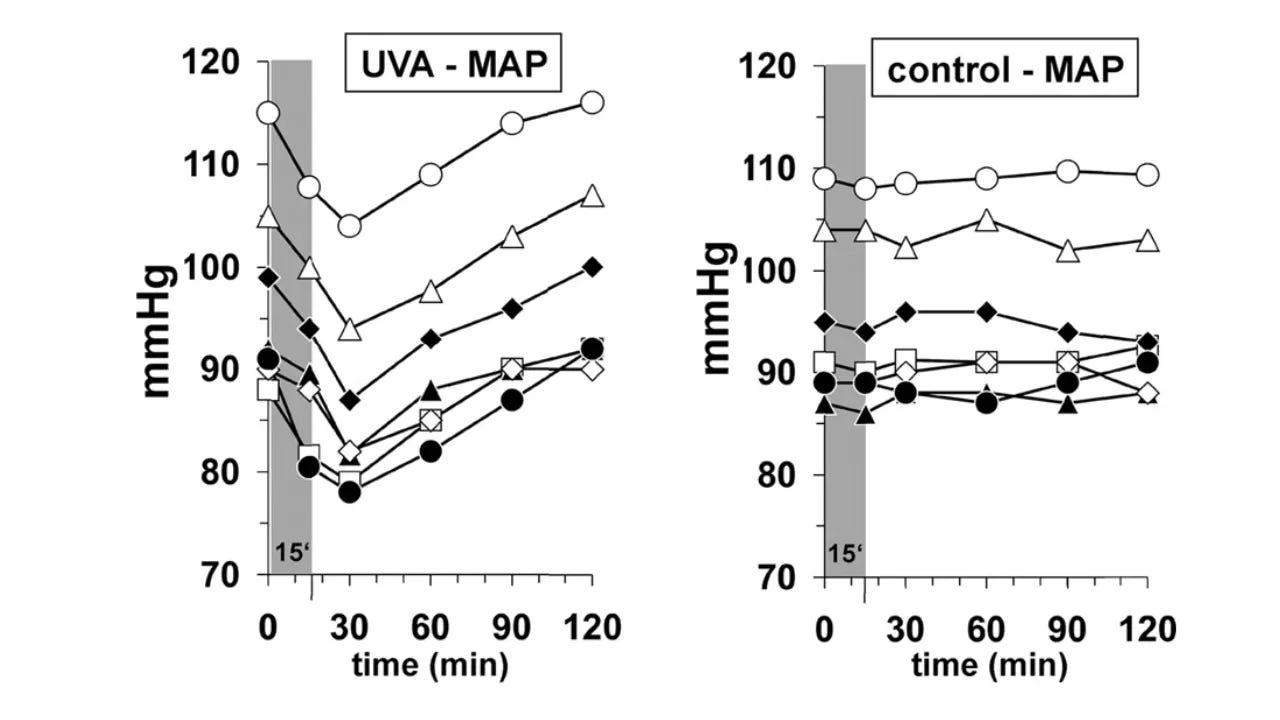
Opländer et al. (2009): This experimental study demonstrated UVA light exposure significantly lowered blood pressure:
Immediate: 5.6% decrease right after UVA exposure
Peak effect: 11.9% decrease at 15 minutes (strongest effect)
Lasting effect: 5.9% decrease still present 45 minutes later
Protocol
Build your solar callus over time → low-angle, red/IR rich wavelengths (sunrise + sunset) + gradual midday, high UV exposure + low inflammatory, micronutrient-dense diet + shade as your sunscreen
#25: Proteolytic enzymes
Why it works
More fibrin & fibrinogen (protein mesh building blocks in blood) → thicker, more viscous blood → more resistance → more pressure needed for blood to flow
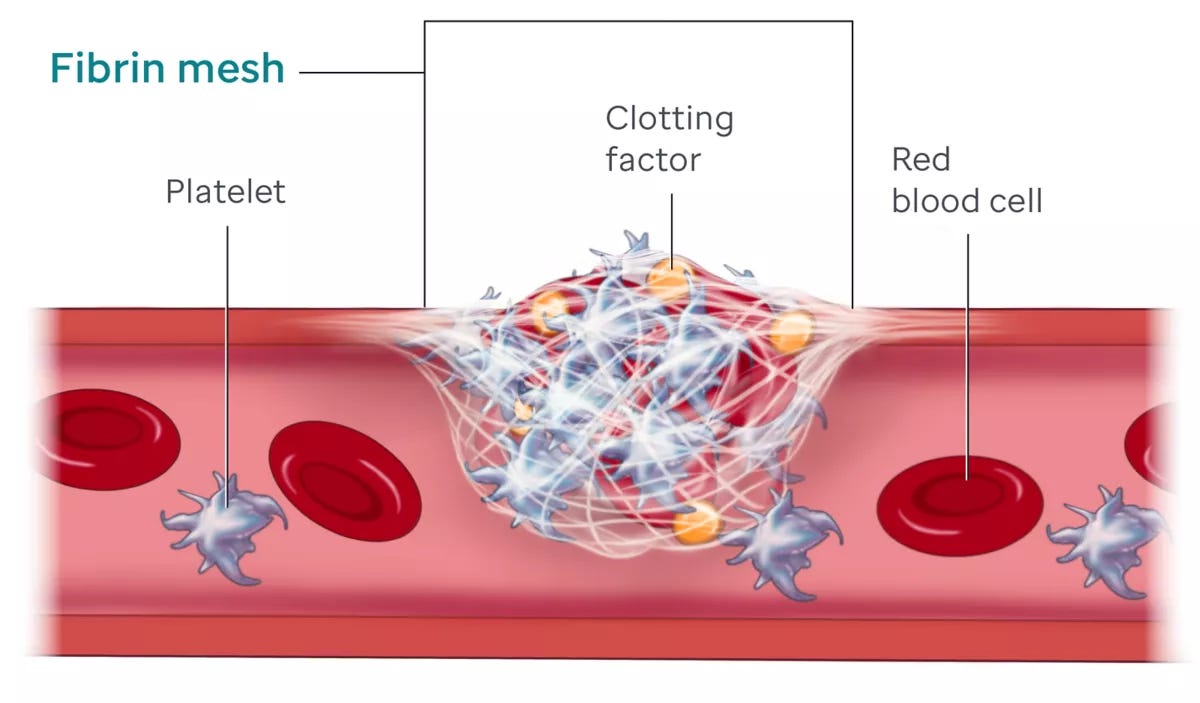
Proteolytic enzymes break fibrin down efficiently.
Best evidence
Lumbrokinase review (J Hypertens 2016): 9 studies. Clotting markers shifted toward thinner blood → clot time prolonged, tPA/D-dimer increased, fibrinogen dropped.
Bromelain clinical trial (British Journal of Nutrition): 18 healthy adults. Bromelain-containing supplementation significantly improved endothelial function relative to placebo. SBP → -4.1 mmHg.
Protocol
Raw, whole-food sources first (heat destroys them):
Bromelain → pineapple (especially the core)
Papain → green papaya (the less ripe, the better)
Actinidin → green kiwi
Ficin → fresh figs
Zingibain → fresh ginger root
Lumbrokinase + serrapeptase + trypsin + chymotrypsin → supplement only
Avoid stacking supplemental lumbrokinase, serrapeptase, & nattokinase at once. Cycle if needed to identify best bioindividualized outcomes.
#26: Keep kidney health in check
Why it works
Kidneys set long-term BP status.
Small, early drops in filtration (indicated by eGFR) → kidneys excrete sodium less efficiently → body raises pressure to push it out → BP increases
Best evidence
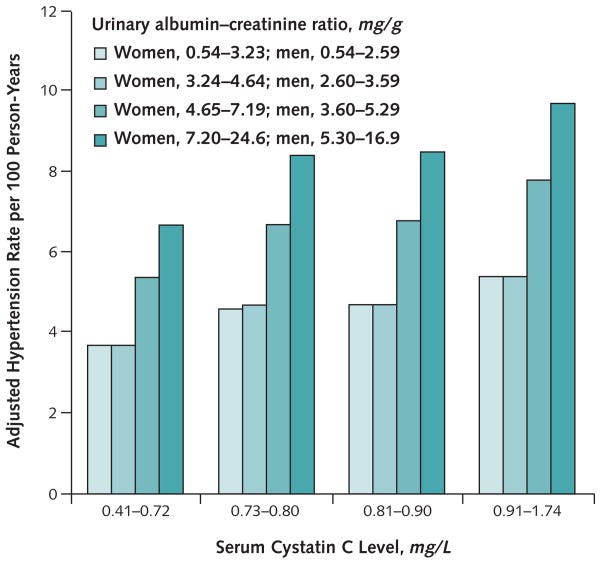
Kestenbaum 2008 (Ann Intern Med, MESA): 2.7k+ healthy adults. Each 15 nmol/L rise in cystatin C → 15% higher incidence of hypertension.
Protocol
Biomarkers to track biannually:
Cystatin C + cystatin-C based eGFR > creatinine → if you’re training intensely & supplementing creatine, there’s a high chance you’ll get a falsely elevated creatinine level
Get dietary potassium & sodium intake to 1-2:1 ratio
Track serum potassium & sodium levels
Measures to protect them:
Minimize NSAID & antibiotic usage
Cardiometabolic status runs upstream of kidney function → Big 3 levers: keep visceral fat low + train the cardio engine often + sleep deeply
#27: Dump the SNRIs
Why it works
SNRIs (Effexor & Cymbalta) block noradrenaline reuptake → more noradrenaline imposed on vessels → vasoconstriction → higher BP
Best evidence
Zhong 2017 (Neuropsychiatr Dis Treat): Meta-analysis of double-blind RCTs. SNRIs had a modest but significant rise in SBP & DBP vs SSRIs.
Protocol
Work with functional medicine practitioners to curtail usage as efficiently & safely as possible
#28: B1 (Thiamine)
Why it works
Thiamine fuels enzymes (transketolase + pyruvate dehydrogenase) needed to convert glucose into the body’s energy currency (ATP).
B1 deficiency → glucose leaks into damaging side pathways (methylglyoxal & AGEs) → poor redox balance in the vessel lining → less NO → stiffer, tighter vessels
Best evidence
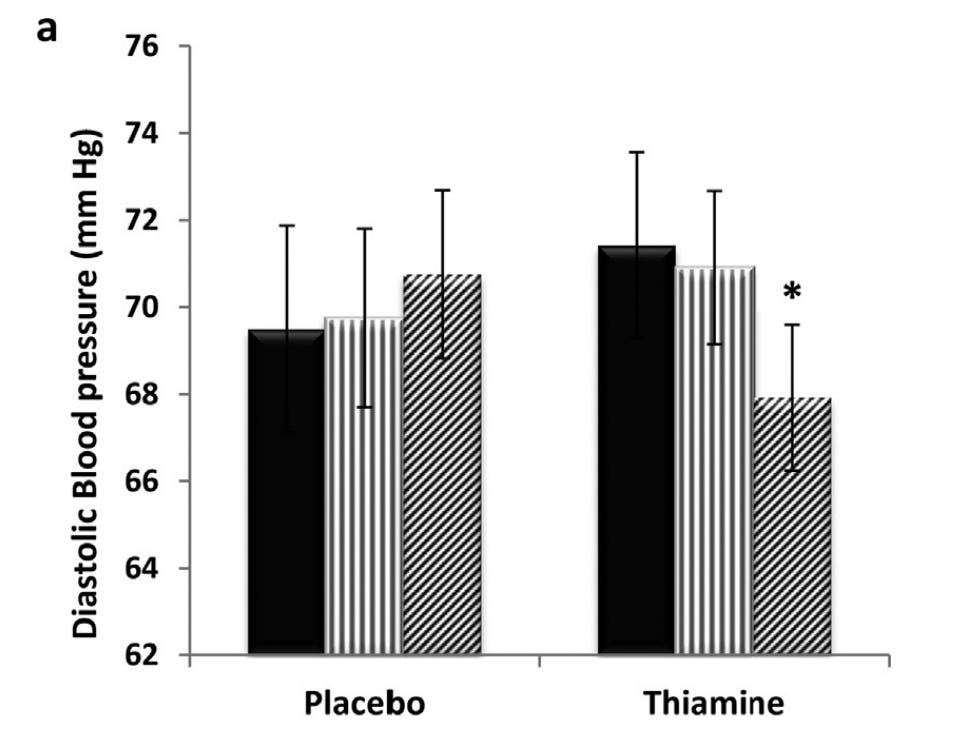
Alaei-Shahmiri 2015: Thiamine @ 300 mg/day for 6 weeks significantly lowered:
DBP → -3.5 mmHg
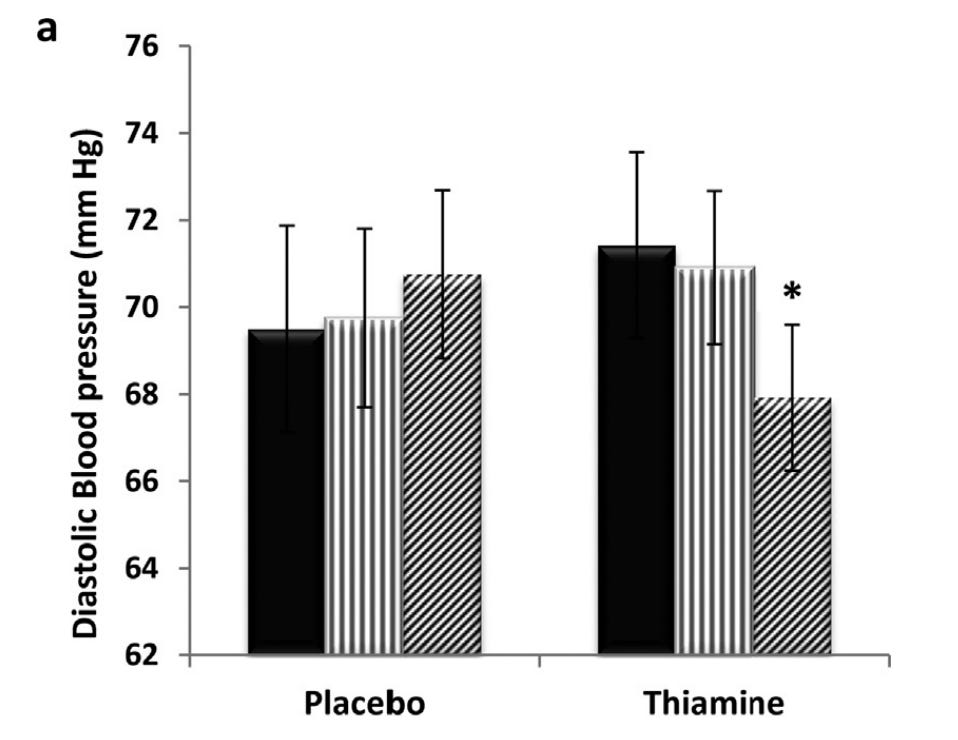
Mean arterial pressure → -3.7 mmHg
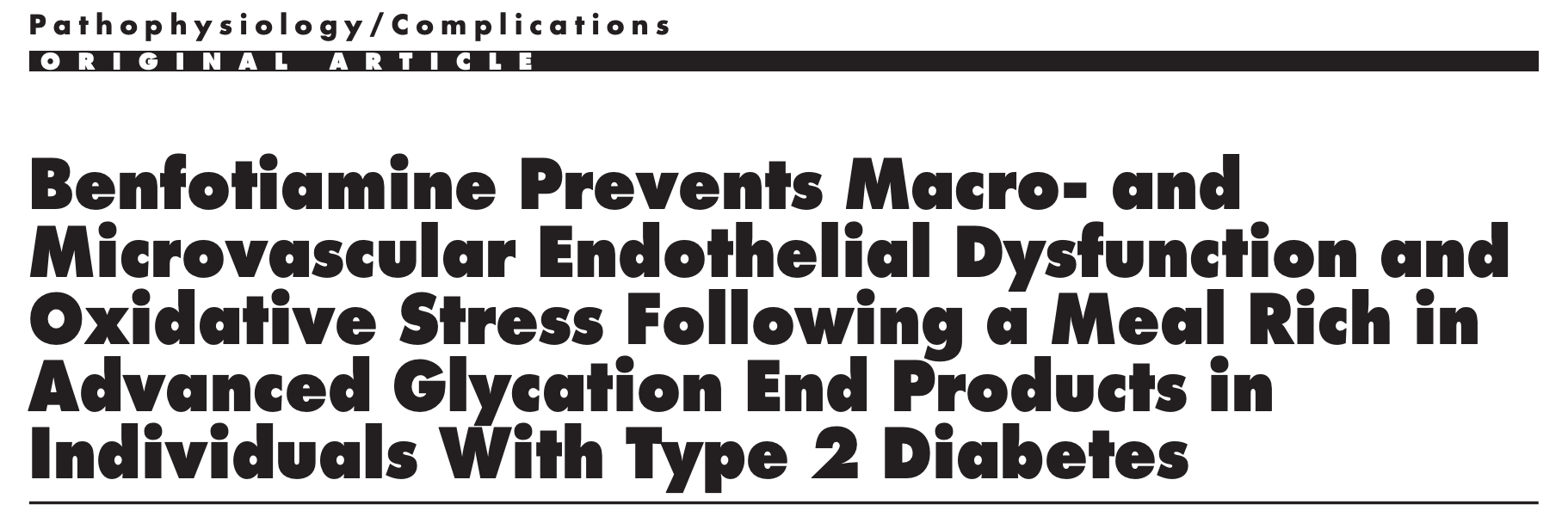
Stirban 2006 (Diabetes Care): After consuming an AGE-rich meal, benfotiamine (1,050 mg/day) completely prevented the drop in blood vessel function.
Protocol
Most bioavailable form → TTFD (thiamine tetrahydrofurfuryl disulfide). Crosses cell membranes w/o the usual transporters needed. Lower doses go further than typical thiamine salts.
100 mg TTFD daily
Take in AM (w/ breakfast + 200–400 mg elemental Mg + methylated B-complex)
Separate it from coffee & black tea by 90 min. Their polyphenols bind thiamine & reduce absorption.
Most common ways thiamine stores depleted: high allostatic loads (chronic stress), booze, poor glucose metabolism & dehydration
#29: Pomegranate
Why it works
Punicalagins & other polyphenols in pomegranate protect nitric oxide from oxidative breakdown & blunt ACE activity → vessels stay relaxed.
Best evidence
Sahebkar 2017 (Pharmacol Res): Meta-analysis of 8 RCTs on pome juice consumption.
SBP → −4.9 mmHg
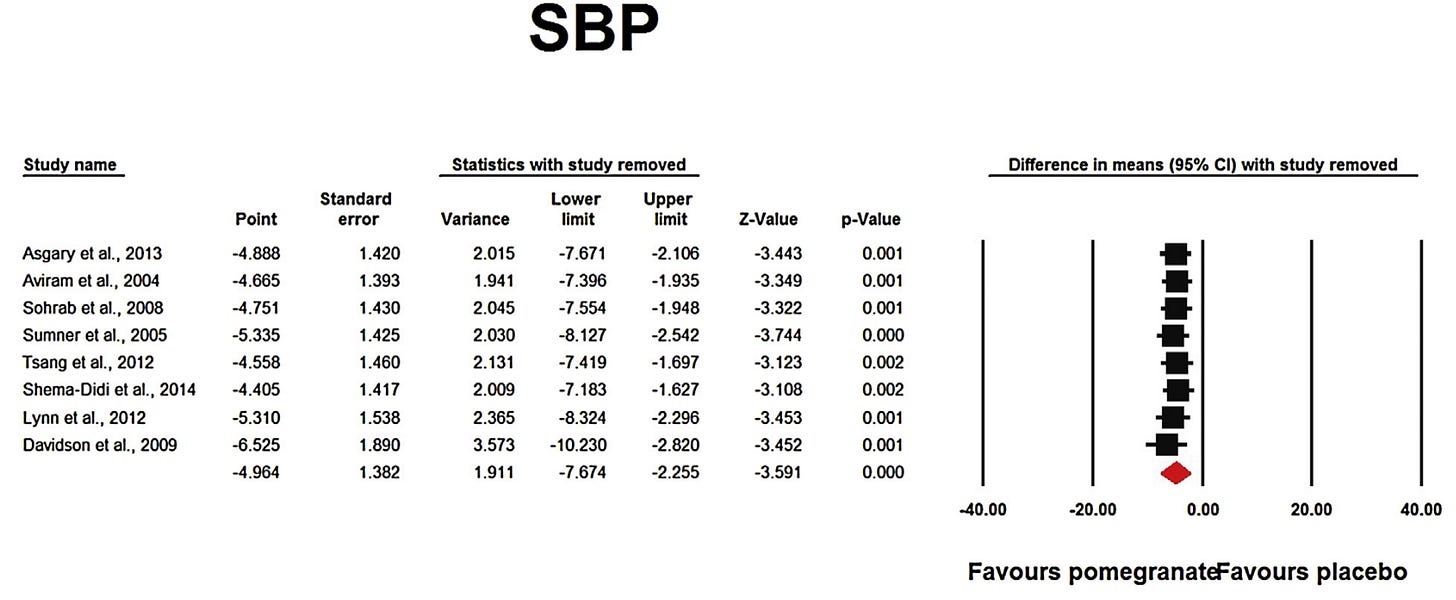
DBP → −2.0 mmHg
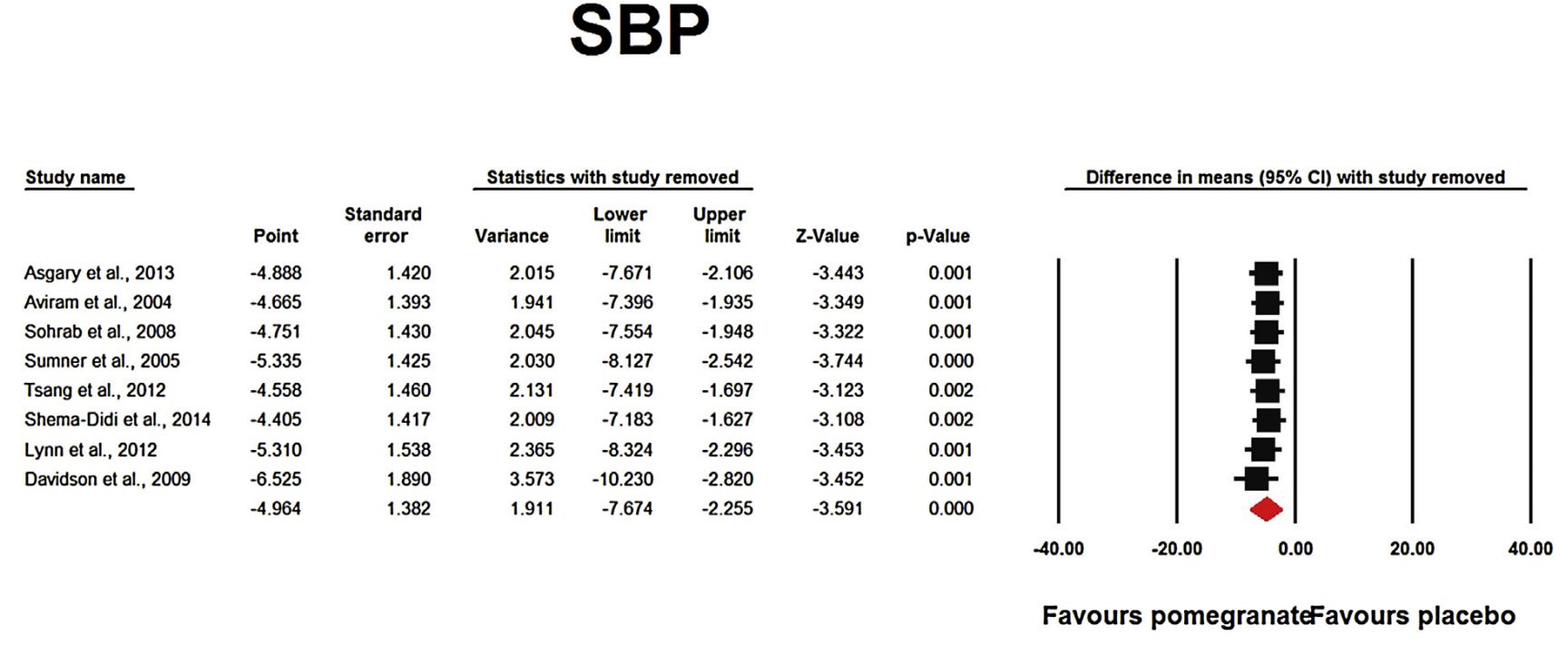
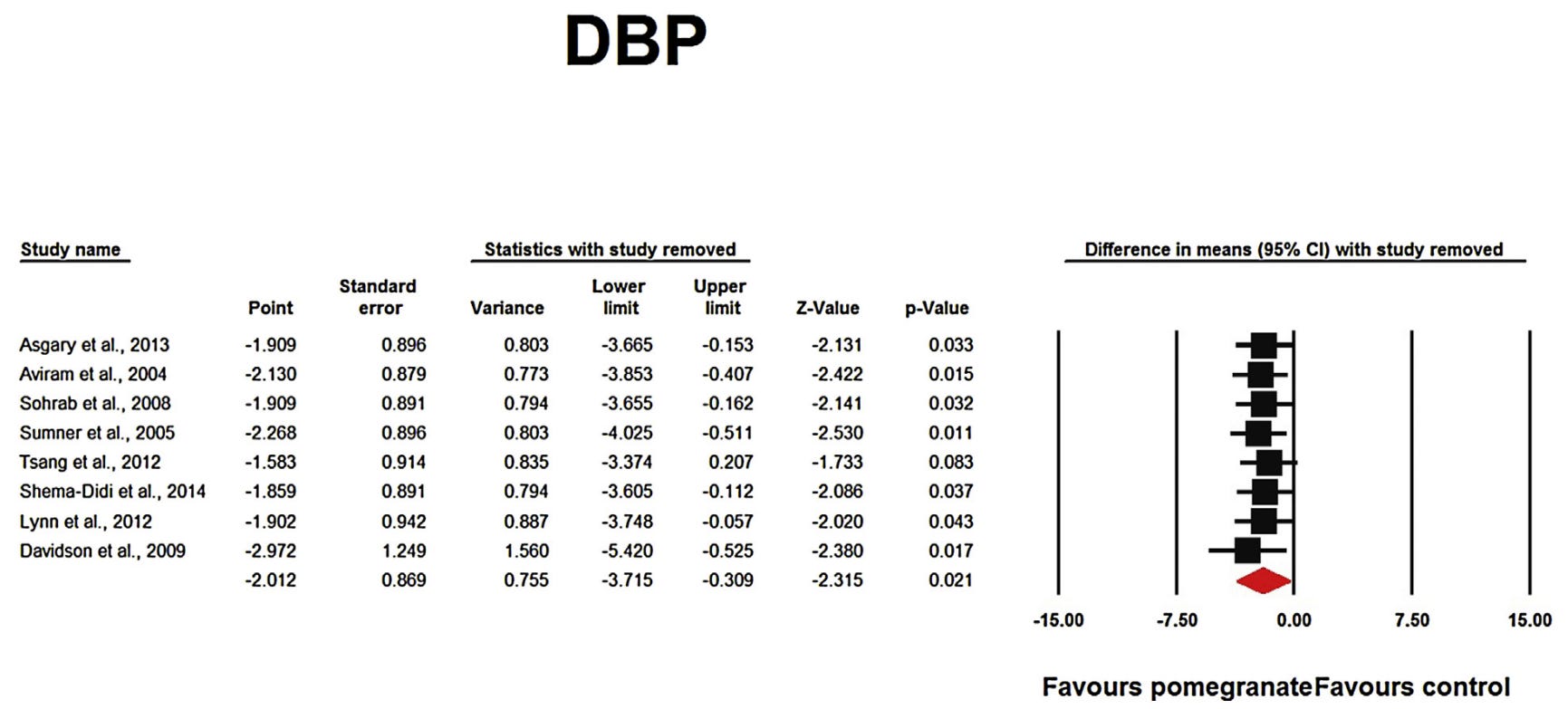
Bahari 2024 (Phytotherapy Research): Pome consumption of all forms (extract, juice, whole fruit) significantly reduced both SBP & DBP.
SBP → −7.9 mmHg
DBP → −3.2 mmHg
Protocol
Leverage pomegranate peak season → October–December
Eat the arils & whole fruit. Drink the juice. Supplement the extract.
#30: NAC
Why it works
NAC provides a stable glutathione precursor → improved redox balance → more NO survives to promote vasodilation
Best evidence
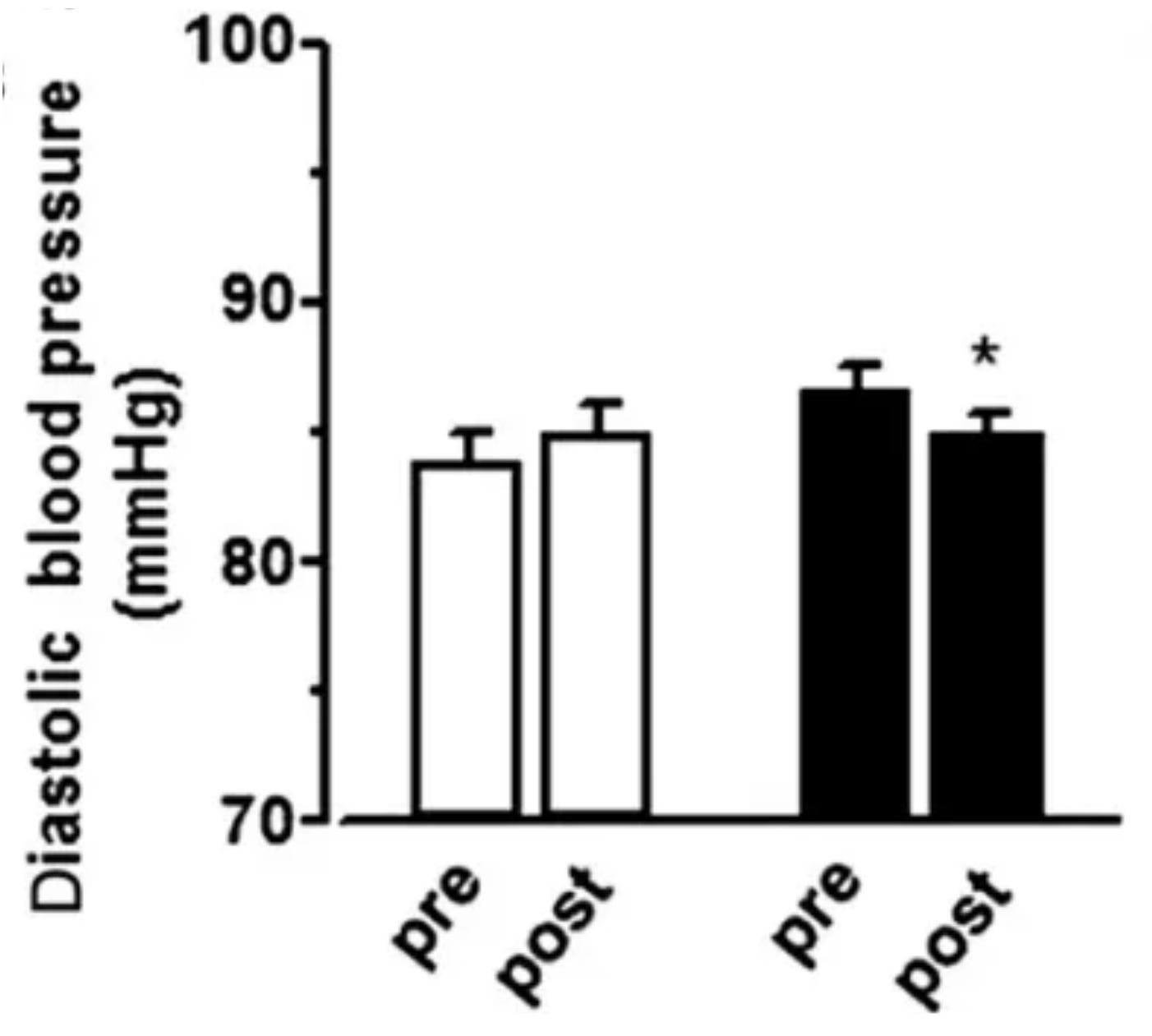
Hildebrandt 2015 (AJCN): Analysis of 2 RCTs in 82 middle-aged men. NAC @ 1,800 mg/day for 4 weeks.
SBP → -5.2 mmHg
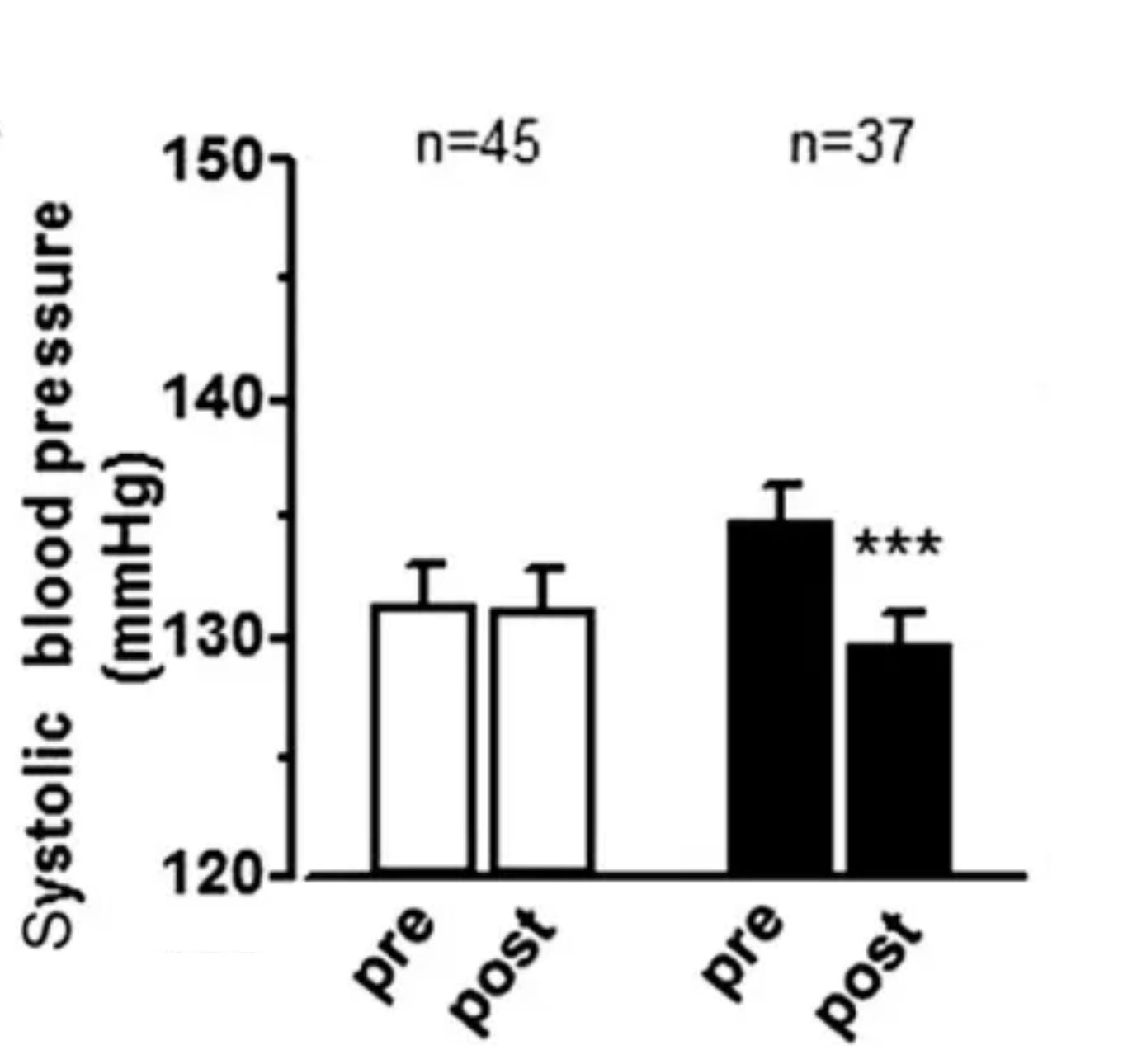
DBP → -3.3 mmHg
Protocol
NAC 600 mg 2–3x/day (1.2–1.8 g/day)
#31: Probiotics, prebiotics, & postbiotics
Why it works
Gut bacteria ferment fiber into short-chain fatty acids (acetate & butyrate) → signals to vessels & kidneys to relax + fortify the gut barrier → less endotoxin leaks into blood
Prebiotics feed the gut microbiome. Probiotics add more bacteria to the microbiome. Postbiotics provide additional microbial elements.
Best evidence
Khalesi 2014 (Hypertension): 9 RCTs & 540+ people. Diverse set of strains beat single strains. Limited effects under 8 weeks & under 100 billion CFU/day.
SBP → −3.6 mmHg
DBP → −2.4 mmHg
Jama 2023 (Nature Cardiovascular Research): Crossover trial of 20 untreated hypertensives. 40 g/day of an acetate/butyrate prebiotic starch. SBP dropped by 6.1 mmHg in 3 weeks.
Protocol
Diversified set of fermented foods daily: kefir, plain Greek yogurt, sauerkraut, kimchi, kombucha, pickles, miso, natto
Prebiotics: retrograded potatoes/sweet potatoes/rice, green bananas, oats, onions, garlic, sourdough, leeks, asparagus, sunchokes
Slowly increase fiber intake to 80g/day (Paleolithic levels)
#32: Cook with a high-quality EVOO
Why it works
High-polyphenol EVOO (hydroxytyrosol & oleocanthal) boost nitric oxide levels in the vessel lining supporting artery vasodilation.
Best evidence
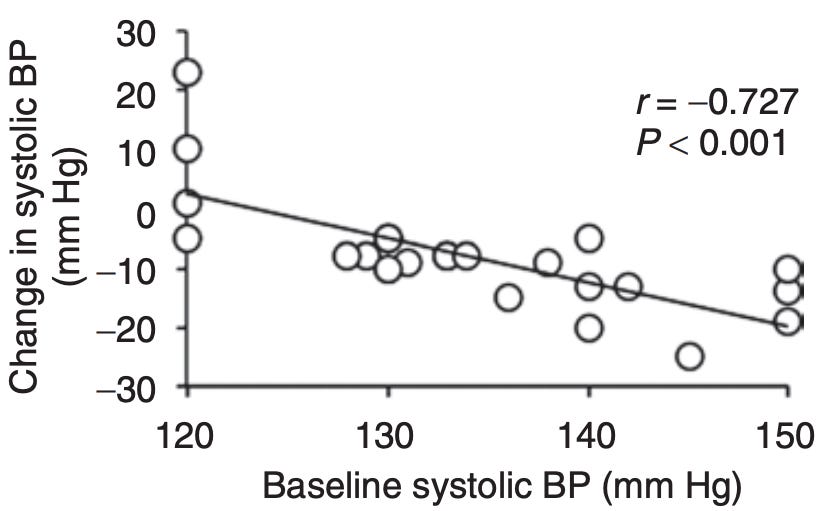
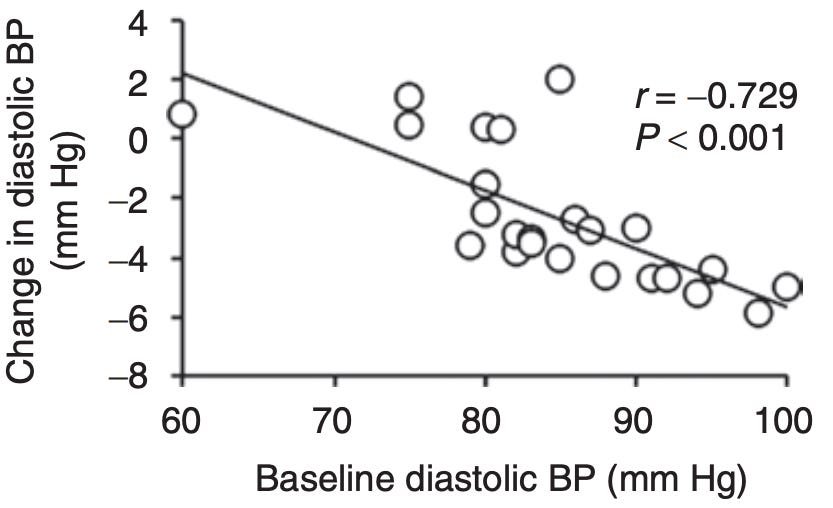
Moreno-Luna 2012 (Am J Hypertens): Double-blind crossover (2 months per diet) in 24 young women. Polyphenol-rich EVOO vs. the refined oil (polyphenols stripped out).
SBP → −7.9 mmHg
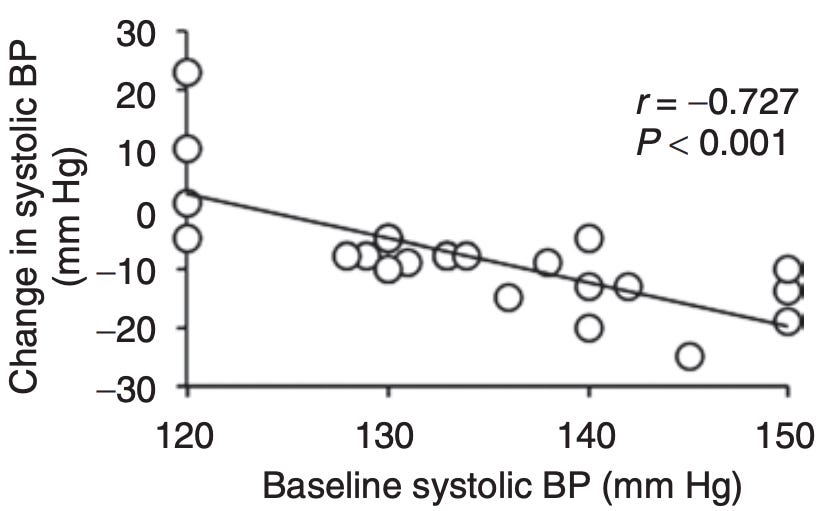
DBP → −6.7 mmHg
Protocol
2–3 tbsp/day
What a high quality EVOO means: recent harvest date, dark glass or tin, single origin (Spain or Italy), & a peppery burn in the back of the throat
#33: Get outside in nature
Why it works
The natural parasympathetic stack = movement + full-spectrum light + green in nature
Best evidence
Ideno 2017 (BMC Complement Altern Med): Meta-analysis of 20 trials & 700+ people. SBP & DBP were significantly lower in forest environments vs non-forest environments.
SBP → -3.2 mmHg
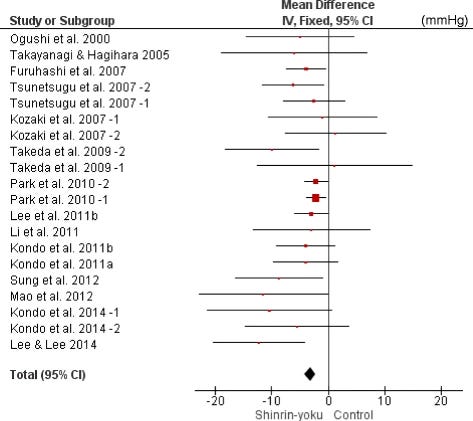
DBP → -1.8 mmHg
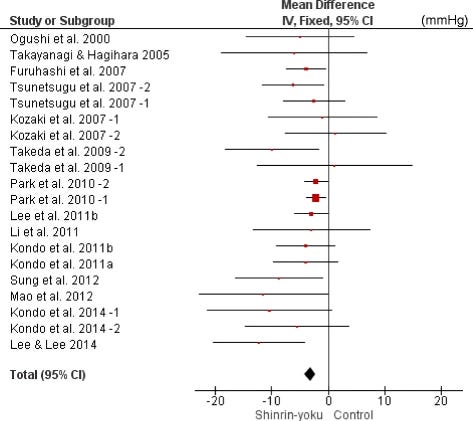
Forest therapy meta-analysis: 21 studies & 2.2k people.
SBP → −3.4 mmHg
DBP → −3.1 mmHg
Protocol
Move at sunrise. Move during midday peak UV. Move at sunset. Move around green spaces. Simple.
#34: Flaxseed
Why it works
Delivers 3 in 1 = ALA (a plant omega-3) + lignans + soluble fiber
ALA → inhibits soluble epoxide hydrolase → preserves the body’s own vasodilating fats (oxylipins) → vessels stay relaxed
Best evidence
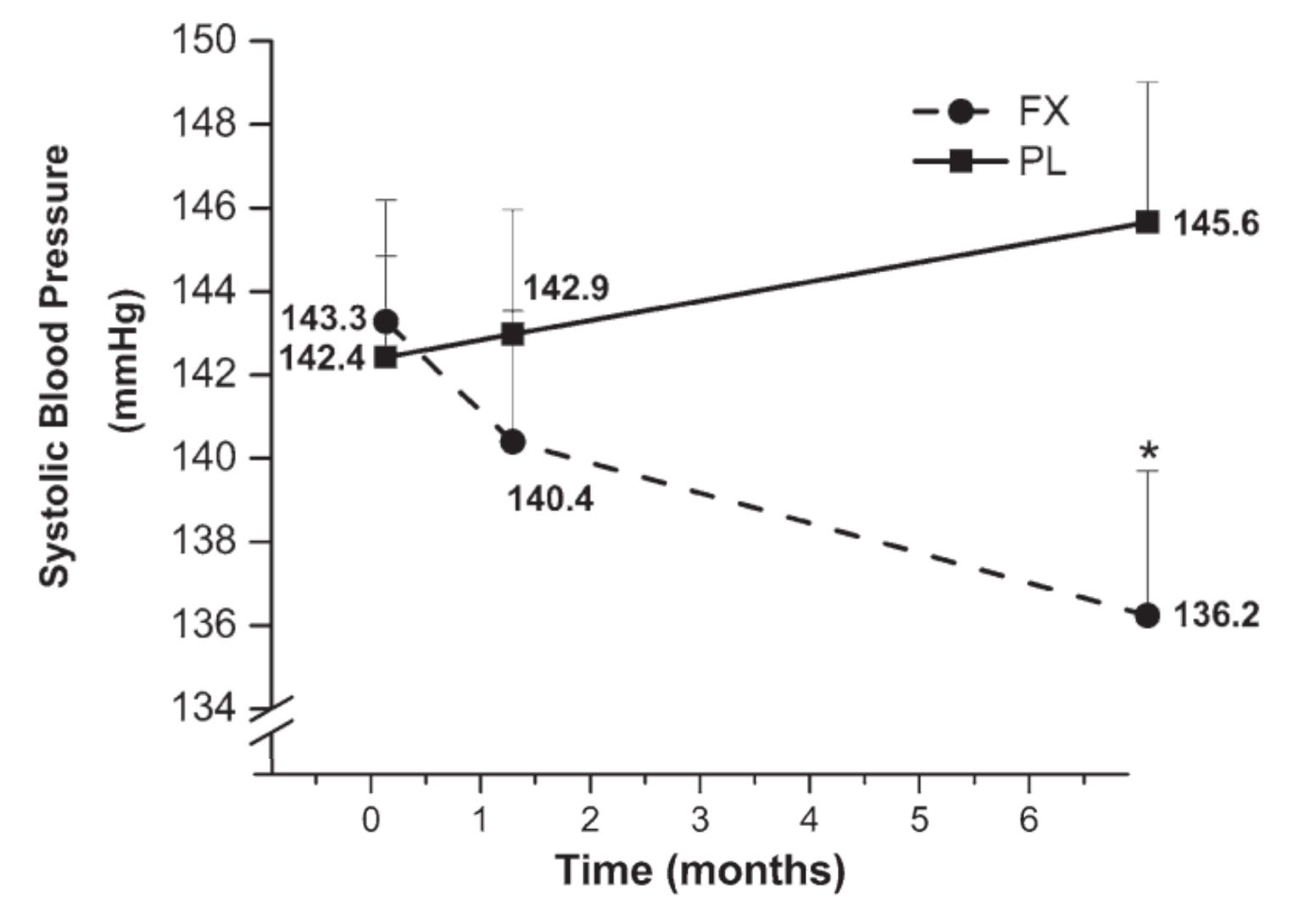
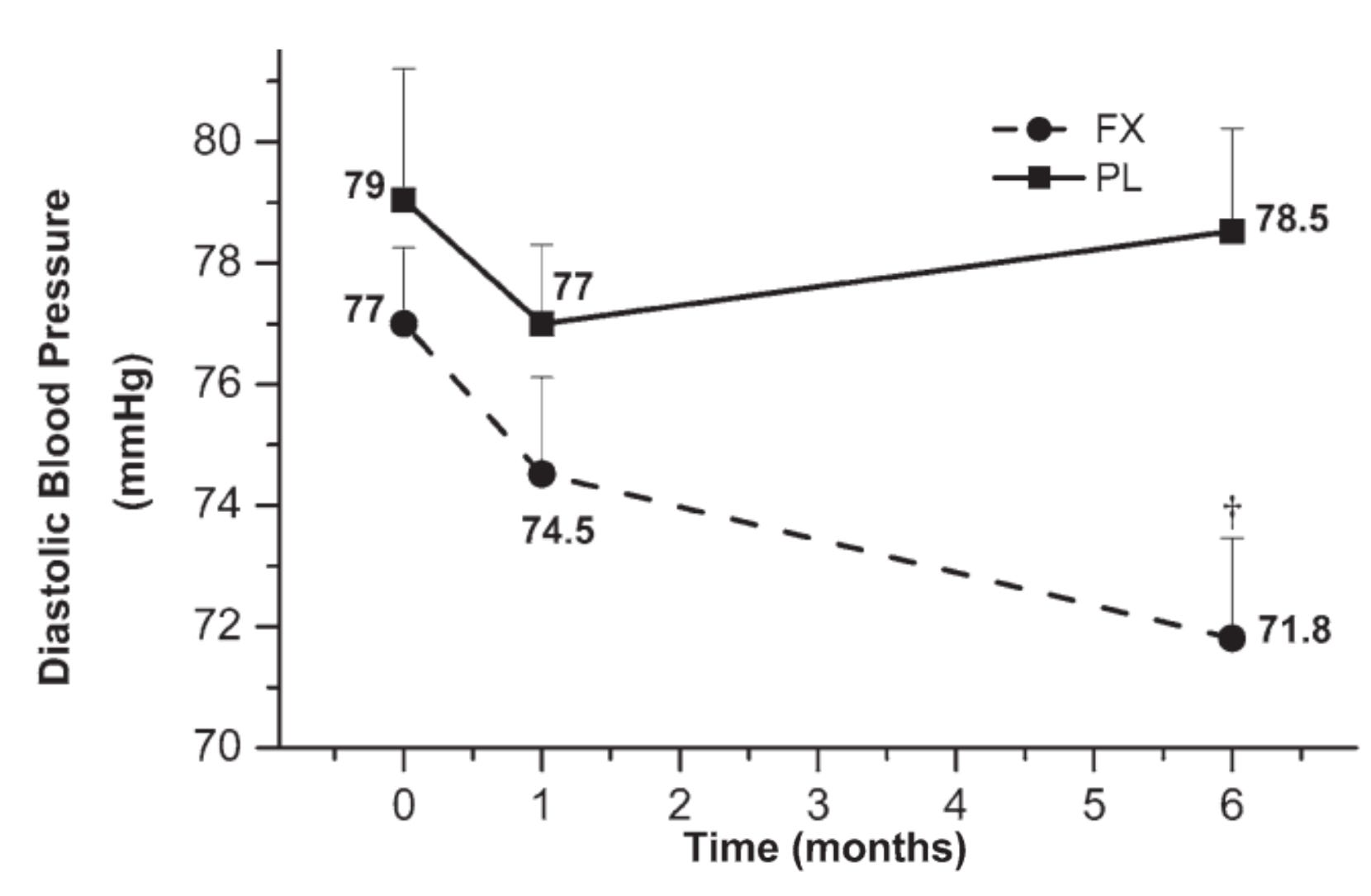
Rodriguez-Leyva 2013 (Hypertension): Double-blind RCT in 110 people. 30 g/day milled flaxseed for 6 months.
SBP → −7.1 mmHg
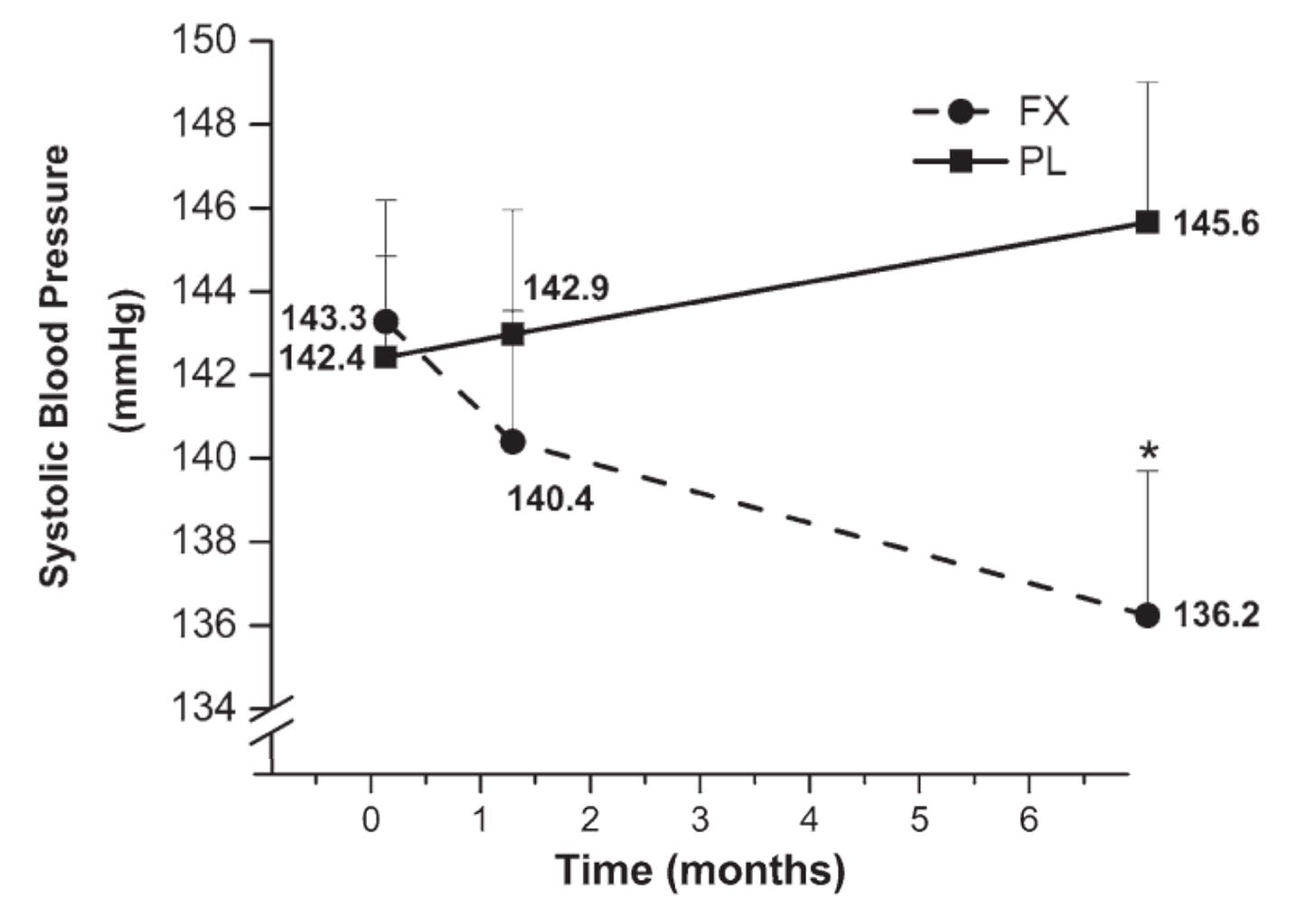
DBP → −6.8 mmHg
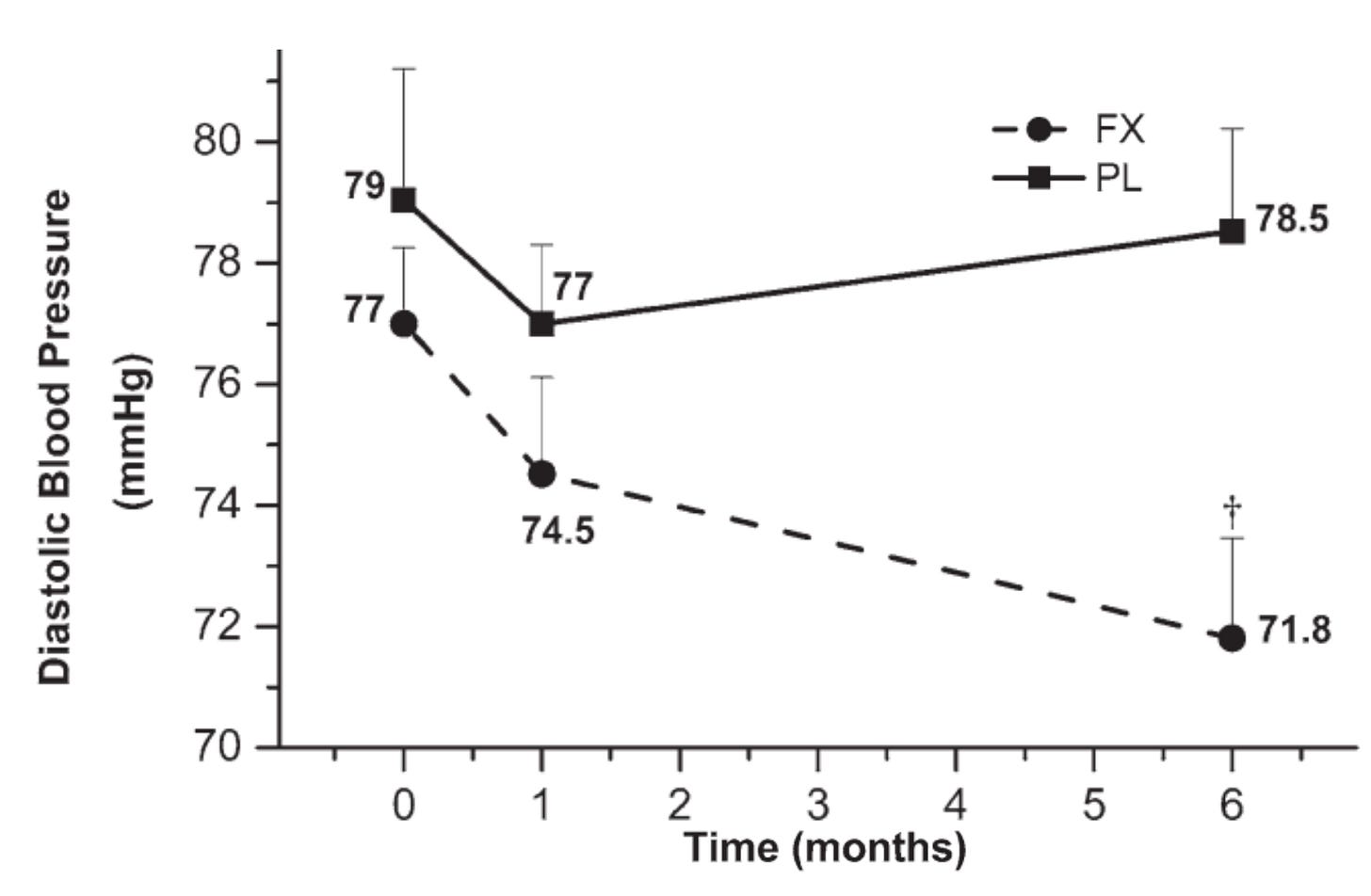
For those starting at SBP > 140→ −15/−7 mmHg = one of the largest drops ever produced by a single food
Protocol
30 g/day milled (~3 tbsp) → whole seeds pass straight through
Grind fresh or buy pre-milled & refrigerate/soak overnight
Soak into kefir, oats, yogurt, smoothies, or baked into bread
#35: L-citrulline
Why it works
L-citrulline > L-arginine (broken down in gut & liver)
Kidneys convert it to arginine → steady supply to eNOS → more NO → vasodilation
Best evidence
2019 meta-analysis (Avicenna J Phytomed): 8 RCTs, doses ranging 3–9 g/day
SBP → −4.1 mmHg
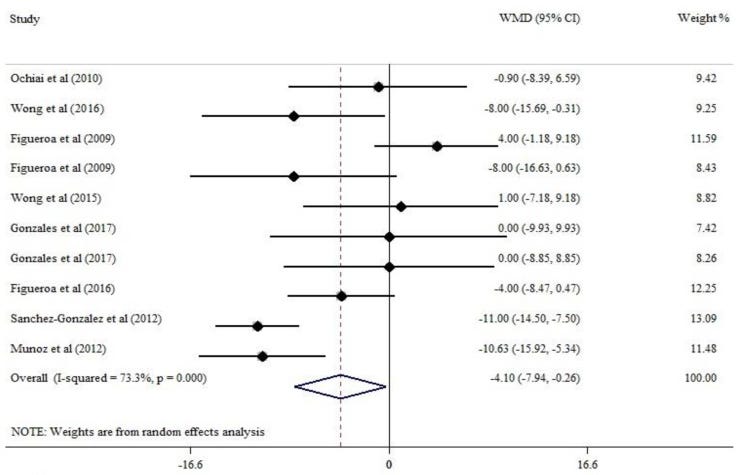
DBP → −2.8 mmHg
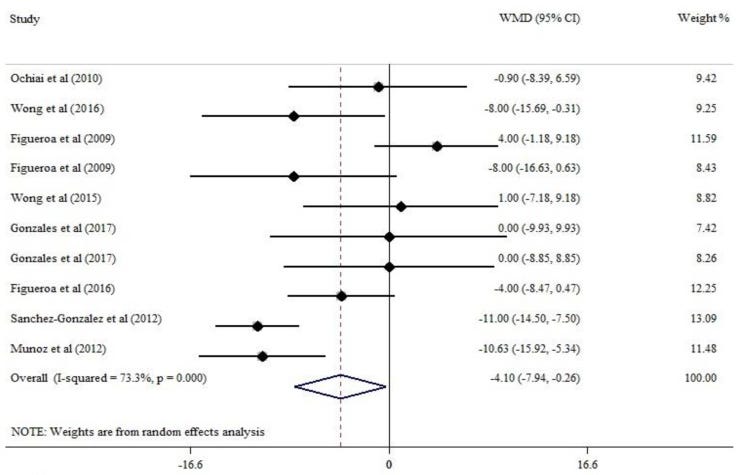
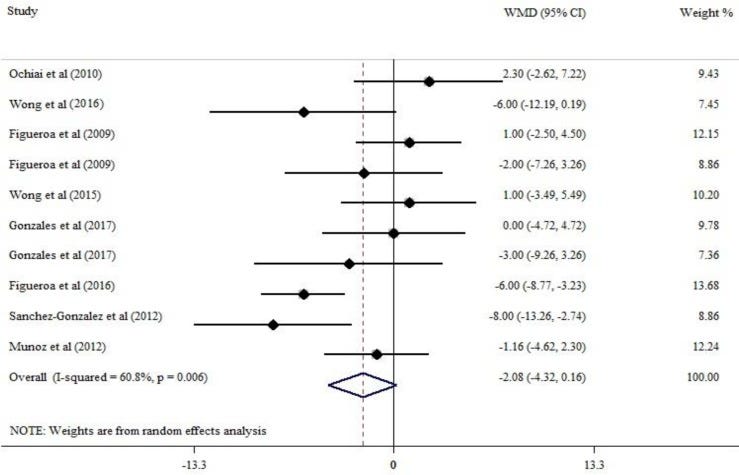
2024 meta-analysis: 15 RCTs & 400+ middle-aged & older adults. Some trials including watermelon intake.
SBP → −4.0 mmHg
DBP → −2.5 mmHg
Citrulline + arginine combined → −10.4/−4.9 mmHg
Protocol
6–8 g/day L-citrulline prior to training
Eat your watermelon: the rind & white flesh closest to it hold the most citrulline
#36: Cycle caffeine & high-stim supps
Why it works
More stims → higher adrenaline & noradrenaline levels flood the blood → vessels constrict & heart rate increases
Best evidence
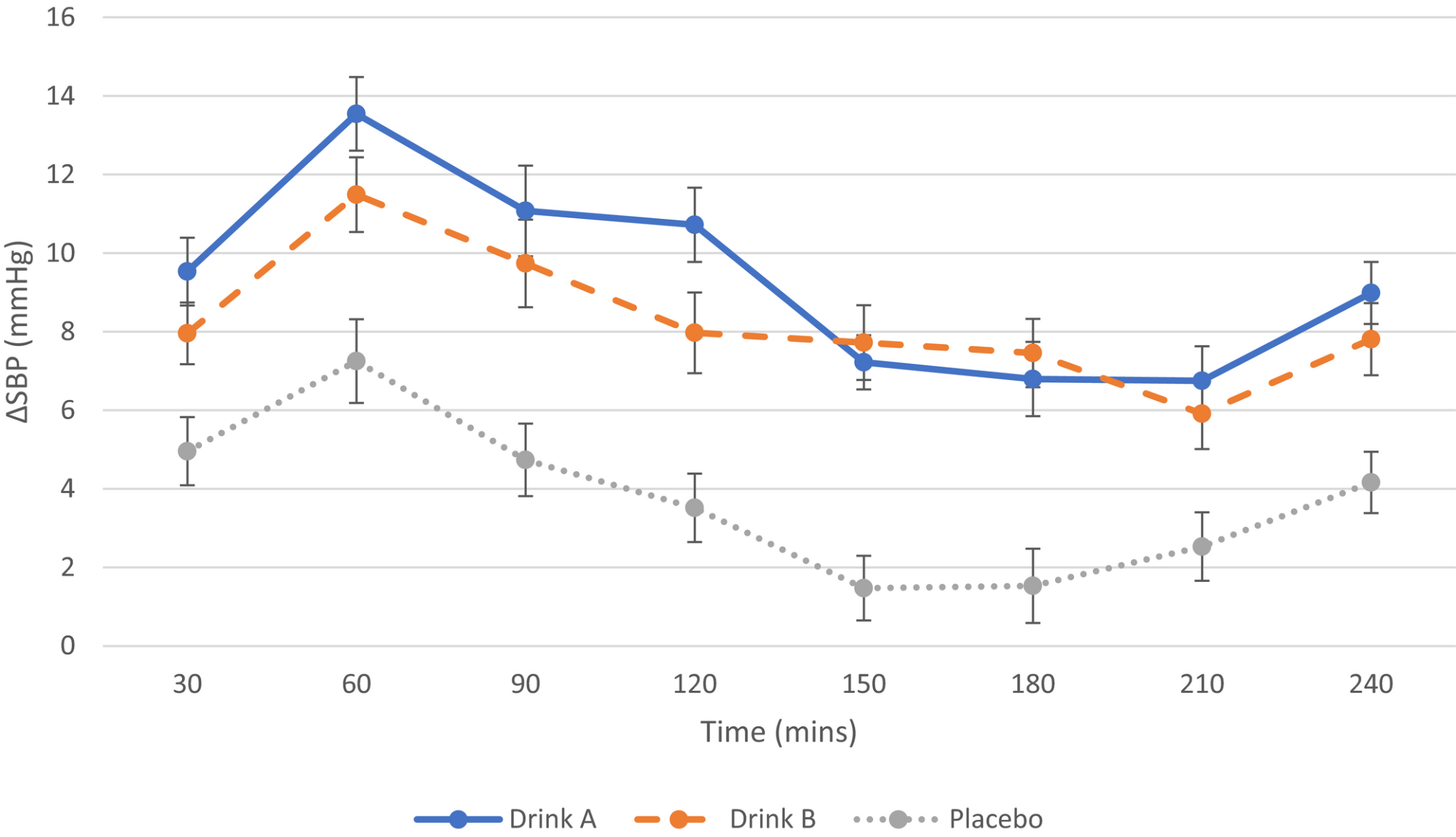
Fletcher 2017 (JAHA): Double-blind crossover of a 32 oz energy drink vs. a drink with the same 320 mg caffeine. Both raised SBP early of course. But the energy drink group was still elevated 6 hrs later (+4.7 vs +0.8 mmHg).
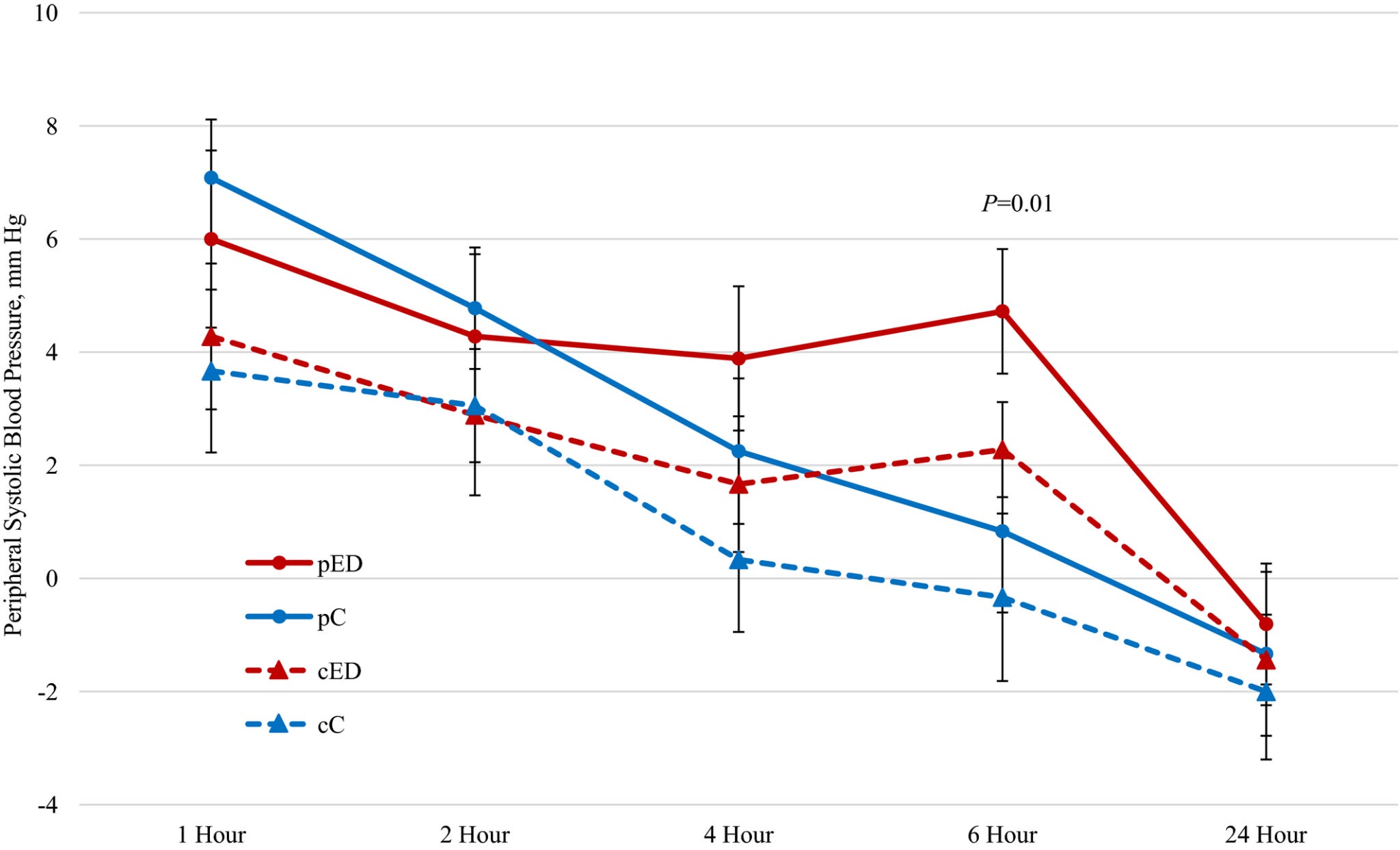
Shah 2019 (JAHA): 300 mg caffeine energy drinks kept peripheral & central BP elevated ~5 mmHg at 4 hrs.
Protocol
Limit caffeine to 300 mg/day across all sources
Cycle caffeine: drop dose 25% per week → hold until 100 mg/day for minimum 1 week (if you can handle going to ~0 mg, much more caffeine sensitization benefit). Add B-vitamins, L-theanine, & L-tyrosine to support any withdrawal effects
Most underrated aspect of cycling caffeine: 2 cups of black coffee will turn into jet fuel
When curtailing intake → tea > coffee >> energy drinks
Most common sneaky culprits to cut or cycle: yohimbine, synephrine (bitter orange), DMAA/DMHA, higenamine, ephedra & stacked caffeine analogs
#37: Balance your T to E2 ratio
Why it works
Hit the Goldilocks zone = 20–25
Low ratio: Typically from a big weekly bolus injection peak plus visceral fat → adipose aromatase converts the spike to E2 → promotes sodium & water retention → expands plasma volume → usually get a higher AM reading
High ratio: Typically from an aromatase inhibitor → NO production requires E2 → lack of it shifts the renin-angiotensin system toward vasoconstriction
Best evidence
Russian cohort of young + middle-aged men: The better the T:E2 ratio, the lower the probability of hypertension.
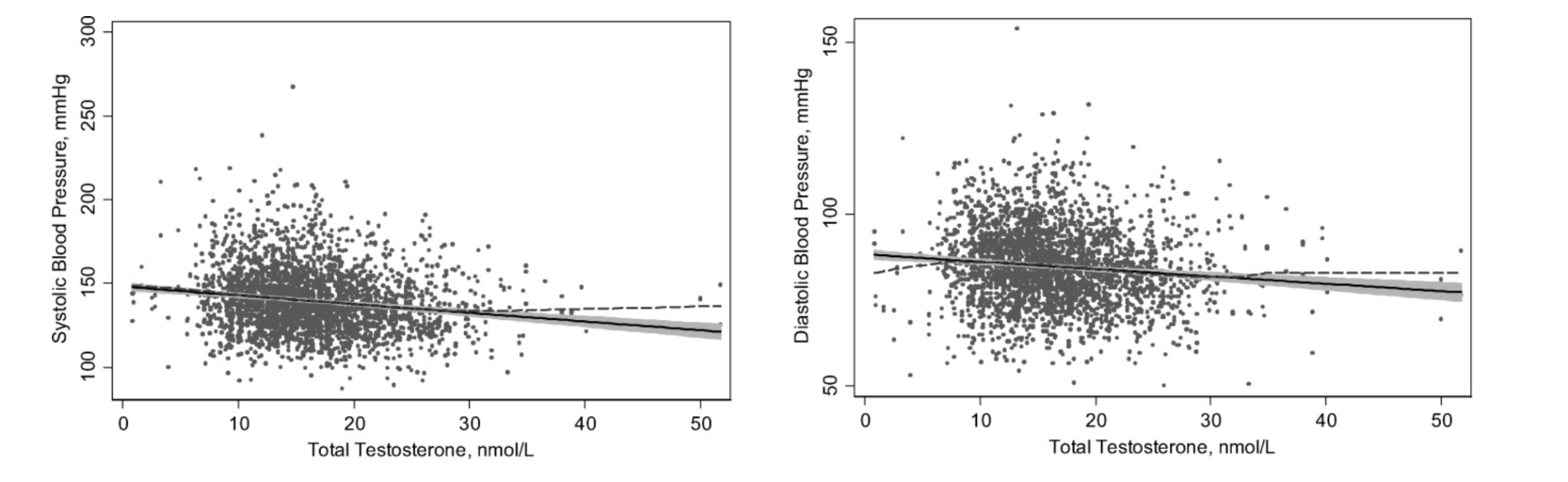
Torkler 2010 (The Aging Male): Across ~1.1k men, lower T tracked with higher BP.
Protocol
Go upstream first to the big levers: Fix your mitochondria (metabolic flexibility + leptin/insulin sensitivity). Fix your gut (fortify the gut barrier + diversify the gut microbiome with beneficial bacteria). Lose the visceral fat. Cut the alcohol.
If on TRT, track sensitive E2 (LC/MS assay) with T, DHT, & hematocrit.
Also opt for more frequent TRT injections → fewer E2 spikes than big weekly doses
Don’t crash E2 reflexively with an aromatase inhibitor
#38: Prayer & gratitude
Why it works
Rosary. Spontaneous gratitude. Affirmations. Resting heart rate reduction work.
Pick whatever gets you into a parasympathetic state to get the lion out of the room & the monkey out of your head.
Best evidence
FEEL trial (Global Heart): For 12 weeks, 100 adults received daily training on gratitude, forgiveness, optimism & purpose.
SBP → −7.6 mmHg
Improved blood flow (flow-mediated dilation) → +4.1 percentage points
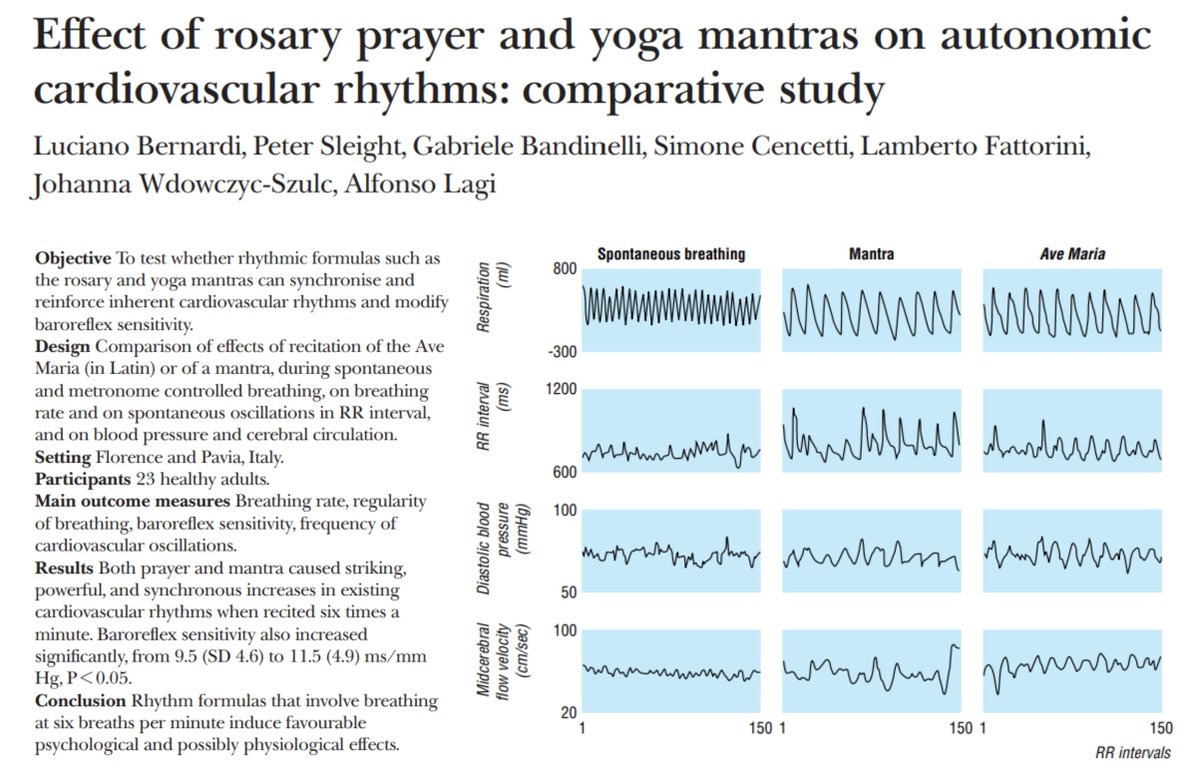
Bernardi 2001 (BMJ): 23 healthy adults. Reciting the rosary or yoga mantra slowed breathing to ~6/min & raised baroreflex sensitivity from 9.5 to 11.5 ms/mmHg.
Protocol
Free intervention to bend the interoceptive-cardiac axis to your will
#39: Epitalon
Why it works
A synthetic 4-amino-acid bioregulator (AEDG) modeled on a pineal gland extract.
Restores endogenous melatonin synthesis → stronger circadian signal → enhanced nighttime BP regulation
Best evidence
Merkur’eva 2008: Parent pineal extract (epithalamin) lowered diurnal blood pressure & improved lipid profiles.
Controlled-release melatonin mechanism mirroring epitalon effect: 2 mg for 4 weeks. SBP fell from 136 to 130 mmHg.
Protocol
Fix the free levers first: light + sleep regularity + meal timing consistency + evening darkness
Best paired with pinealon as a short-term circadian regulation protocol
Pinealon → 1 mg on empty stomach in AM
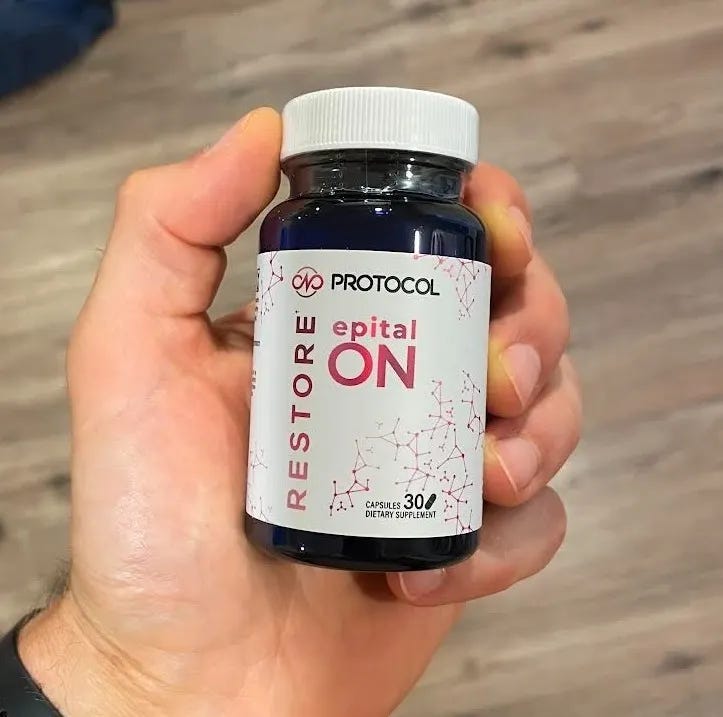
Epitalon → 3 mg 2 hrs before bed
Cycle 30 days on 60 days off for circadian regulation
Aim for a high quality oral capsule source
You’ve now got the playbook. Absolutely no excuses.
Stay after it & see you guys next week.
— Phys