


Once you see the enshittification cycle, you can’t unsee it.
We covered the process and how you can avoid playing the game, but the time has come for us to conduct a deeper investigation on who’s actually been selling out.
The ship has sailed on many. But not everyone. Some have held their ground quite well over time. Some others, the jury is still out.
So consider this a watch list of brands to keep an eye as they look to optimize margins over the next 3–5 years.
1. Nature’s Bounty (actively being sold to Yellow Wood Partners, 2026)
Origin: Arthur Rudolph started it on Long Island in 1971. Eventually grew into America’s default supplement source.
Deal: Ownership changed hands 3x in a decade. KKR bought it in 2017. Nestlé paid $5.75 billion for it in 2021. Now, Nestlé is selling it to private equity firm Yellow Wood.
Brands included in the sale → Nature’s Bounty, Puritan’s Pride, Osteo Bi-Flex, Ester-C, & Nuun.

Phys Take: Private equity to conglomerate and back to PE in under a decade. The irony here is Piping Rock, the family company the Rudolphs started next, is now buying up brands the conglomerate firms dump.

2. Nuun (actively being sold to Yellow Wood Partners, 2026)
Origin: A Seattle brand that made the fizzy, sugar-free electrolyte tablet popular.
Deal: Nestlé snagged it initially in 2021. Now five years later, it’s part of the same Yellow Wood sale as Nature’s Bounty.
Phys Take: Nothing has visibly changed yet. But they’ve now sold twice in five years. Something to keep on your radar for quality purposes.
3. Driscoll’s (not a sellout but…we’re not buying)
Origin: Founded in 1904 by the Reiter and Driscoll families growing berries in California. Started with the Sweetbriar strawberry found on a Shasta County ranch.
Deal: It was never sold, but it’s become the middleman in recent years.
Driscoll’s owns the patented plant genetics & contracts the growing out to more than 900 independent growers. Now controls ~90% of the raspberry market and the New York Times recently reported it’s the second-highest-earning brand in U.S. supermarkets, behind only Coca-Cola.
An August 2026 investigation laid out how they notoriously outsource any blame when needed and grow next to nothing themselves at this point.
An exceptional synopsis on the situation:
Phys Take: No single company should control this much of a food supply, especially one tied to consumer health. Whenever possible, I’m leveraging berries in season from the local farmers in my region. When it’s not feasible, I opt for organic frozen berries picked ripe, immediately frozen, & end up costing less.
4. Jamieson Wellness (actively being acquired by Kirin, 2026)
Origin: A 104-year-old Toronto based brand and Canada’s #1 supplement brand.
Deal: Kirin, the Japanese beer company, is buying it for C$2.5 billion. The sale also includes Youtheory, Progressive, & Iron Vegan.

Kirin is expanding into health because Japan’s beer market keeps shrinking at a rough rate of 3% annually for the last decade.
Phys Take: Consider it a watch list addition for our Canadian friends. When a brewer diversifies into the supplement landscape to offset falling beer sales, high chance they’re looking to grow at a rapid rate. Another popular brand to keep an eye on if it’s your go-to.
5. Thorne (acquired by Procter & Gamble, 2026)
Origin: Started as a small, local health operation in Seattle. For the last 4 decades, Thorne has had explosive growth & built a strong reputation among healthcare practitioners & athletes.
Deal: Private equity firm L Catterton took it private for $680 million in 2023. Now, P&G just paid $3.8 billion.
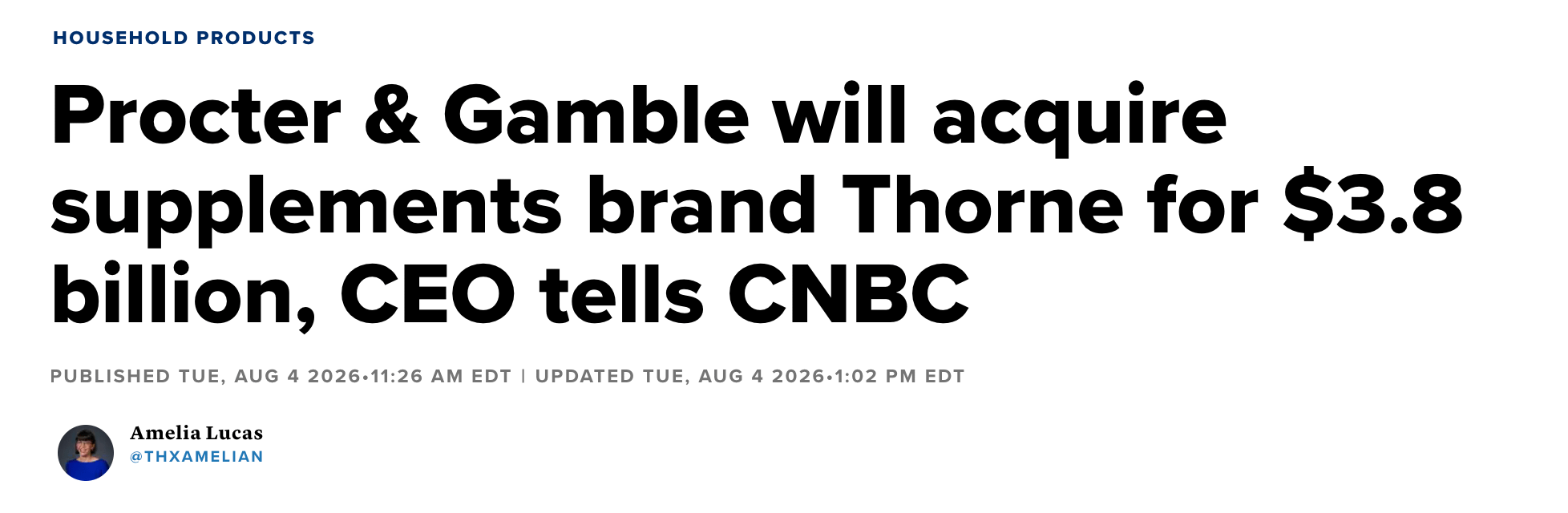
Phys Take: There’s no decline at this point. Even since 2023. But P&G just paid a 6x markup. Do the math…it needs to earn that back somehow. The three big moves I’m watching closely in the next year: 1) any formula shifts & sourcing disclosures, 2) $/serving (manipulation done via serving size most common), and 3) whether the robust practitioner network holds on or decides to give way to the big-box retail soon to come.
6. Grüns (acquired by Unilever, 2026)
Origin: A gummy “greens” startup founded in August 2023 by former private equity investor Chad Janis. Scaled the brand from a Stanford dorm room to what it is today.
Deal: Unilever bought it earlier in 2026 for $1.2 billion.
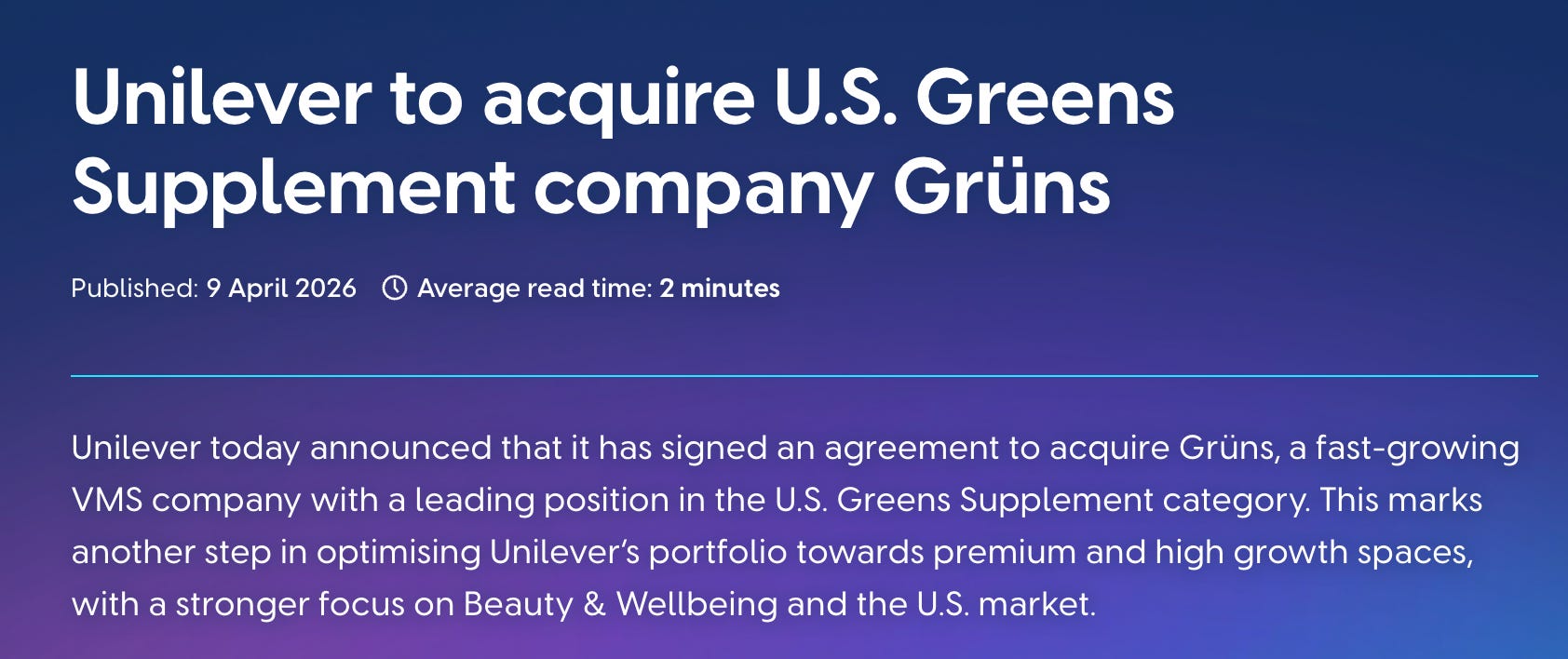
Phys Take: I’m a hard no on gummy supplement products as it is → underdosed, overpriced, & poor bioavailability due to thermal degradation of the intended compounds. This reinforces the rule even further.
7. 23andMe (acquired by TTAM Research Institute, 2025)
Origin: Co-founded in 2006 by Anne Wojcicki. Offers saliva-based, genetic DNA testing for ancestry.
Deal: Went public in 2021. Underwent a major data breach of 6.9 million people in 2023. Went bankrupt in 2025. Then sold its assets, including customers’ DNA data, for $305 million to a nonprofit led by Wojcicki herself. More than two dozen states sued to block the sale.
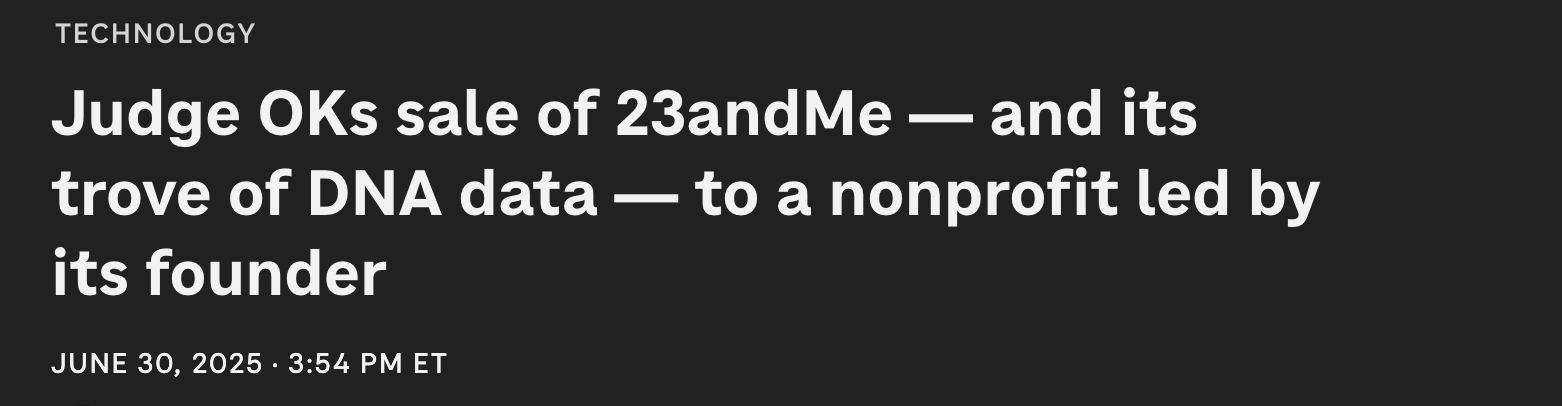
Phys Take: The situation has been nothing short of a disaster and has single-handedly tarnished the reputation of the entire DNA testing space. Ugly. And if you care about your personal data privacy, you’ll steer clear of most large-scale DNA testing services. At least for the time being.
8. Kate Farms (acquired by Danone, 2025)
Origin: Richard & Michelle Laver started it in a tiny kitchen for their daughter Kate, who was diagnosed with cerebral palsy and weighed only 15 pounds at age five.
Deal: Danone completed its majority acquisition in July 2025 bringing Kate Farms into its medical nutrition division.
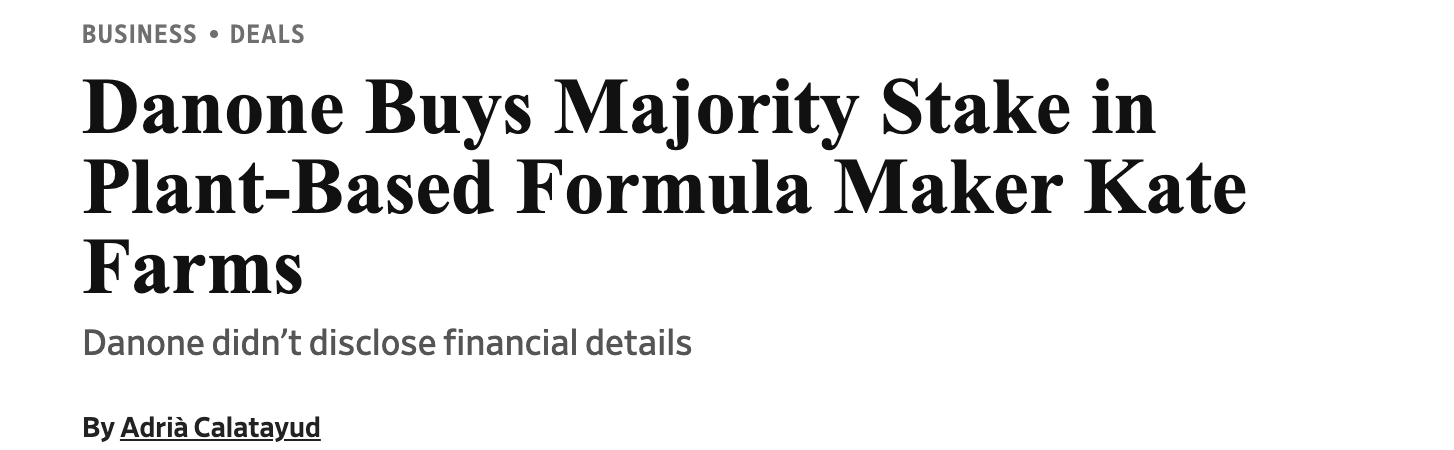
Phys Take: Possibly my favorite origin story on the list, but Danone is building a recent track record of taking some autonomy away from regional farmers. Nothing has manifested at this point. All we can do is hope for a smooth transition for anyone depending on their formula.
9. Poppi (acquired by PepsiCo, 2025)
Origin: The Ellsworths pitched an apple cider vinegar soda on Shark Tank in 2018 and accepted $400k for 25% equity. Expanded into & rode the gut health wave to wild success.
Deal: PepsiCo paid $1.95 billion.
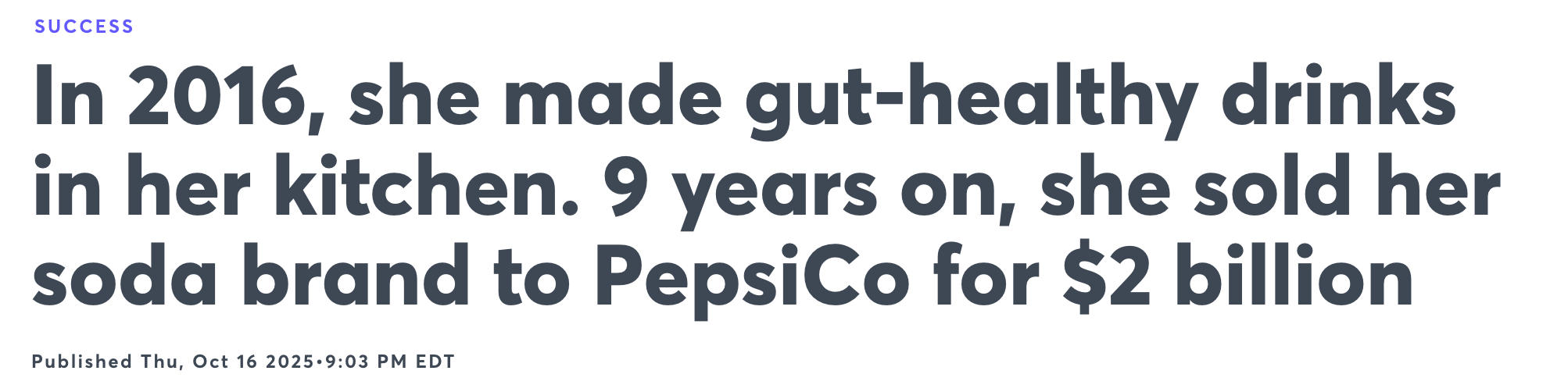
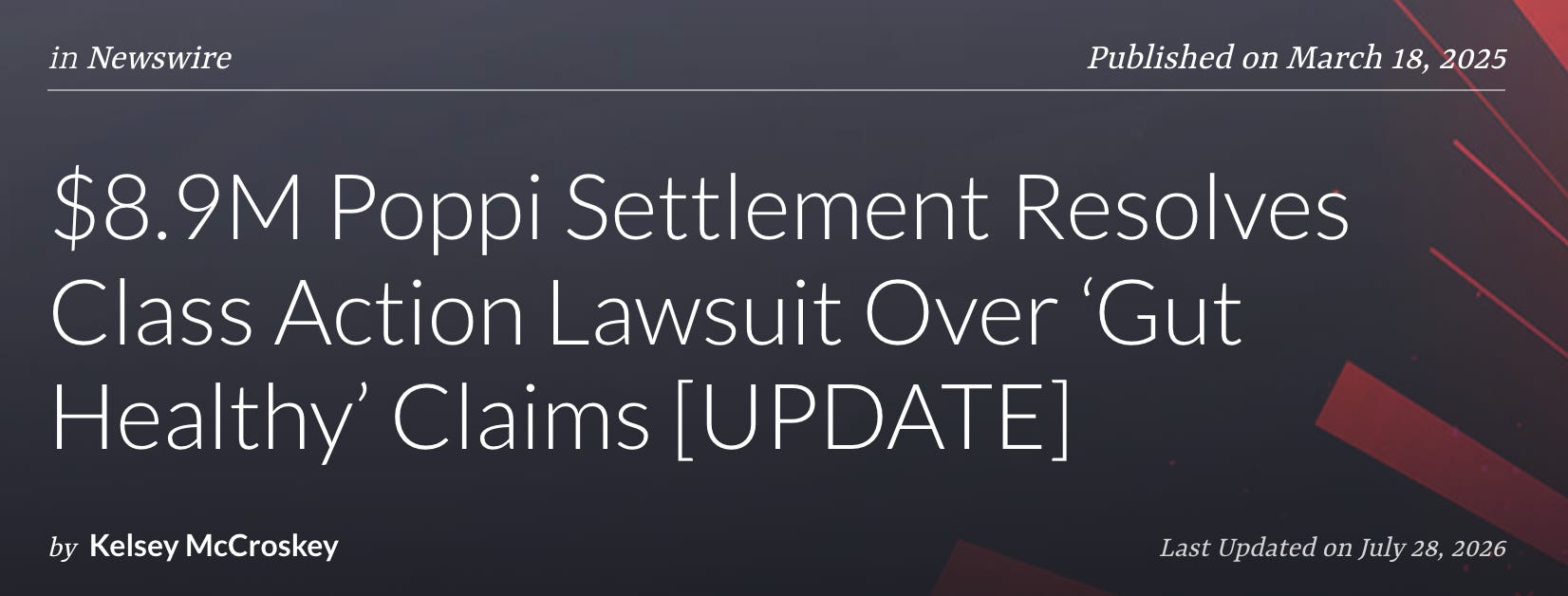
Just prior to the deal, Poppi agreed to an $8.9 million class-action settlement over its gut-health claims.
Phys Take: When it comes to prebiotics, probiotics, & postbiotics, go food first. The product itself hasn't changed much, and likely won't. However if you need to get your daily fiber intake from a soda, it might be time to reassess the rest of your diet first.
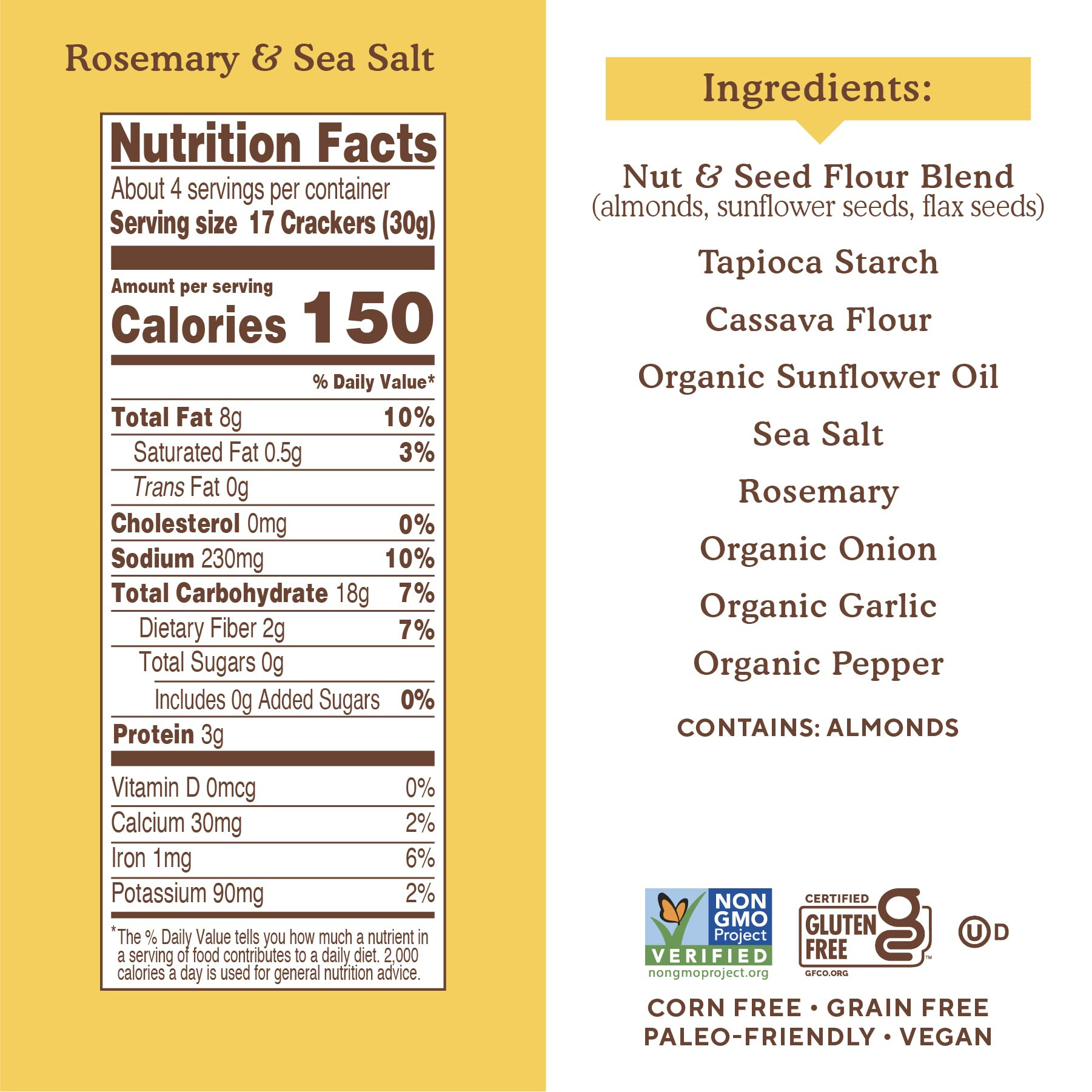
10. Simple Mills (acquired by Flowers Foods, 2025)
Origin: Founded in 2012 by Katlin Smith who was working as a management consultant & got exhausted of trash snack foods. Popularized the idea of crackers and baking mixes made from almond, seed and vegetable flours.
Deal: Flowers Foods paid $795 million. Flowers owns Wonder Bread and Tastykake. Its CEO promised a “fairly light touch” and no manufacturing changes for five years.

Phys Take: What “light touch” entails, I’m not sure. But I am sure an organic slop oil….is still slop oil. We’ve got better alternatives available within our space.
11. Siete Foods (acquired by PepsiCo, 2025)
Origin: Veronica Garza created an almond flour tortilla after going grain-free to manage her autoimmune conditions and launched Siete with her family in 2014.
Deal: PepsiCo paid $1.2 billion. PepsiCo said it’s committed to “preserving its special attributes.”
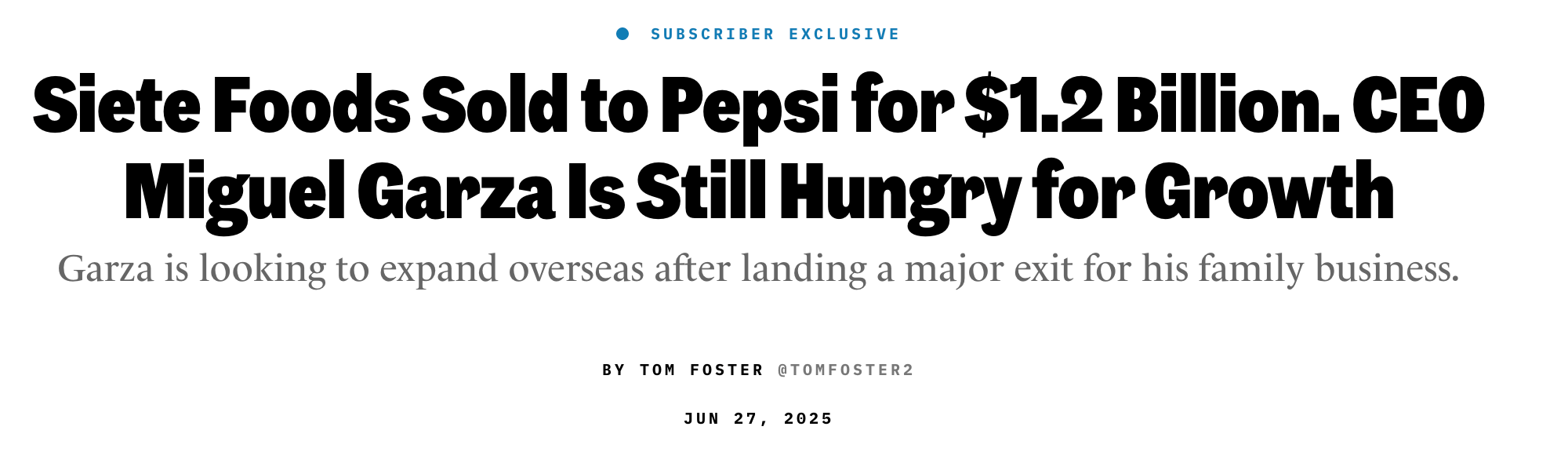
Phys Take: Another exceptional origin story and a brand that we’re remaining hopeful stays clean. Though, avocado oil products are already on the watchlist of every health-conscious consumer after the recent findings from a UC Davis study.
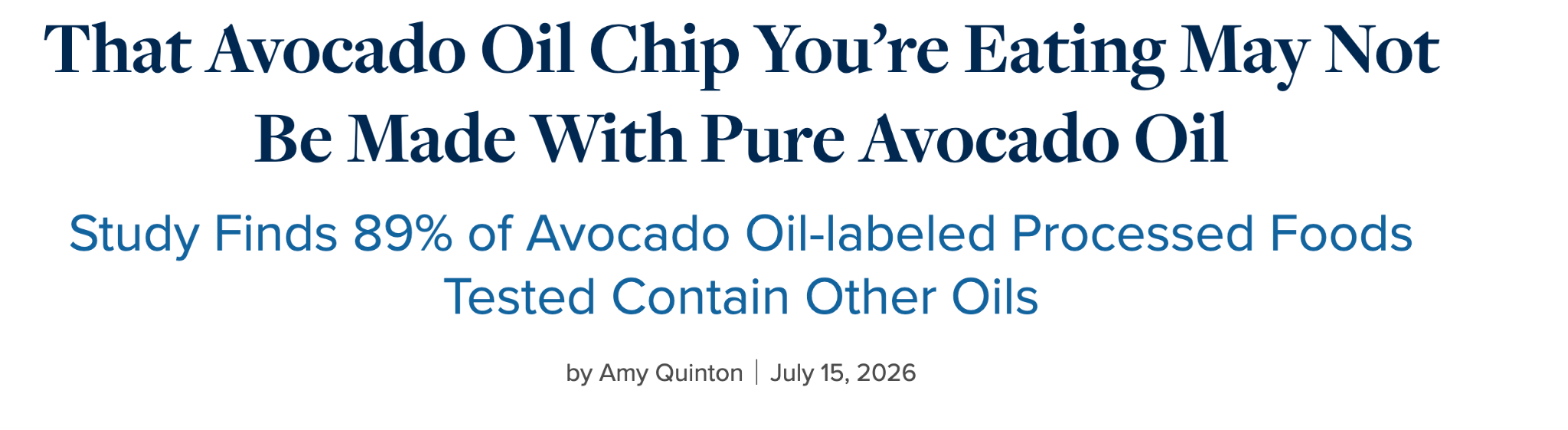
12. Horizon Organic (acquired by Platinum Equity, 2024)
Origin: Started in Boulder in 1991 by Mark Retzloff & Paul Repetto who helped to shape the USDA organic protocols. Was the first organic milk sold across the US from coast to coast.
Deal: Danone took ownership in 2017. By 2021, it terminated contracts with 89 Northeast family dairy farms.
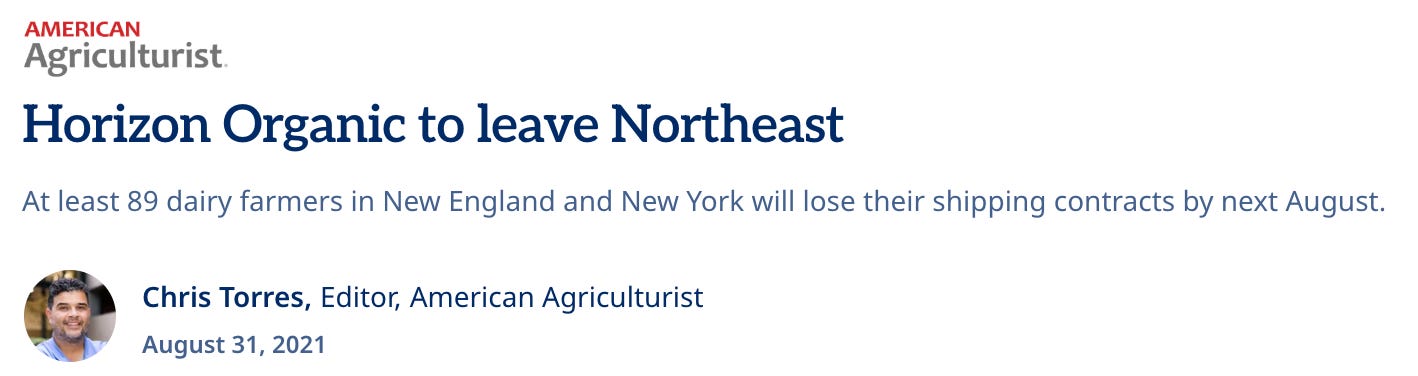
Members of Congress called the decision one “based solely on maximizing profits”.
Then Danone sold the brand to private equity citing its “dilutive” effect on margins.
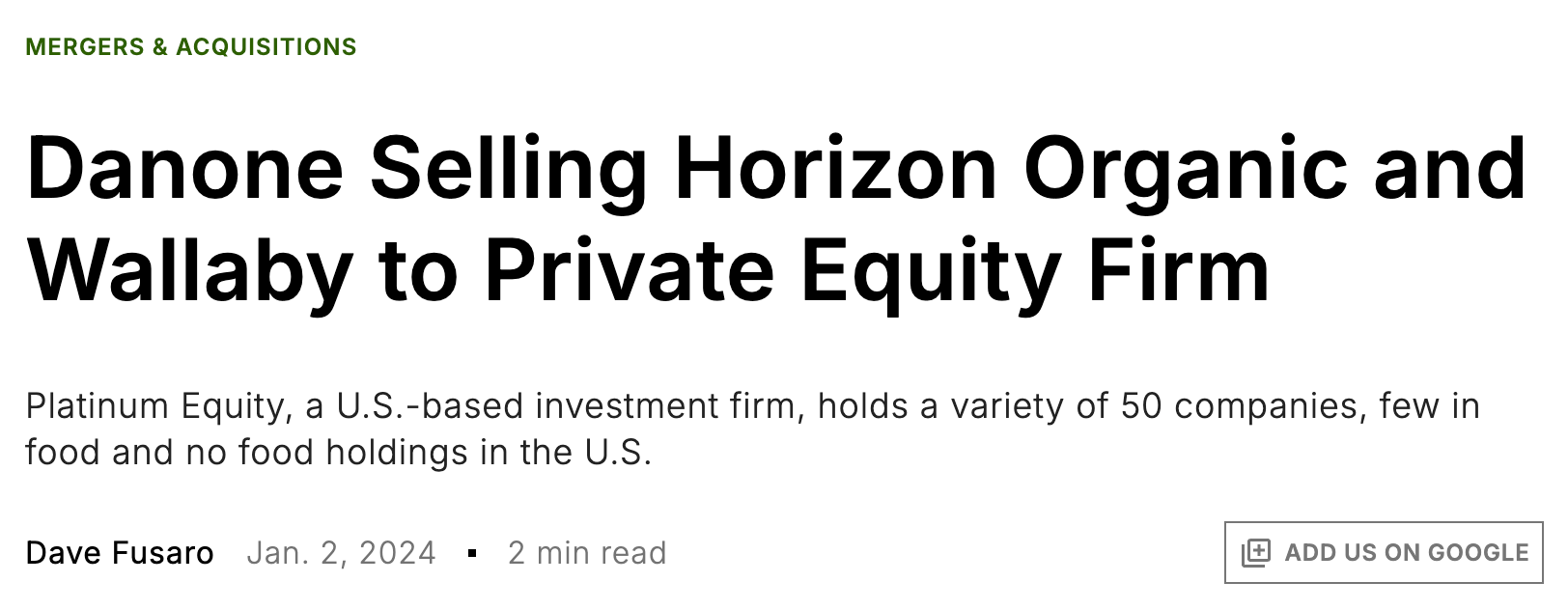
Phys Take: Horizon has long been criticized for their lackluster organic practices. One specific claim → more Horizon milk now comes from large-scale “organic” dairies in arid regions.
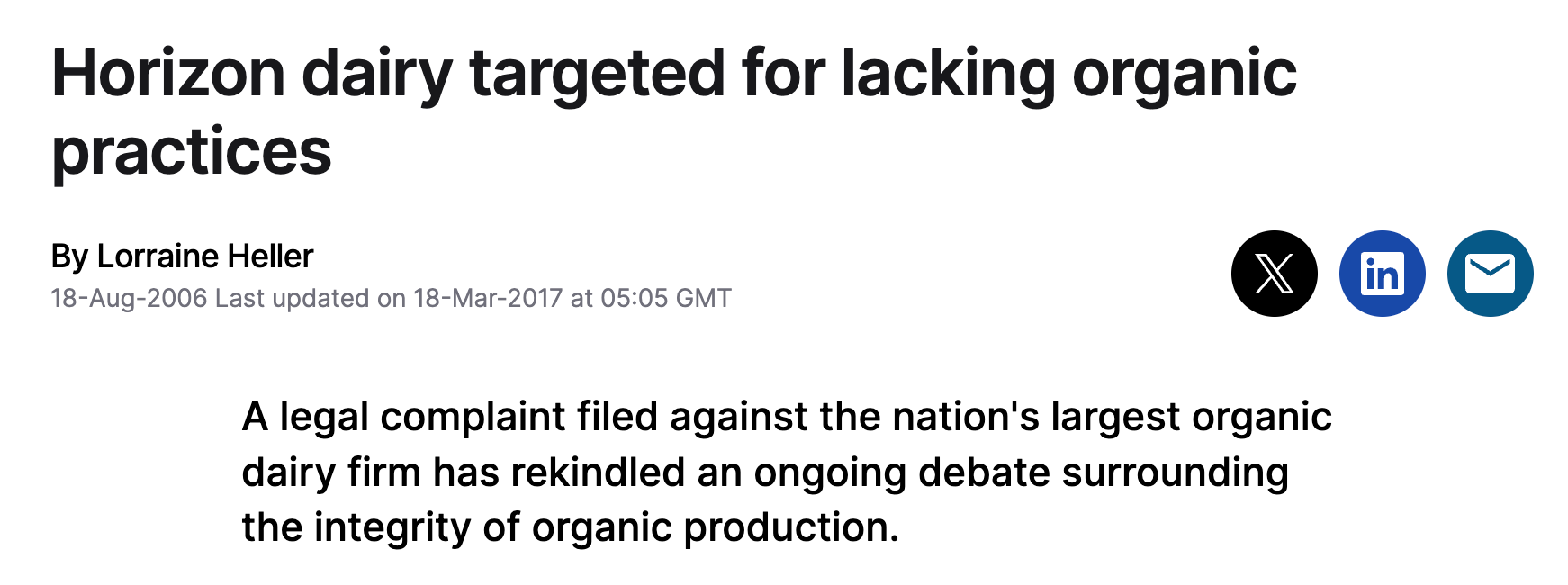
When it comes to dairy products (especially milk), opt for local farms or at least hunt for regional brands willing to name their farms.
13. Rao’s (acquired by Campbell’s, 2024)
Origin: A ten-table East Harlem restaurant that’s been a next to impossible reservation since the late ‘70s and in business since 1896. The family started jarring the marinara in 1992.
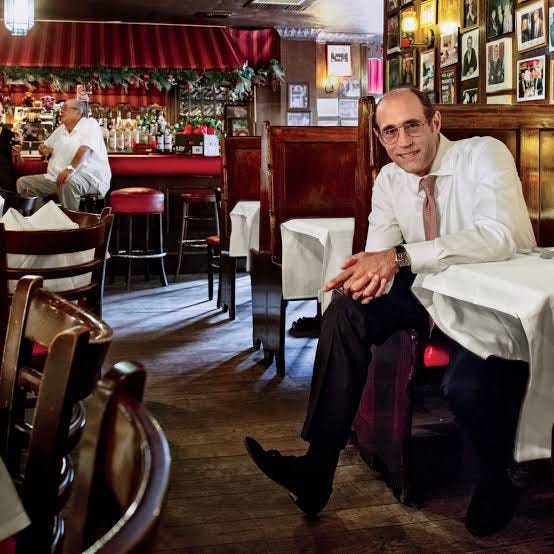
Deal: Campbell’s paid $2.7 billion for its parent company. Immediately after the acquisition, Campbell’s CEO stated: “We will not touch the sauce.”
Some swear the recipe changed. Others taste no difference. Ingredient-label photos back the “unchanged” camp.
Phys Take: A brand that has held on tight to its origins for the last 2+ yrs since being acquired. It’s a simple label that remains unchanged. The Rao’s tradition runs deep so we’re optimistic for this one.
14. Clif Bar (acquired by Mondelēz, 2022)
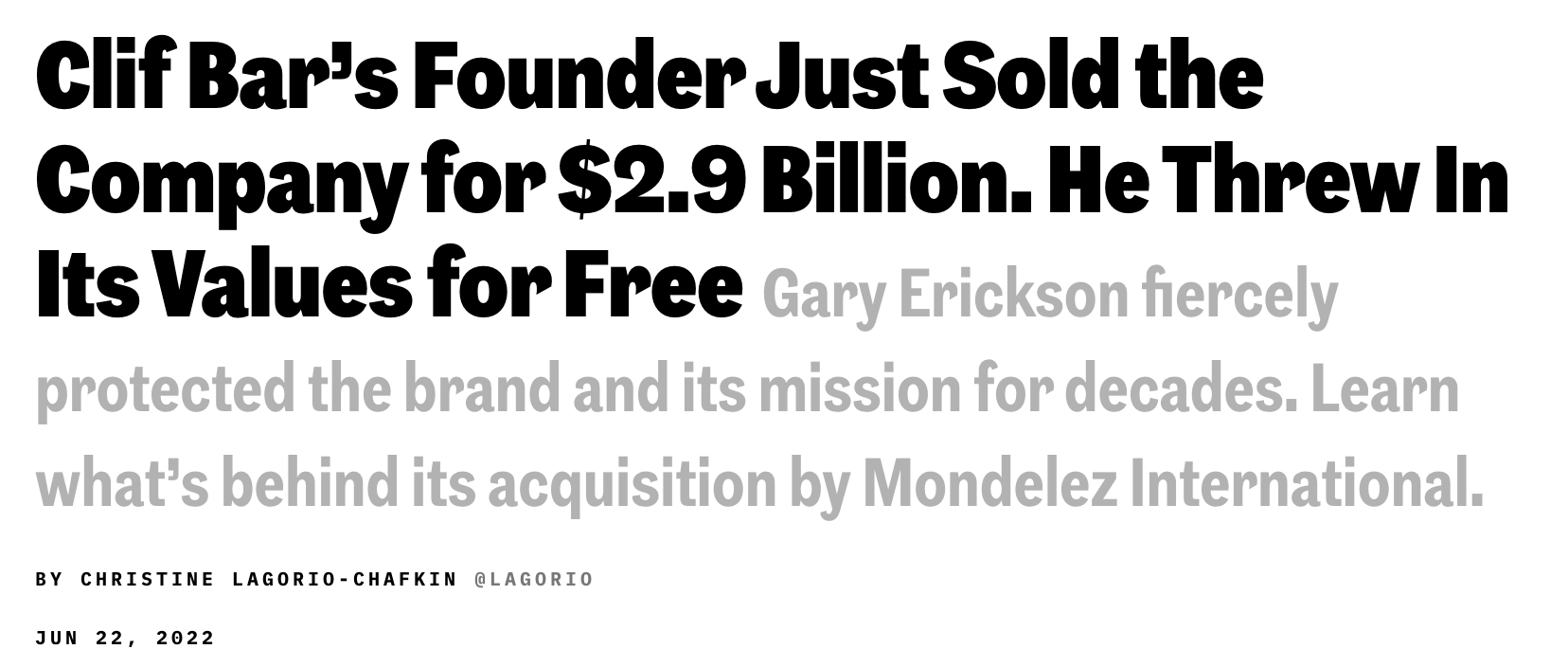
Origin: After a 175-mile bike ride in 1990, Gary Erickson got tired of slop bars, took his idea to his mom and launched CLIF Bar. 10 years later, he turned down $120 million from Quaker Oats to keep the company independent.
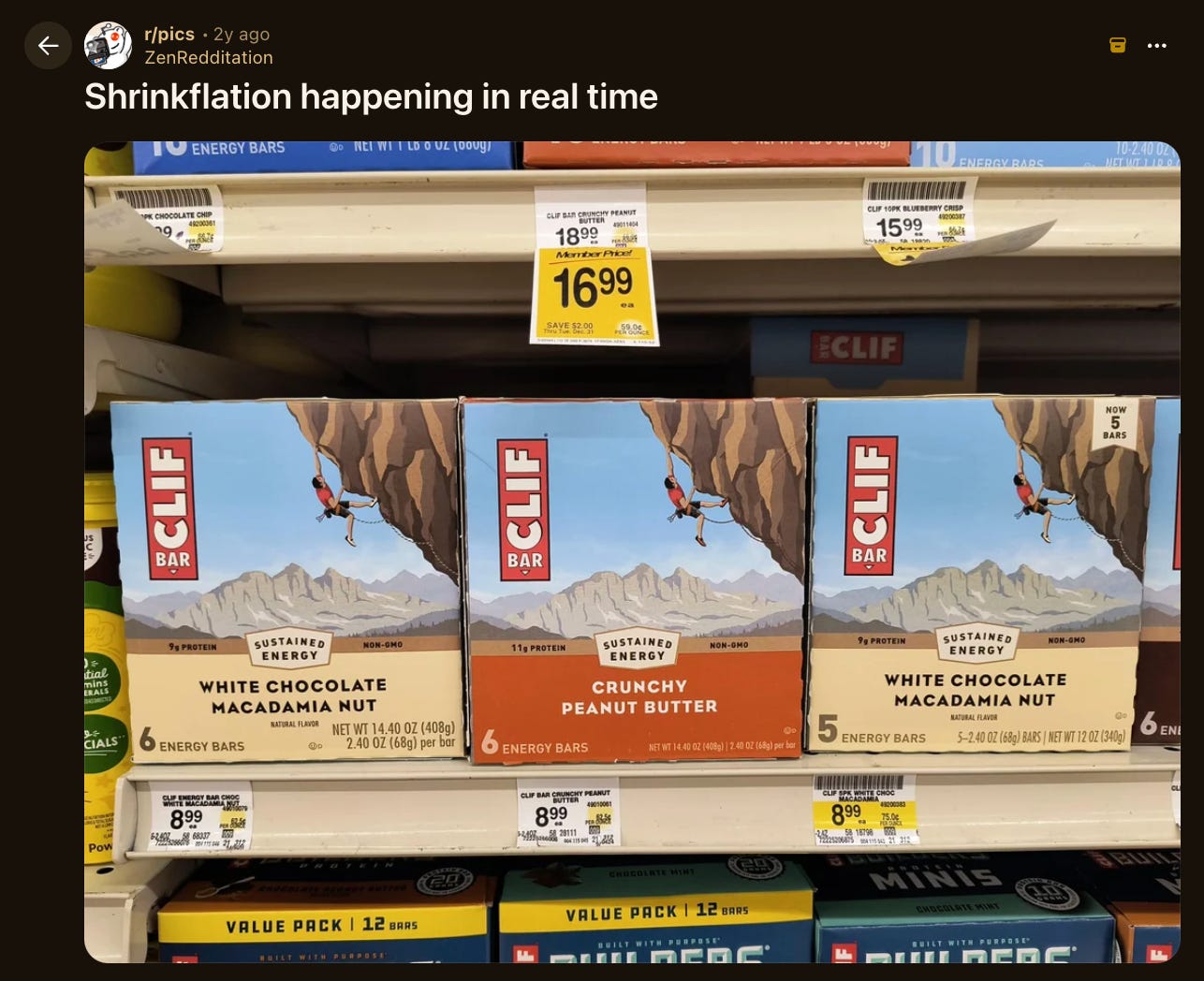
Deal: Mondelēz, the maker of Oreos, paid $2.9 billion in 2022. In the recent past, some are noticing the Builder’s bar taste & texture are “totally different.”
Phys Take: Bending the knee to shrinkflation indeed. Many such cases.
15. Orgain (acquired by Nestlé, 2022)
Origin: Dr. Andrew Abraham, an integrative medicine physician & cancer survivor himself, founded it in 2009 to provide a cleaner protein source for his own patients.
Deal: Private equity firm Butterfly bought a majority stake in 2019.
They sold it to Nestlé in 2022 for more than $1B with an option for Nestlé to take full ownership.

Phys Take: Followed the classic timeline we drew out to the T.
Founder → private equity firm → Nestlé in three years. We have yet to see any documented formula decline (per the plant-based protein users I work with). We’re hopeful Dr. Abraham’s minority ownership continues to guide them properly.
16. Tropicana (acquired by PAI Partners, 2022)
Origin: A Sicilian immigrant, Anthony Rossi started it in Florida in 1947 to bring fresh fruit boxes to the American South.
Deal: PepsiCo bought Tropicana in 1998 for $3.3 billion. PepsiCo only recently sold control to private equity firm PAI Partners in 2022.
A redesigned, smaller bottle dragged sales down 19%.
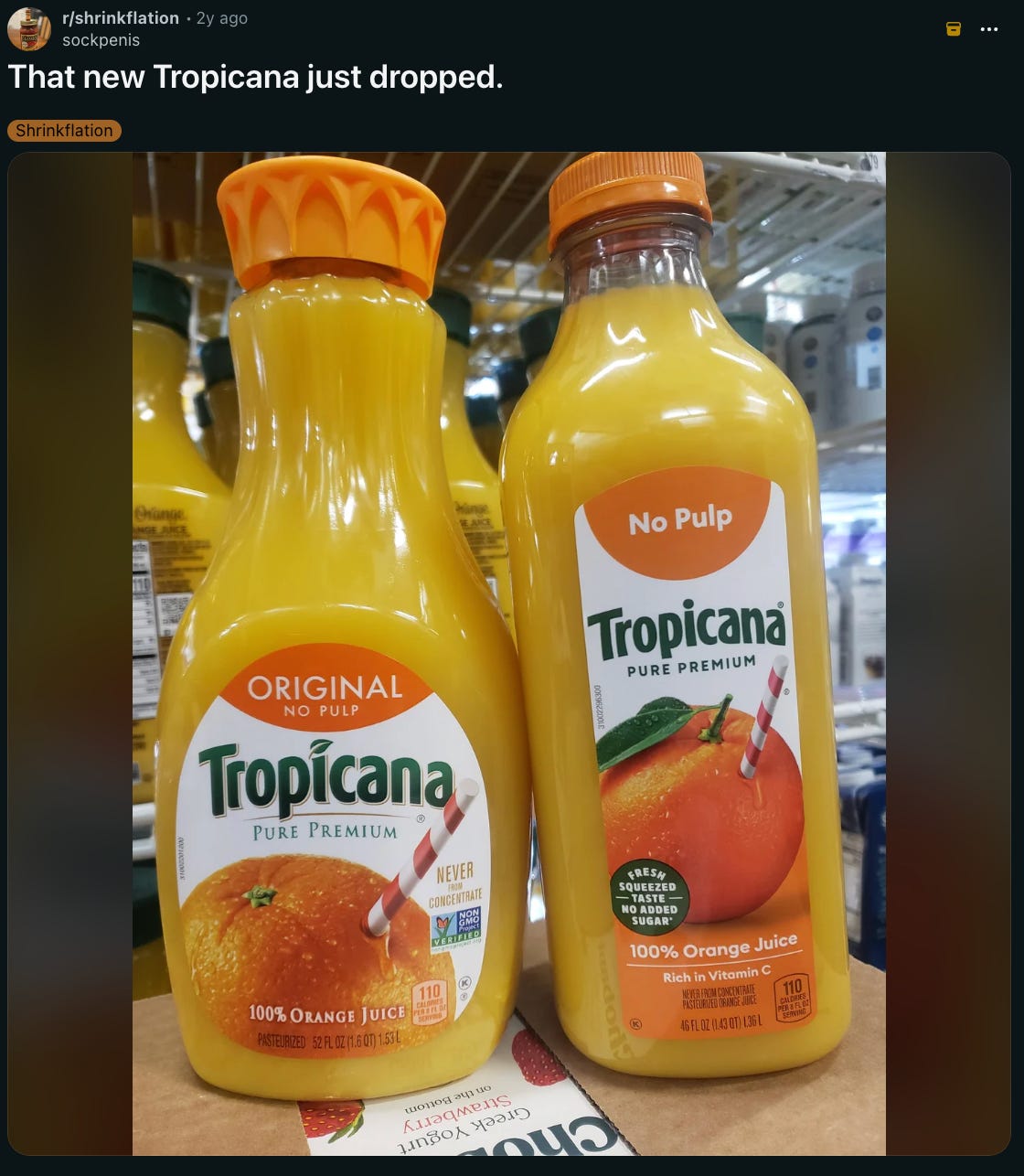
Then PAI had to provide a $30 million emergency loan in early 2025.
Phys Take: Quite possibly one of the clearest private-equity playbook examples on the list: load the brand with debt → shrink the package → hope nobody is paying attention. On a long enough timeline, it’s the price paid for enshittifying and turning your back on customers.
17. Kodiak Cakes (acquired by L Catterton, 2021)
Origin: In 1982, an eight-year-old Joel Clark & his older brother Jon were selling their mom’s hand-milled pancake mix around the neighborhood from a wagon.
Deal: Revenue grew from $15 million → $200 million in less than five years. Then private equity firm L Catterton snagged control with a plan to push into categories “where white flour dominates.”

Phys Take: One that is a clear watch list add, but also one where the verdict is still out. They’ve been hit with two class action lawsuits in the last seven years.
One (Stewart v. Kodiak) stating its natural claim was BS.
And the other (Hinkley v. Kodiak) saying protein content was lower than advertised.

18. Vega (acquired by WM Partners, 2021)
Origin: Vegan Ironman Brendan Brazier & Charles Chang built it in 2004 as one of the first mainstream plant-protein brands.
Deal: WhiteWave paid $550 million for it in 2015.
Danone took control two years later.

In 2021 Danone sold it to private equity firm WM Partners. WM’s co-founder promised to apply its “operational playbook to create additional value.”
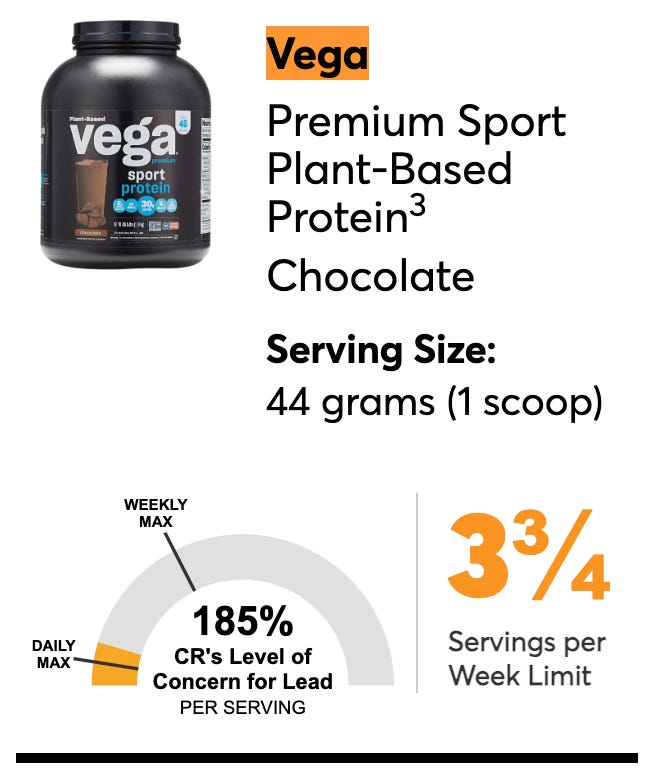
Phys Take: Throwing around “operational playbook” language is PE code for “we’re increasing margins”. When it comes to plant-based protein, the cost is often paid in heavy metals.
19. Onnit (acquired by Unilever, 2021)
Origin: Aubrey Marcus founded the brand in 2010 on the basis of “total human optimization”.
Deal: Unilever bought it in 2021, while Marcus stayed on only as a brand ambassador.
Phys Take: Onnit is notorious for proprietary formulas & inefficacious doses. For example, Alpha Brain (below).
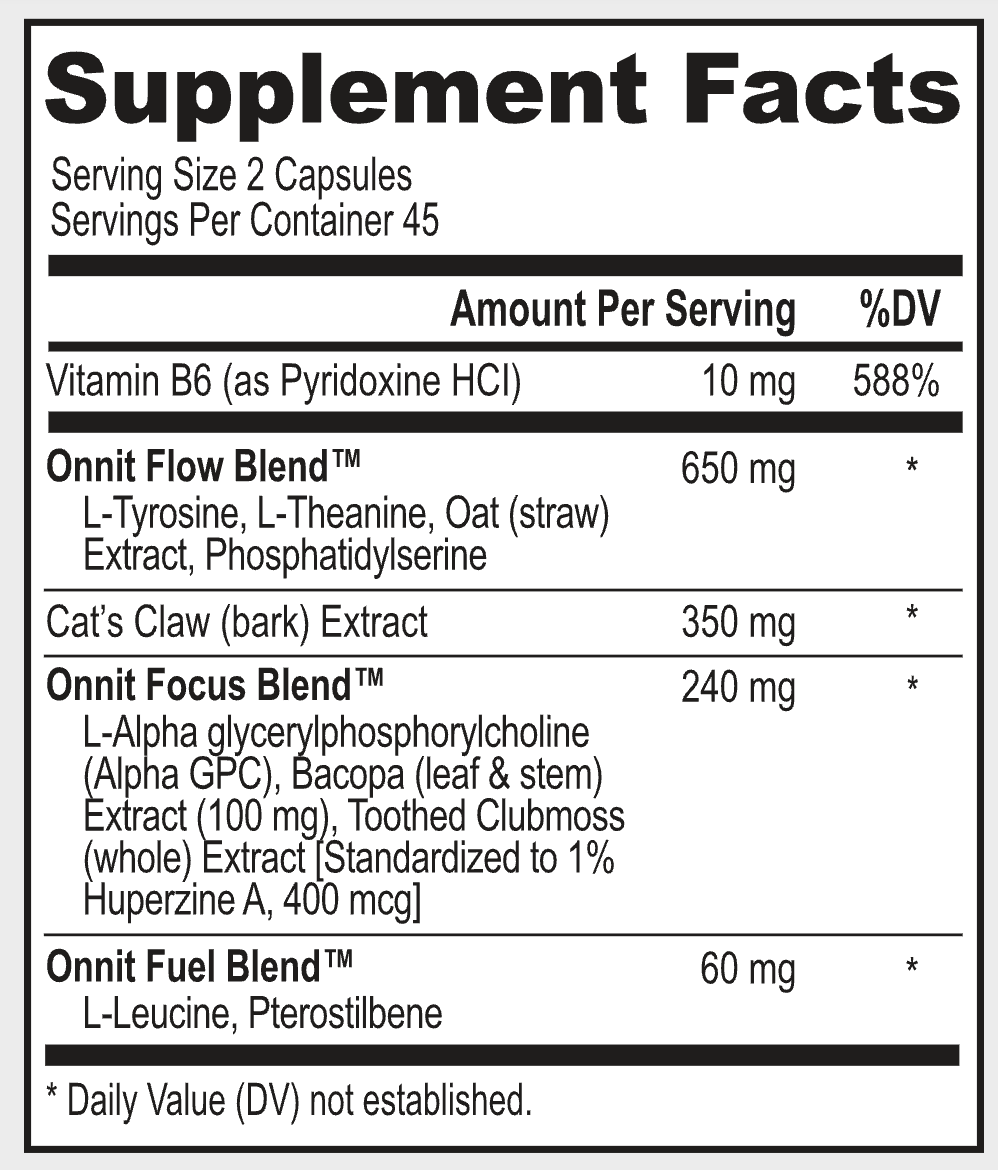
You’re much better off buying the individual ingredients and dosing them properly yourself.
20. Liquid I.V. (acquired by Unilever, 2020)
Origin: Founder Brandin Cohen got his inspiration when he noticed baseball players opted for Pedialyte as their choice of hydration solution. He then went on to create Liquid I.V. in 2012.
Deal: Unilever acquired Liquid I.V. for ~$500 million. Cohen said they’d “keep on doing exactly what we are doing.”

Phys Take: I’ve never hopped on the Liquid I.V. bandwagon, but there’s been some sentiment over the last couple years of a flavor shift.
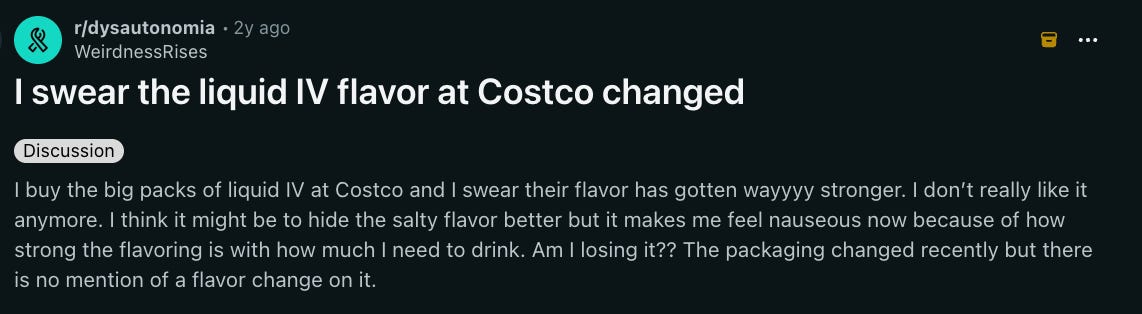
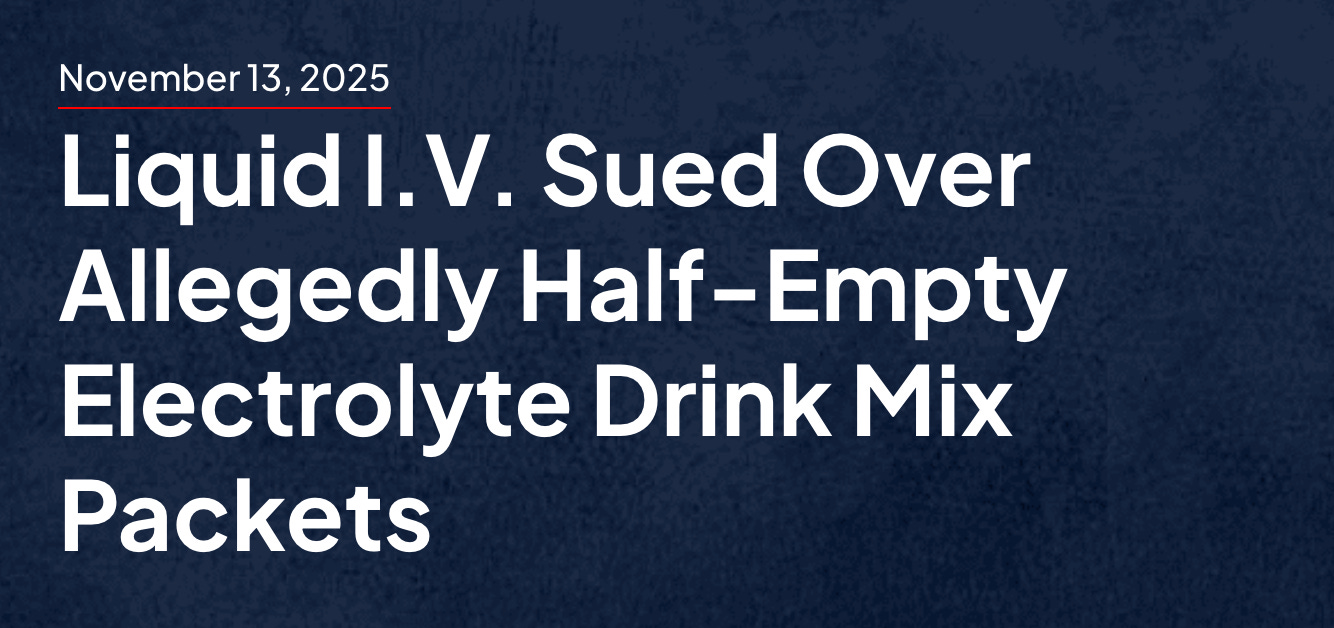
In the last year alone, there hasn’t been a shortage of class action lawsuits against Liquid I.V. either.
21. KIND (acquired by Mars, 2020)
Origin: Daniel Lubetzky launched the fruit & nut-based bar in 2004 on the basis of wanting something “wholesome, but also convenient”.
Deal: When Mars bought a minority stake in 2017, he was adamant he wouldn’t sell the company outright. Three years later, Mars bought KIND North America in a $5 billion deal.

Through its Kellanova purchase, they also took over RXBAR.
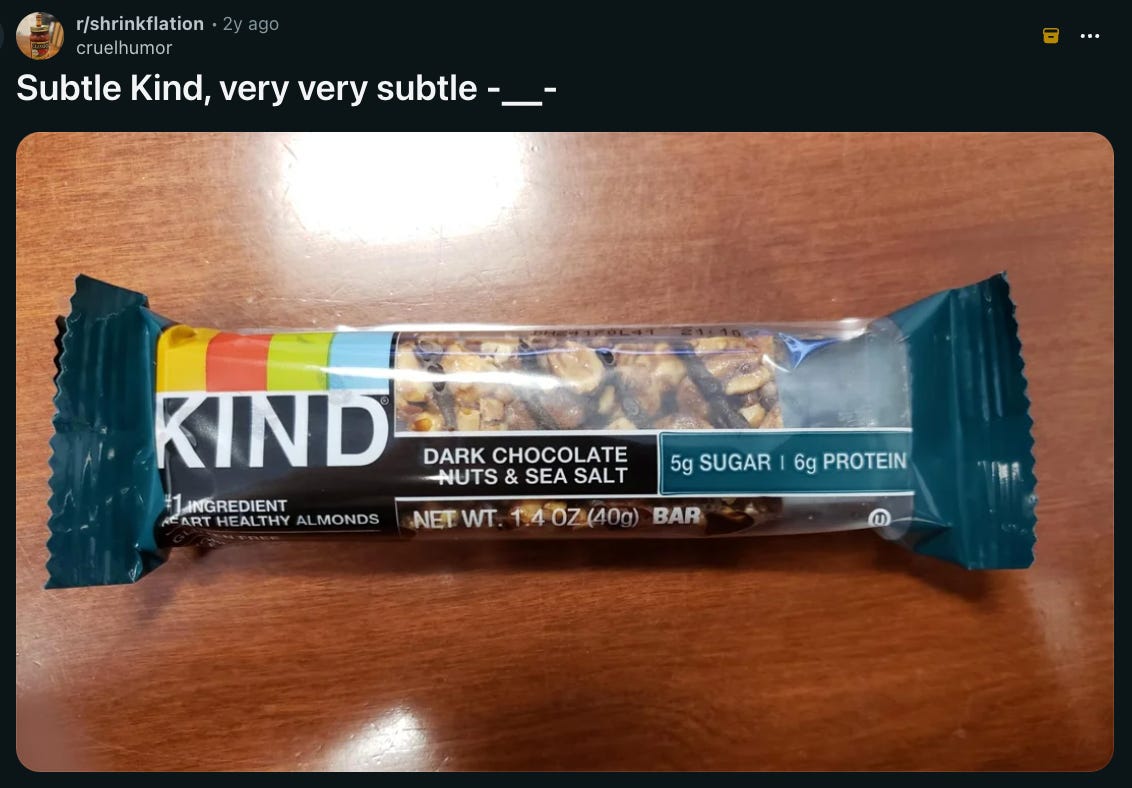
Phys Take: Some of the sneakiest cases of shrinkflation on our list. Smaller bars. Discontinued sizes. Less chocolate.
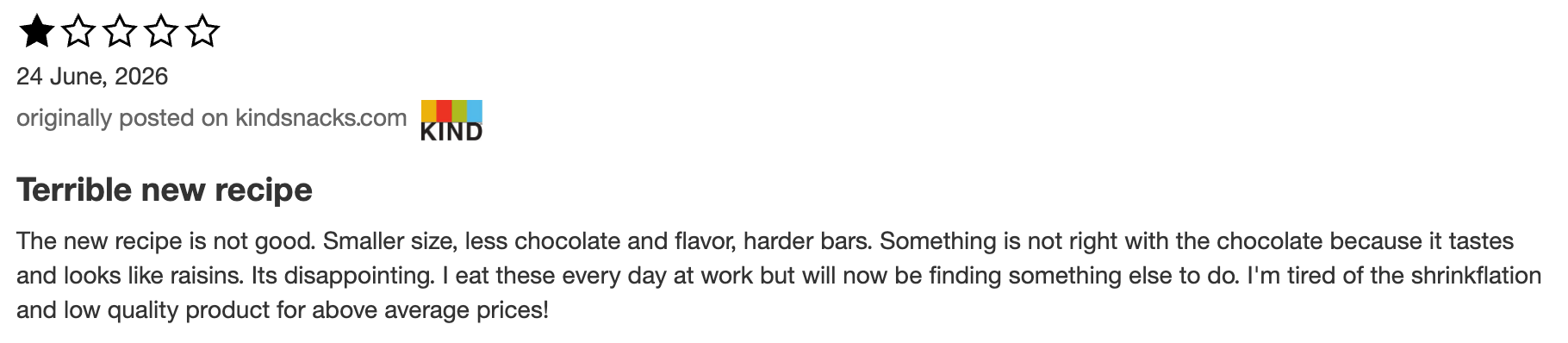
These were a personal quick snack a decade ago so it’s sad to see these guys begin their decay. What do you expect when a candy bar company takes over a “health” food brand?
22. Jarrow Formulas & Natrol (acquired by New Mountain Capital, 2020)
Origin: Jarrow Rogovin founded Jarrow in 1977 by hand delivering supplement orders to local Los Angeles health food stores.
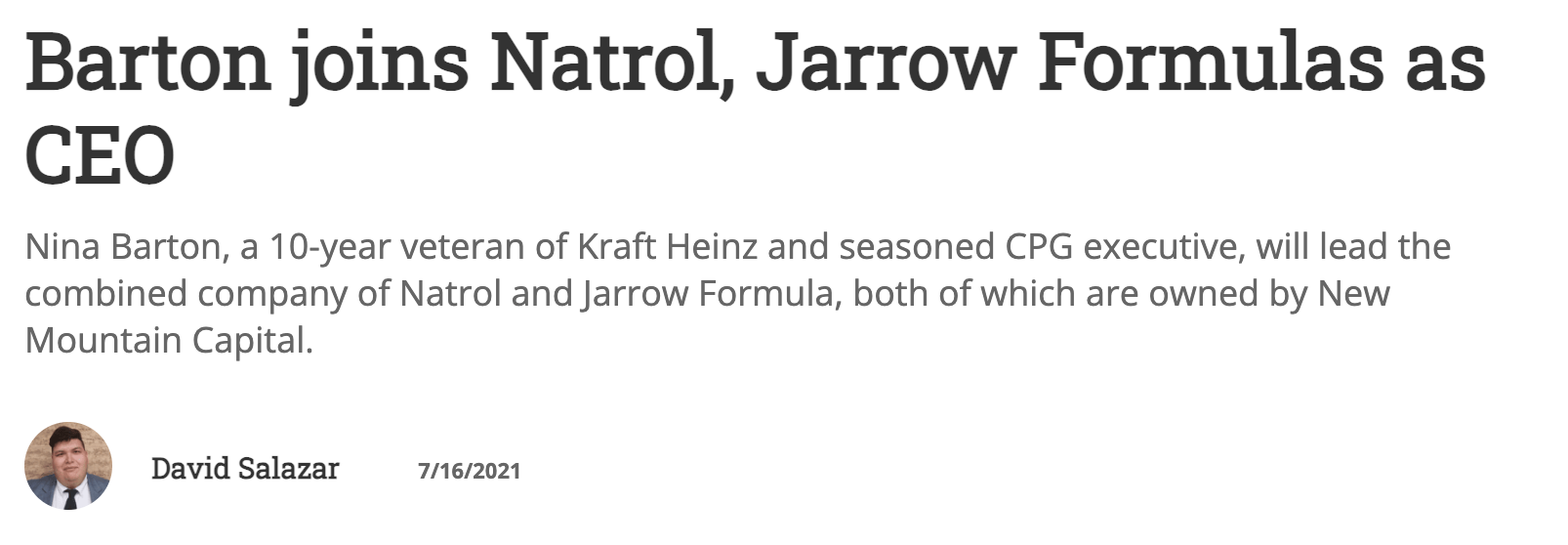
Deal: PE firm New Mountain Capital bought Jarrow & picked up Natrol for $550 million.

Then merged them & installed a CEO from Kraft Heinz.
In 2022, they rebranded the parent company as Vytalogy Wellness.
Phys Take: Jarrow continues to test well on 3rd party testing. Fairly priced with pure compound products and is even willing to hand over COAs upon email request. A brand that is holding on tight.
23. GNC (acquired by Harbin Pharmaceutical, 2020)
Origin: GNC got its start when David Shakarian opened a single Pittsburgh health food store in 1935.
Deal: They filed for Chapter 11 bankruptcy. Then sold for $770 million to its largest shareholder, China’s state-owned Harbin Pharmaceutical.
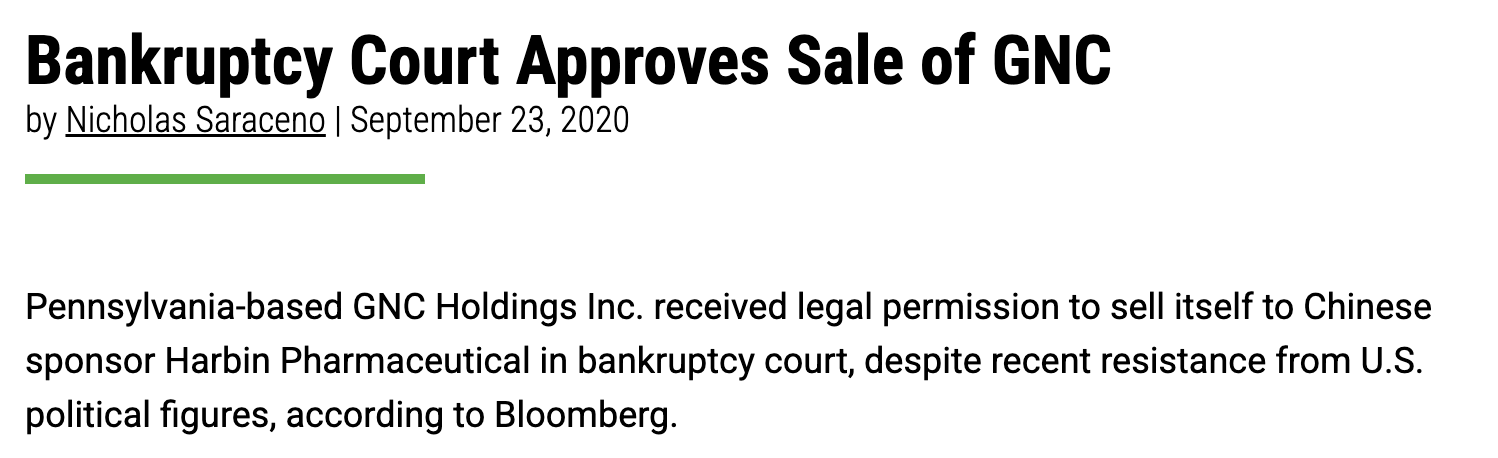
The sale went through over then Sen. Marco Rubio’s objections about customer data.
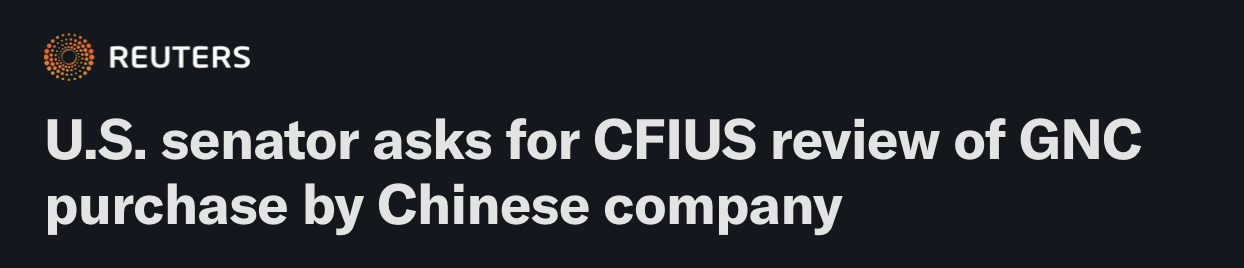
Phys Take: Went from America’s supplement store to Chinese state-owned and was recently the primary impetus for new legislation in Congress.
“My team uncovered that GNC is fully owned by the Chinese Communist Party and operating more than 80 stores on U.S. military bases…it’s a direct threat to our national security. We moved quickly to get a solution on the table and introduced the Military Installation Retail Security Act in the House.”
— Congressman Pat Harrigan (R-N.C.-10)
I don’t think we need to elaborate any more. Steer clear.
24. Vital Proteins (acquired by Nestlé, 2020)
Origin: A former NASA aerospace engineer launched it in Chicago in 2012 after searching for a natural cure for his running-induced joint pain.
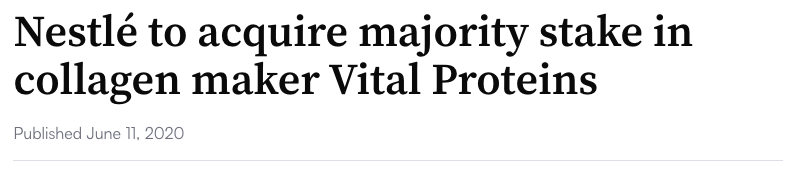
Deal: Nestlé Health Science bought a majority stake in 2020.
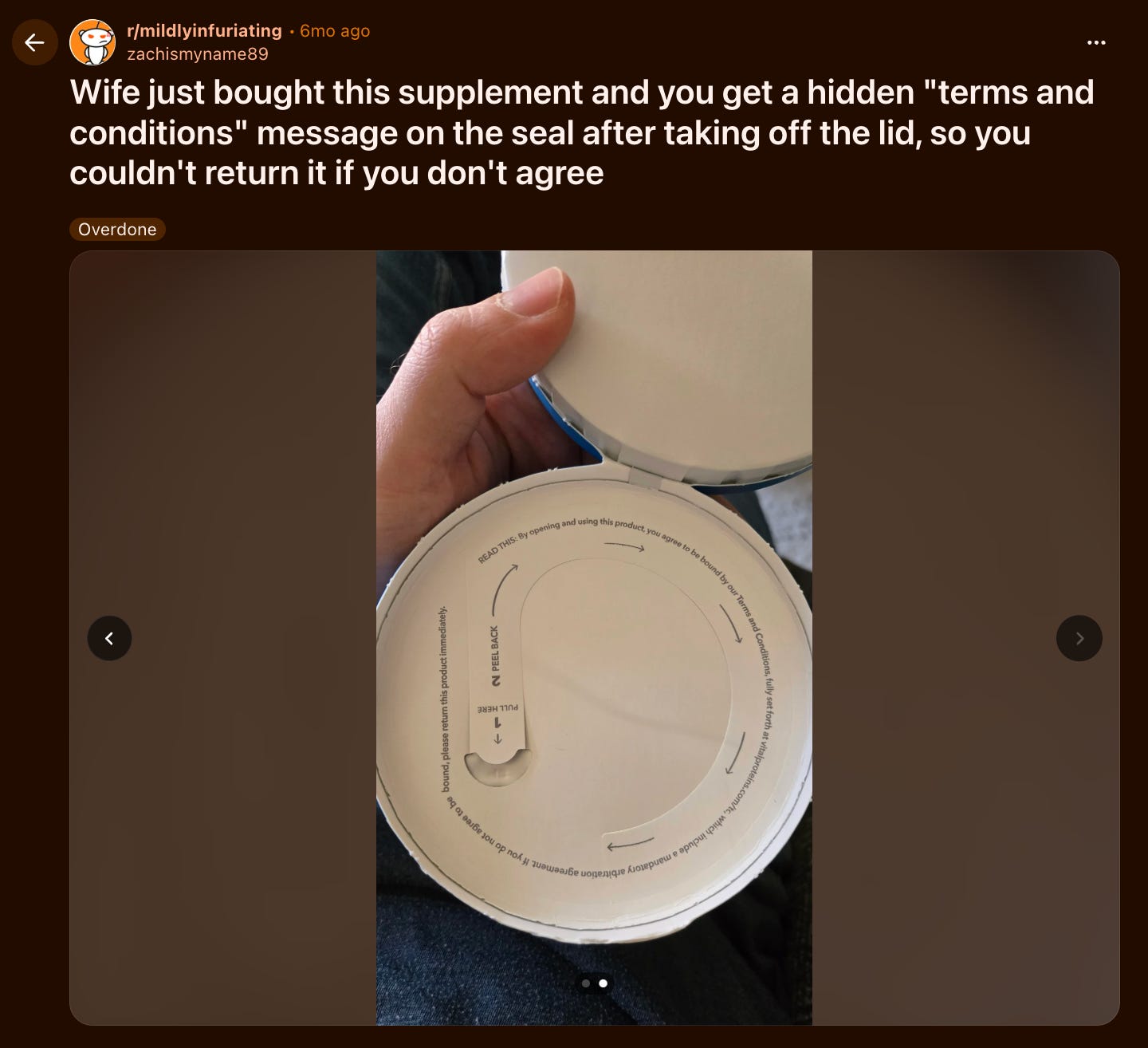
Phys Take: Pop open a fresh collagen container and you’ll see fine print of terms & conditions on the seal. A subtle way to deter consumer lawsuits. Plenty of higher quality options priced similarly.
25. Quest Nutrition (acquired by Simply Good Foods, 2019)
Origin: Shannan Penna created the first high protein bars in her kitchen in 2010. Tom Bilyeu & his co-founders transformed them into a staple every fitness enthusiast in the 2010s knew about.
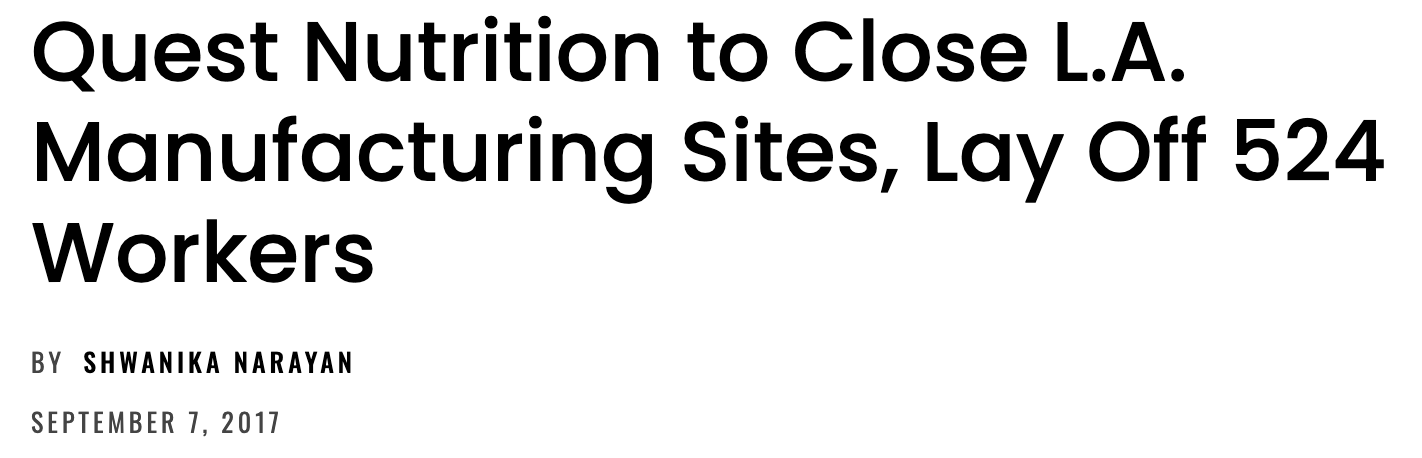
Deal: Prior to the sale in 2017, Quest closed its two LA plants, laid off 524 workers, & outsourced production.
Simply Good Foods went on to cash purchase it for $1B.
Phys Take: There’s always been something a little off about Quest bars to me. Pre-2019, they were like bricks. In the recent years, the taste was subpar at best. The protein bar market has matured to the point where they had first-mover advantage and never evolved.
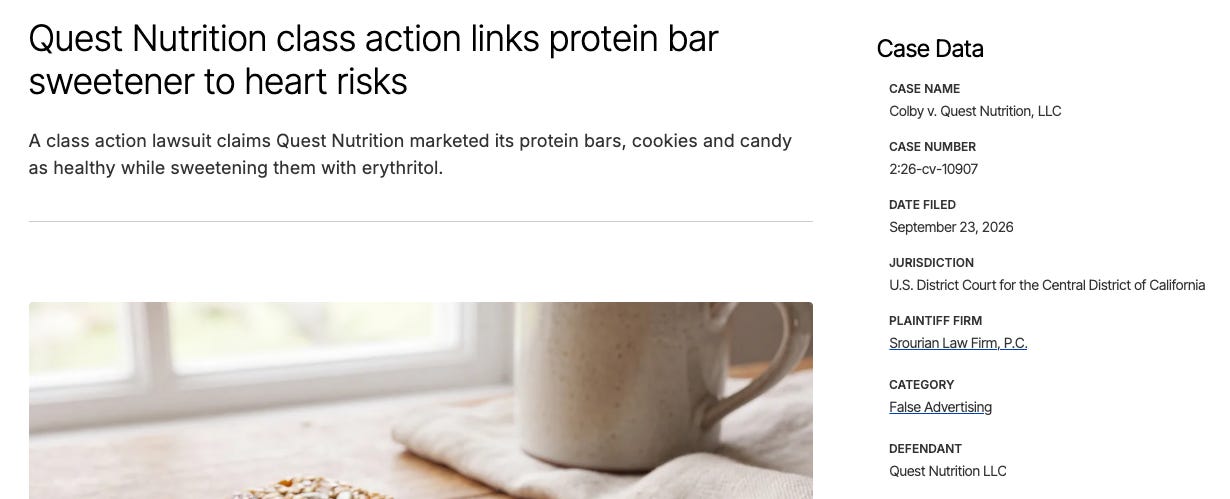
This case also serves as a reminder not all class action lawsuits are equal. This may be one of the dumbest ones we’ve seen out of any brands facing one.
26. Natural Vitality (aka Calm products) (acquired by Clorox, 2018)
Origin: Natural Vitality was founded in 1982. Its Calm powder became the #1 magnesium brand in America.
Deal: Clorox paid $700 million…saying the quiet part out loud….”attractive gross margins.”
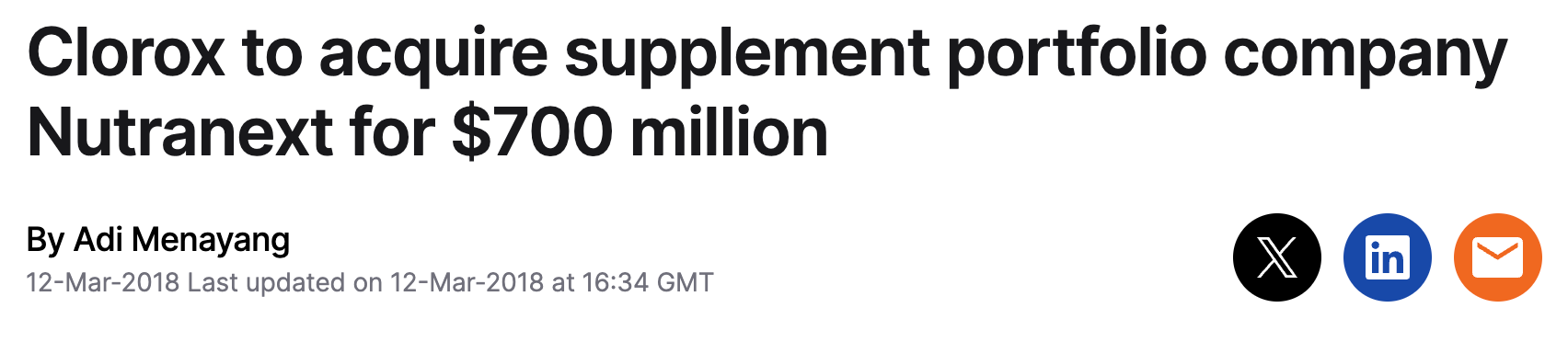
In 2024 Clorox sold the brand to family-owned Piping Rock.
Phys Take: A half-redemption story here. Clorox held onto Calm for six years then put it back in family hands. That still doesn’t take away from Calm’s poorly formulated magnesium products using magnesium citrate, gummies, & overall inefficacious dosing. Pass.
27. Garden of Life & Pure Encapsulations (acquired by Nestlé, 2017)
Origin: Jordan Rubin built Garden of Life out of his own recovery from Crohn’s disease. Quickly became the gold standard for organic supplements sold mostly in health food stores.
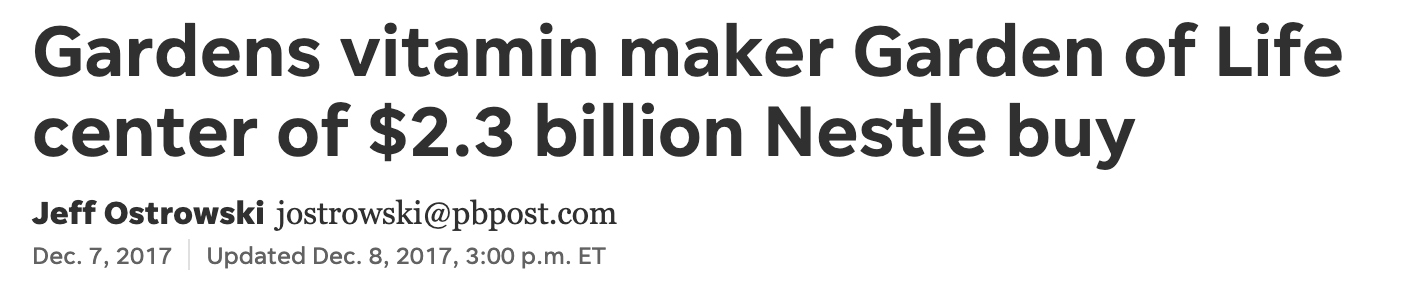
Deal: Nestlé bought parent company Atrium for $2.3 billion, which included Pure Encapsulations.
Garden of Life ended up swapping many independent retailers, who dropped out of protest for retail stores like Walmart & CVS.

Phys Take: Reviews in the last few years reported fewer micronutrients per serving & palm oil added to products that never had it previously.
Textbook case of a Nestlé takeover turning into formula decay.
28. Native (acquired by Procter & Gamble, 2017)
Origin: Moiz Ali launched in 2015 with $1k selling a coconut oil, baking soda, & shea butter deodorant online.
Deal: P&G bought it for $100 million. Ali left in 2020 and a P&G skin care executive took over.
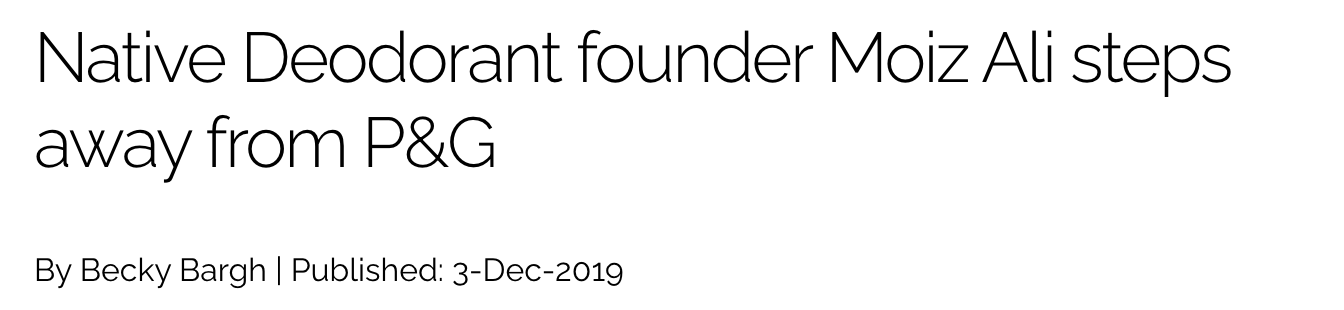
P&G recently reformulated deodorants & body washes. Now it’s marketed as baking soda-free…one of the three ingredients the brand was built on.
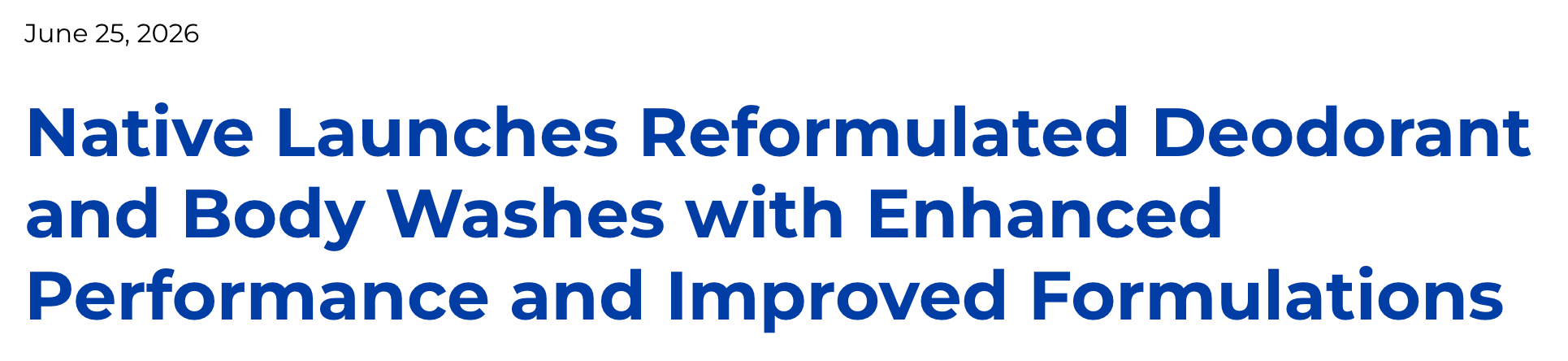
Phys Take: Personal care products are a little tougher to recognize changes than supplements & food products. I’ve been a user for the last 5–6 yrs and haven’t myself. There aren’t many reviews or cases of reduced quality for these guys either. Mostly just resistance to P&G running the show.
29. Topo Chico (acquired by Coca-Cola, 2017)
Origin: Bottled from a spring in Monterrey, Mexico since 1895. Picked up a huge following with the patriots of Texas. Then went national.
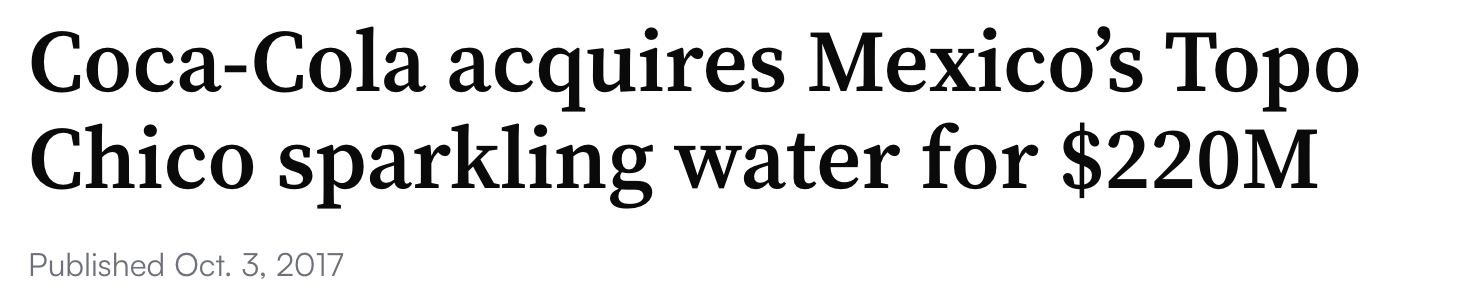
Deal: Coca-Cola bought it in 2017 for $220 million.
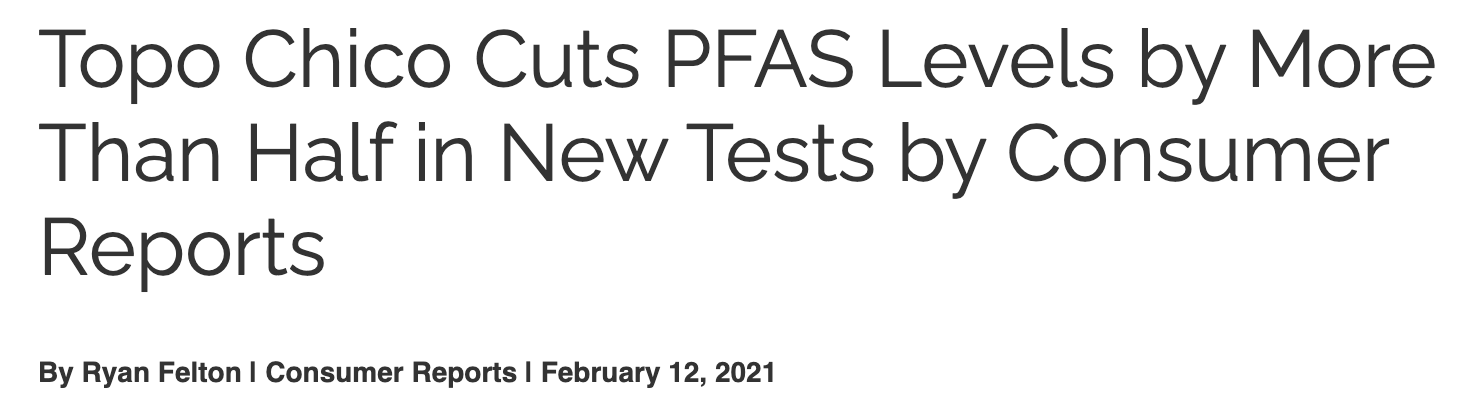
In 2020, Consumer Reports found it had the highest PFAS level of any sparkling water it tested at 9.76 parts per trillion.
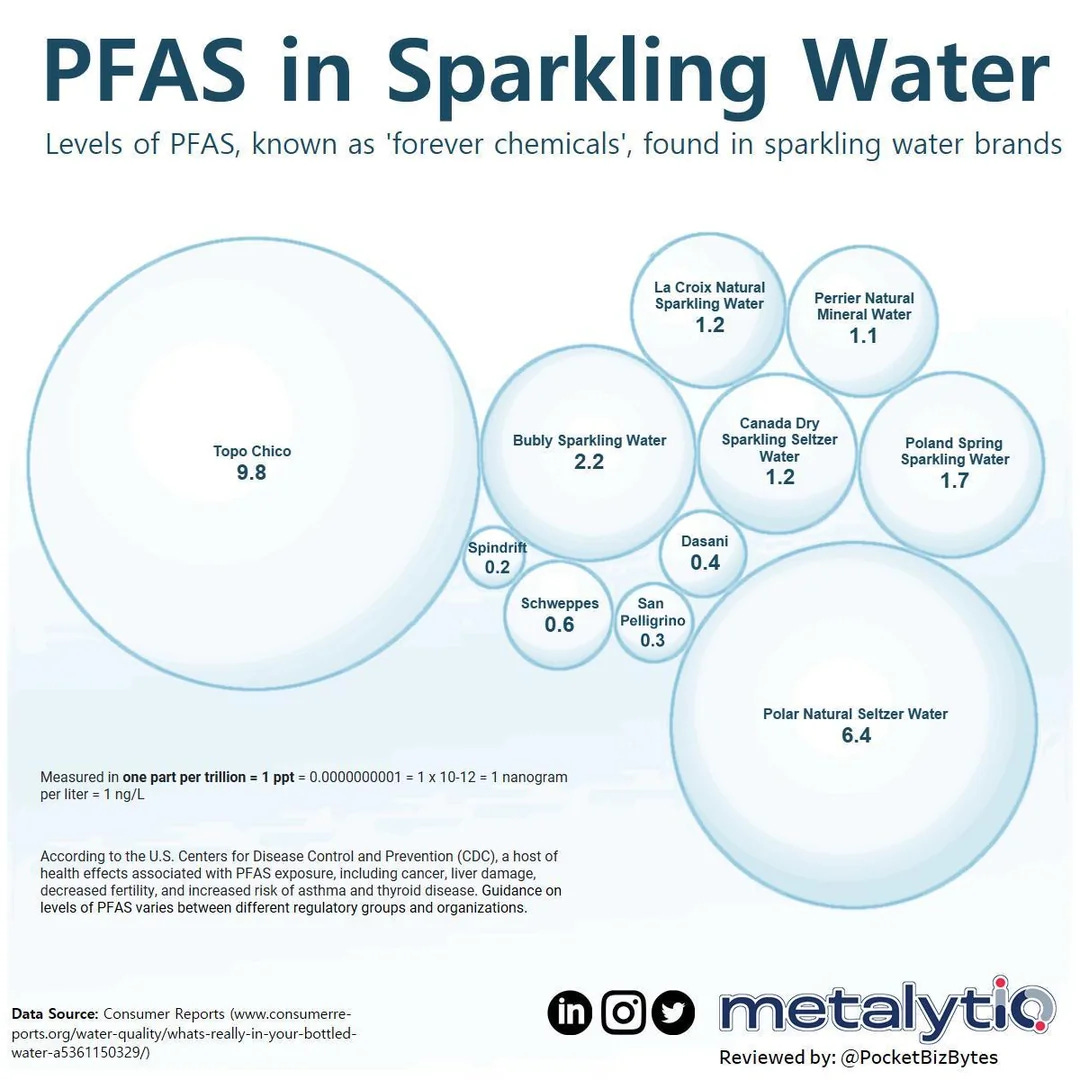
Phys Take: Wasn’t a great look for Topo Chico (& Polar) when the PFAS findings initially came out.
Credit where it’s due: after a filtration upgrade, levels dropped by more than half.
30. Stonyfield (acquired by Lactalis, 2017)
Origin: Founded in 1983 as an organic farming school on a 19th-century New Hampshire farm.
Deal: Danone acquired a minority stake in 2001.

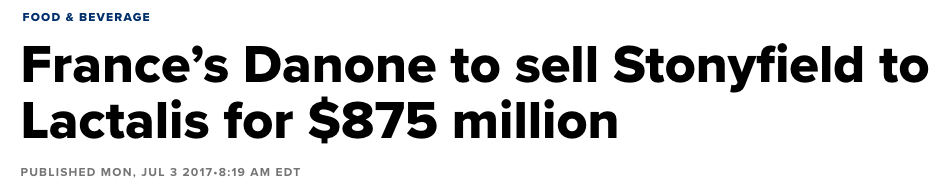
Then was forced to sell on antitrust grounds in 2017 to Lactalis, the world’s largest dairy company, who paid $875 million.
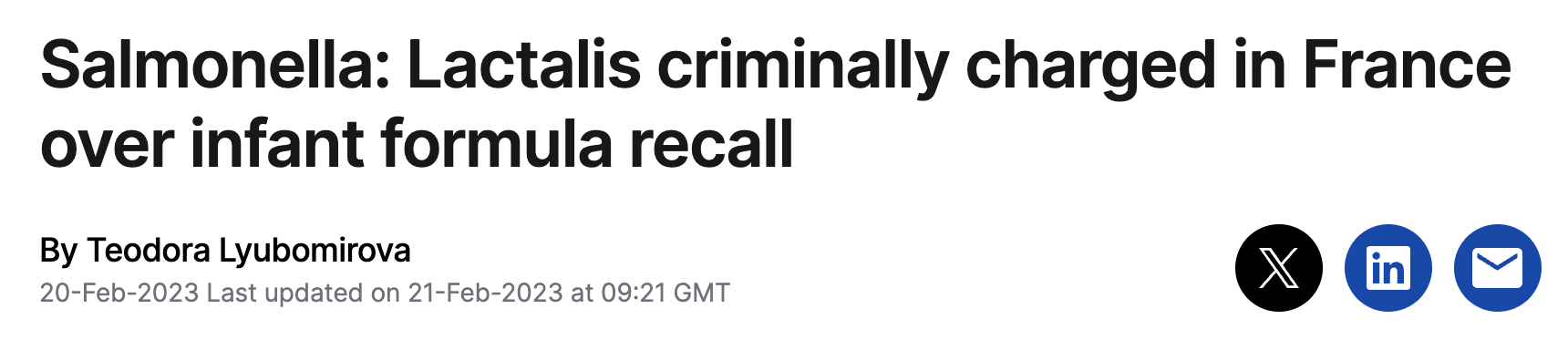
At the time of the sale, Lactalis had a salmonella scandal forcing a recall of 12 million boxes of infant formula across 83 countries. They were eventually hit with criminal charges in France when an investigation found the same bacterial strain was in their factory since 2005.
Phys Take: We found nothing wrong with Stonyfield yogurt itself. The issue is the parent company’s safety culture. Plain, full-fat yogurt from a regional dairy is an easy swap.
31. Burt’s Bees (acquired by Clorox, 2007)
Origin: Burt’s Bees got their start in 1984 when Burt Shavitz picked up a hitchhiking artist Roxanne Quimby. She started making candles from his leftover beeswax. And the rest is history.
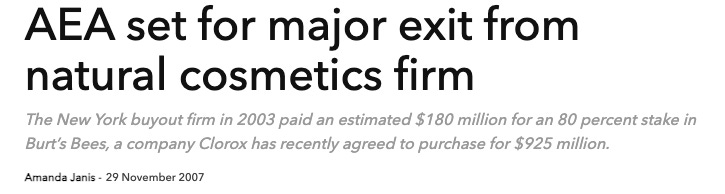
Deal: Quimby sold 80% to private equity firm AEA in 2003.
In 2007, Clorox paid $925 million. The Clorox CEO praised the brand’s margin structure as “highly accretive.”
Phys Take: We’re two decades out from this one, but it’s worth bringing to the surface since it serves as the original sellout story. But it looks like enshittification has finally caught up.
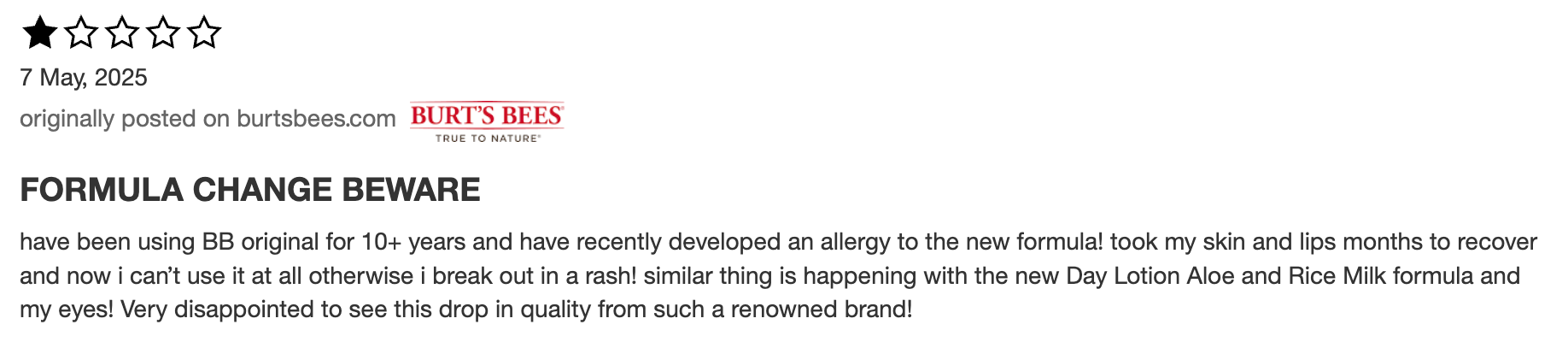

There are too many exceptional personal care brands that have come out of the wellness space in the last 2–3 years to entertain this playbook.
32. Tom’s of Maine (acquired by Colgate-Palmolive, 2006)
Origin: Tom & Kate Chappell started it in Kennebunk, Maine in 1970 as one of the first natural toothpaste alternatives.
Deal: Colgate bought it in 2006.

In November 2024, the FDA issued a warning letter after finding Pseudomonas aeruginosa in water used to make toothpaste & a “black mold-like substance” near production equipment. The FDA also said Tom’s received hundreds of consumer complaints it never investigated.

A 2025 class action alleges lead & arsenic in a kids’ fluoride-free toothpaste, based on independent testing. Other suits target its “natural” and recyclability claims.
Phys Take: Two decades after the sale, Mainers are still not happy about it.
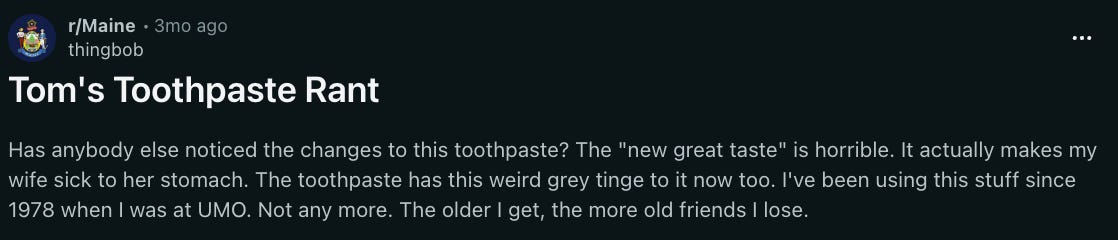
Prior to hopping on the nano-hydroxyapatite train, I was a devout Tom’s user. A feel good American story turned into a full blown dumpster fire.
Why do you even need carrageenan in a toothpaste? (You don’t.)
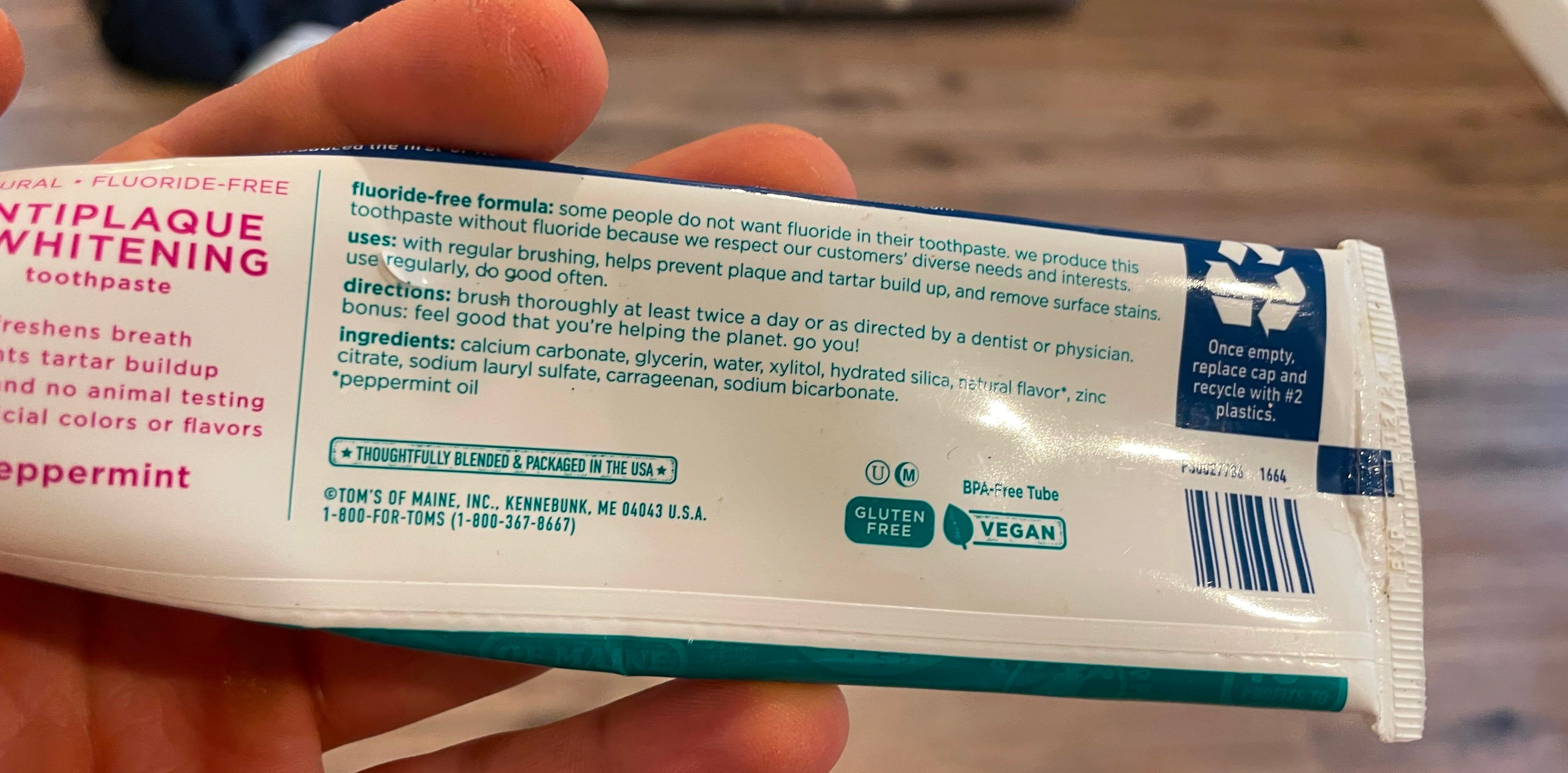
Stay vigilant. Stay after it. And remember to always be voting with your dollar. The only vote that truly matters.
See you guys next week,
Phys
If you found this one useful for improving your life, here are some others you might find practical:


