


Cinnamon has evolved into the most adulterated product on a grocery shelf.
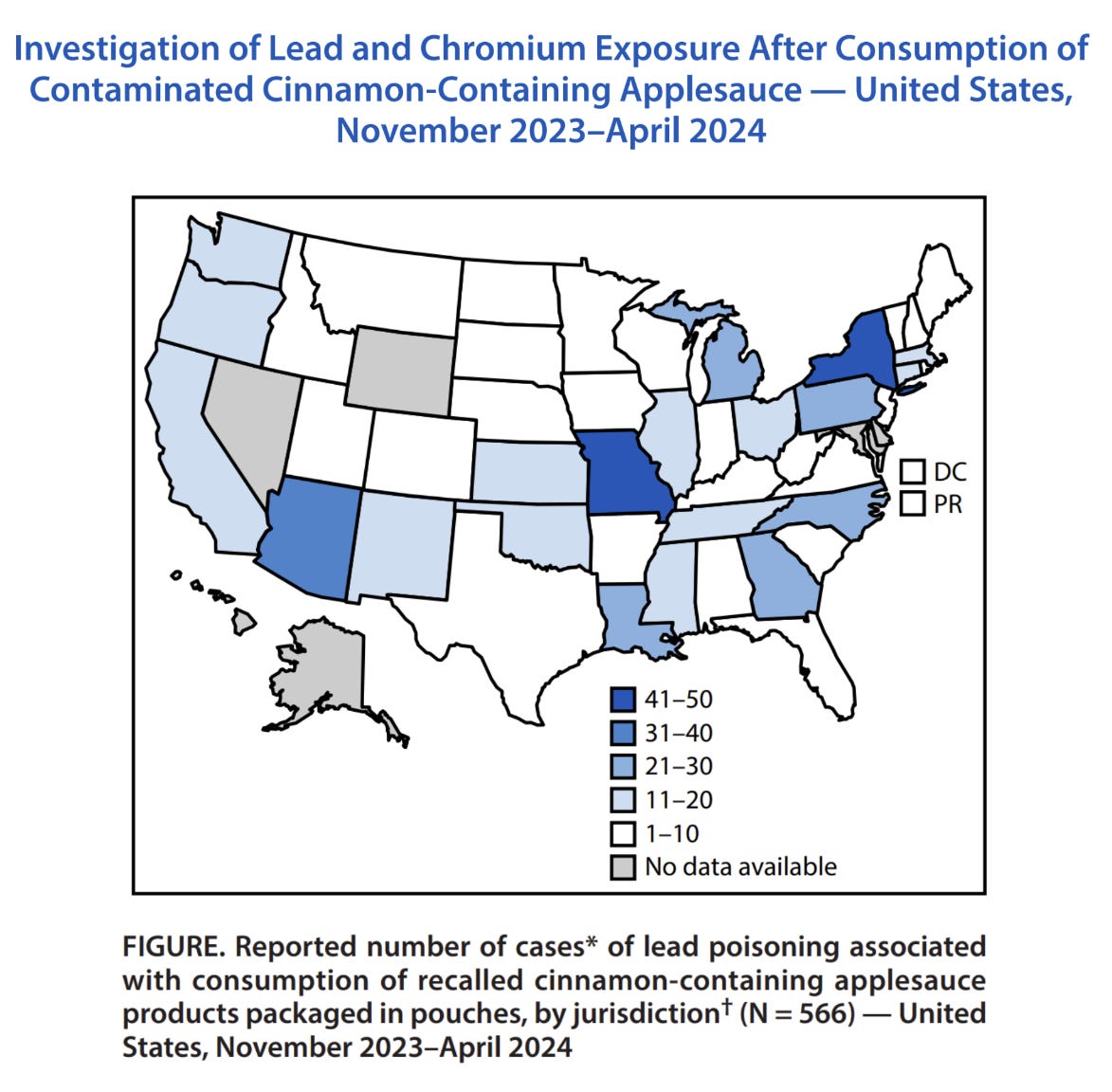
In 2023, lead-tainted cinnamon in applesauce pouches poisoned more than 500 kids across 44 states.
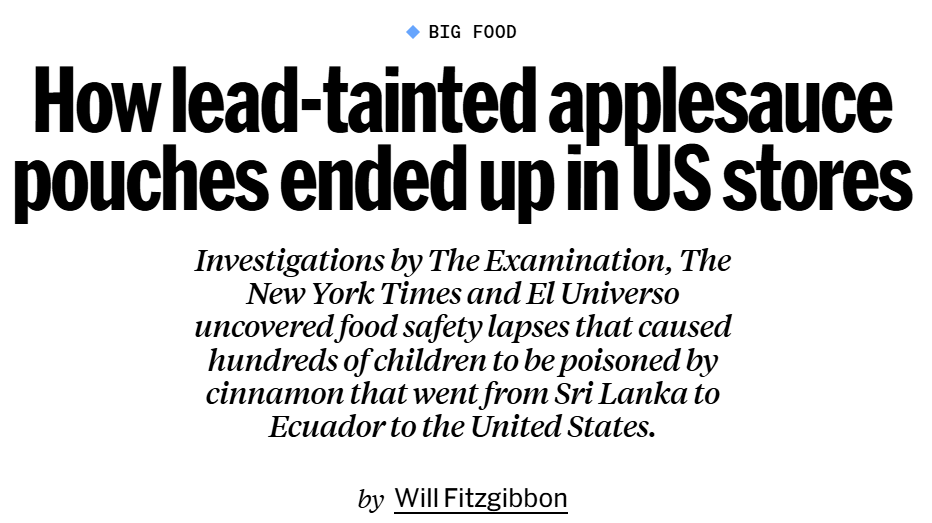
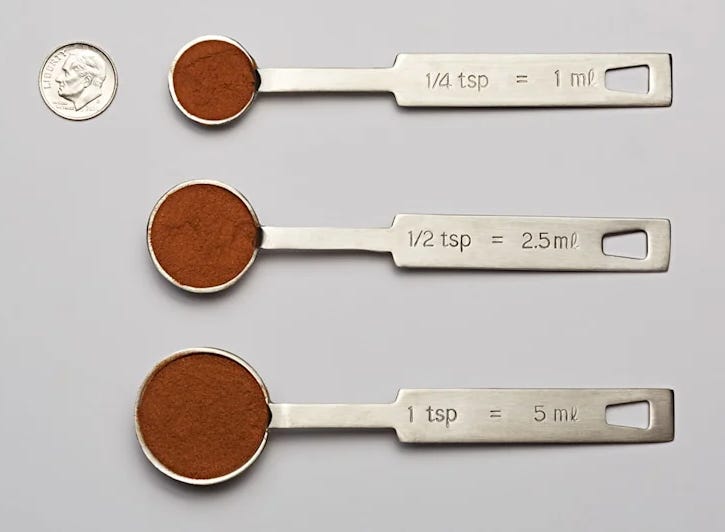
Fast forward to October 2025, the FDA expanded its recall of cinnamon products — most of which carry enough lead in a quarter-teaspoon (0.7 g) to blow past a full day’s “safe” intake.

In December 2025, more cinnamon brands were recalled in 14 states.

The unfortunate reality about this market is there are no federal limits for heavy metals in cinnamon products. So naturally fraud has become a rampant issue in the last decade.
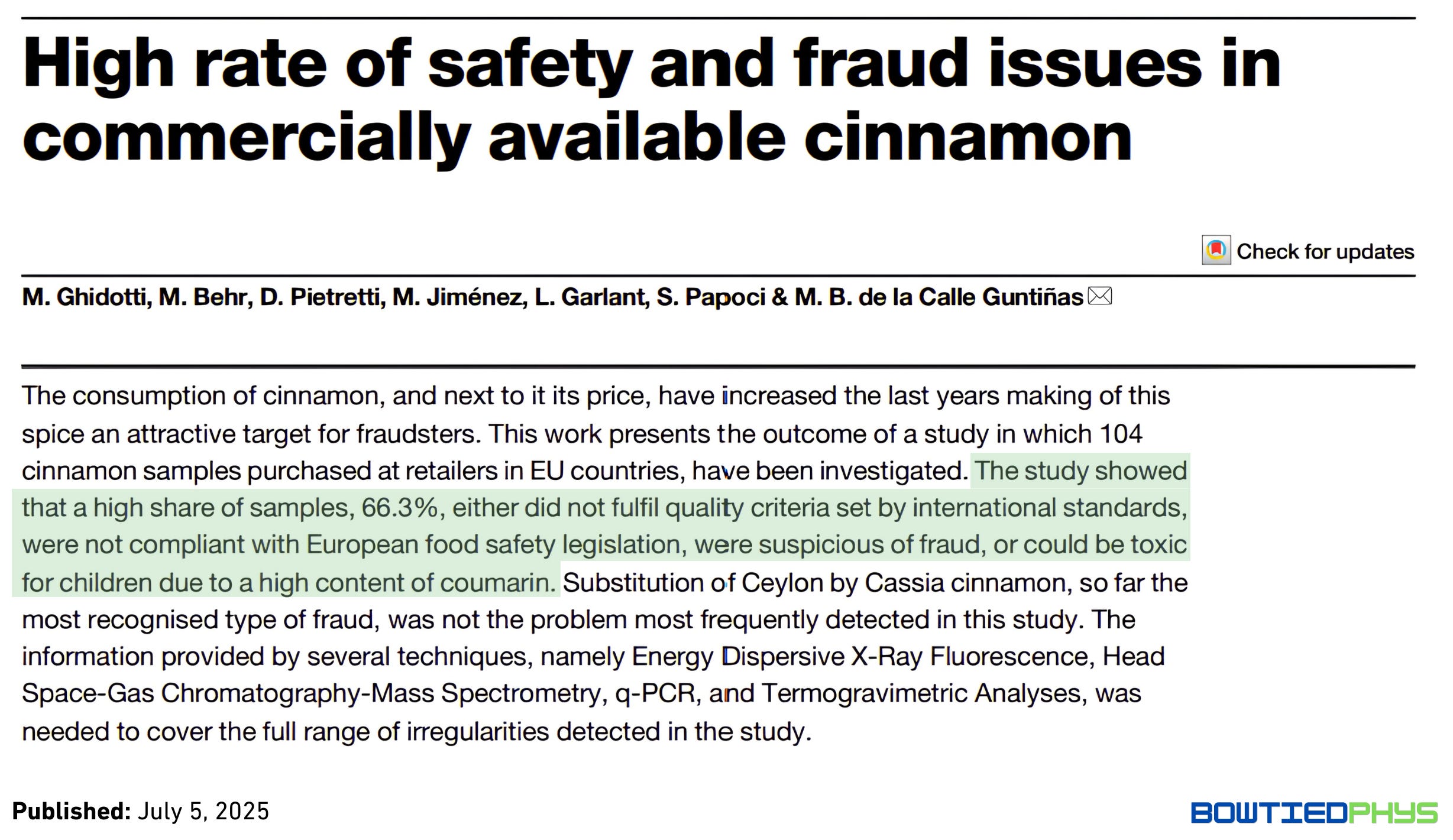
That means you are the quality control.
Here’s how to mitigate those risks and navigate the shelf the right way.
1. Buy sticks, not ground
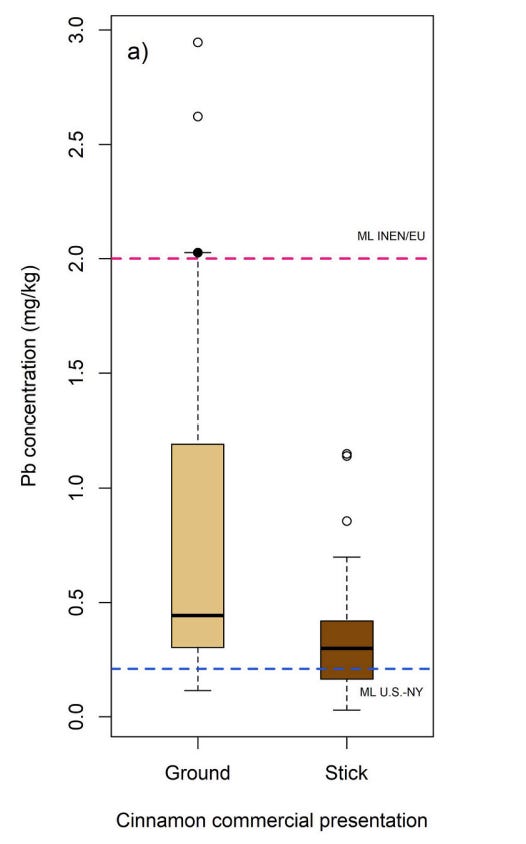
Ground cinnamon carries ~10x the lead of sticks because powder can be cut with lead-chromate pigment or filler while an intact stick can’t.
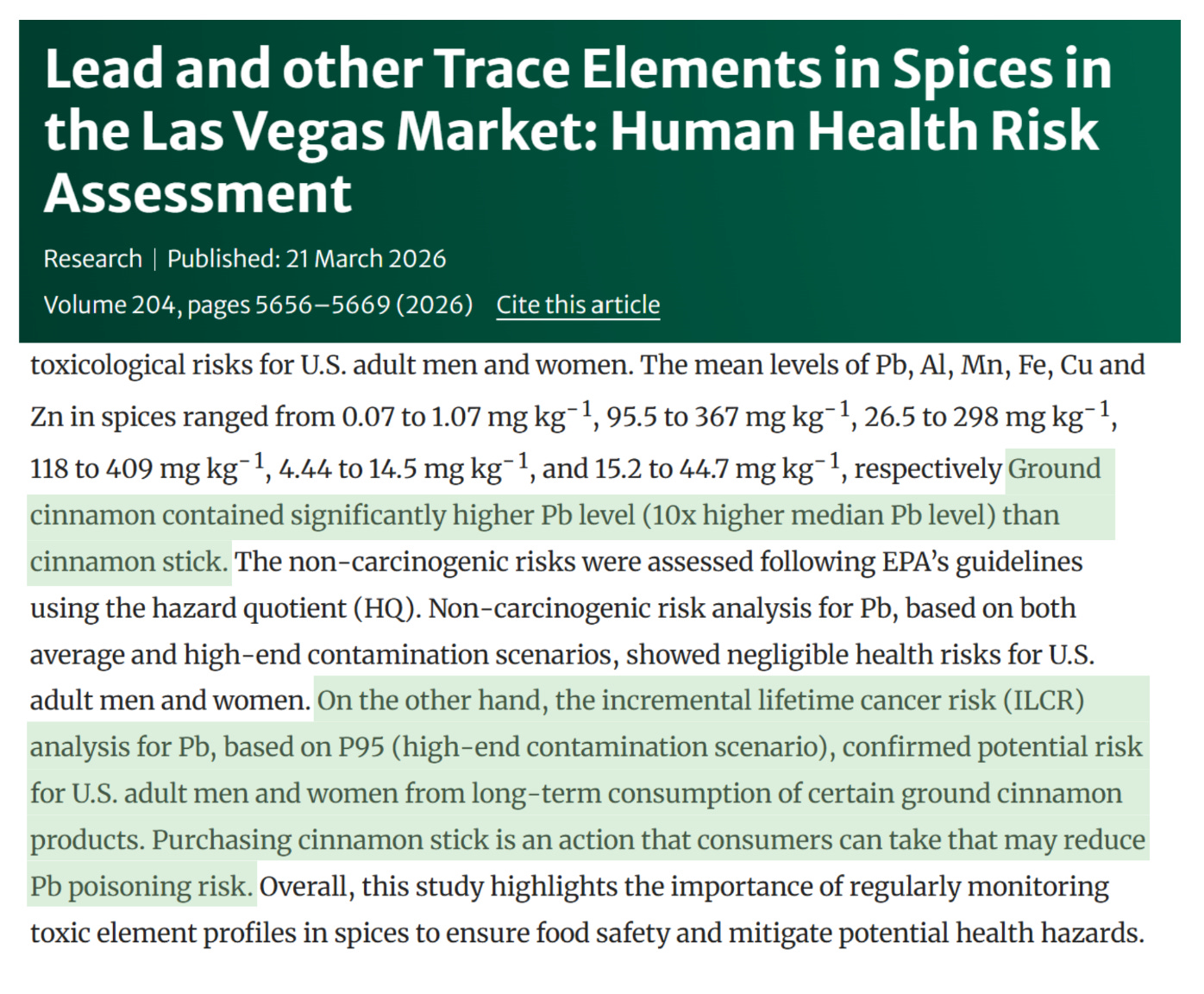
Not all whole sticks are equal but relatively they’ll be less contaminated & you’ll get much less variability across brands.
2. Skip the discount, bulk & international-market brands
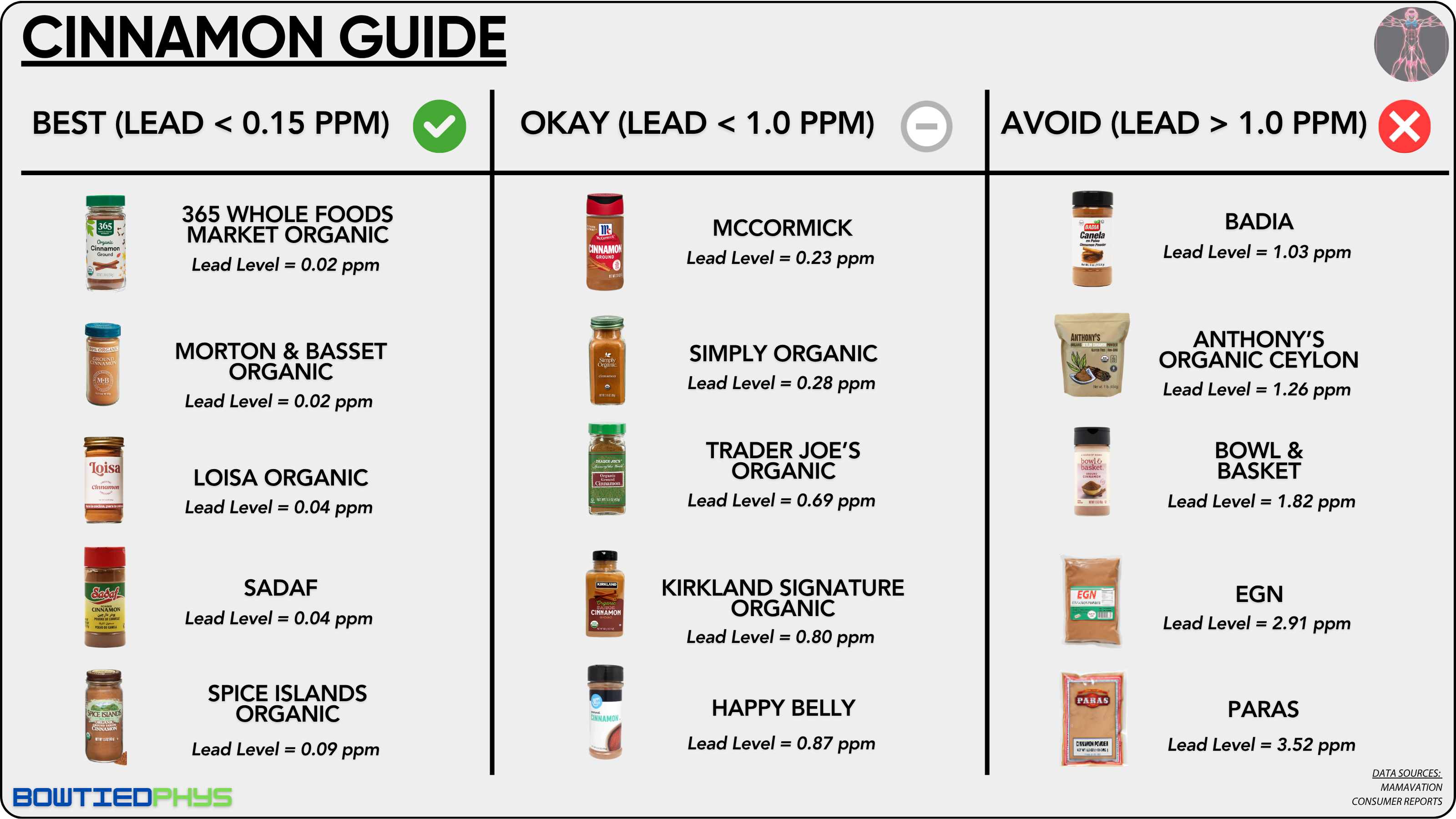
In Consumer Reports’ 2024 testing, 10 of the 12 high-lead products were either lesser-known or bulk/bargain brands sold mainly in small international markets.
Good news: a few common grocery brands dominated the clean list.
3. Favor brands that publish adequate lab results
Look for third-party testing & a stated single origin.
Specialty importers that publish batch certificates of analysis (COAs) are the gold standard.
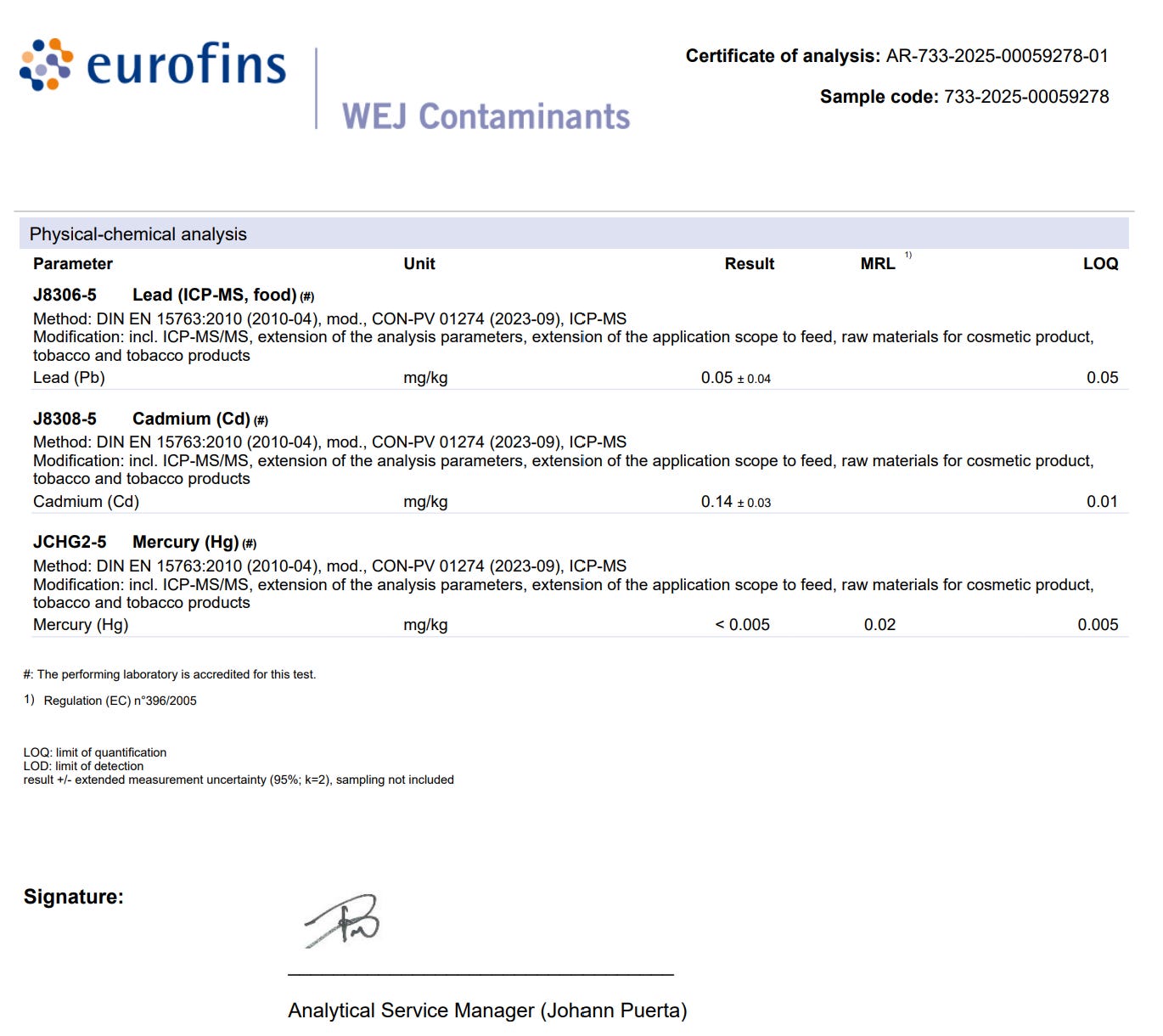
Reminder: Having the testing is one thing. Proving safe levels across the common heavy metals tested (i.e. lead, cadmium, & mercury) is ultimately what we’re after (so don’t neglect that part).
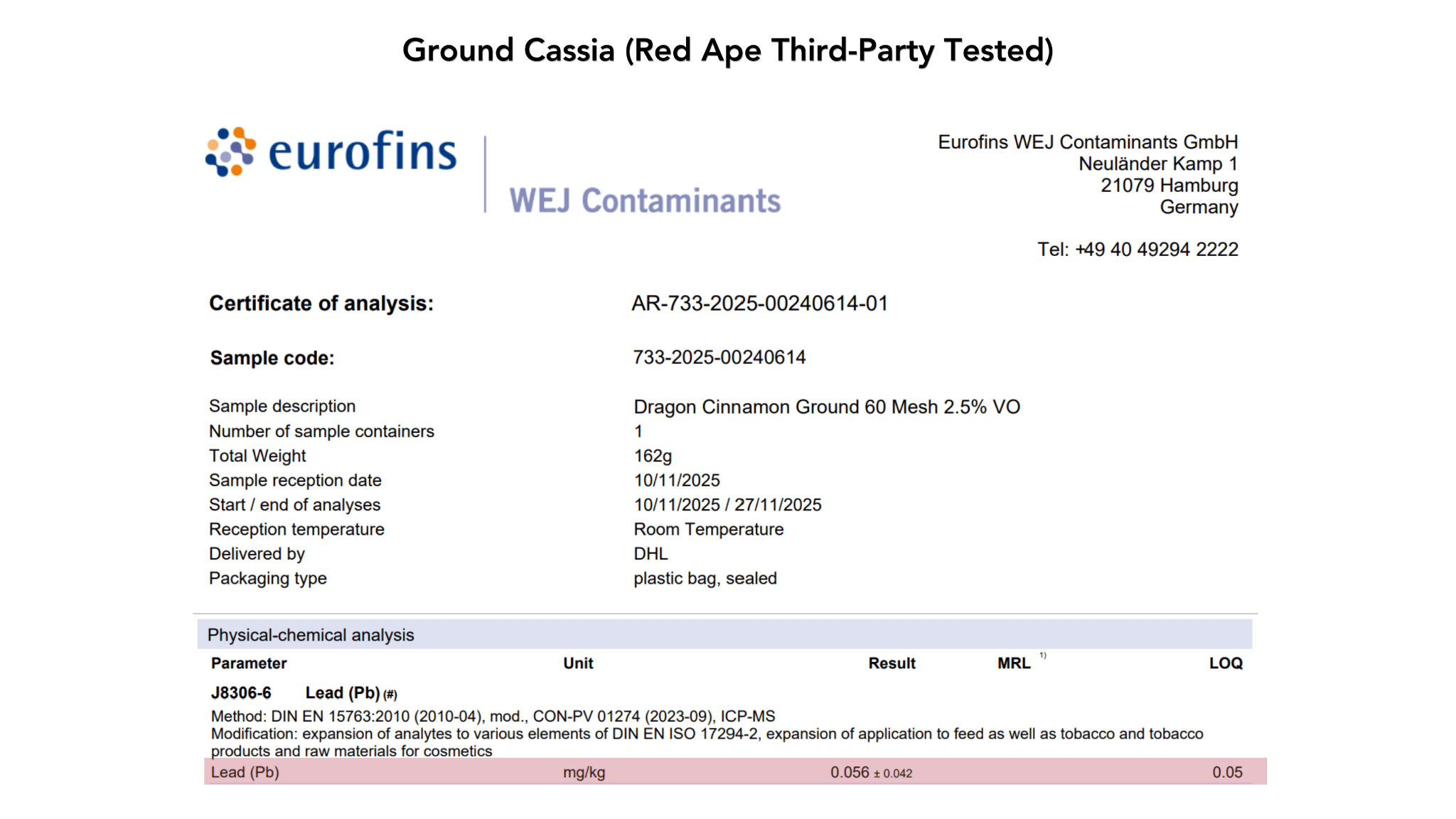
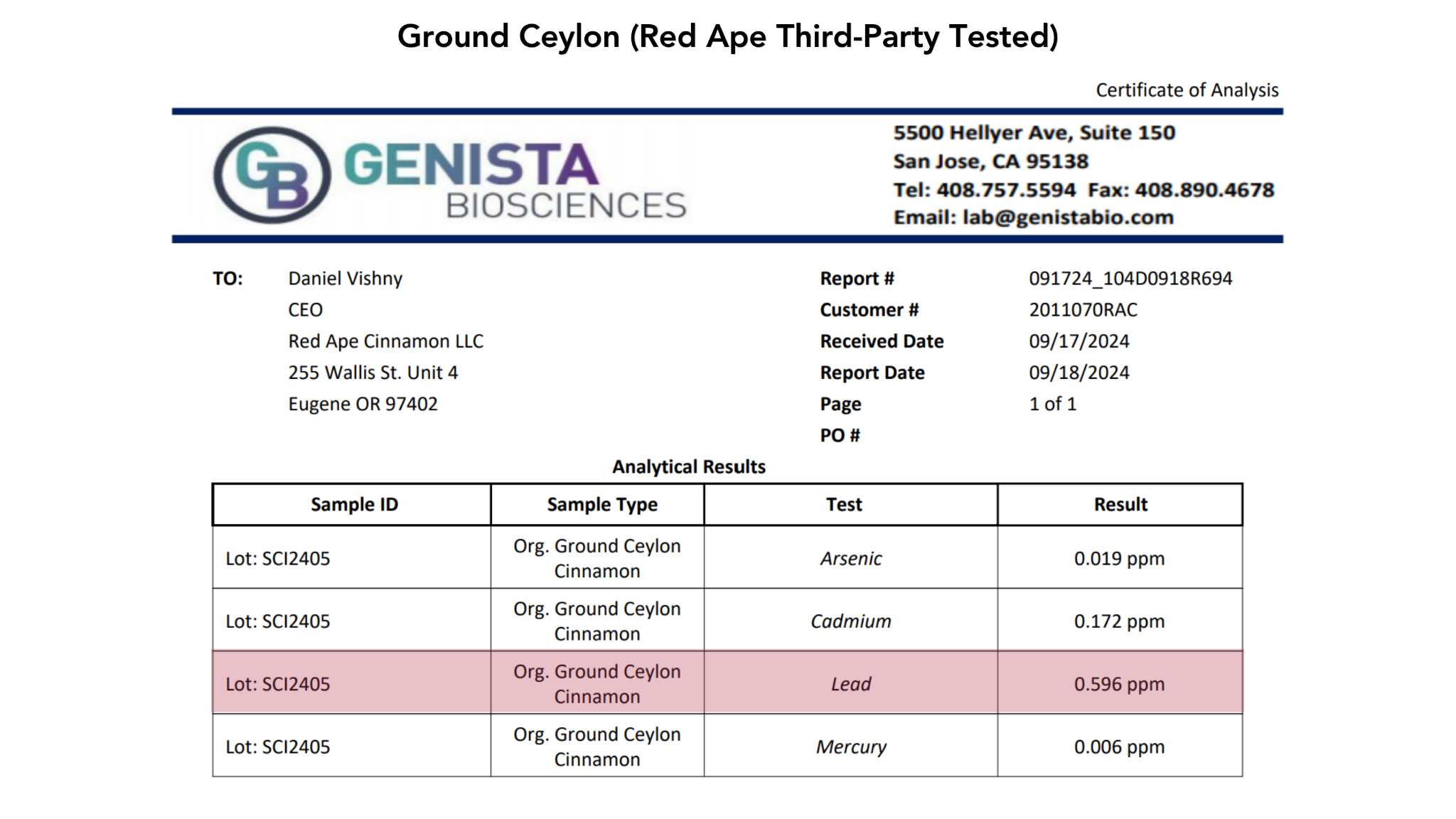
A third-party test will resemble something like the below from Red Ape Cinnamon.
4. “Organic” won’t save you
Organic certification only covers pesticides and not metals.
One 2025 analysis found organic turmeric was higher across most heavy metals tested (aluminum, arsenic, lead, chromium, strontium & nickel) than conventional.
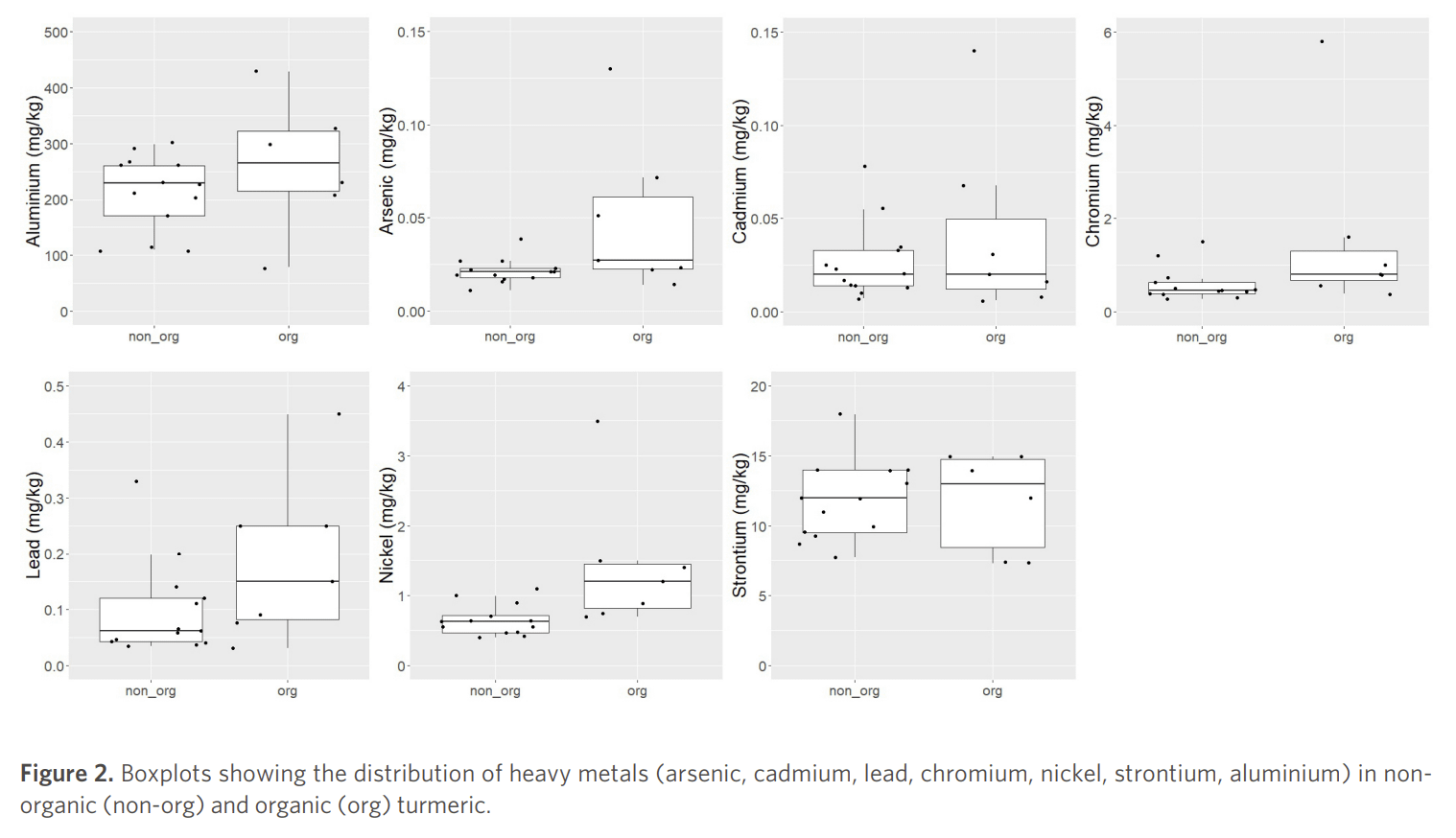
Independent organic-cinnamon tests tend to show the same pattern.
5. Check the color: tan-to-brown is ideal
Lead chromate is a yellow-orange pigment added to dull cassia cinnamon to fake premium color.
Bright red or any unnaturally vivid powder is a sign of adulteration.
A dull grey means the bark was cut with soil or root, which shows up in testing as high aluminum, silicon, and titanium.
For sticks, a good way to verify the authenticity instead is by the layer test.
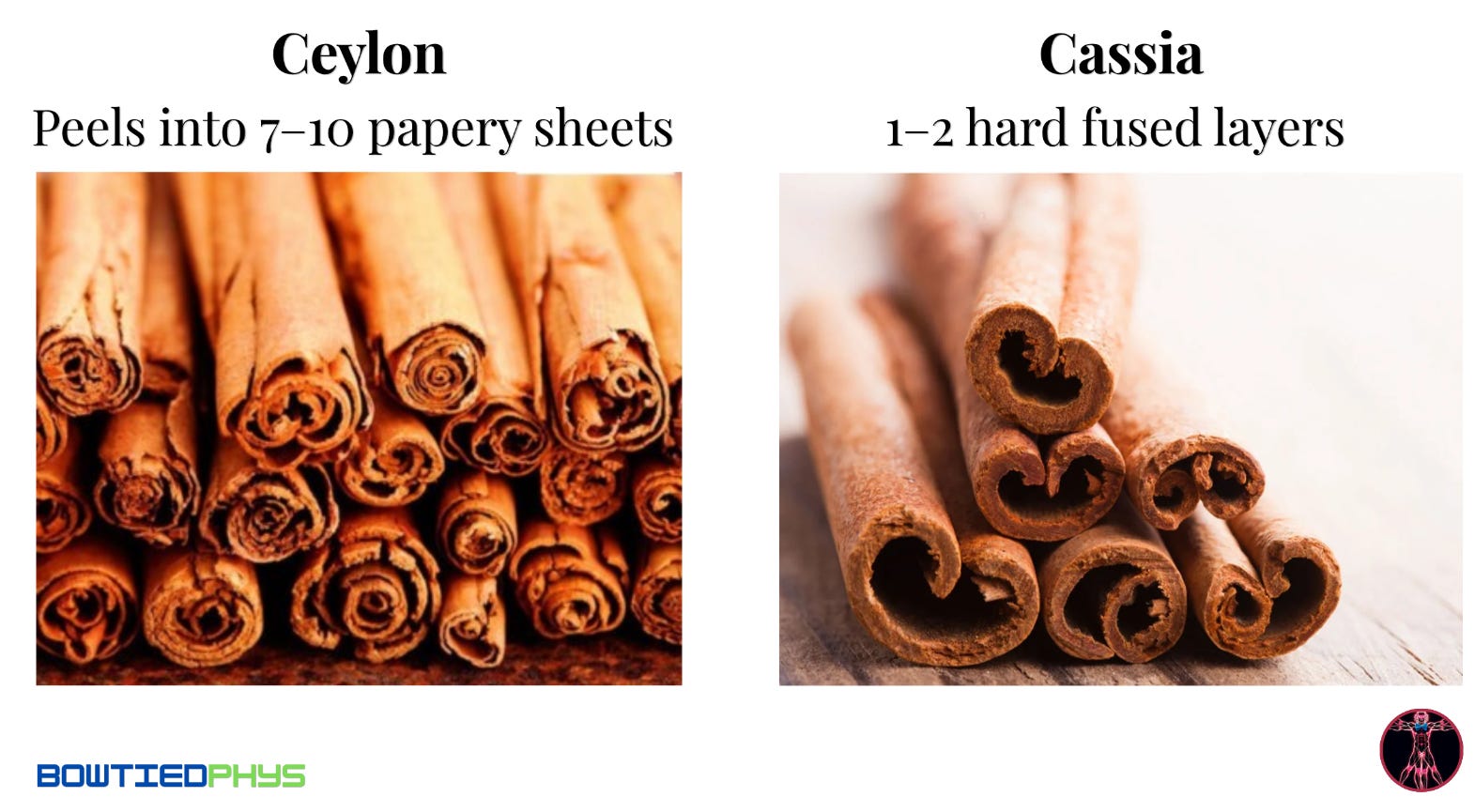
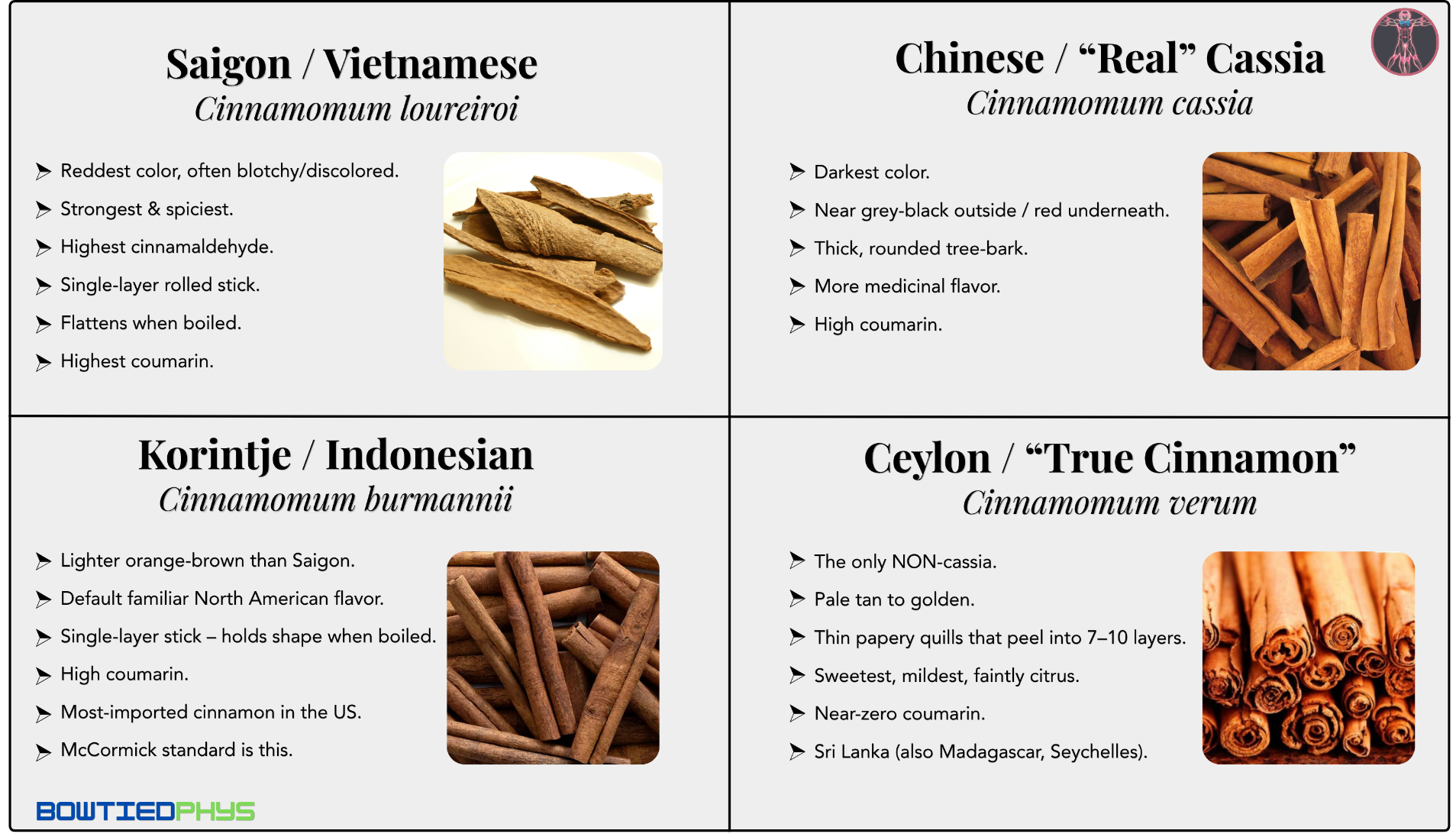
6. “Cassia” isn’t a cinnamon type
Cassia just means “not Ceylon”. It’s a catch-all for a few different barks. The only shared trait is that they aren’t true Ceylon (Cinnamomum verum).
Know which is which.
7. Be strictest with kids
The 2023 outbreak poisoned 500+ kids across 3 major cinnamon applesauce brands.
“Lead can affect nearly every organ system, with central nervous system effects being the primary concern in pediatric exposures, causing harm that might not be immediately apparent and that might be lifelong. The presence of lead in blood is associated with declines in cognitive and neuromotor and neurosensory function…there is no safe blood lead level in children.”
- Troeschel et al. (2025)
For kids, this whole list compresses to three big rules:
Choose sticks
Opt for verified brands
Consume small amounts ( ~½ tsp max)
8. Cap at 1 tsp daily
For standard grocery-bought cassia, the limiter is coumarin — a potent liver toxin.
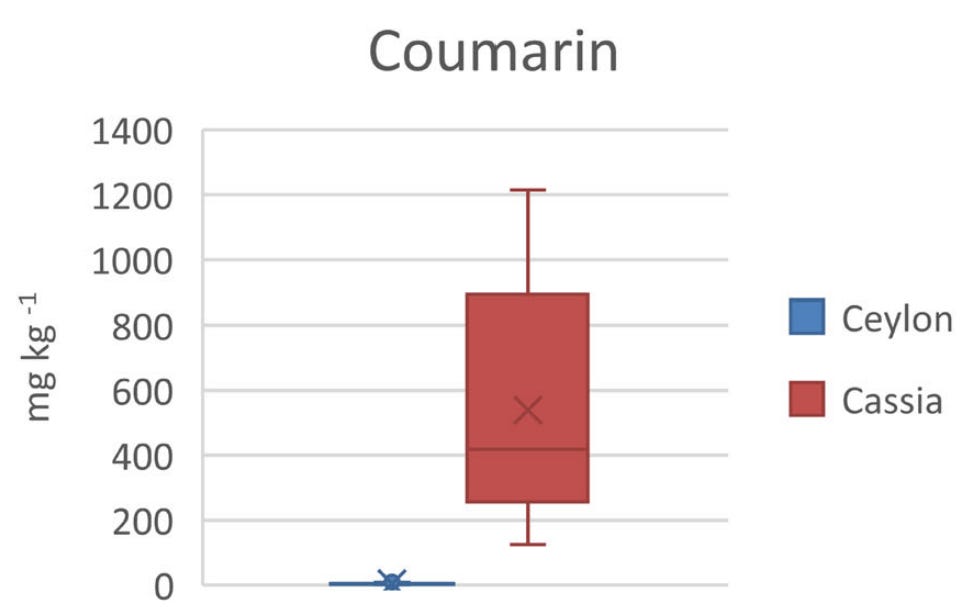
Switch over to Ceylon and you dodge the coumarin toxicity well…but introduce higher potential lead & cadmium levels.
Red Ape’s most recent third-party testing even shows ~12x greater lead level in their ground ceylon compared with their ground cassia.
That’s why we recommend limiting overall consumption to no more than 1 tsp daily regardless of what brand or type you select.
Some quick, practical insight for you guys this week.
If you’re interested in other ways to navigate health markets, check these deeper dives out:


Shop diligently & stay after it, friends.
Phys
Phys, why consume cinnamon in the first place?