


The only shortcut worth embracing in this space is the shortcut to accepting there are no shortcuts. Only systems to be built through relentless execution of ~the work~.
Our mission is simple: develop a first principles-based, bioindividualized health system that encourages consistent growth & resilience over time.
One focused on rational approaches, denial of neuroticism, & treatment of health as infrastructure, not the mission.
Here’s how to forge your own indomitable health system from first principles that will last you decades.
Why To Shape Your Health With Mental Models
Mental models are simplified frameworks for understanding how the world works. They’re tools rooted in objective truths and natural laws that help us dial in our signal-to-noise ratio, recognize patterns, & make better decisions.
In health, they shift us from pathogenic fixes to salutogenic design shifting wellness into an antifragile structure rather than a fragile pursuit.
They're timeless principles you could apply 500 years ago or 500 years from now to human nature, and they’d remain equally true.
The template looks like this: Make microdecisions based on the models → execute microactions consistently → develop habits → iteratively build default systems running in the background → stack microvictories
Those who truly embrace bioindividuality build their health systems from the ground up. They begin with first principles, extract truth from reality, & iterate until they receive the positive feedback they’re after.
The models and traps laid out here accelerate that process helping you discover what is true for you, not what healthfluencers performatively display as their front-stage self.
The Models
Model #1: Via Negativa
Principle: Improve by removing what’s harmful rather than adding more.
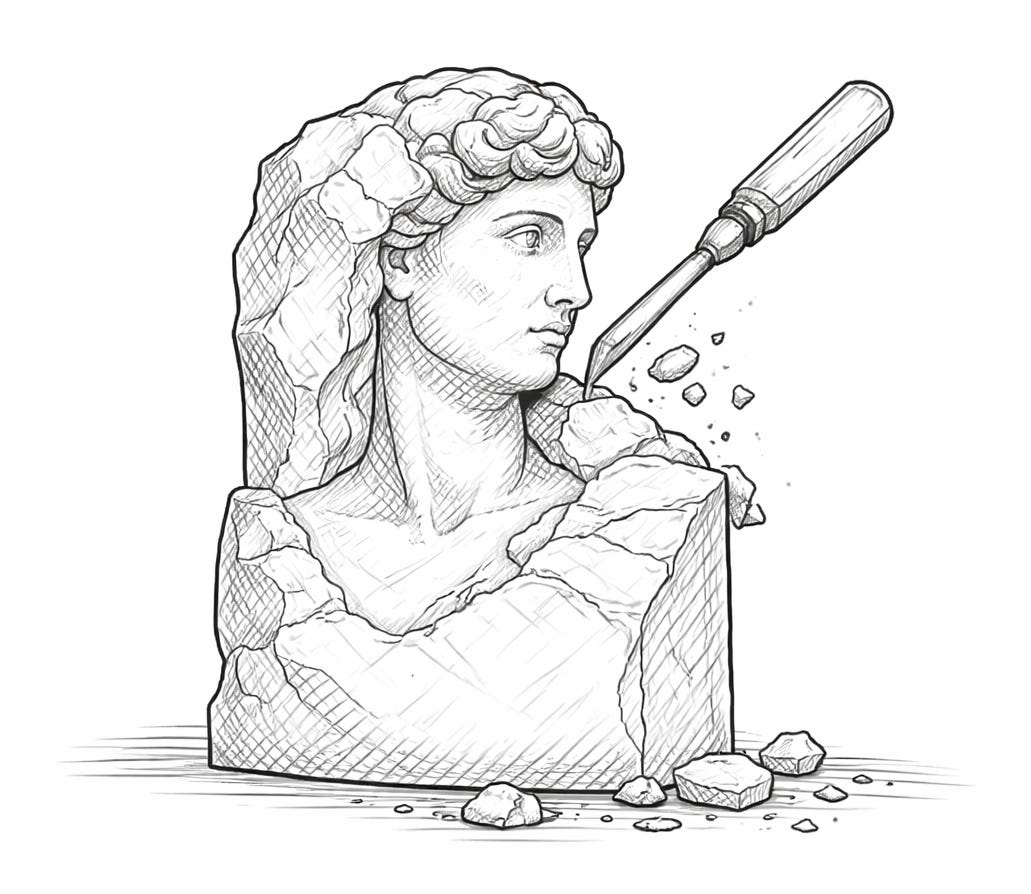
Application: Before asking what needs to be added to solve a problem, run through: 1) what can be subtracted & 2) if it can’t be subtracted, is there a more efficient substitution?
Four practical moves you can act on immediately:
Eliminate what’s likely to derail your nutritional system from your kitchen
Declutter unused materialistic items
Stop digitally hoarding browser tabs
Delete toxic relationships
Model #2: Vector Sum Thinking
Principle: Net direction and magnitude of all forces in a situation.
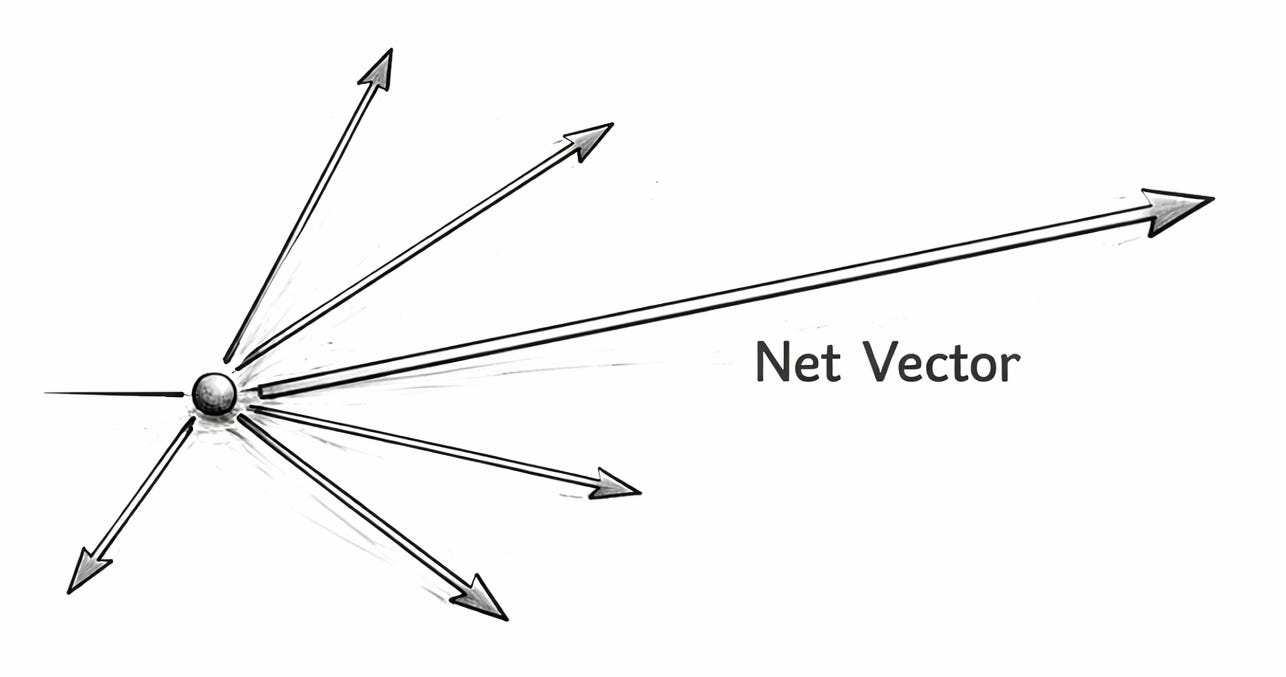
Application: No digitally-based algorithm rewards vector-style thinking (though you will be rewarded personally). In fact, it penalizes this harshly. No single intervention is exclusively positive. Even the best levers carry some risk (i.e. resistance training, cardio, sunlight exposure). We do them because on net they’re beneficial.
Model #3: Strategic Alignment
Principle: In military doctrine — objectives define strategies, strategies determine operations, & operations dictate tactics.
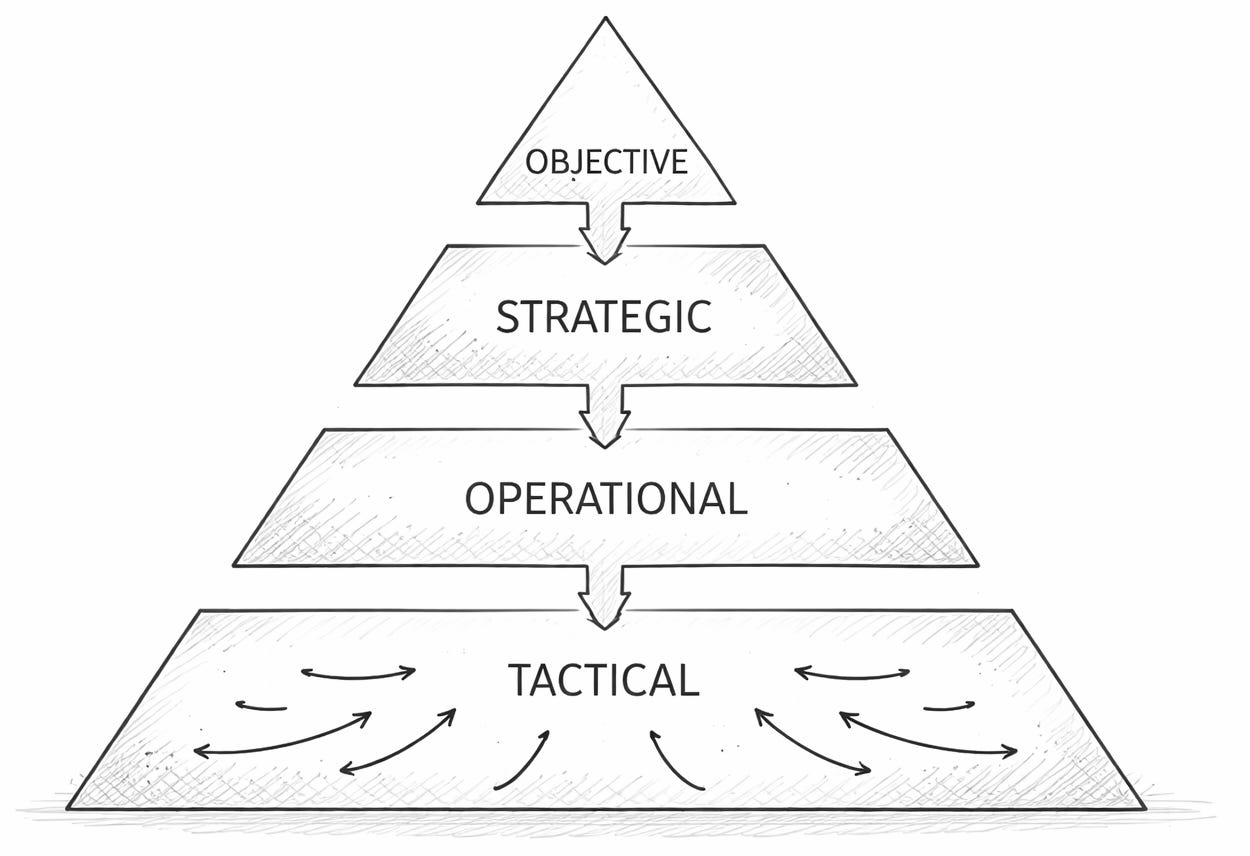
Application: Most health confusion stems from adopting performative tactics that serve someone else’s strategy entirely. When someone advocates a tactic (dogmatic diet, certain style of training/protocol, supplement), ask: "What objective does this serve, and is that my objective?"
Model #4: Law of Diminishing Returns
Principle: Past a certain threshold, each additional unit of input yields progressively less output.
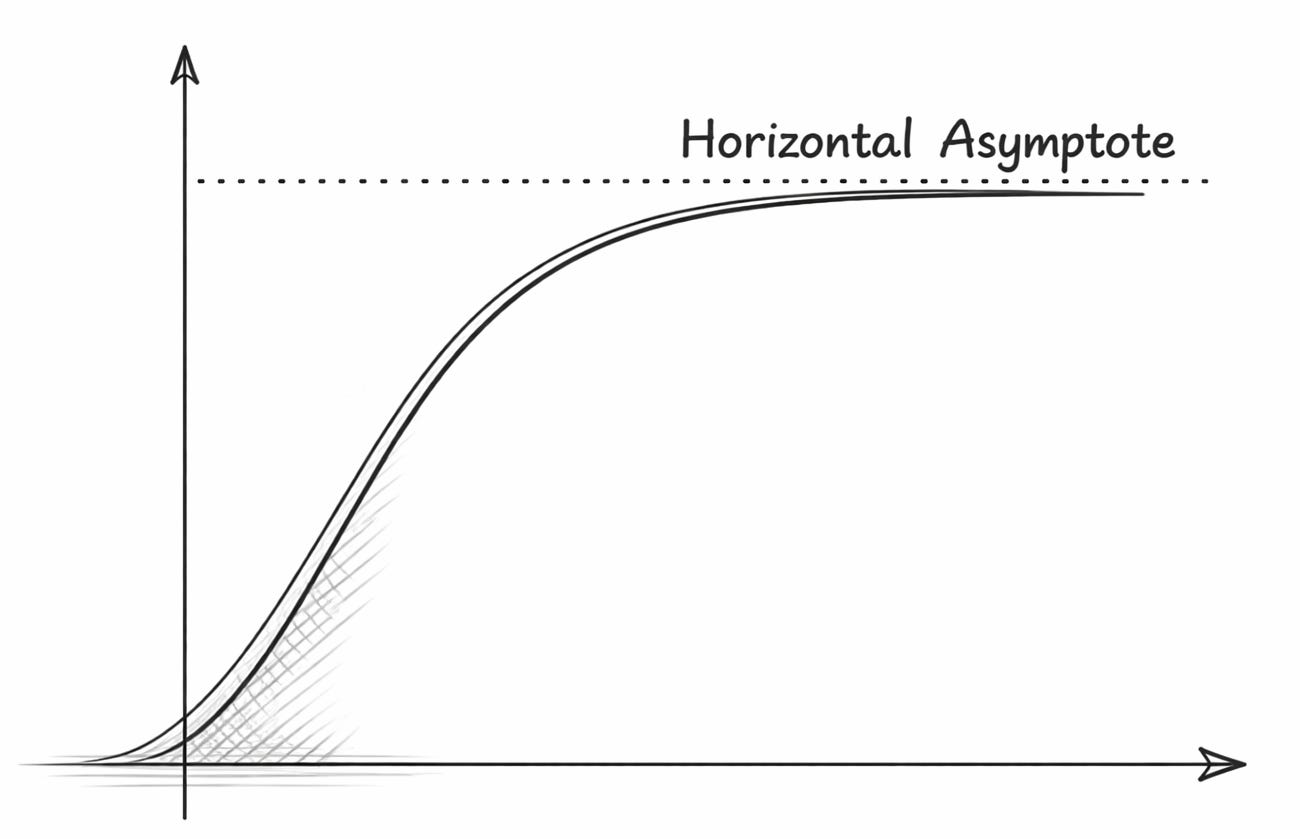
Application: Optimize hard enough and you begin to create solutions to problems that don’t exist. Often for the sake of fulfillment you’re failing to obtain in other areas of life. Build infrastructure around high ROI fundamentals first. And don’t be the dude obsessing over exogenous compounds when you’re hitting Zone 5 carrying groceries up a flight of stairs & failing to squat your own bodyweight.
Model #5: Closed-Loop Control System
Principle: Uses feedback loops to regulate homeostasis.

Application: There are two things you can control in any system: your inputs & how you treat those inputs. Most fixate on the former while neglecting the latter. How you treat your inputs is as important as the inputs themselves. Failure to treat inputs properly creates an open-loop control system destined to repeat the same mistakes. Closed-loop control systems provide the fuel for pattern recognition letting you update & improve your inputs.
Model #6: Activation Energy
Principle: The initial push needed to start a process.

Application: Lowering activation energy is the first step to effortless system adoption. It builds health infrastructure by embedding intentional habits into your daily flow rather than relying on sporadic willpower. The truly elite fight activation through intelligent environmental design a single time, not repeatedly before execution.
Model #7: Momentum
Principle: Objects in motion stay in motion.
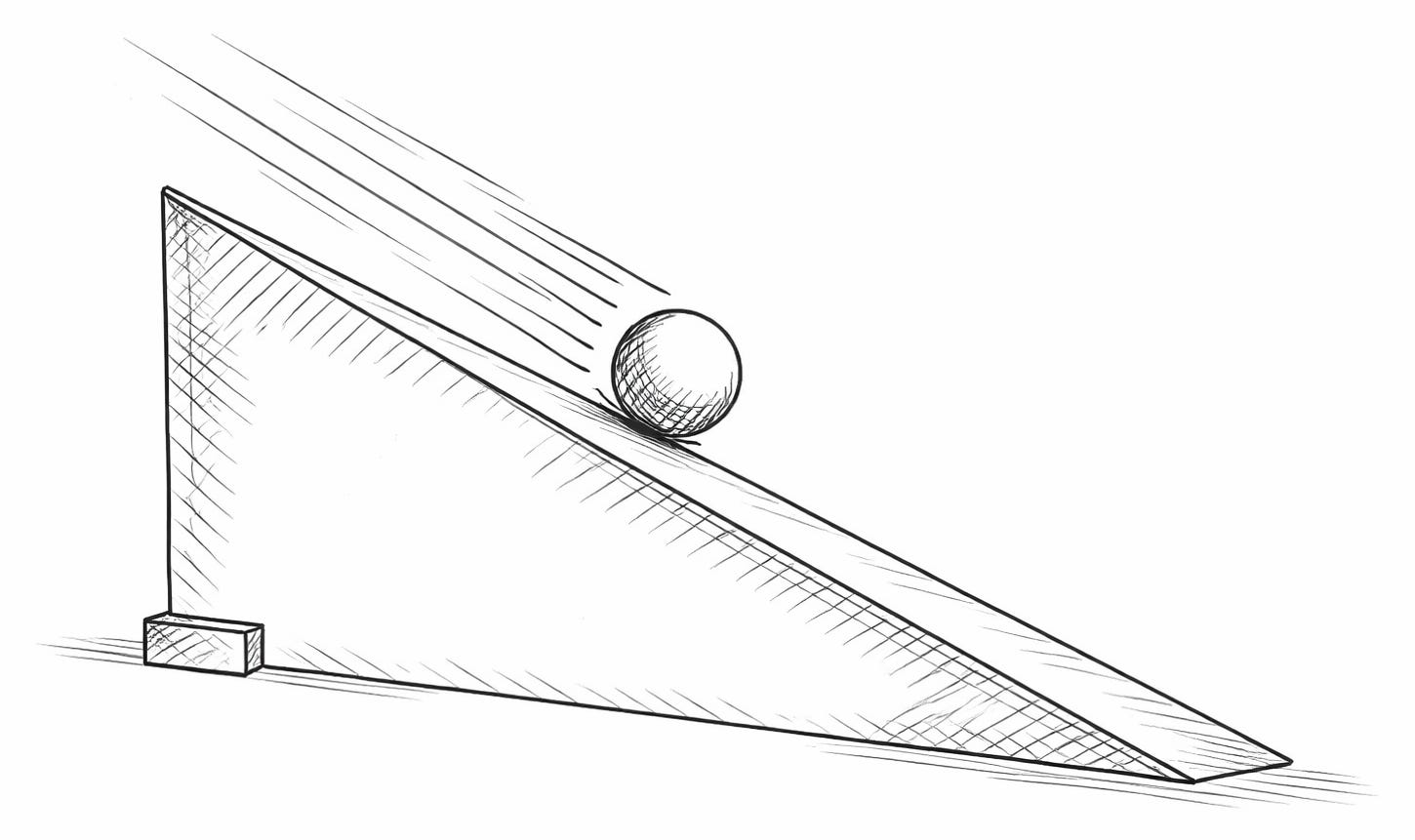
Application: Days I start with a microvictory (i.e. training, 60-minute deep work session) are significantly more productive than days I don’t. The first hour of the day is your most neuroplastic and therefore your highest ROI period to create. Using it well transforms an isolated effort into the fuel that makes the rest of the day feel naturally effortless.
Model #8: Antifragility
Principle: Fragile systems break under stress. Robust systems resist stress. Antifragile systems grow stronger from stress.

Application: Real longevity selects for resilience. Browse the longevity space today and experts are either being wrecked by a snack bar or put in shambles from a single seed oil-cooked dinner. The priority is to build your health infrastructure to evade the arc of an effeminate neurotic.
Model #9: Relativity
Principle: Perceptions depend on context. Everything is relative to a frame of reference.
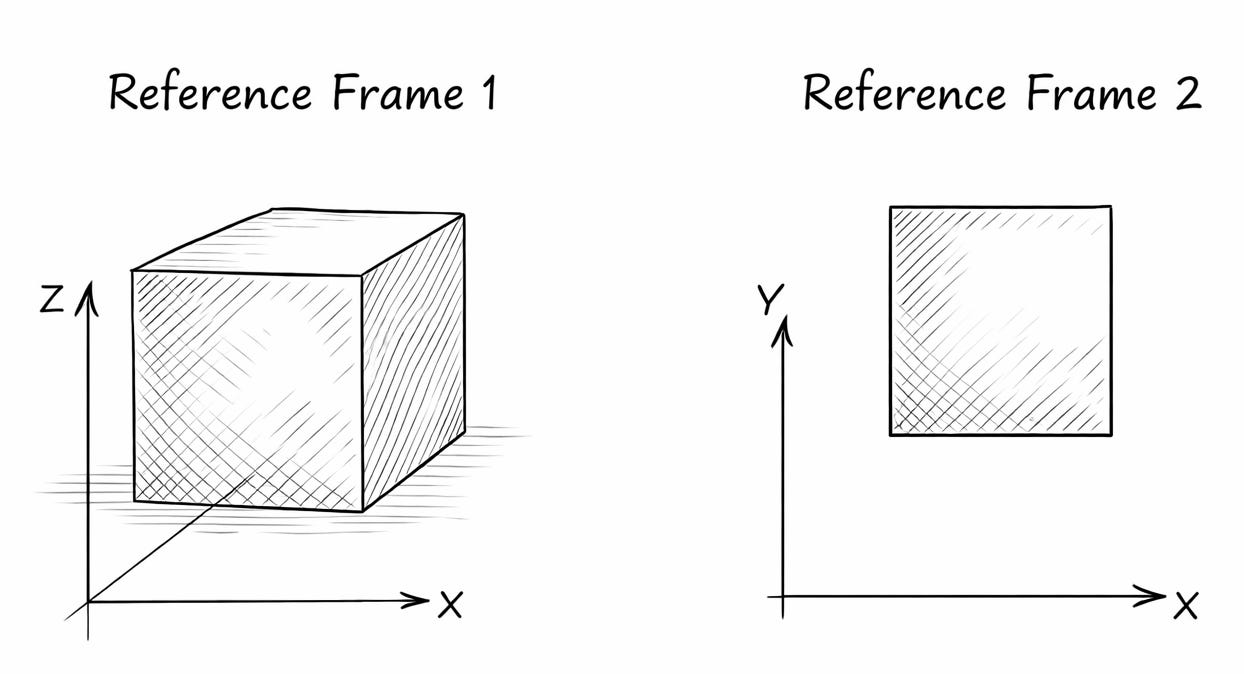
Application: In The Stress of Life, stress researcher Hans Selye explained:
“Most people do not fully realize to what extent the spirit of scientific research and the lessons learned from it depend upon the personal viewpoints of the discoverers.”
Especially when perusing social media, always remember: context is king.
Model #10: Trade-Offs
Principle: “There are no solutions, only tradeoffs” (Thomas Sowell)
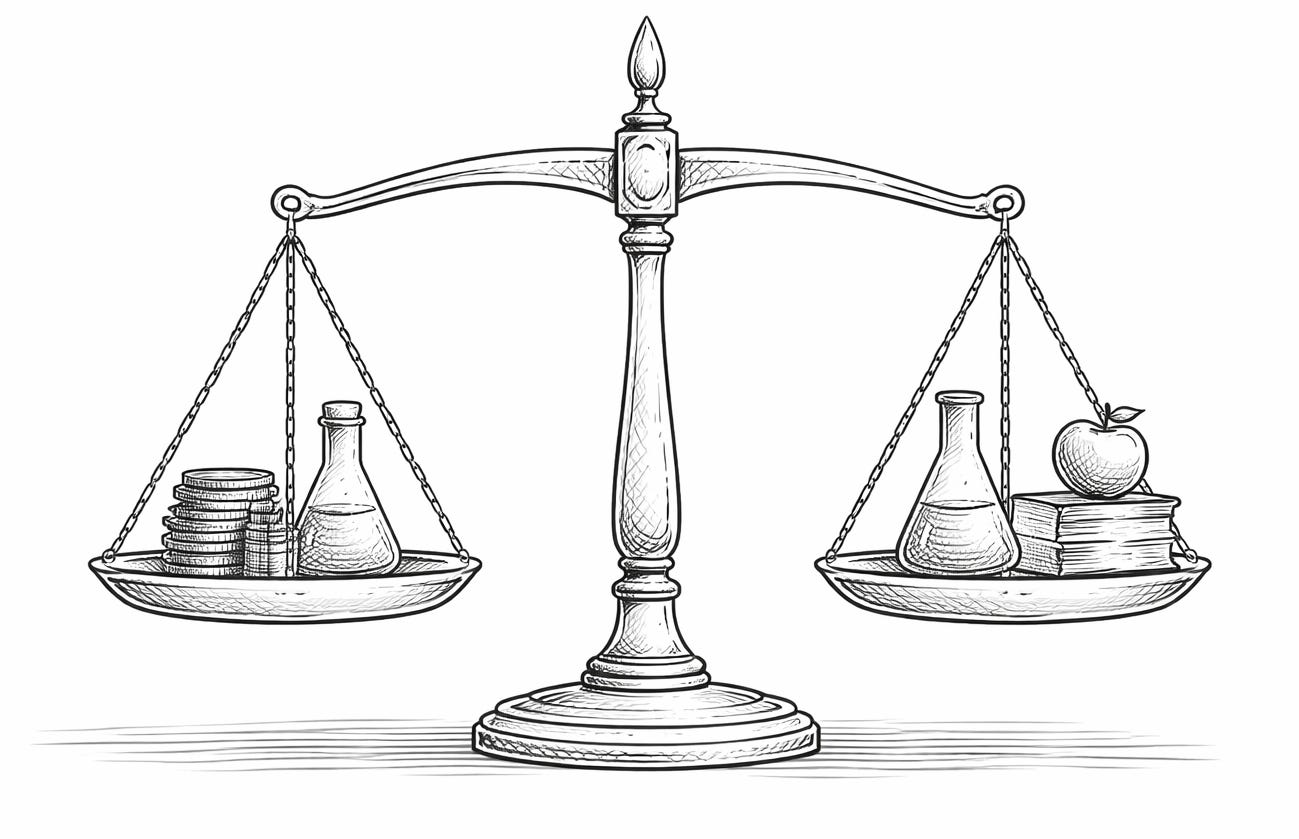
Application: If it wasn’t obvious — Sowell wasn’t talking about health or fitness, but he might as well have been. The spirit of this sentiment holds true as ever in our space. Health (& life) is a game of opportunity costs. Every choice involves surrendering something to gain something else.
Model #11: Signal-to-Noise Ratio
Principle: The ratio of meaningful information (implementable) to irrelevant interference.

Application: Nothing will spin your wheels faster than losing sense of what hinders progress. The most likely culprits are cheap dopamine and the chase of novelty. The next protocol. The next peptide. The next shiny object. Recall we’re after timeless truths. Never miss the forest for the trees.
Model #12: Inversion
Principle: Instead of asking “how do I succeed?” ask “how would I guarantee failure?” Then avoid those things. “Invert, always invert.” (Carl Gustav Jacob Jacobi)

Application: Synergistic with the via negativa principle. When you begin developing your own personalized health framework, think less about what you need to be healthy and more about what it takes to be unhealthy.
Model #13: Parkinson’s Law
Principle: Work expands to fill the time available.
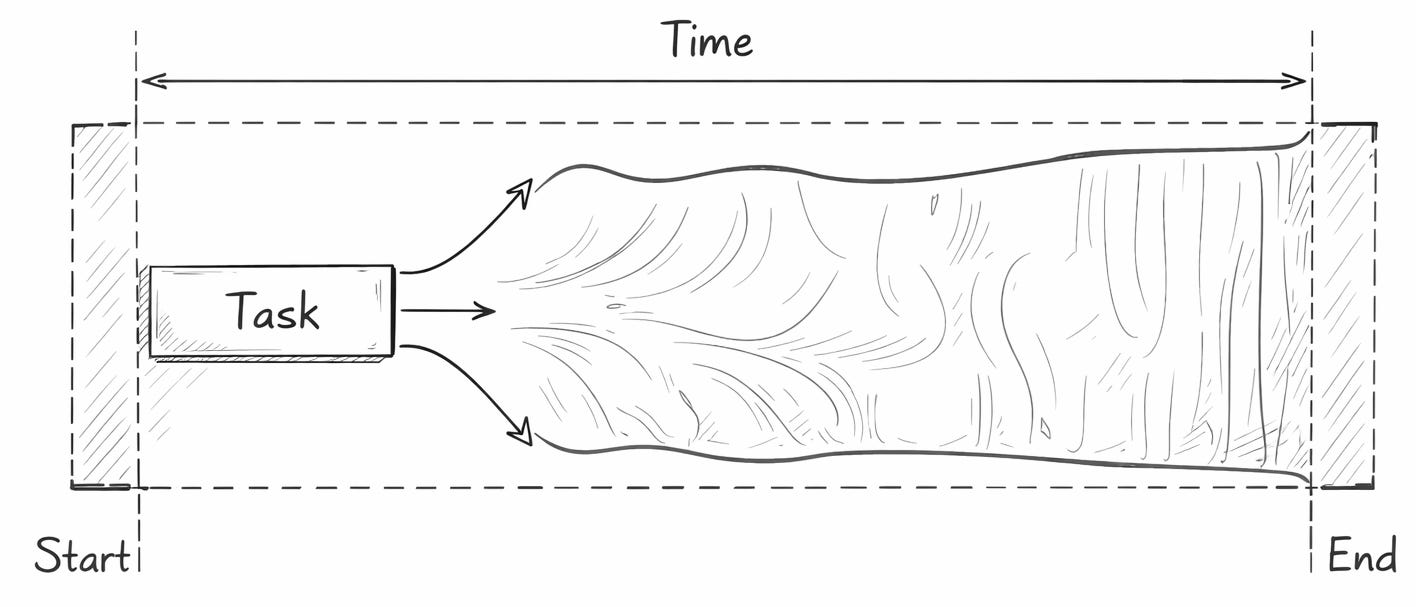
Application: Timebox and batch your system. Start with the end, then work backwards. When you don’t do the work, the work you should have done becomes the anxiety you now have. It’s how you solve for the spiritual-biological misalignment that is anxiety.
More on leveraging Parkinson’s:

Model #14: Hanlon’s Razor
Principle: “Never attribute to malevolence that which can be adequately explained by stupidity.”
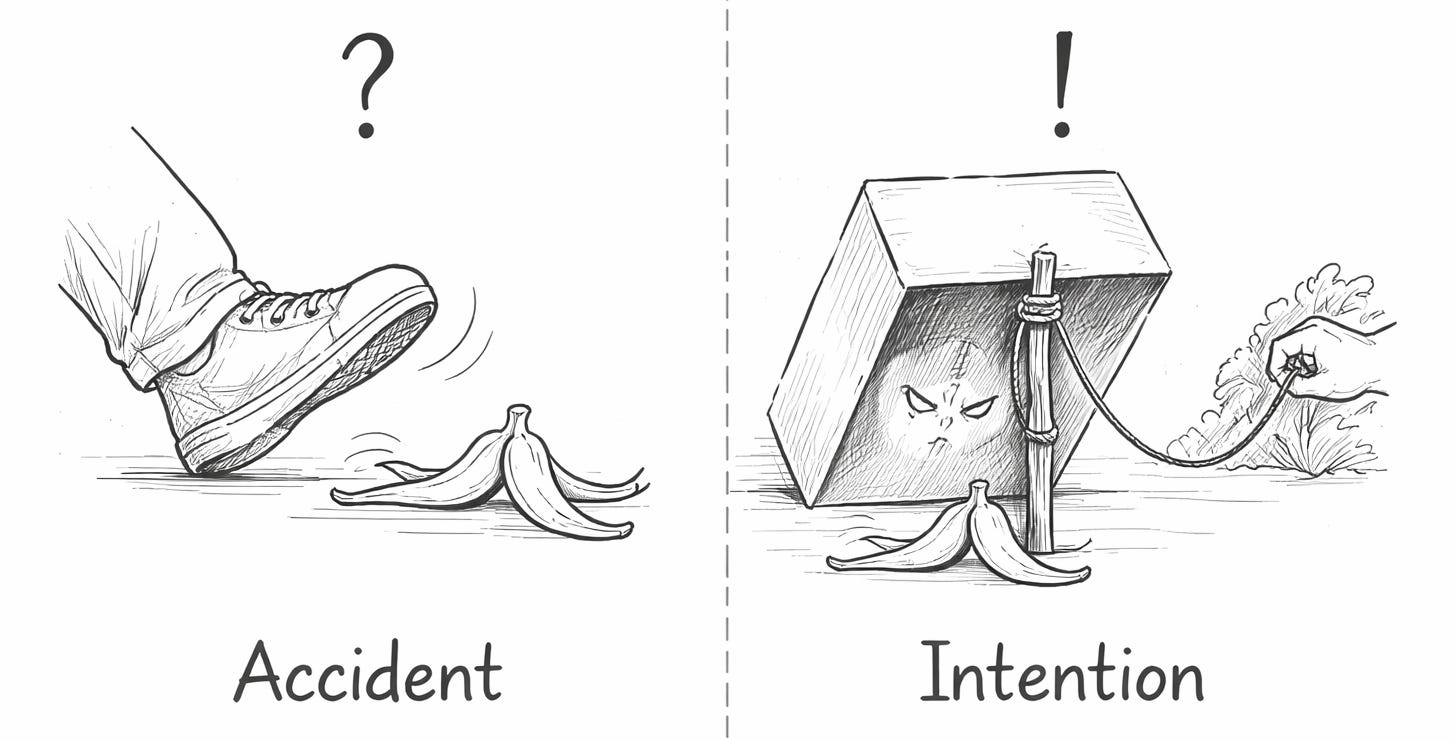
Application: This ties directly into one of the most overlooked components of health: nervous system regulation. Despite what you might see online, we live in the safest time in human history.
Reprogram yourself with the idea that no one is out to get you. There is no villain orchestrating your demise. Very few actually care enough about you (and what you’re doing) to allocate more than three seconds of thought toward you. Accept this as a beautiful feature of life.
Model #15: Roseto Effect
Principle: From a 1960s study of a Pennsylvania town showing low heart disease rates (despite poor diets and habits) attributed to strong community bonds that reduced stress. As social ties eroded, rates normalized.
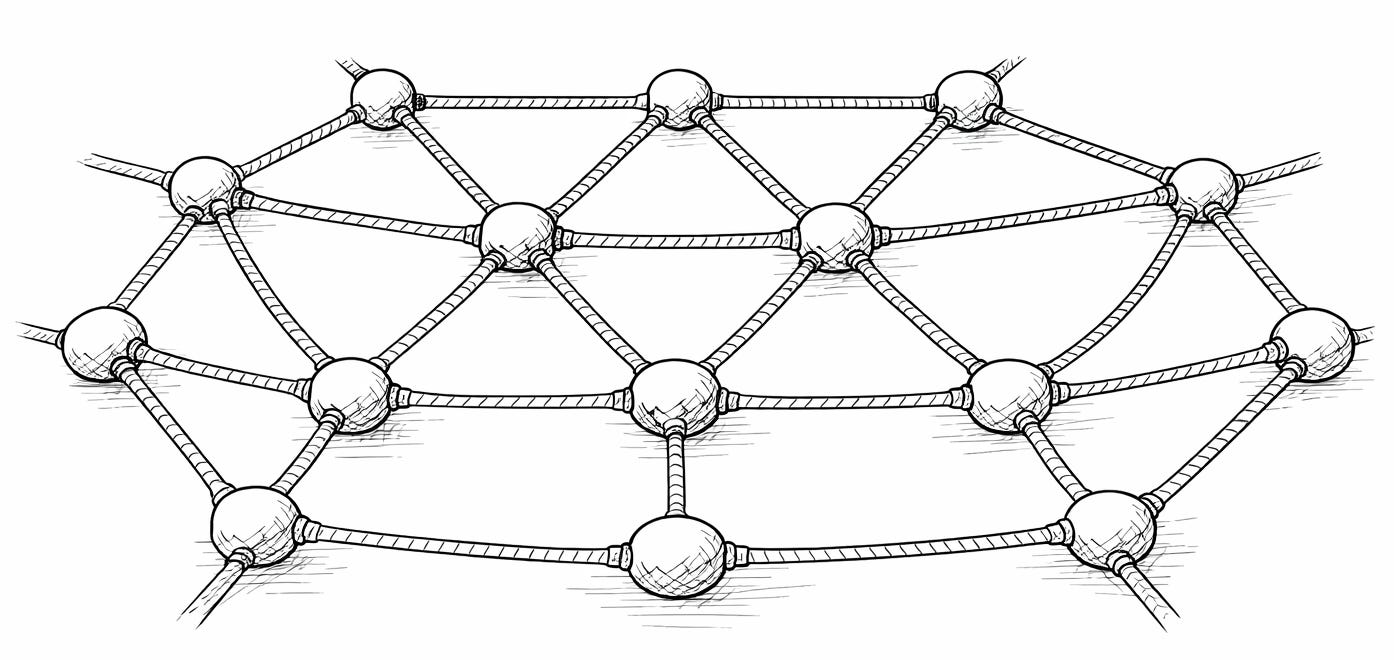
Application: The relational infrastructure of health is just as important (if not more) as the metabolic one. Don’t deny the opportunity to break bread with friends & family even if that means ingesting a seed oil-cooked dinner. (see: vector sum thinking).
Model #16: Friction
Principle: Increase the friction to the bad. Decrease the friction to the good.

Application: Elite performers all have something in common. It’s not superhuman discipline. It’s not lofty goals. It’s ruthless adherence to their system. At the bedrock of those systems are vices that are difficult to execute and virtuous habits that are seamless day to day.
Model #17: Environmental Determinism
Principle: On a long enough time horizon — you become your environment.
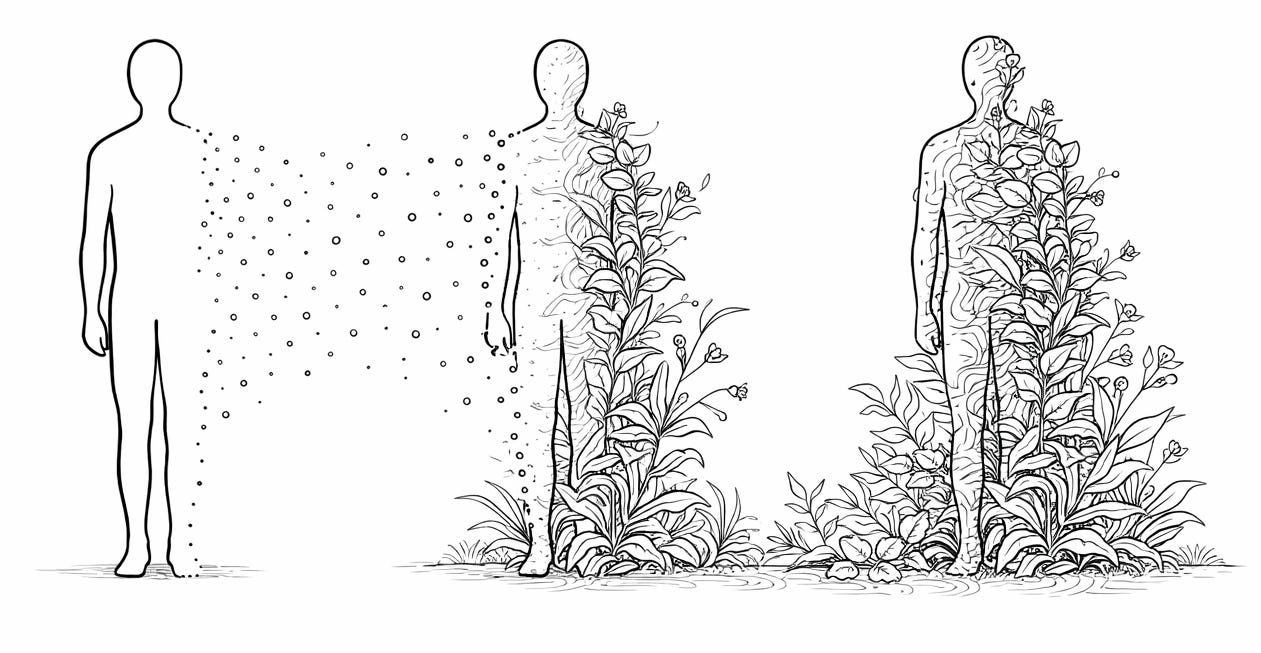
Application: Who you populate your social circle with. What fills your pantry. Where you spend your time. These are primary variables determining your outcomes, not mere background variables. Highly synergistic with the friction principle. Surround yourself with the things and people that multiply happiness and value to the world, while dividing the pain.
The Traps
Trap #1: Tactic Hunting
Principle: Chasing isolated tactics without strategic integration.
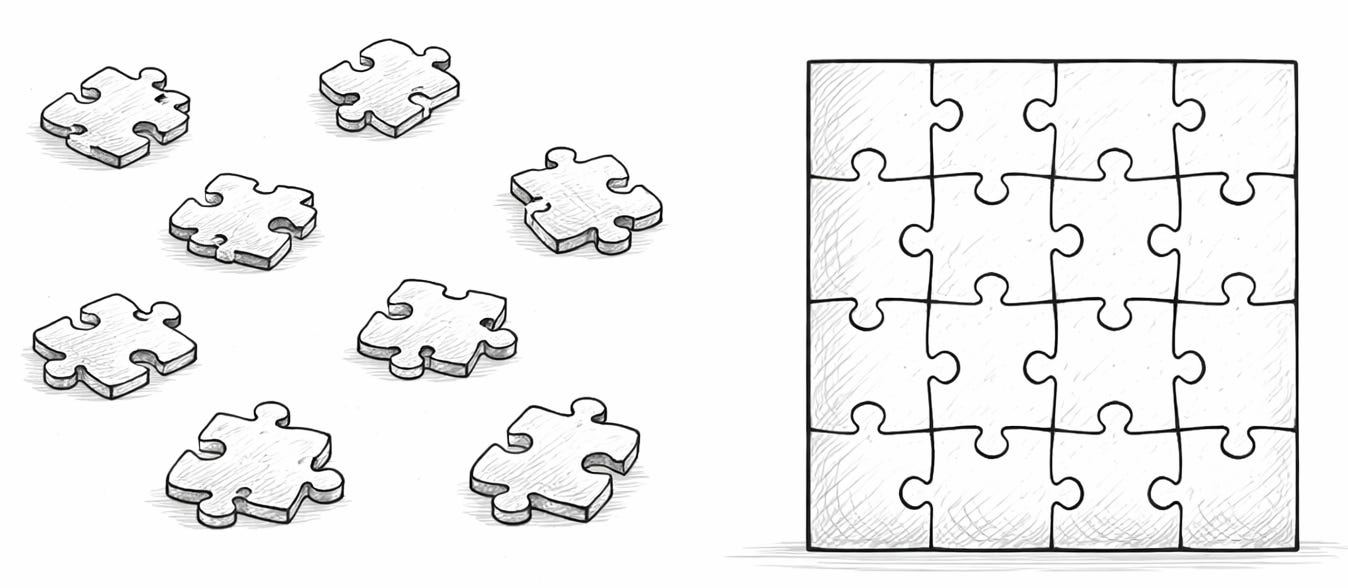
Application: Once you spend enough time in this space, you’ll notice a sharp dichotomy in types of practitioners.
On one pole, you have the tactic hunter who asks:
What diet?
What training split?
What supplement protocol?
On the opposite, you have the strategy builder who asks:
Does this tactic align with my objective?
Have I tried any variation of this in the past?
What lifestyle changes would make the integration of this tactic feasible?
The tactic hunter chooses in isolation of other variables. The strategy builder constructs cohesive systems aligned with personal objectives, lifestyle frameworks, and past experiences.
Trap #2: Front Stage Self
Principle: What you see is not all there is.

Application: This applies to both how you treat information in the health space and how you build a strong foundation for yourself from that same information. Superficial wellness is the prioritization of performative health displays over authentic, backstage systems. The former scores transient engagement points, while the latter leads to robust health infrastructure.
Trap #3: Overgeneralization
Principle: Drawing broad conclusions from limited evidence.
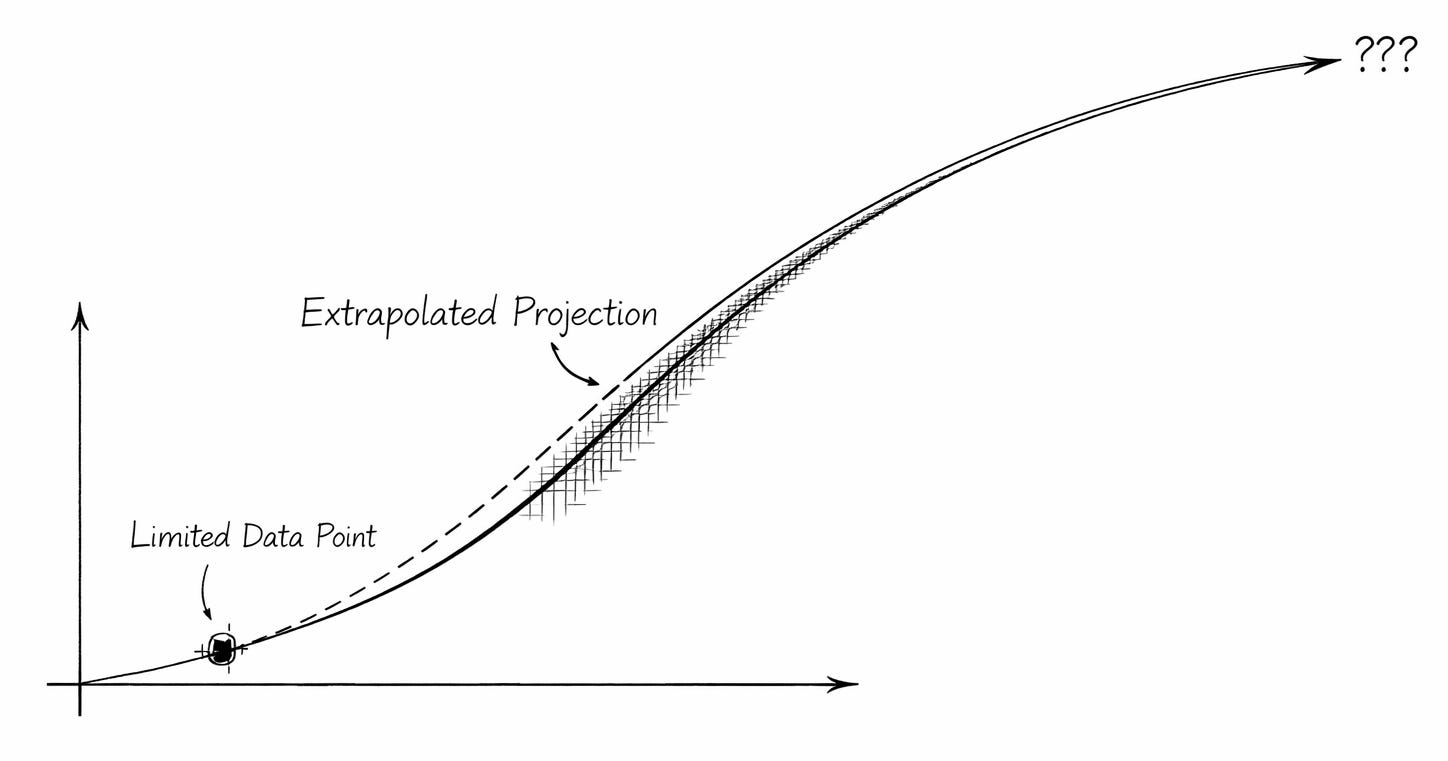
Application: What’s yours is yours. What’s mine is mine. Results of the most well-designed RCTs don’t necessarily translate to you as a salutogenic practitioner. In fact, it’s more likely they do NOT. We speak about this one at length in the Case for Broscience.

True learning is a shift in behavior. Without the application of these models to your own bioindividualized system — they became useless mental masturbation tools.
Implement.
Set up technical feedback tools.
Assess efficacy.
Iterate.
Only then can you become the master of your own health.
Your friend,
Phys
PS: We’ll be releasing some new paid sub features (protocols + peptides/bioregulator deep dives + community chat) in the next couple months. So for the OGs here, we’re dropping a limited time offer to hop in while it’s as low as we can go.
This is an article I wish I had written - Mental models applied to health decisions. Love it.
This is incredible