


Longevity has evolved into the buzzword of the health space. It’s also imprecise to the point of meaningless.
The traditional David Sinclair-sponsored camp now runs on the premise aging is a disease that is both treatable and reversible. A single, giant problem waiting on a single, giant solution.
Our view is quite the contrary: build resilient health infrastructure by its components (i.e. organs & bodily systems). Fix what’s broken & improve systems in a targeted way. As opposed to throwing sh*t at the proverbial longevity wall.
Any intervention worth implementing answers “yes” to all three:
Is it specific? → What problem is this solving?
Is it measurable? → Is a biomarker, a behavior, or a feeling moving over time?
Is it practical? → Can you do it continually without a longevity clinic, a six-figure protocol, or a neurotic 47-step morning routine?
The industry falls short on all three.
Now for a proper rundown on all the longevity psyops I’m not falling for.
Resveratrol
The Hype
The king of overhyped supplements & notorious “red wine” polyphenol (you’ll get more from a handful of grapes & blueberries anyways). Claims are to mimic caloric restriction & of course extend lifespan.
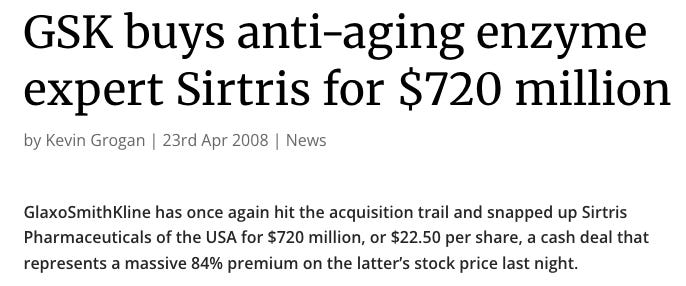
David Sinclair’s lab rode the longevity wave from cell line studies → mice → his company, Sirtris, that GlaxoSmithKline bought for $720 million.
Why It’s Overhyped
“The story of resveratrol turns out to be another case where you get a lot of hype about health benefits that doesn’t stand the test of time.”
– Dr. Richard D. Semba (lead author of 2014 resveratrol study in JAMA Internal Medicine)
150+ human trials showing either neutral or in some cases even negative effects like blunting the benefits of exercise.
Pick your flavor of failed test, you can bet it’s here:
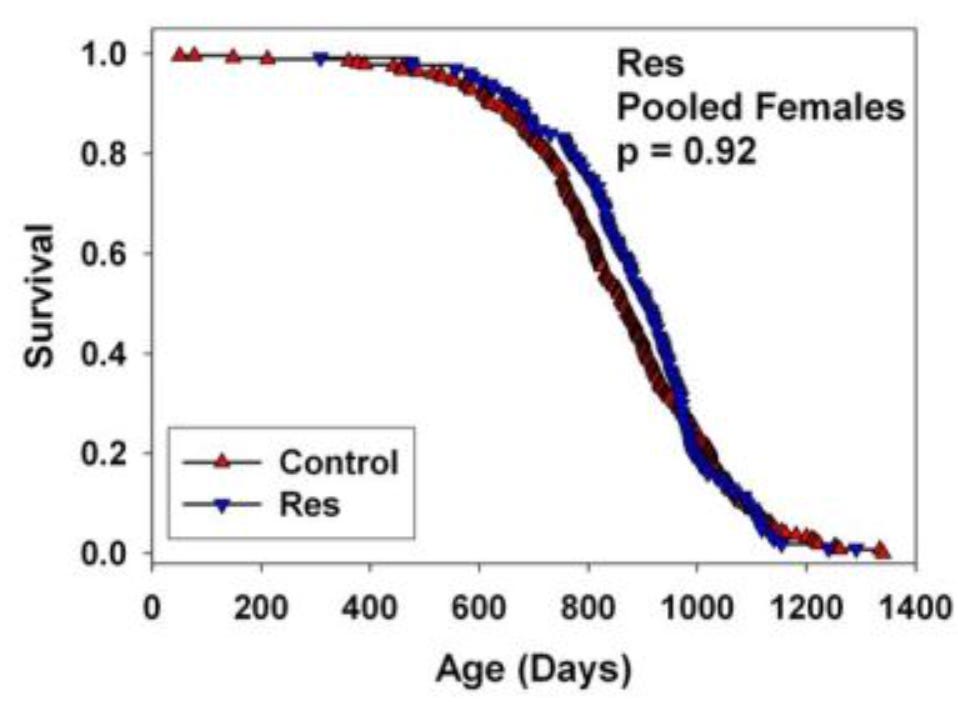
No lifespan effects in longevity models: No lifespan extension at any dose. Sinclair was a co-author.
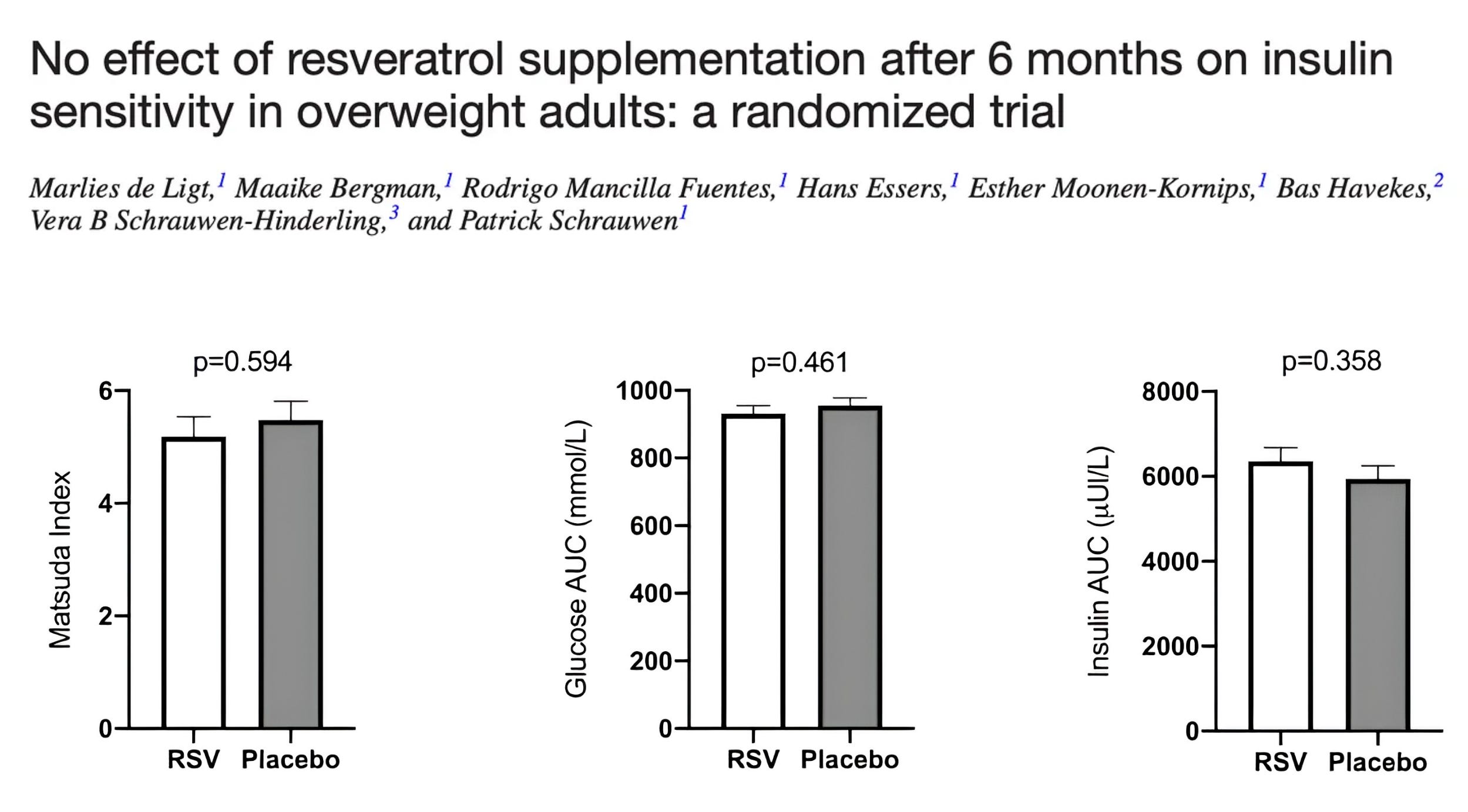
No cardiometabolic impacts on the longest human RCT: 6-month trial. 41 adults randomized to 150 mg/day or placebo. No differences in insulin sensitivity, liver fat, body composition, blood pressure, energy metabolism, or physical performance.
No mortality reduction link for humans: 783 adults tracked for 9 yrs. Urinary resveratrol levels had no association to inflammatory markers, cardiovascular disease, cancer, or all-cause mortality.
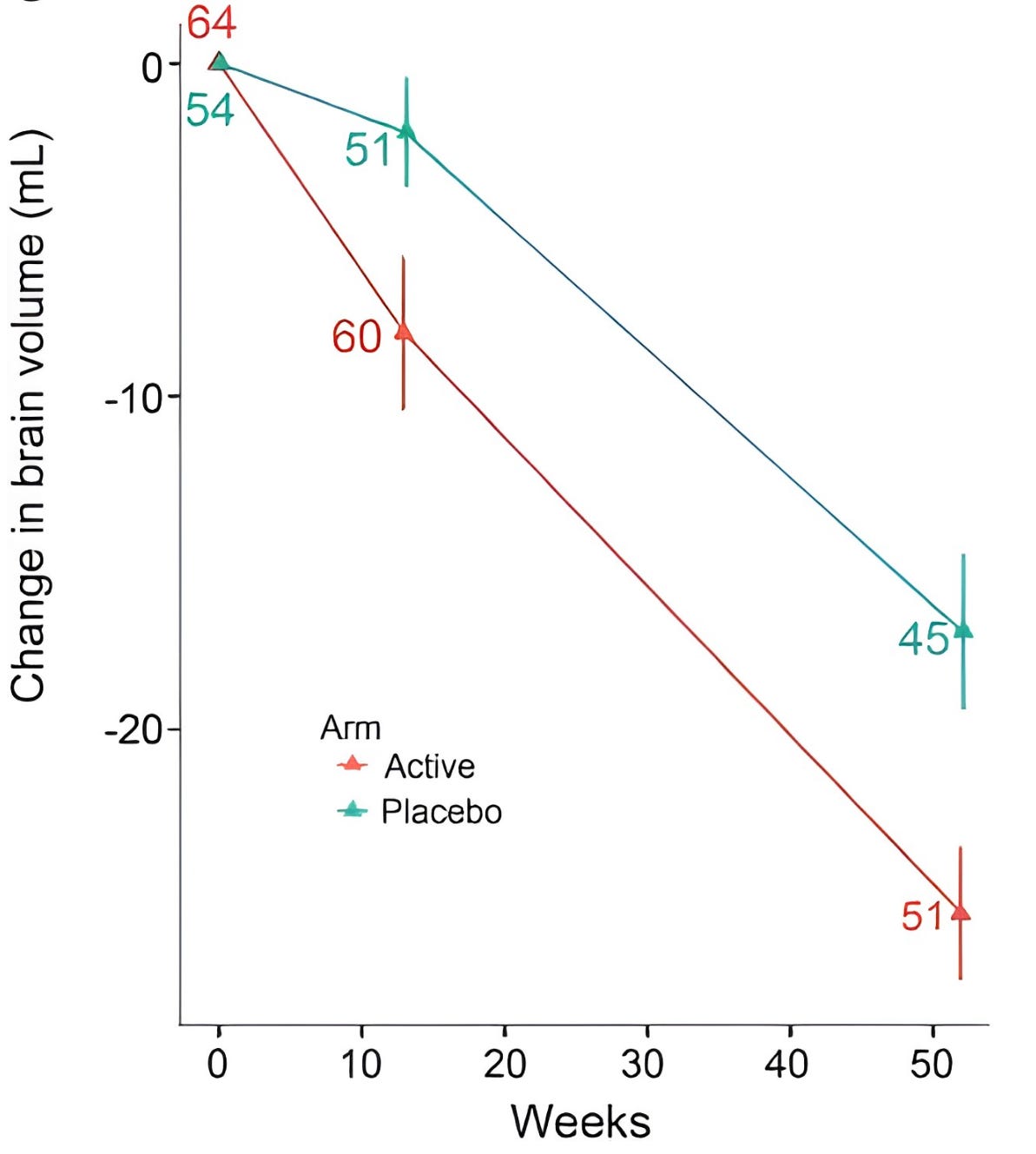
Brain volume loss experienced: 52-week Alzheimer’s trial at up to 2 g/d. Greater brain volume loss in the resveratrol group than placebo.
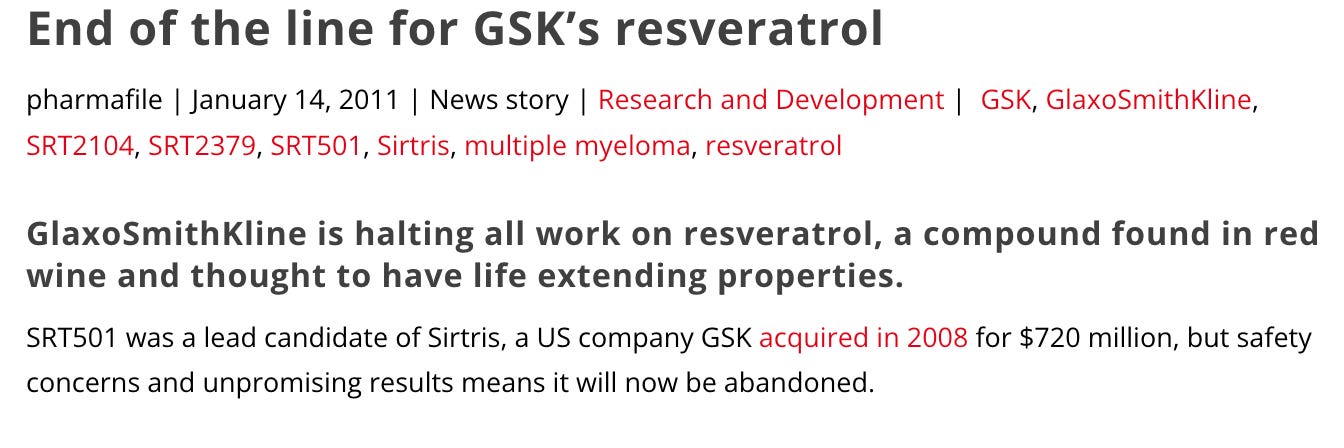
GSK’s self own: Reached the same conclusion with its own money. Their proprietary blend (SRT501) was abandoned in 2010 over poor tolerability & adverse renal outcomes. Sirtris was shut down in 2013.
Highly estrogenic: Hormonally disruptive. Increases sex hormone binding globulin. Lowers free testosterone. Raises estrogenic activity.
Biological Age Tests (Epigenetic Clocks & Telomere Length)
The Hype
Direct-to-consumer tests that output a single value as your “biological age”. TruDiagnostic, Elysium, Generation Lab, & Sinclair’s Tally Health all sell subscription versions.
Why It’s Overhyped
“I don’t recommend that people get them unless you just want it for entertainment value”
— Dr. Matt Kaeberlein (Founding Director of the UW Healthy Aging & Longevity Research Institute)
The biological age gamification model:
Get a baseline biological “age”.
Provide you the “solutions” to lower your “age”.
Re-measure your “age”.
Run the loop all over again.
They leverage a human flaw: our bias to create neat & compressed models (stories) for the intimidating complexities of human life.
Unfortunately, they don’t serve as useful on the individual level (at least not yet):
Same sample with different “ages”: When identical samples are split by testing method, there were deviations up to 9 years.
Cheek swab ≠ blood draw: Oral swabs (preferred by leading companies) vs. blood estimates differed by ~30 years in some clocks across 284 samples.
Good for population analysis. Poor for individual clinical use: “there are substantial technological & biological barriers that prohibit current epigenetic clocks from being useful on an individual level…epigenetic clocks at an individual level may lead to harmful societal and personal consequences.”
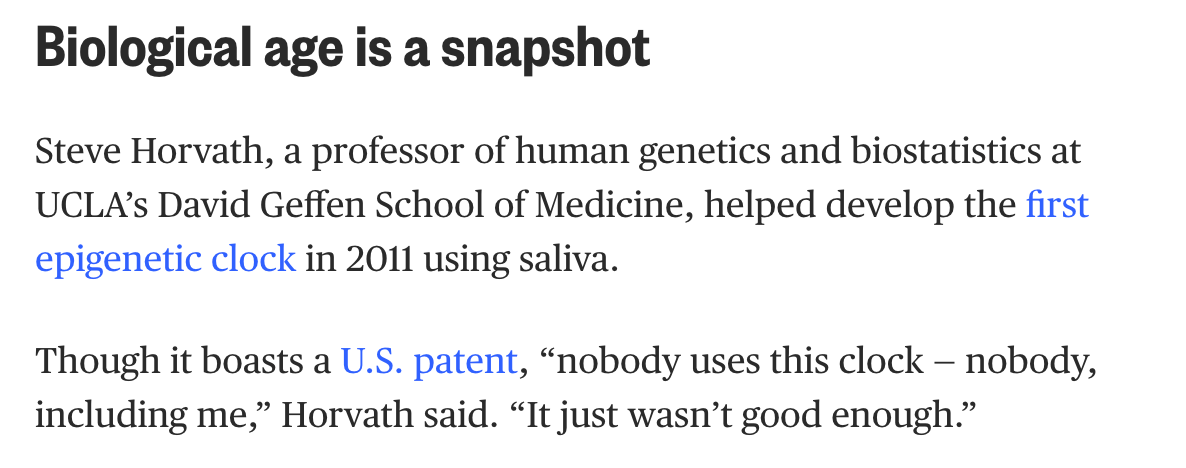
The inventor built it for labs:
Cost-efficient + comprehensive blood biomarkers >> biological age tests
If you’re reading this, you probably care about your long-term health like me. That’s why I ignore the random number generator tests and opt for hundreds of proven biomarkers at a fraction of the biological age test cost.
That’s also why I’ve been using Superpower for the last 2 years and haven’t looked back.
No one will ever care about your own health more than you. And Superpower is the path to taking your health into your own hands.
100+ biomarkers tracked longitudinally
3,000+ labs nationwide for convenient testing
24/7 unlimited access to medical practitioners
All for less than $15/month.
Test. Don’t guess.

Blue Zones
The Hype
Five regions identified in the early 2000s as having unusually high concentrations of people living past 100:
Ikaria, Greece
Sardinia, Italy
Okinawa, Japan
Nicoya, Costa Rica
Loma Linda, California
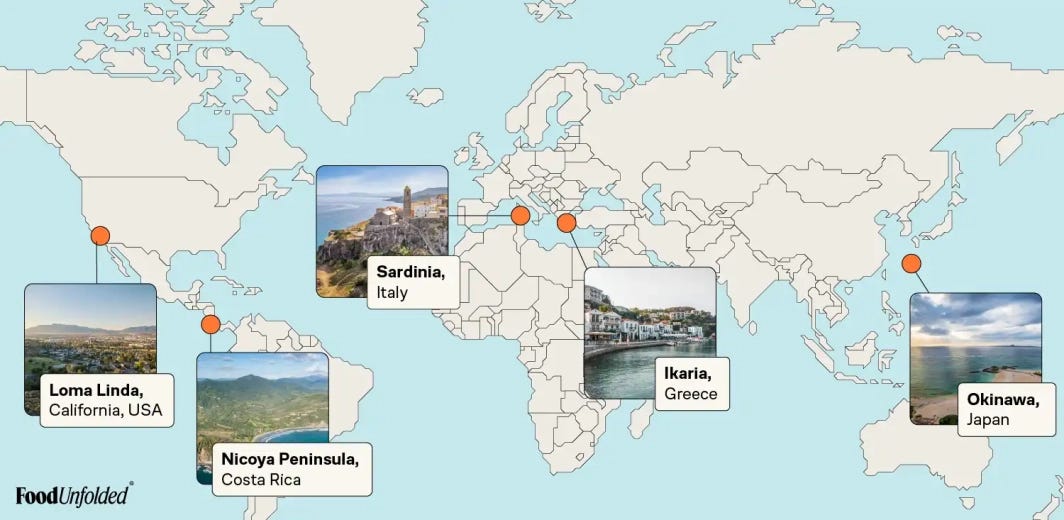
Belgian demographer Michel Poulain & Italian physician Giovanni Pes teamed up to publish the AKEA study in 2004. Journalist Dan Buettner later joined the project, published a National Geographic cover story, & trademarked the term the following year.
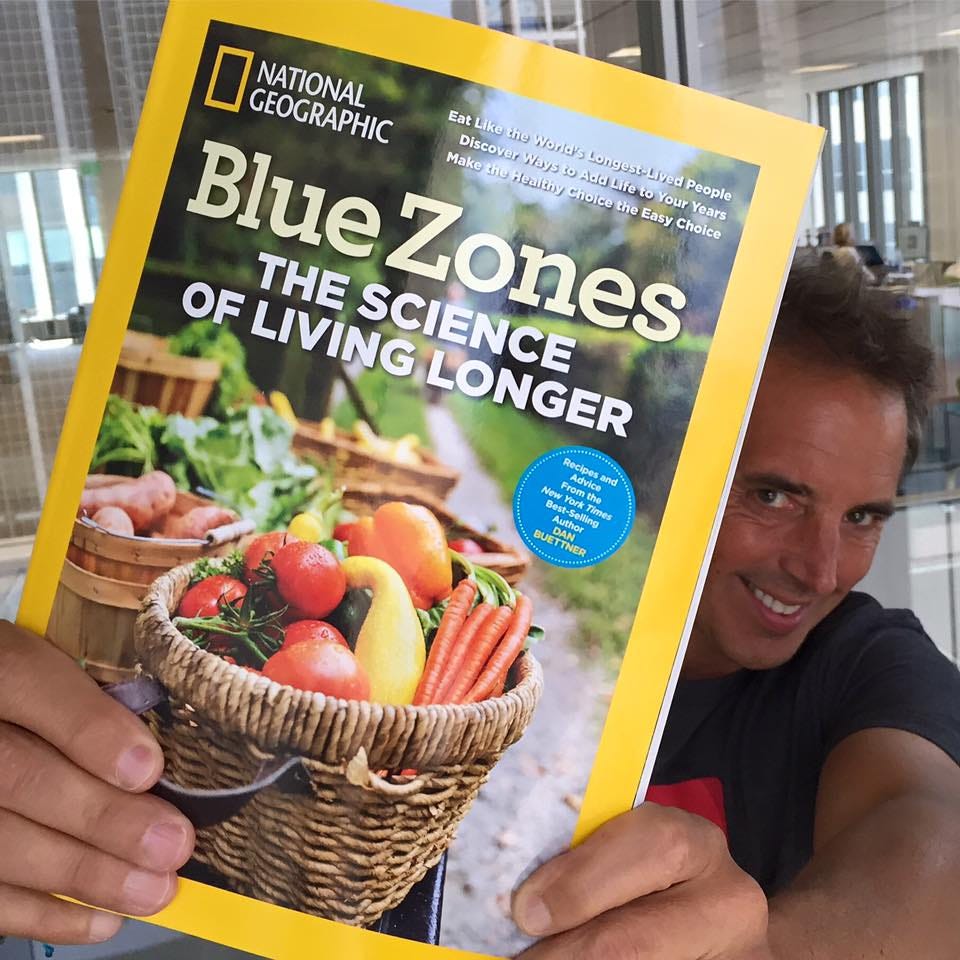
The premise was simple: Find where people live longest. Identify their habits. Copy the protocol.
Pop culture took it & ran. Nine bestselling books, one 2023 Netflix documentary, and one consulting business that certifies “blue zone” cities later.

Why It’s Overhyped
“The secret to extreme longevity is to move where birth certificates are rare, teach your kids pension fraud & start lying.”
— Saul Newman (Ig Nobel acceptance speech)
Buettner sold Blue Zones LLC to Adventist Health in 2020 for $78 million.
Cities now pay $100k/year to keep the designation.
A five-year contract with an Iowa insurer covering 10+ cities cost an ~$25 million.
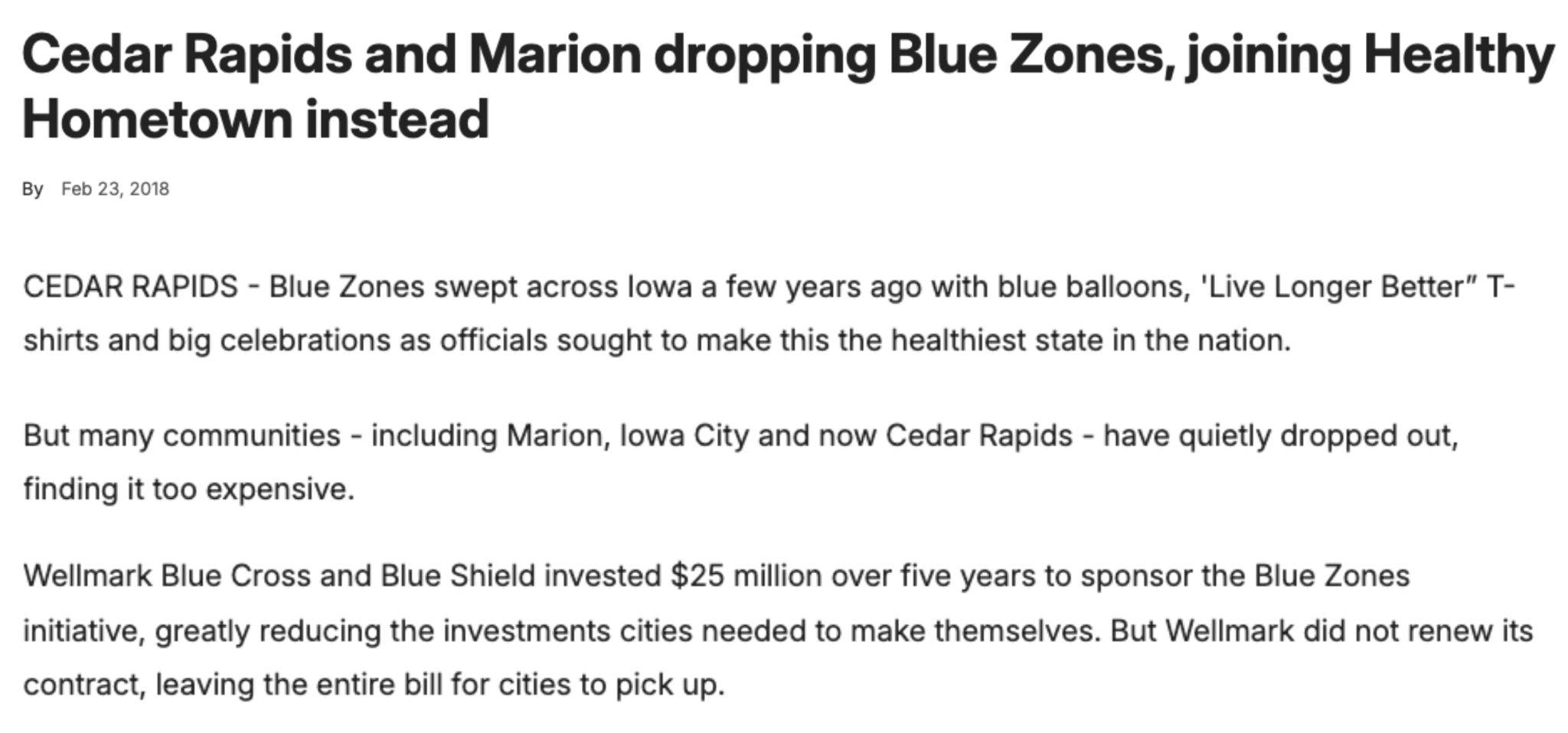
Frozen blue zone meals are now in 4,000+ grocery stores across the US.

All of the hype built on a foundation of fraudulent centenarian stats:
Only 18% of validated centenarians have a birth certificate: When you bring actual birth certificates into the mix, there’s a 69–82% drop in centenarian records in these regions. Ironically, the strongest predictors of 100+ years of age were high poverty, missing birth certificates, fewer 90+ year old people, & high crime rates.
When Japan conducted an audit, 82% were dead: A Japanese gov’t review found 82% of their 100+ population was long deceased. Many killed in World War II then kept alive on paper to collect the pension.
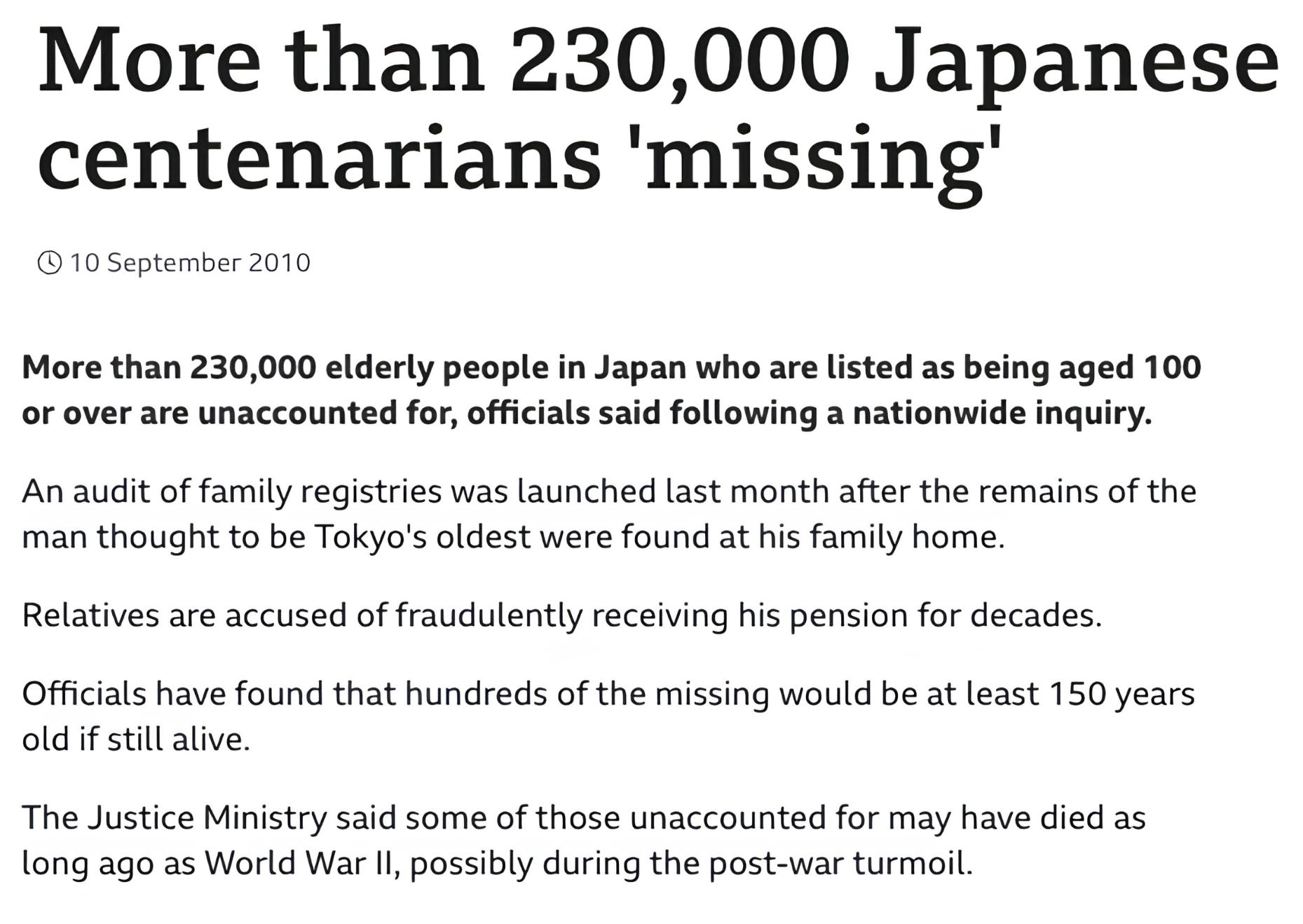
Japan isn’t alone: In Greece, 72% of centenarians were dead or made up people. In Costa Rica, 42% lied about their age.
Loma Linda was added to appease Nat Geo editors: Buettner admitted including the California site only because National Geographic asked for a U.S. location. Poulain never acknowledged it as a blue zone.

