


Consumer products giant Proctor & Gamble acquired Thorne for near asking price of $3.8B earlier this month.
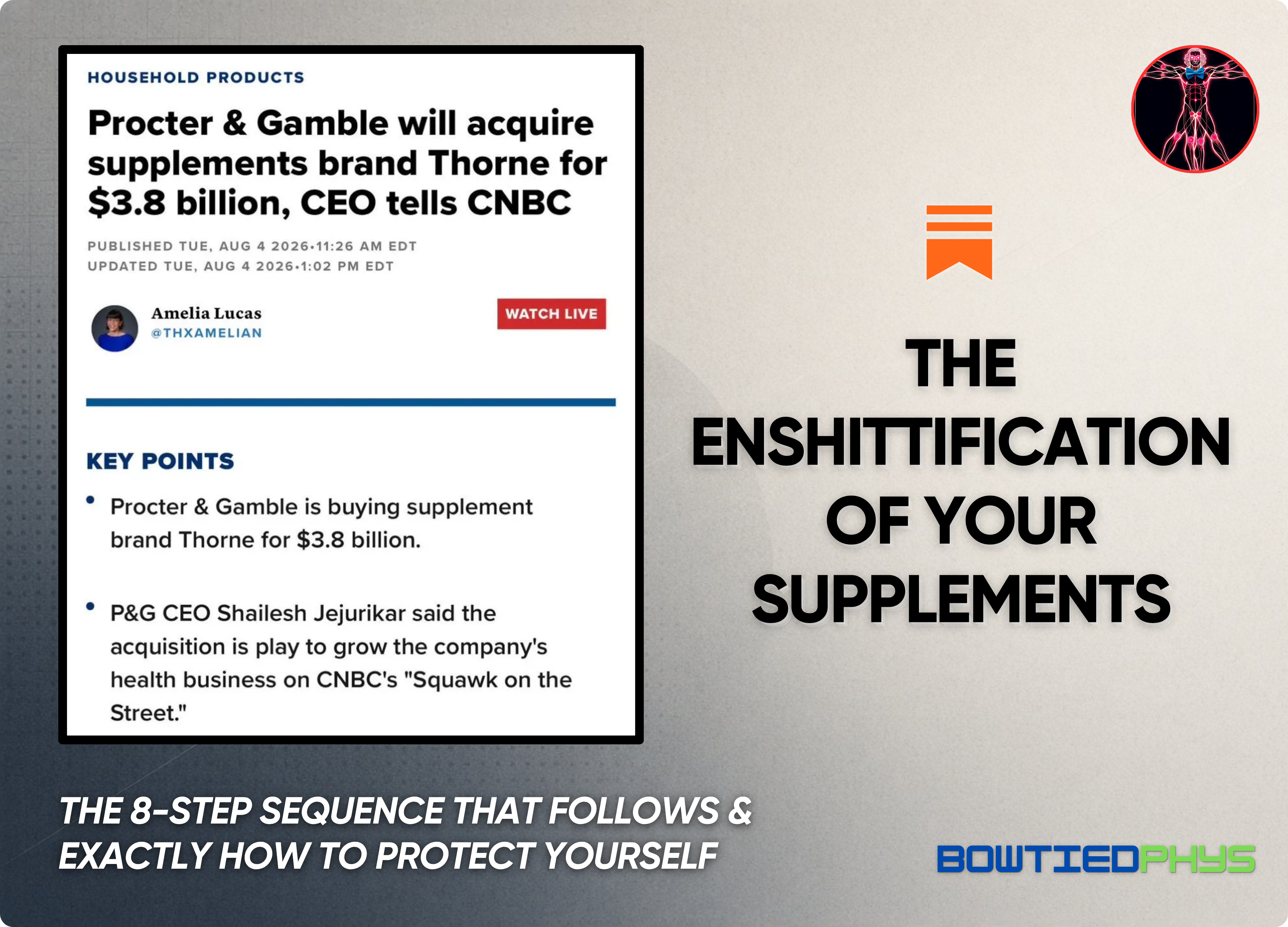
Outrage about the move naturally hit the digital health space. But many missed that the enshittification of a once S-tier supplement brand started well before P&G’s recent acquisition.
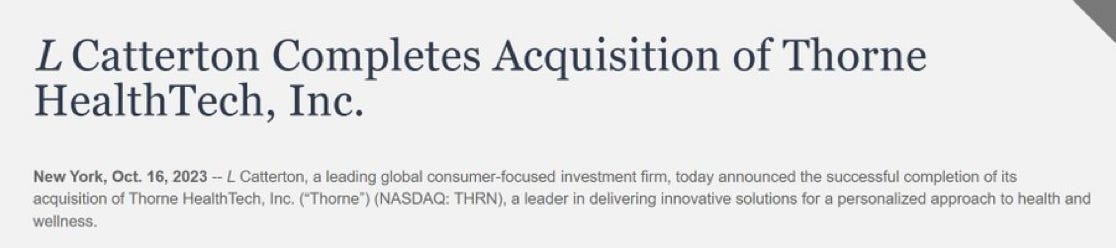
In 2023, L Catterton, a LVMH-backed private equity firm, bought Thorne for $680 million.
Not long after, they fired most of their research team & cut more overhead to increase short-term demand.
After pointing this out last week, my DMs & replies filled up w/ the same question: What supplement brands are we left with to trust now?
A valid question worth addressing as the enshittification of the industry ramps up.
What we’ll get into this week:
How enshittification happens within the supplement industry
Principles I stick to when looking for reputable brands
My top choices (right now)
How Enshittification Is Taking Over the Health Space
Enshittification was coined in late 2022 to describe how digital platforms decay.
“Here’s the natural history of enshittification:
First, platforms are good to their users.
Then they abuse their users to make things better for their business customers.
Next, they abuse those business customers to claw back all the value for themselves.
Finally, they have become a giant pile of shit.”
– Cory Doctorow
The last few years are proof it’s no longer a tech specific phenomenon. It comes for every industry.
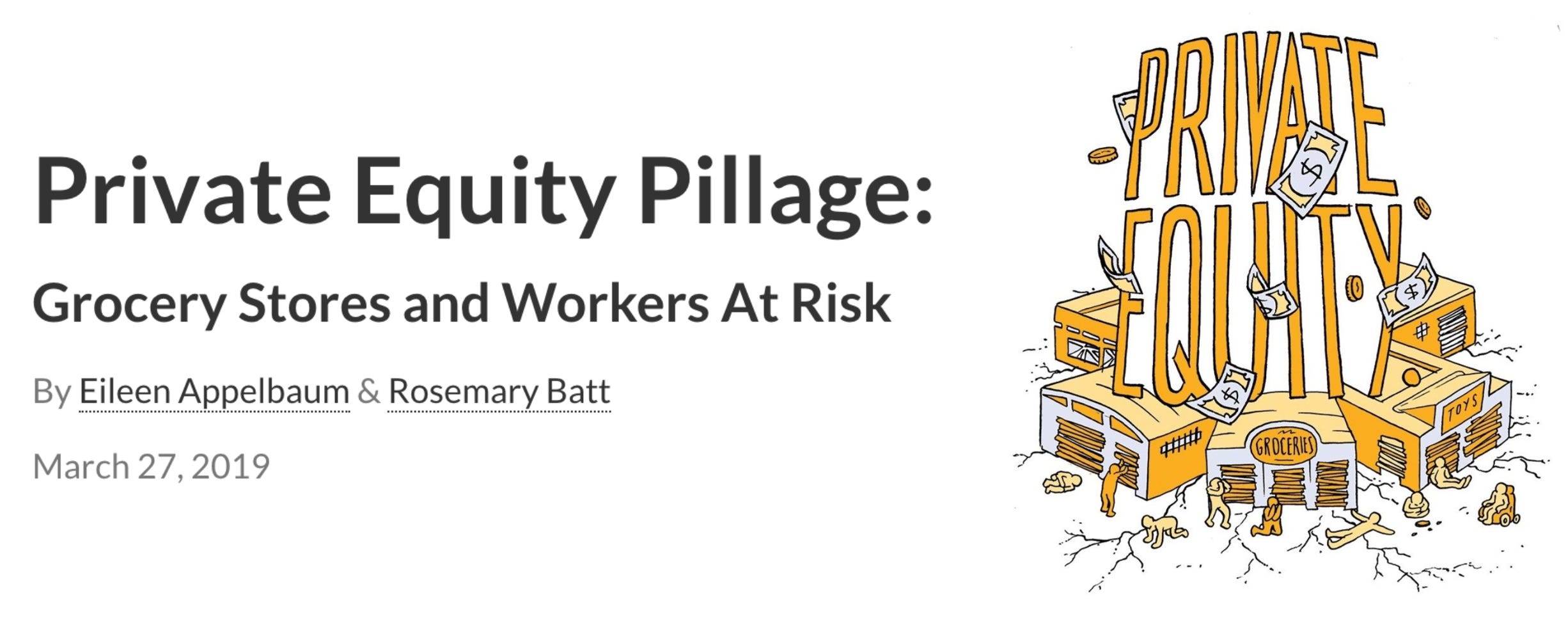
Grocery Stores
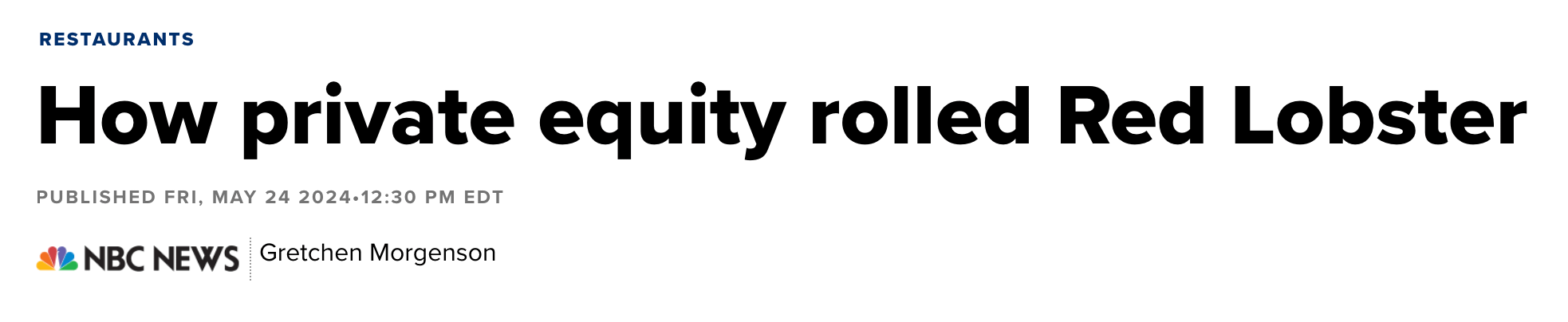
Restaurants
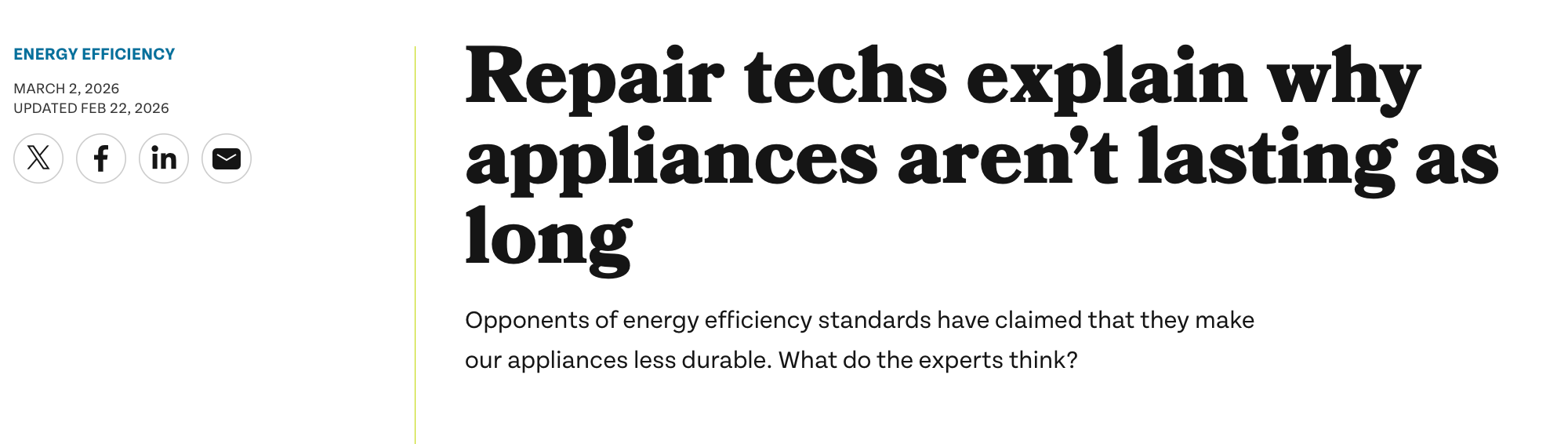
Appliances
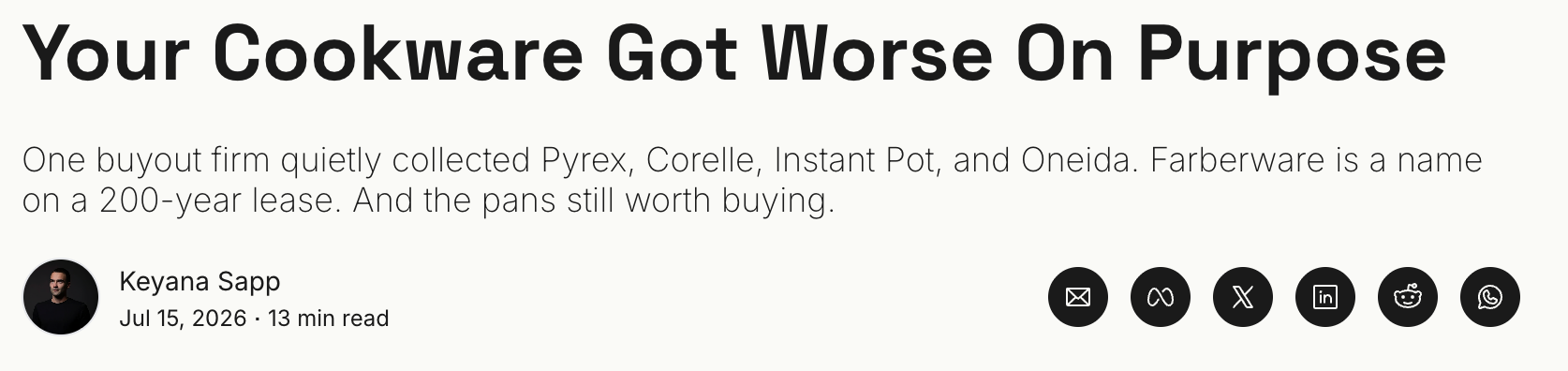
Cookware
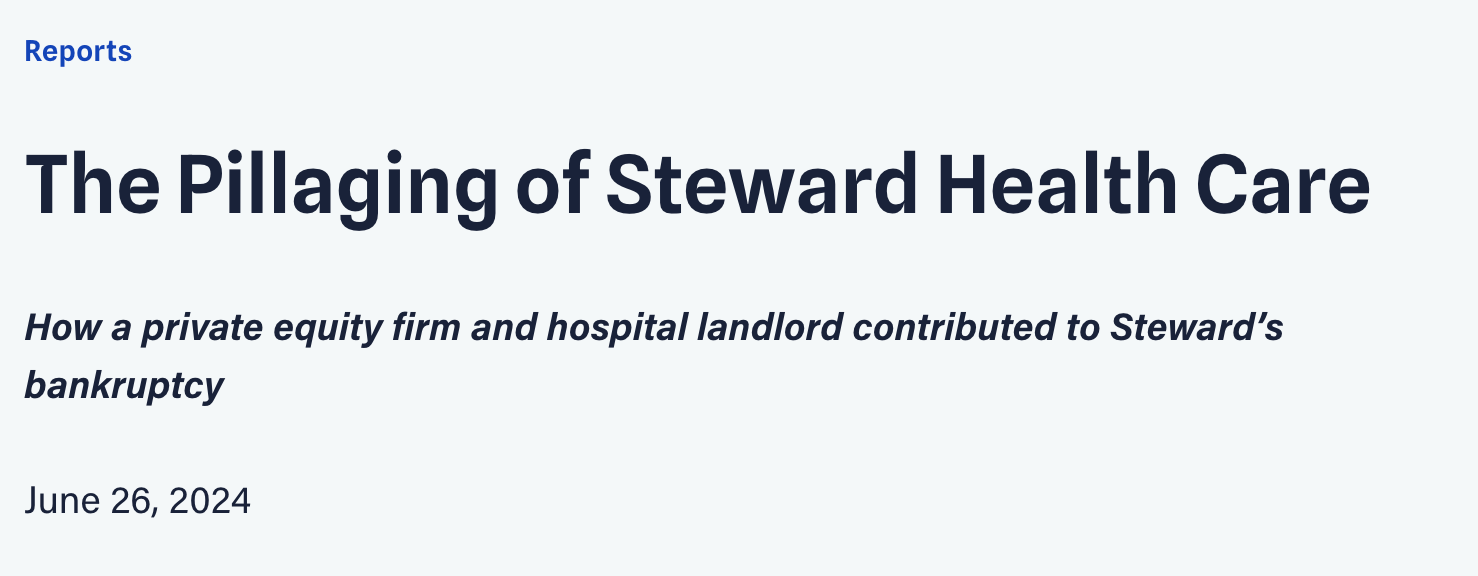
Hospitals
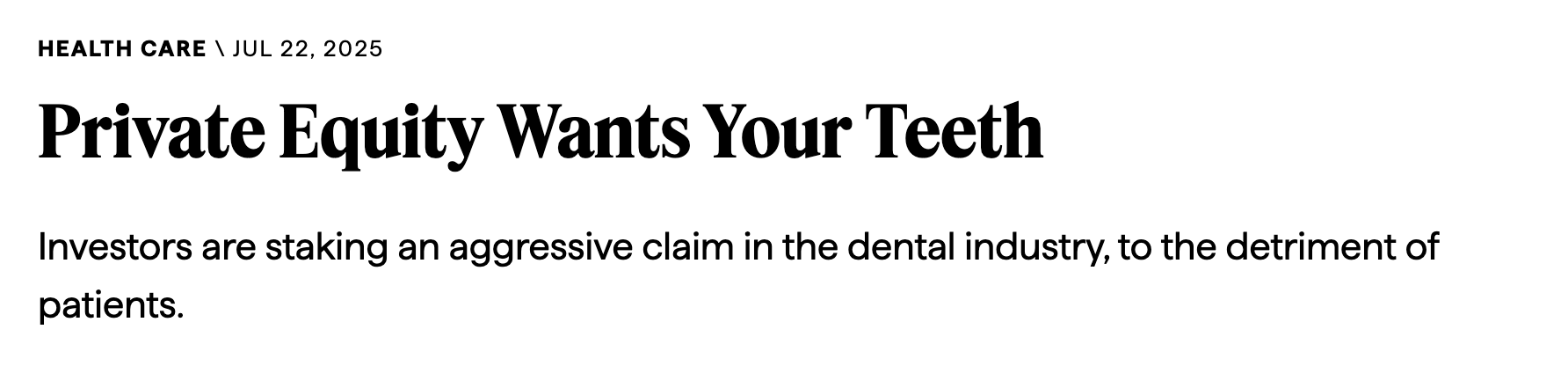
Dentistry
Airlines

The health space isn’t an exception to the rule. Once you see it in one area, you can’t unsee the “piles of shit” everywhere.
The process looks roughly like this:
Founding team exits. PE firm takes over.
PE targets their own exit at a multiple in 3–5 yrs.
Expansion begins. SKUs are added. New markets entered. New formats tested.
Retail markets come into play. Niche DTC/practitioner/digital health space channels are no longer the priority.
Margins tighten. With retail taking a larger cut than the DTC channel, cost of goods needs to drop.
Quality degrades → Cheaper ingredient forms. Sloppier manufacturing practices. Minimal (if any) R&D. Less quality control.
Reputation takes a slight hit. Right curve, well-informed consumers (*you*) notice.
Well-timed exit. Brand gets flipped or divested at peak credibility.
Most are asleep through these changes thinking the same ol’ reliable brand is what it’s always been. Trust is a lagging indicator after all.
As product quality slowly degrades, there are plenty of subtle signs you can pick up on before it’s too late.
Principles
Brand reputation isn’t constant. It’s hard earned initially then it evolves over time.
Ownership changes hands. Lead researchers and R&D teams move from one company to another. Quality ebbs & flows. So it’s better to root yourself in a set of foundational principles first.
Green Flags
1a) They’re highly specialized.
A good dining rule of thumb I choose to live by: Never go to a restaurant with a huge menu.
They do one or two things really well. Especially true if the brand has only been around for 3–5 years. If they’ve got a huge line of products and only been operating for 2 years, be skeptical.
Shop by individual product/nutrient need whenever possible.
1b) If they’re not specialized, they’ve earned the right to be.
They’ve been around for a long time and they have a long standing reputation built on trust.
2a) They readily provide CoAs.
They either post them directly. Or you’re able to secure it with a simple email request.
Just because a brand isn’t posting a third-party CoA isn’t an automatic disqualifier. Many will happily provide upon request. Others will dance around the request.
2b) They have an independent, accredited lab named on the cert.
ISO/IEC 17025 implies the lab’s methods were externally audited.
Know the common methods to look for:
ICP-MS = Heavy metals testing (lead, cadmium, arsenic, mercury)
HPLC / UPLC = Potency & label-claim verification for most active ingredients.
LC-MS/MS = Trace-level quantification. Pesticides, mycotoxins, banned substances.
GC / GC-MS = Residual solvents, fatty acid profiles, volatiles.
HPTLC = Herbal & botanical identity.
FTIR / UV-Vis = Raw material identity & purity screening.
Microbial limits = Yeast/mold, E. coli, Salmonella, staph.
90%+ of the time, they’ll be one of the following: Eurofins, NSF, SGS, Intertek, Certified Laboratories, NJ Labs, Alkemist Labs, Flora, Covance, Prodigy
2c) They report measured values.
Adjective “measurements” are the classic work-around. Especially for heavy metal testing. Actual numbers for lead, cadmium, arsenic, mercury, pesticides & different mycotoxins up against stated limits.
2d) They have a lot number on the CoA.
Forged and plagiarized certificates are a recurring problem in the space.
Dry labbing is the act of issuing a CoA with whatever results a client wants without actually testing anything.
Elan Sudberg, CEO of Alkemist Labs, has been calling this out for more than a decade. Sudberg has spoke about getting DMs from others in the industry forwarding sales solicitations with certs that looked exactly like his own. The documents were close enough he had to search Alkemist’s internal lab management system by lot & sample # to confirm the analyses weren’t theirs.
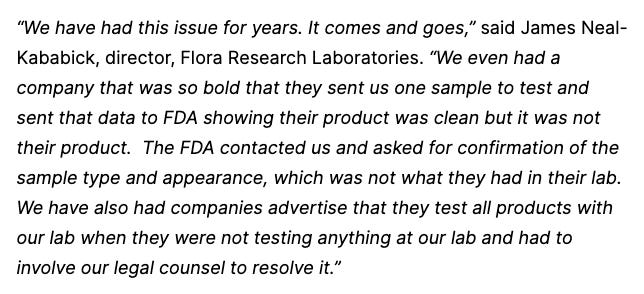
It’s not a single lab’s problem either. James Neal-Kababick, director of Flora Research Laboratories, described the same pattern persisting for years:
2e) Verifying the COA in < 90 sec
The 90-second check, per brand:
Fire up Perplexity & search →
[input brand site exactly] “certificate of analysis”.Look for a lot number search field.
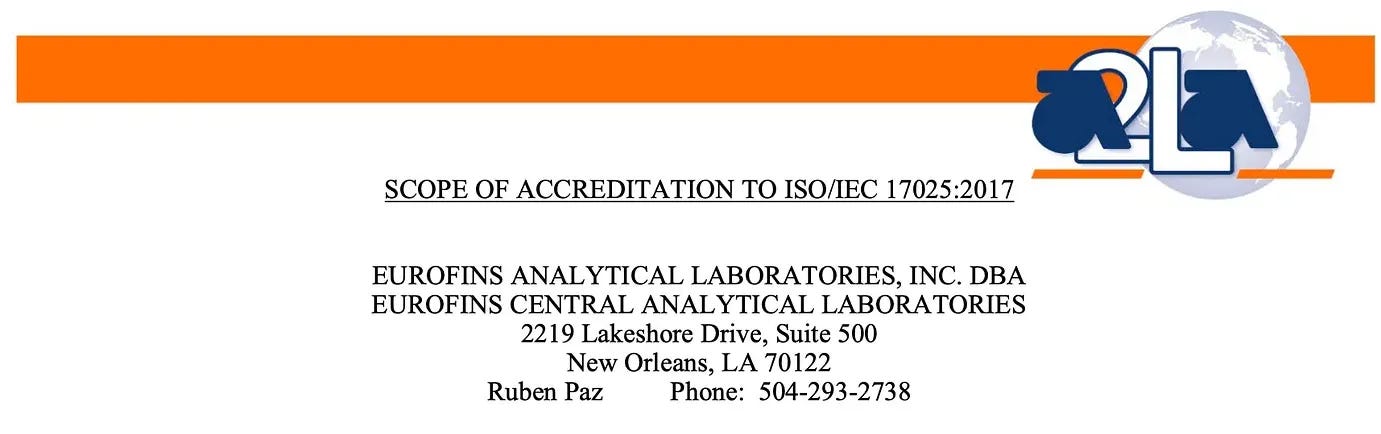
Open any certificate. The 5 big things to look for:
Lab name
Accreditation #
Lot #
Measured values with units & specification limits
Date within six months
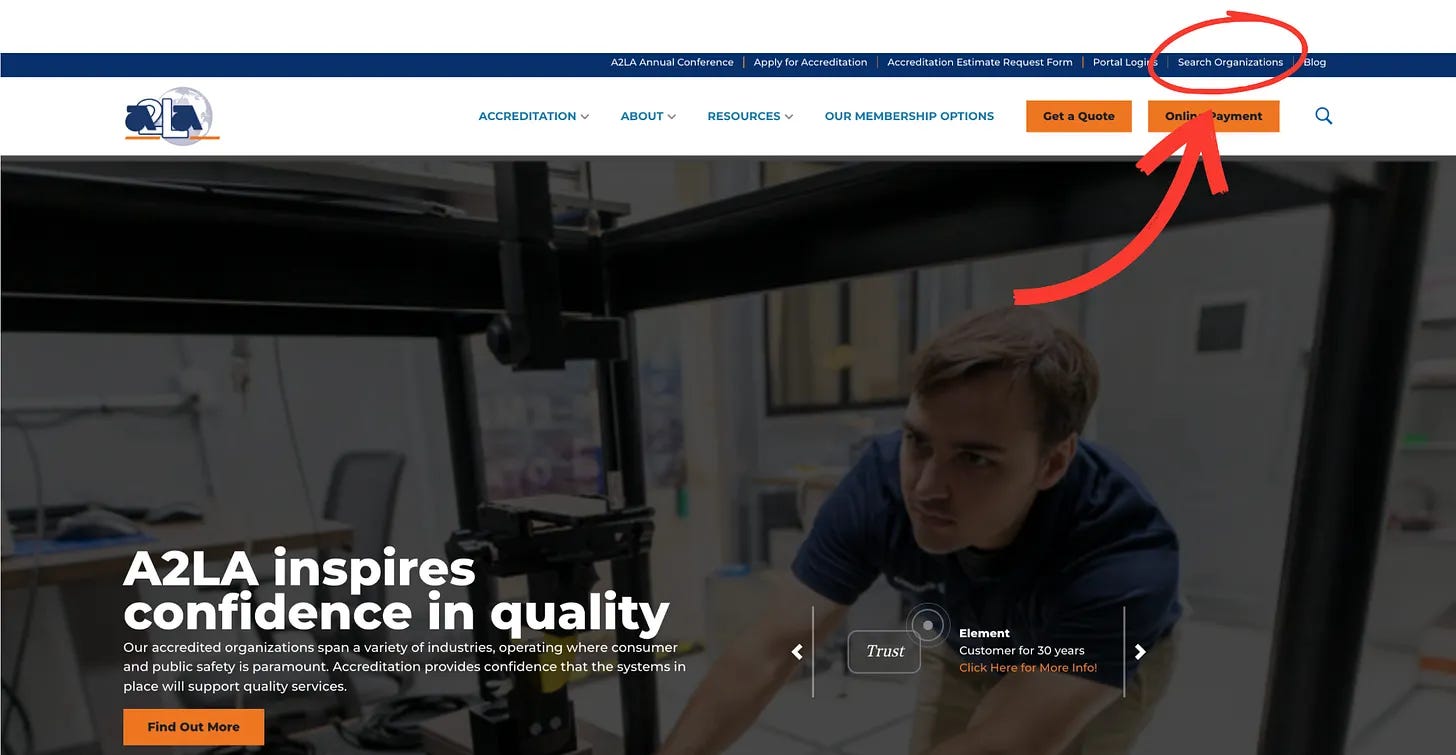
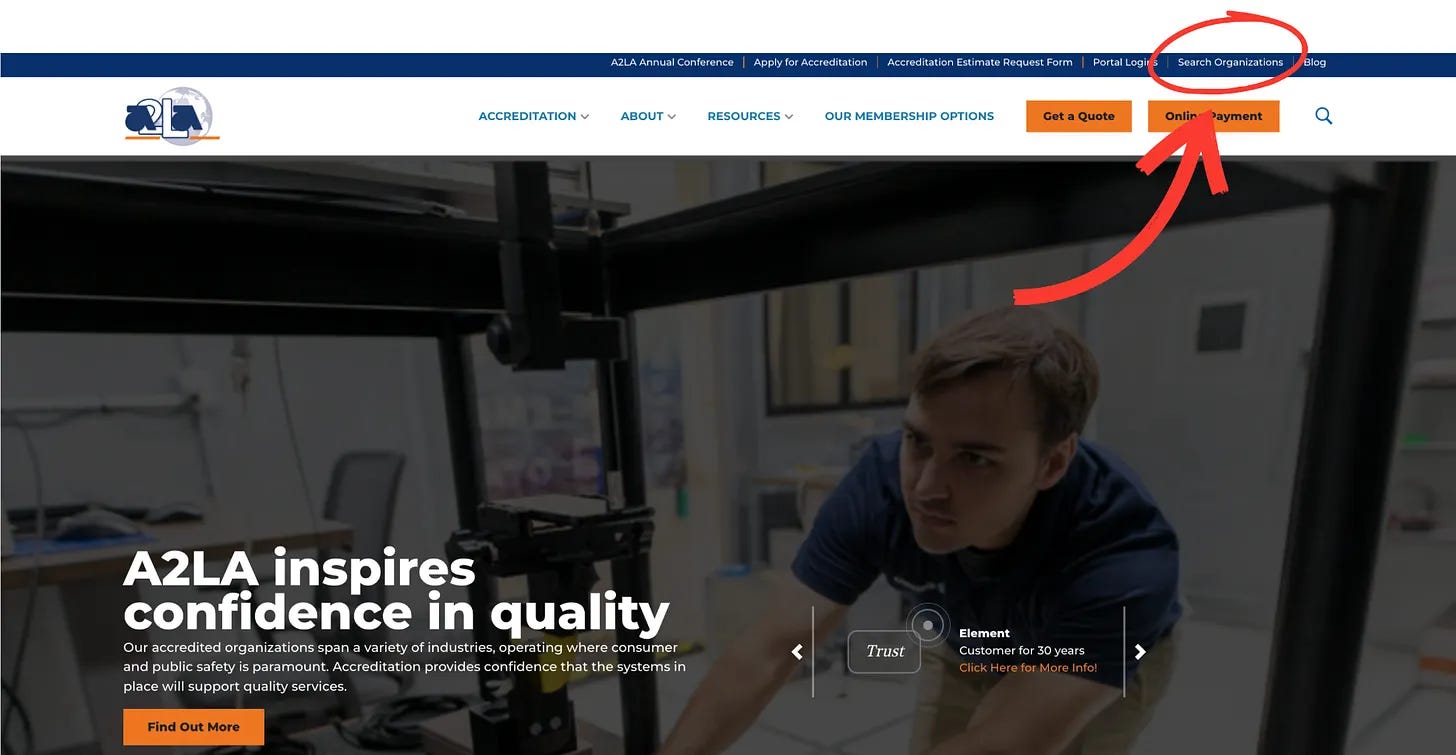
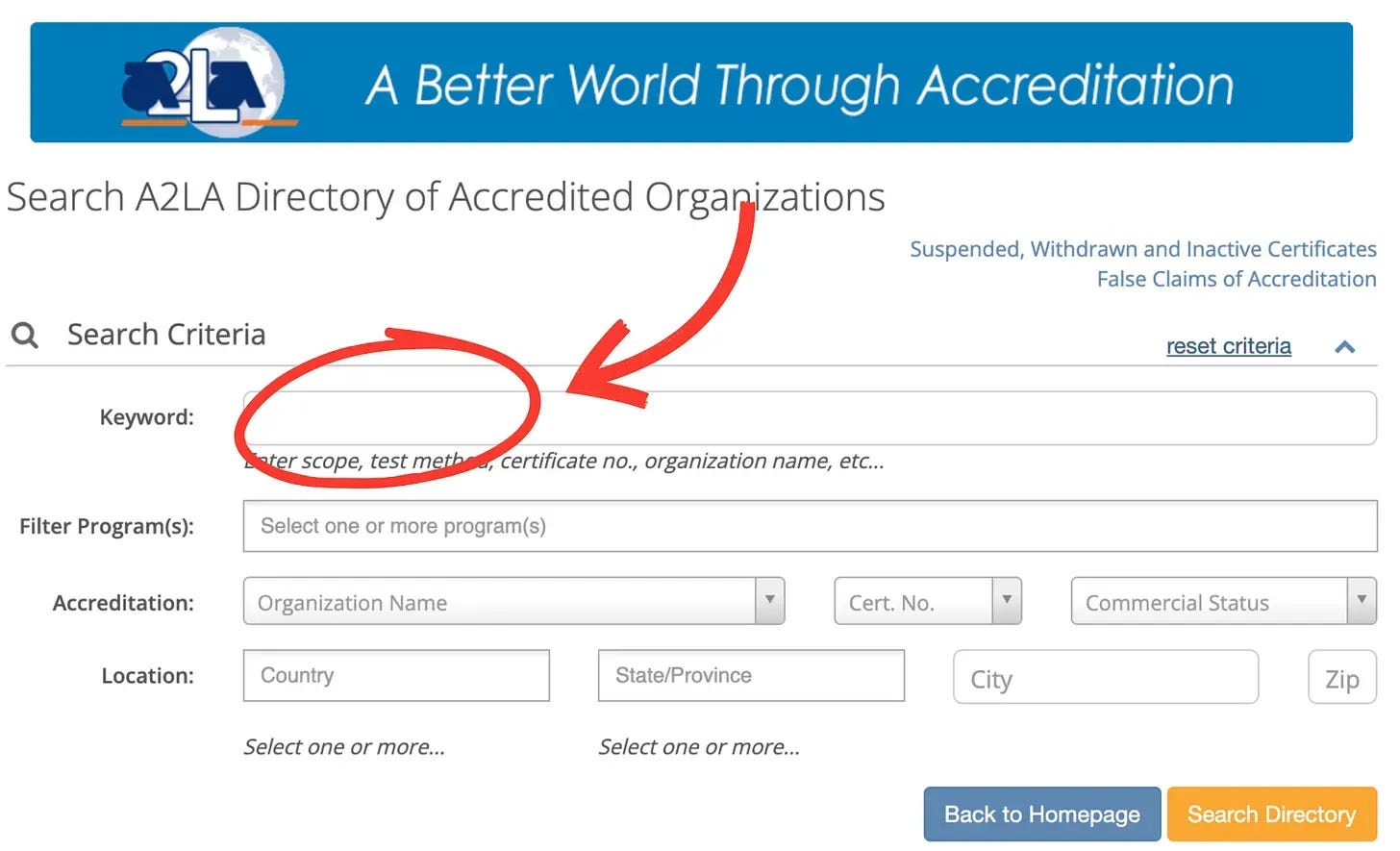
Verify the lab at a2la.org.
Find search organizations in the upper right of the home page.
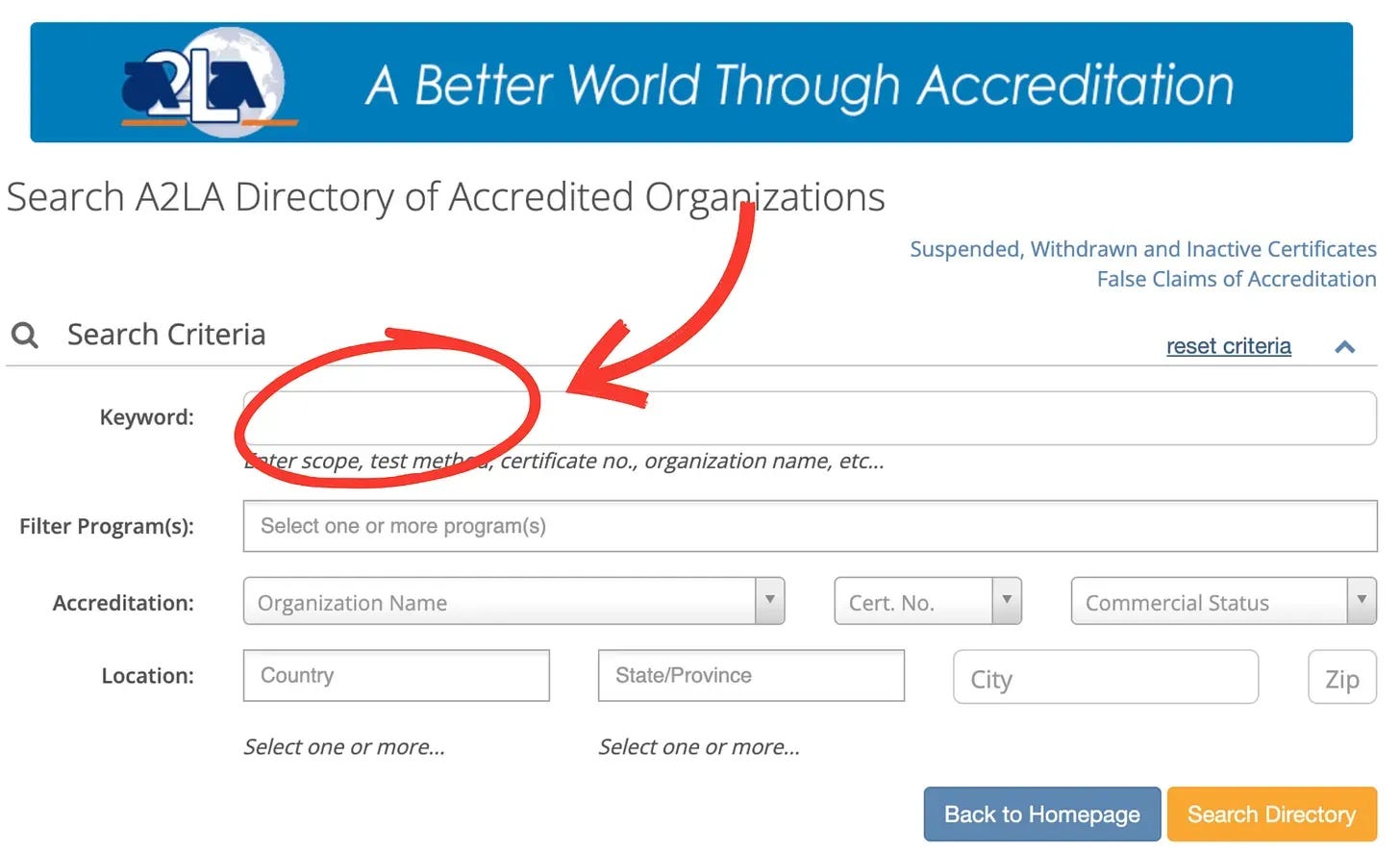
Search the lab in the “Keyword” field.
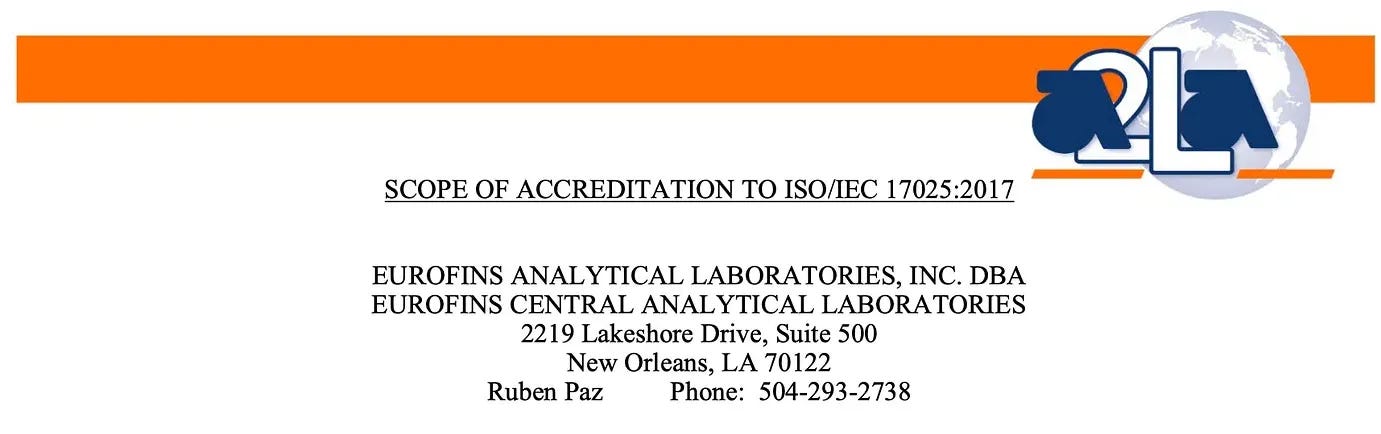
Cross-check a claimed seal in the certifier’s own database.
3) They dominate with the digitally-based health audience & inside functional practitioner channels.
“When picking a restaurant in an unfamiliar city, don’t look at the menu, look at the clients.”
– Nassim Taleb
Young digitally-based brands are trustworthy because they have to be to survive early on. Or else it’s a quick death. The high level of accountability from consumers sitting far to the right of the domain expertise curve makes it so.
They read CoAs.
They keep up with the latest.
They read the research papers to know clinically effective dosing.
The customer population says a lot about the brand itself.
4) They put the exact form on the label.
Any vagueness provides the autonomy needed to shift (lower cost of goods & quality) a formula in the future.
Know what compounds to prioritize:
Magnesium bisglycinate/malate/pidolate/acetyl-taurate > Buffered magnesium/magnesium oxide
Ubiquinol > Ubiquinone
K2 as MK-7 > “Vitamin K”
Copper bisglycinate > Cupric oxide
Creatine monohydrate (S-tier standard = Creapure) > Creatine HCl/buffered
L-citrulline > Citrulline malate
Iron bisglycinate > Ferrous sulfate
EPA & DHA in mg > “Fish oil”
Selenomethionine > Sodium selenite
Alpha-GPC > Choline bitartrate
Zinc carnosine/bisglycinate/monomethionine/picolate > Zinc oxide
Methylcobalamin/adenosylcobalamin > Cyanocobalamin
L-5-MTHF (Quatrefolic or Metafolin) > Zinc oxide
Pyridoxal-5-phosphate (P5P) > Pyridoxine HCl
Riboflavin-5-phosphate > Riboflavin
Benfotiamine or TTFD > Thiamine HCl
5) They announce changes publicly.
Emails get sent out. Posts go up on their site/social channels about formula shifts. They’e not shady about it. They’re transparent. They care about the details. They assume their customers are all elite health practitioners.
6) They can answer technical questions with nuance.
Subtle way of seeing if a research team is still on board.
Red Flags
1) They’re owned by a CPG conglomerate or PE firm.
Here’s a little trick if you’re unsure: fire up Perplexity (again) & search the brand name with “acquires.”
2) They exclusively sell on Amazon.
No direct channel to a brand site means no accountability. Amazon as a channel is very different from Amazon as the sole channel.
3) They dropship.
You can just smell the rented Lambos, the sleaziness, & the Alibaba sawdust.
Long, vague shipping windows. Stock product photos only. Returns that route overseas. Sloppy reviews with generic names & AI-coded text.
4) They use a raw material CoA.
Clever tactic of using the raw-material CoA issued by the ingredient supplier as “proof” of the finished product.
5) They use proprietary formulas.
As a part of the dietary Supplement Health & Education Act (DSHEA) signed into law in 1994, the FDA allows brands to list total weight without detailing individual amounts.
The proprietary play is bullsh*t wrapped in an intellectual property facade. You should know exactly the amount of each & every component of a formula. Otherwise don’t fall for it.
6) They’re leveraging shady marketing schemes.
Free product or discounts in exchange for reviews. This tactic became popular in the last 5 years. Identify any that are doing this and immediately steer clear.
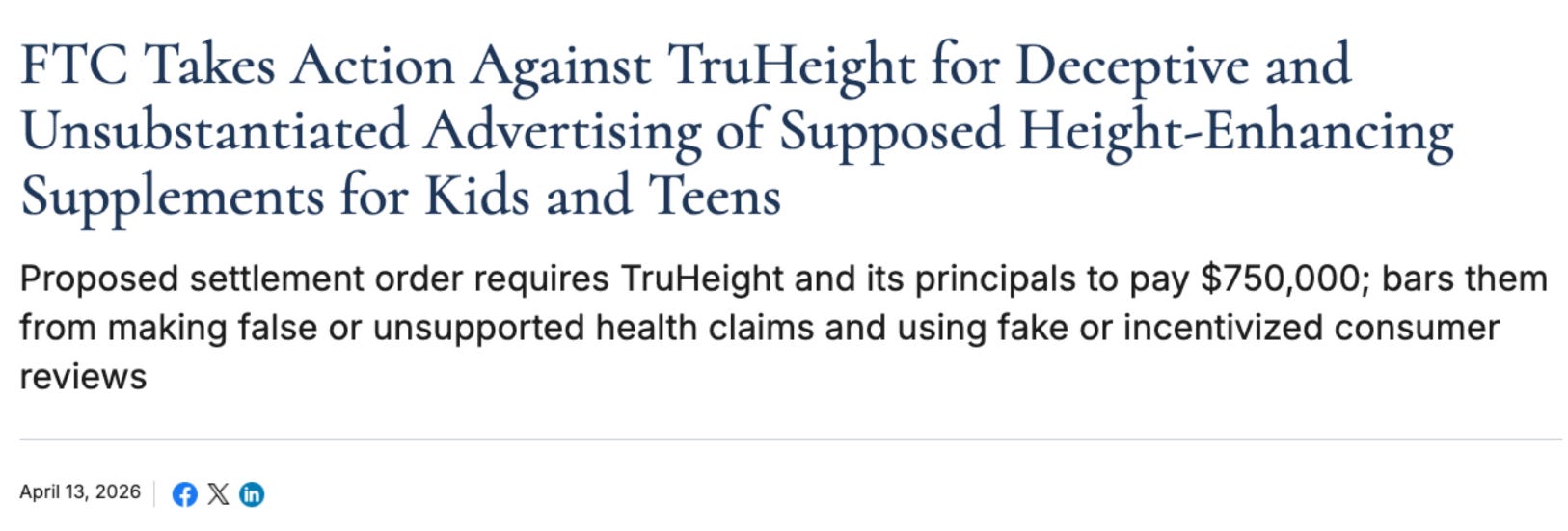
A perfect recent example of this sort of conduct.
Since 2020, TruHeight has been selling growth gummy supplements for kids backed by some wild claims: “Help your child grow taller! Pure Ingredients, Real Results” and “The Only Supplement Clinically Proven to Help Height Growth.”
A brand we’ve even called out here in early 2025!
The FTC finally uncovered TruHeight was carrying thousands of five-star reviews written by its own employees posing as customers. They also offered free & discounted products in exchange for five-star reviews and ran bot-operated fake social media profiles impersonating real users to post slop comments on its Facebook & Instagram pages.
For more on the topic of supplement vetting, get the full guide here:

And if you’re using Amazon, here are some specific guidelines for that terrain:

Who I Actually Buy From
Taking the first principles from above, here are the brands I personally trust & buy from today.
Specialists
Single compounds & efficaciously dosed formulas done right.
Nattokinase: Toku
Single cardiovascular support product. Clinically dosed. Been using for 2+ years now with noticeable lipid & cardiometabolic benefits.
Much more on nattokinase here:
The Nattokinase Supplement That Actually Delivers Clinical Doses

If there’s one supplement to be bullish on in the future — it’s nattokinase.
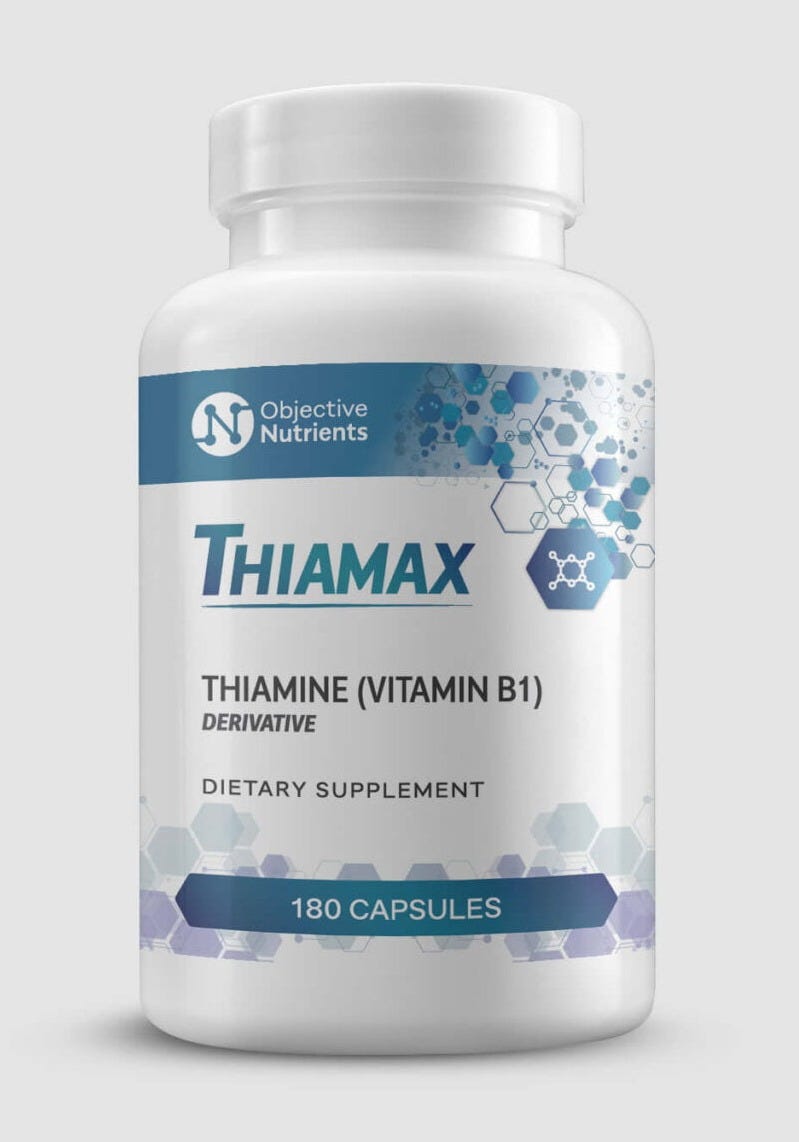
Thiamine: Objective Nutrients (Thiamax)
Built around TTFD by an elite researcher (Elliot Overton – a trusted legend in our space) who works on thiamine specifically.
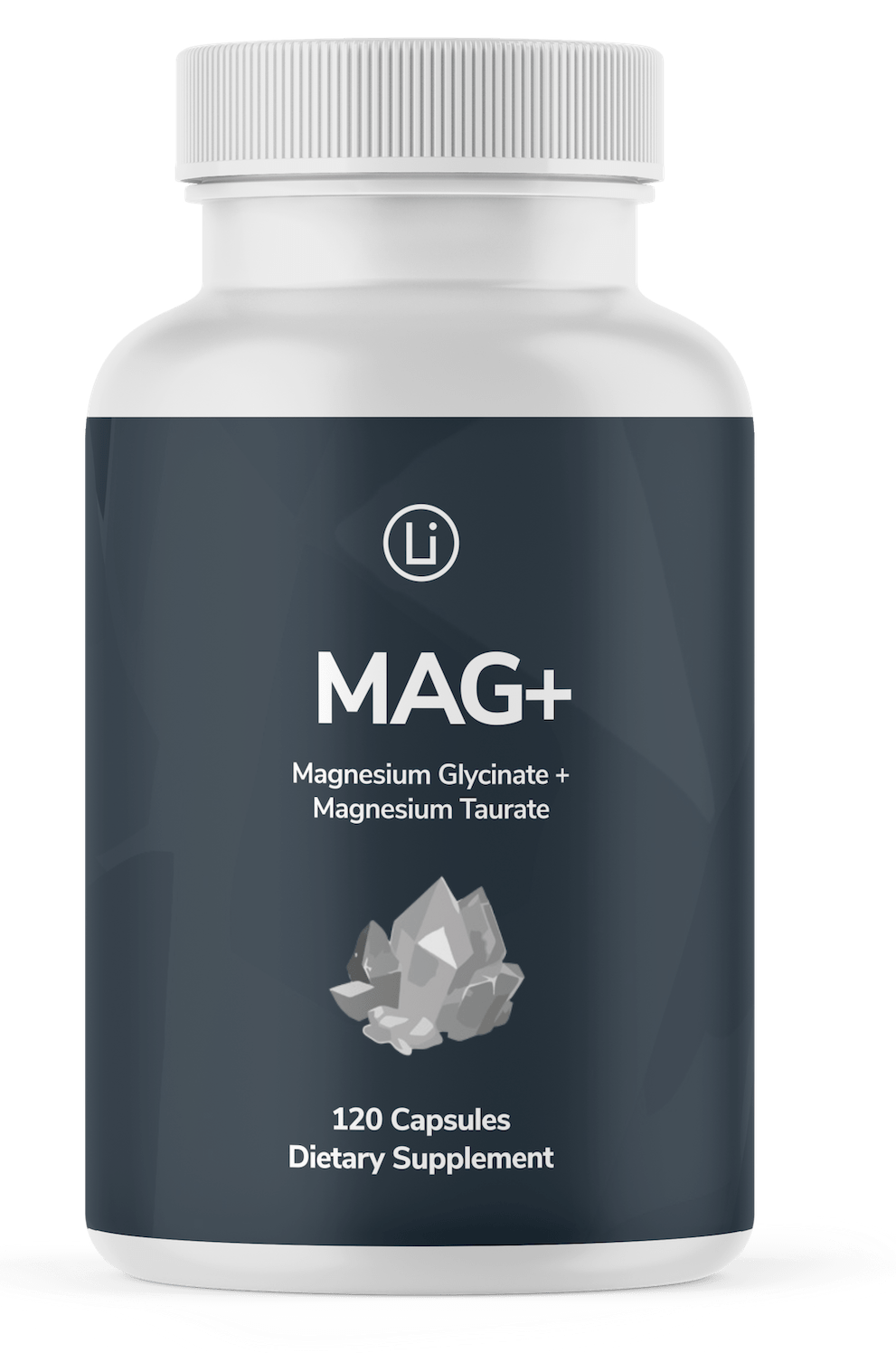
Magnesium & K2: LifeBlud (MAG+ & MK-Seven)
MAG+ pairs the top two bioavailable magnesium forms = glycinate + taurate (w/o fillers). MK-Seven uses MenaQ7® at 100% all-trans isomer.
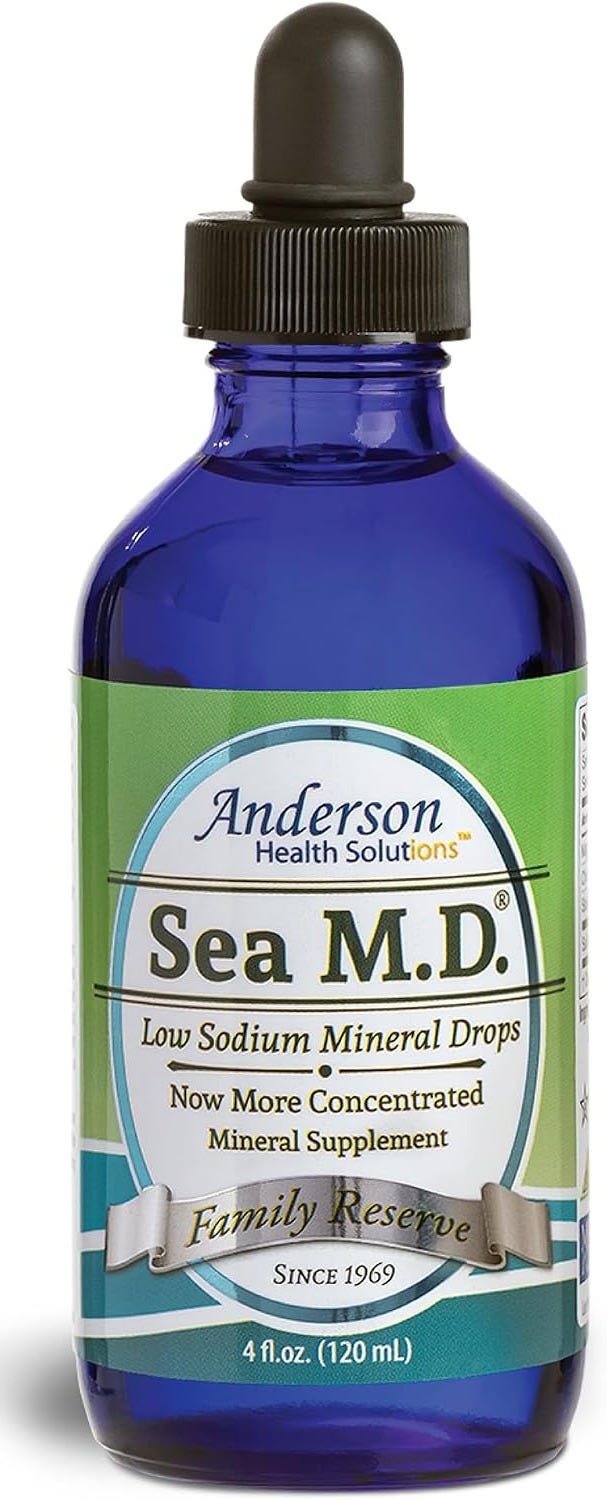
Trace Minerals: Anderson’s
The Anderson family started harvesting Great Salt Lake minerals in 1969. Three generations later → still run the biz + still control the original solar pools start to finish + still bottle in Ogden, Utah.
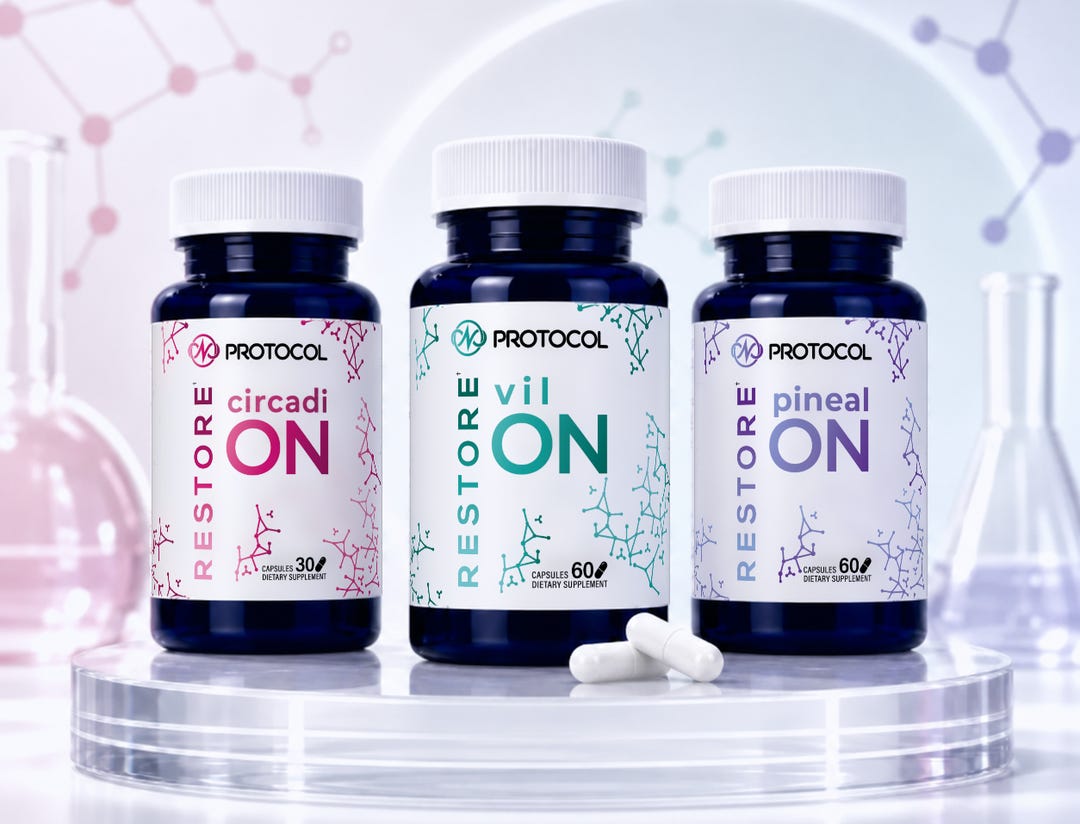
Oral Bioregulators & BPC: YourProtocol
My only trusted source in a scam-heavy landscape.
Vesugen for slowing atherosclerotic progression.
Epitalon & pinealon for circadian regulation.
BPC for gut restoration & soft tissue repair.
Vilon for immune & thymus health.
Verified Performers
Third-party data provided front & center.
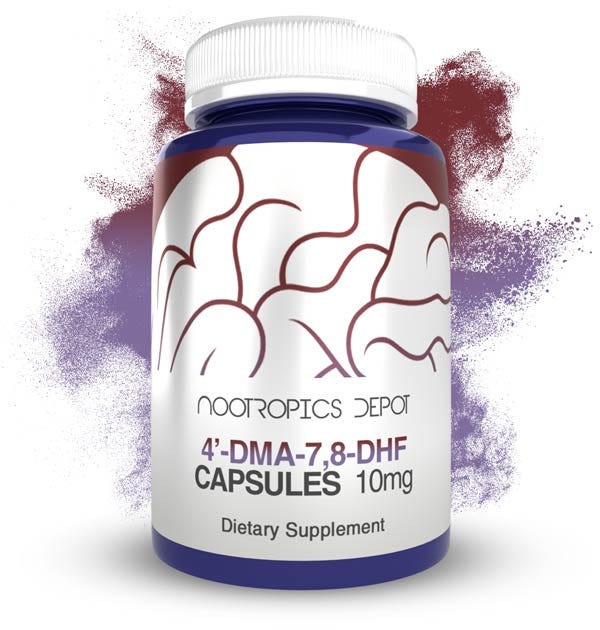
Single-compound sourcing: Nootropics Depot
As high trust & established as brands come. More raw testing data in public than most are ever willing to put out. If I want to know more about a specific compound before I buy, this is where I look.
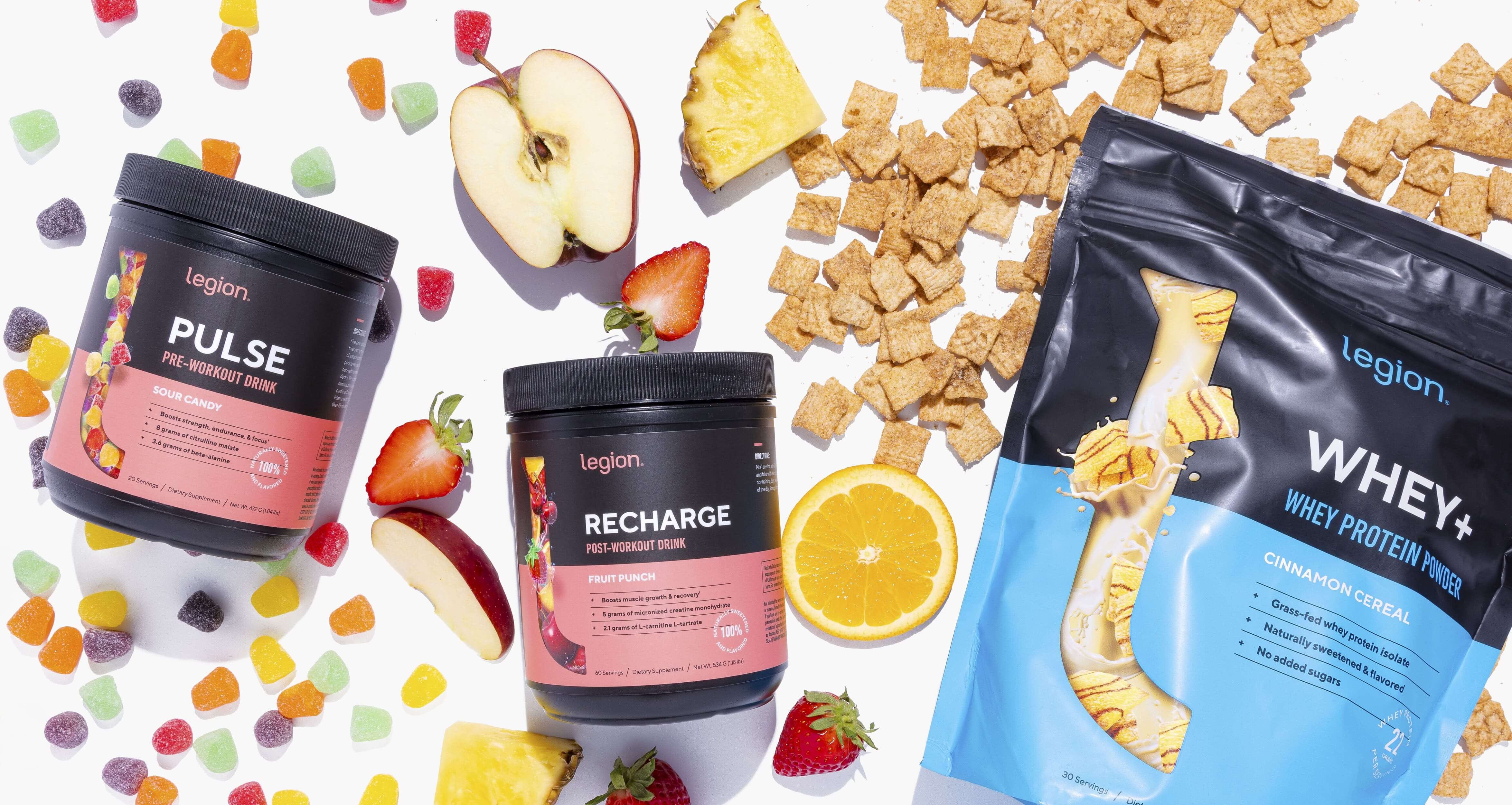
Sports nutrition: Legion
Founder-led with strong visibility. Any blends they have are transparent & efficaciously dosed.
Long-Tenure Independents
Decades under the same owner (& refuse to sell out to PE or major conglomerates).
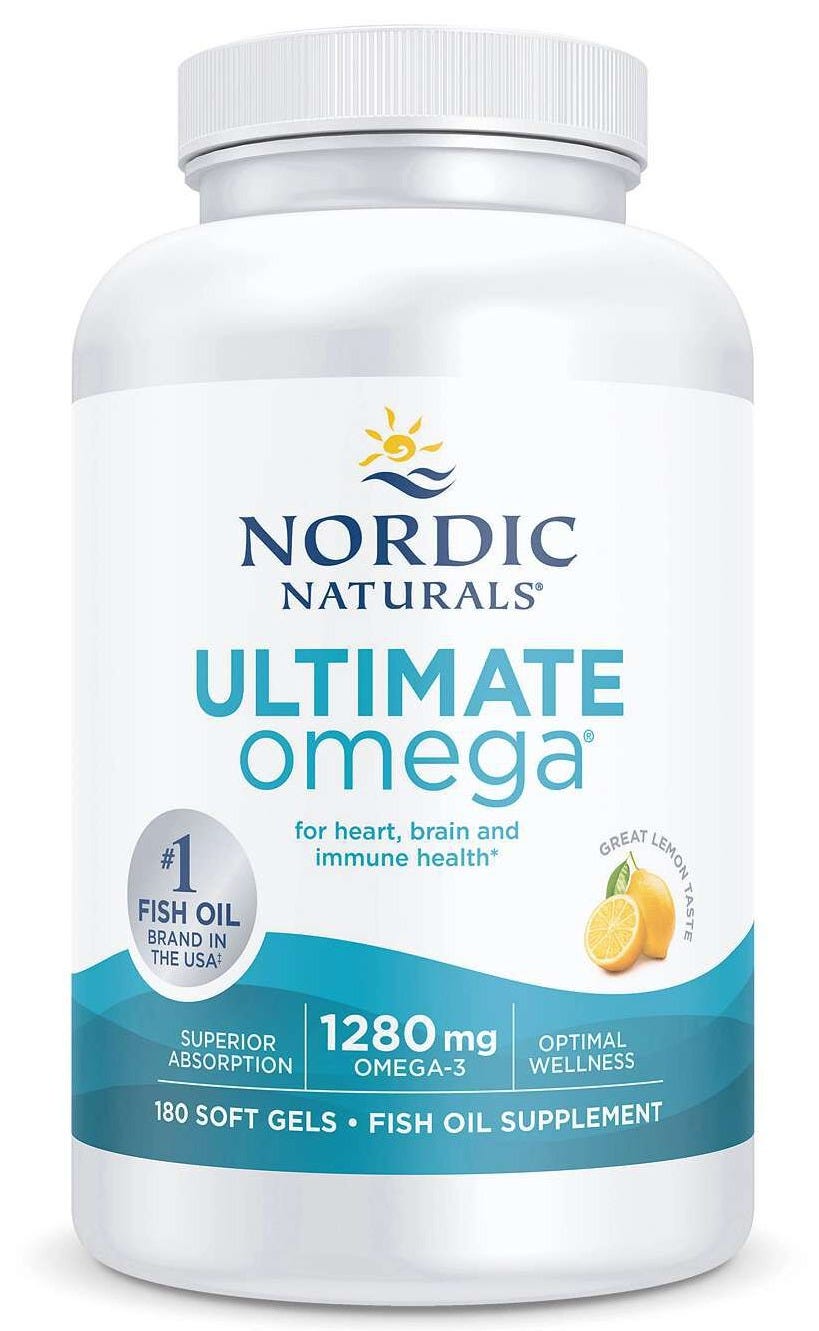
EPA/DHA: Nordic Naturals
Founder-owned since 1995. Vertically integrated across supply chain & processing. CoAs easily searchable by lot. Carlson & Rosita are the smaller alternatives I’ve used in the recent past.
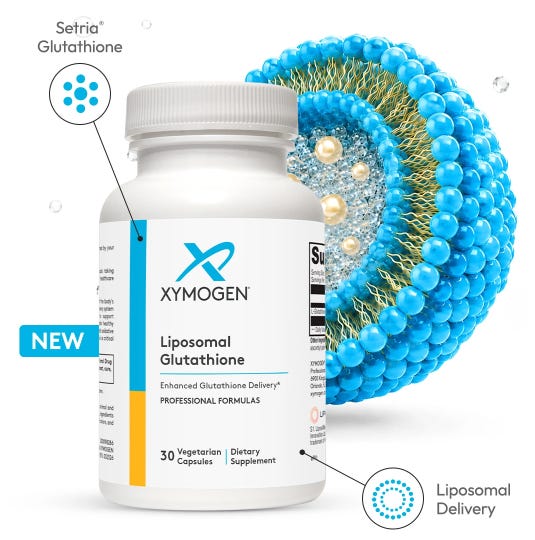
Practitioner-grade formulas: Xymogen
Humble beginnings in a garage in 2003. Founders & family still own ~60% (rest is friends & practitioners). 300k+ sq ft campus with their own manufacturing. On record saying they don’t want private equity involved. CoAs on request.
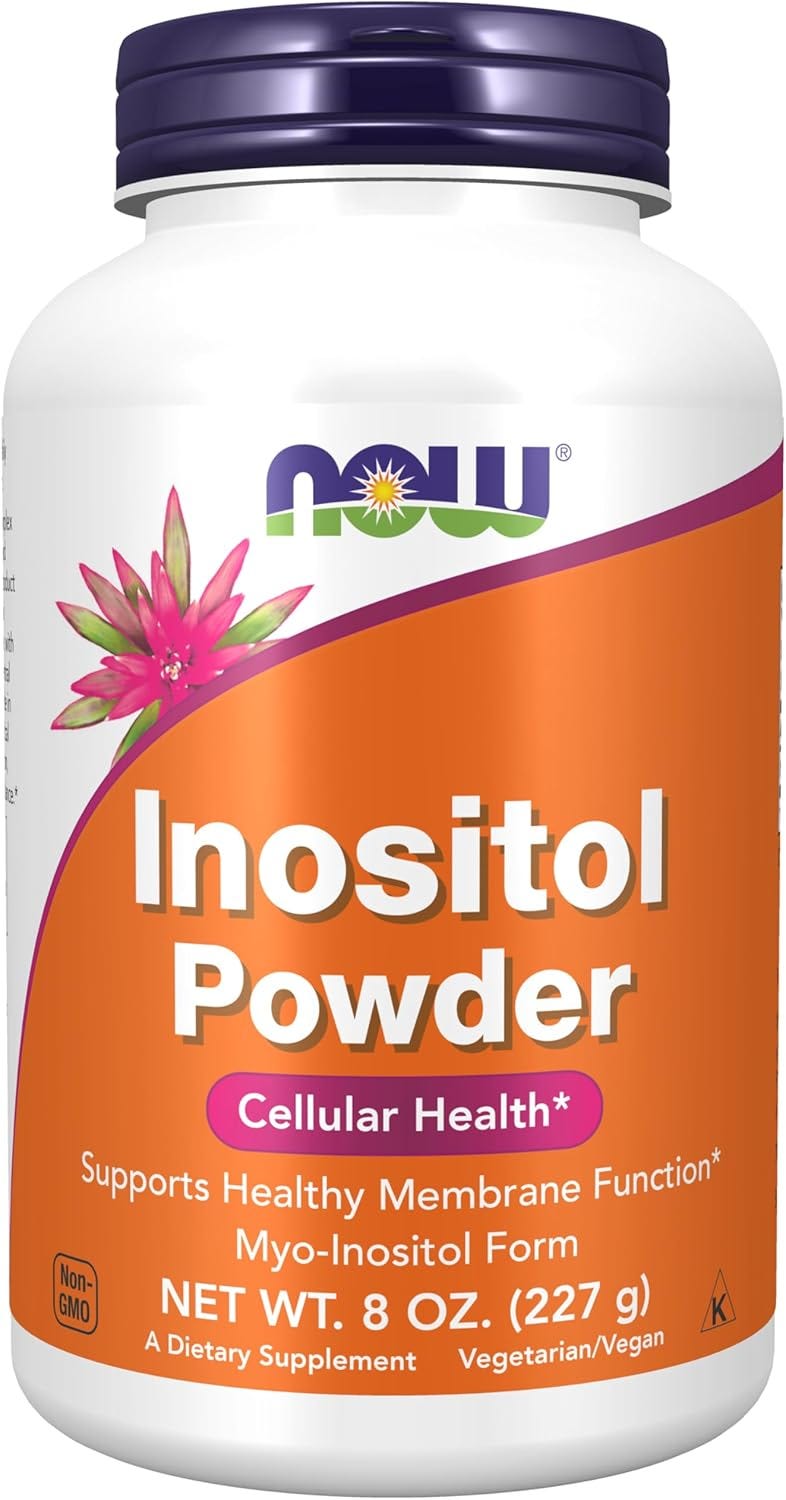
Budget option #1: NOW Foods
My budget go-to for synergistic stack testing. Family-owned since 1968. Runs its own analytical lab. Frequent sales to keep an eye on.
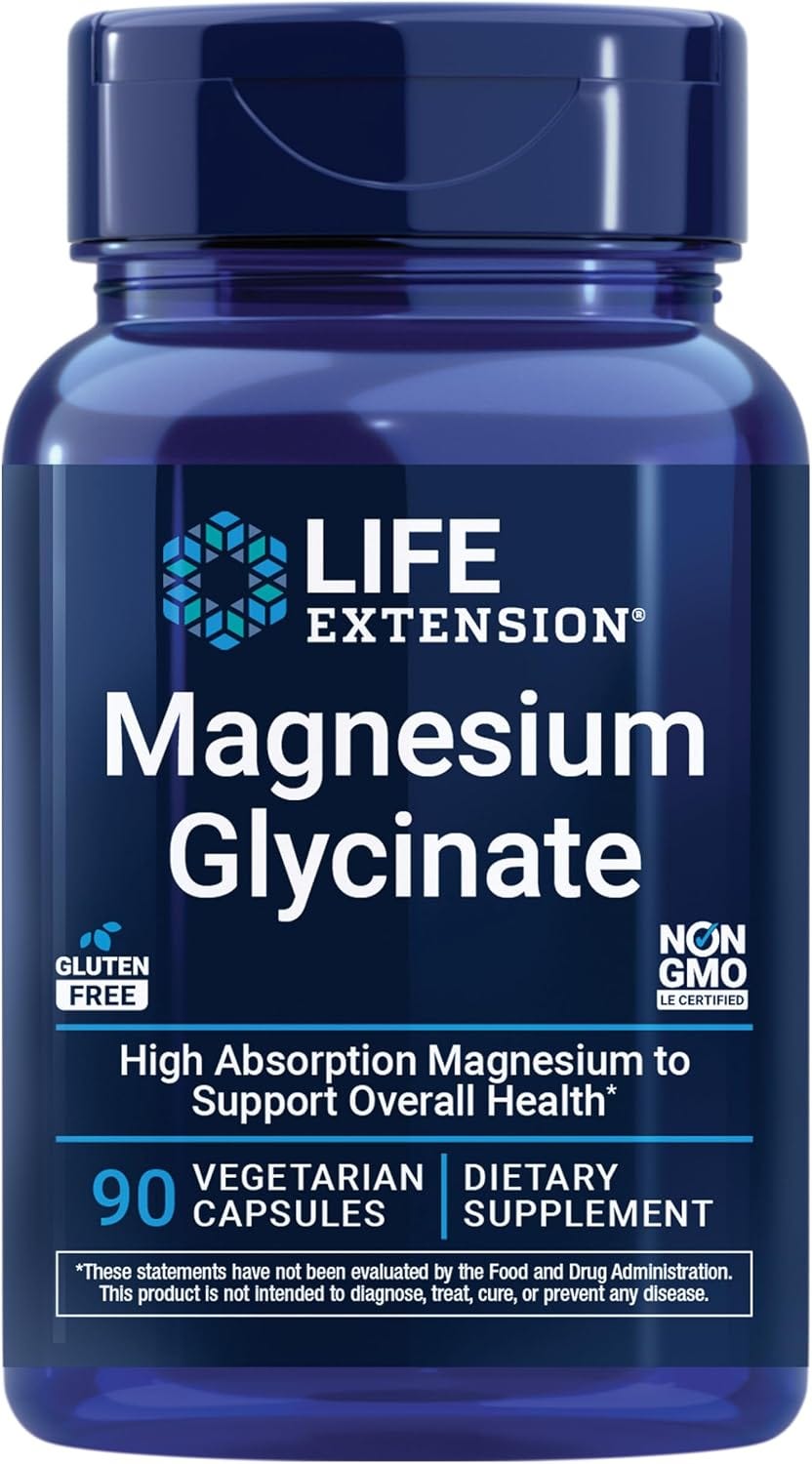
Budget option #2: Life Extension
Privately owned since 1980. Own the entire manufacturing process. CoAs on request.
It takes an entire community willing to stoke the grassroots flame to resist enshittification.
Vote with your dollar from here on. And stay after it.
See you guys next week.
Your friend,
Phys
Incredible, thank you for this
Super helpful, especially the NOW and LifeExtension info, thanks!