


Winter is coming in the Northern Hemisphere. Time to address one of the simplest, most powerful tools for immune defense: Vitamin C.
I’ll call myself out here — last year, I dismissed vitamin C supplementation as an “overrated” intervention.
Yep — punted this one.
For whatever reason there’s been a strong bias against vitamin C over the years1. And I was guilty of being sucked into that bias myself.
After testing, researching, & discussing with many in our space — I updated my thinking. Now I’ve been swayed by the overwhelming amount of evidence that the RDA is well short of what’s needed during phases of both health & sickness. And I’m sure you’ll be nudged as well.
How Vitamin C Works in Your Body
Vitamin C functions as an electron donor neutralizing free radicals & powering enzymatic reactions throughout your body.
After absorption in the small intestine, it concentrates in your adrenal glands, pituitary, eyes, brain, & white blood cells. Here it drives critical processes: collagen synthesis, norepinephrine production, and carnitine-dependent energy metabolism.
Absorption is dose-dependent2: At low doses under 200 mg, your body absorbs 70-90% efficiently. Above 500 mg, absorption drops below 50%. Plasma levels plateau around 70-85 μM with 200-400 mg daily intake. Excess gets excreted in urine.
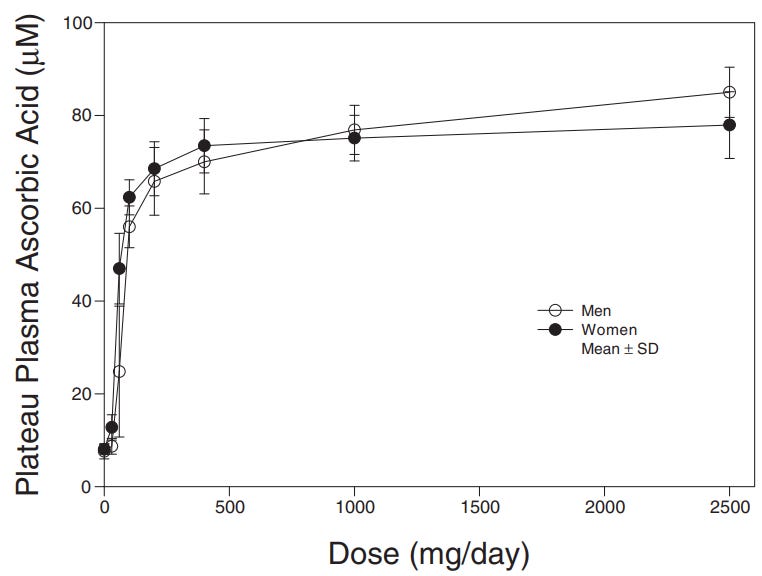
IV administration bypasses this limit entirely achieving millimolar concentrations that can act as a prooxidant — useful in cancer therapies but a different mechanism altogether.
Let’s translate why vitamin C matters & what this means for us outcome wise.
How Vitamin C Can Benefit You
The evidence for vitamin C spans decades. Rather than cherry-picking individual studies, we’ll focus on meta-analyses—the highest level of evidence available.
Immune Health
Common Cold
The most comprehensive meta-analysis on vitamin C and the common cold analyzed 10 randomized, double-blind trials. via Hemilä et al. (2023)3. They found oral vitamin C dosages ≥ 1 g/day decreased cold severity by 15%.
COVID-19
A meta-analysis of 14 studies (2,334 patients) by Sun et al. (2024)4 found that high-dose vitamin C in COVID-19 patients significantly increased ferritin & lymphocyte counts, reduced ICU stay length, & decreased disease aggravation by 66%.
Critical Illness
A meta-analysis by Patel et al. (2022)5 of 15 RCTs involving 2,490 critically ill patients found that high-dose IV vitamin C significantly reduced overall mortality by 30%, while low-dose IV vitamin C showed no effect.
Treatment of Pain
Vitamin C is also been proven to be effective in the treatment of pain per a review conducted by Carr et al. (2017)6:
Complex Regional Pain Syndrome (CRPS): 500 mg to 1 g daily for 45-50 days post-surgery significantly reduced CRPS incidence in orthopedic patients.
Cancer-Related Pain: High-dose IV (10 g, 2-3x weekly) decreased pain, improved quality of life, and reduced opioid requirements in terminal cancer patients.
Post-Surgical Pain: 1-2 g daily (oral) or 50 mg/kg/day (IV) lowered opioid use and shortened hospital stays across various procedures.
Hormonal Health
Stress Hormone Regulation
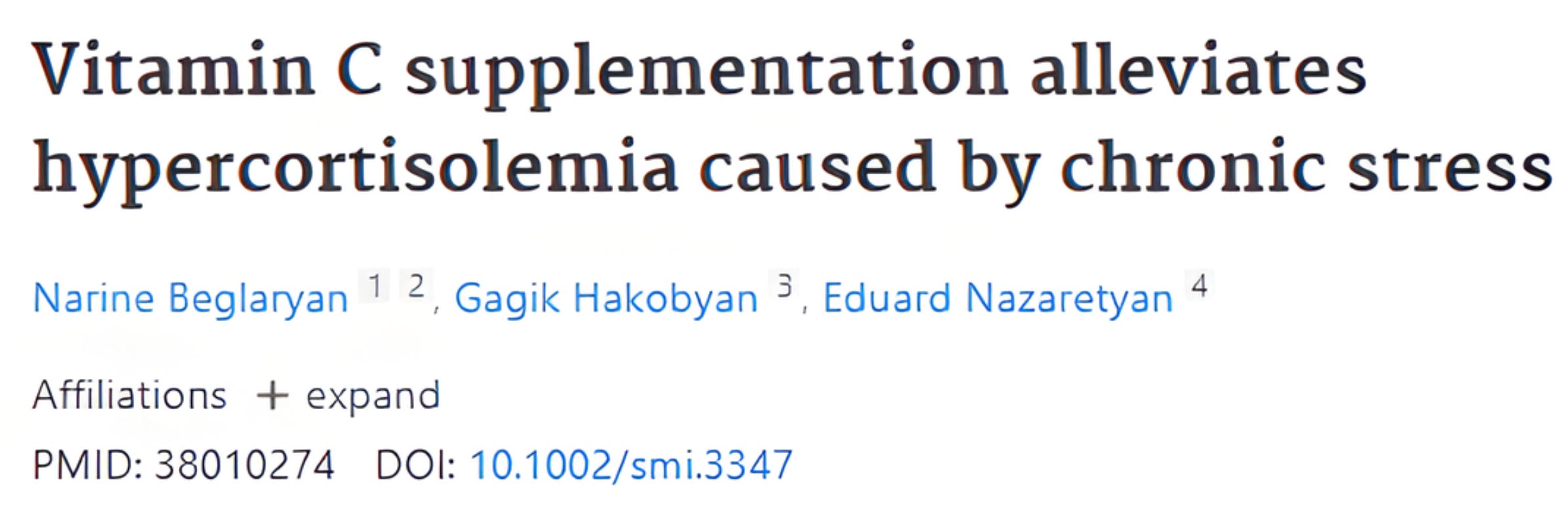
A 2-month trial by Beglaryan et al. (2024)7 of 69 females with stress-induced hormone elevations found 1,000 mg daily vitamin C produced significant reductions:
Isolated high cortisol: 43% reduction (780 → 446 nmol/L)
Combined cortisol + DHEA-S elevation: 22% cortisol reduction (657 → 515 nmol/L) and 29-39% DHEA-S reduction
Control groups showed no changes.
Thyroid Regulation
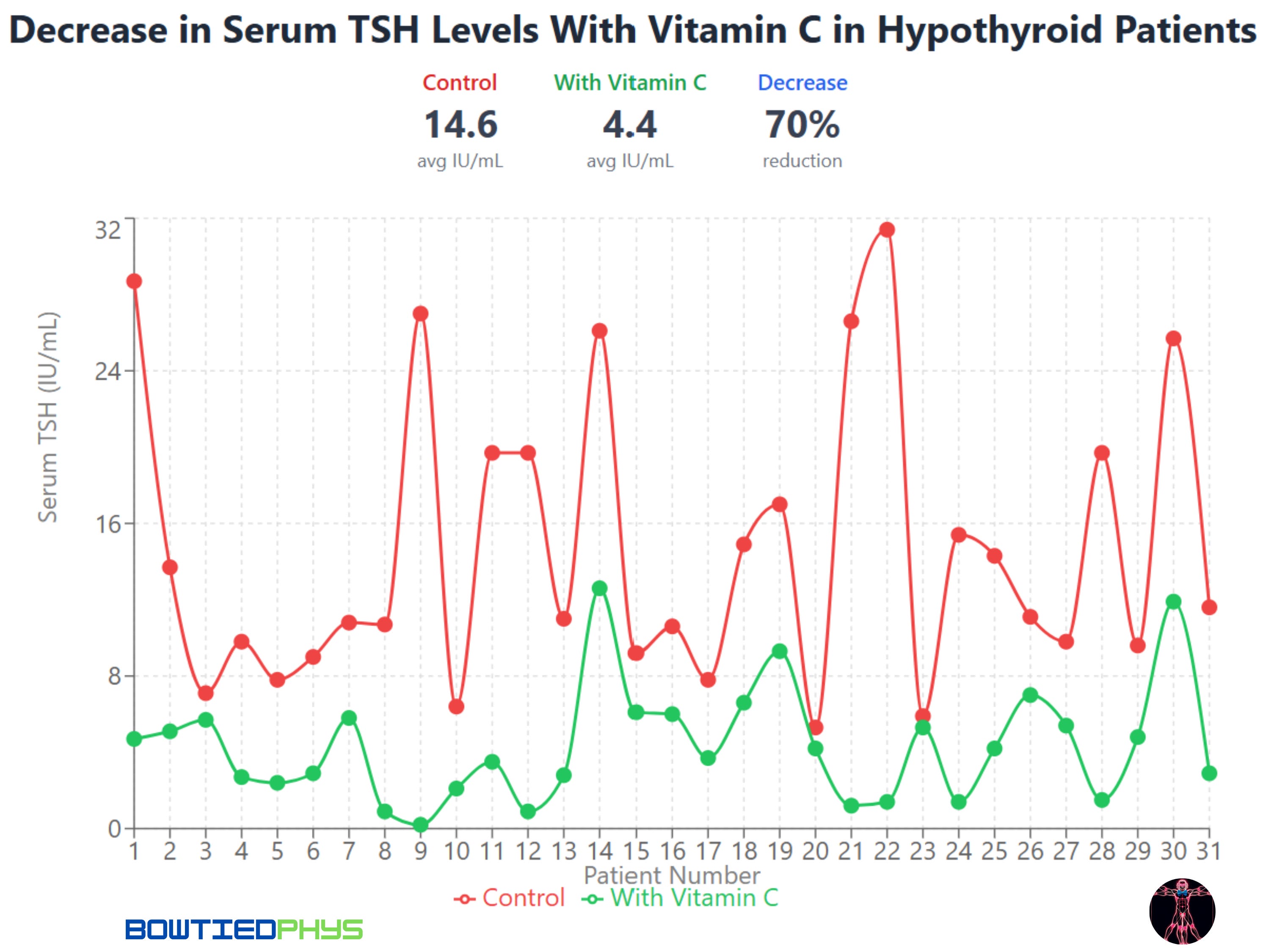
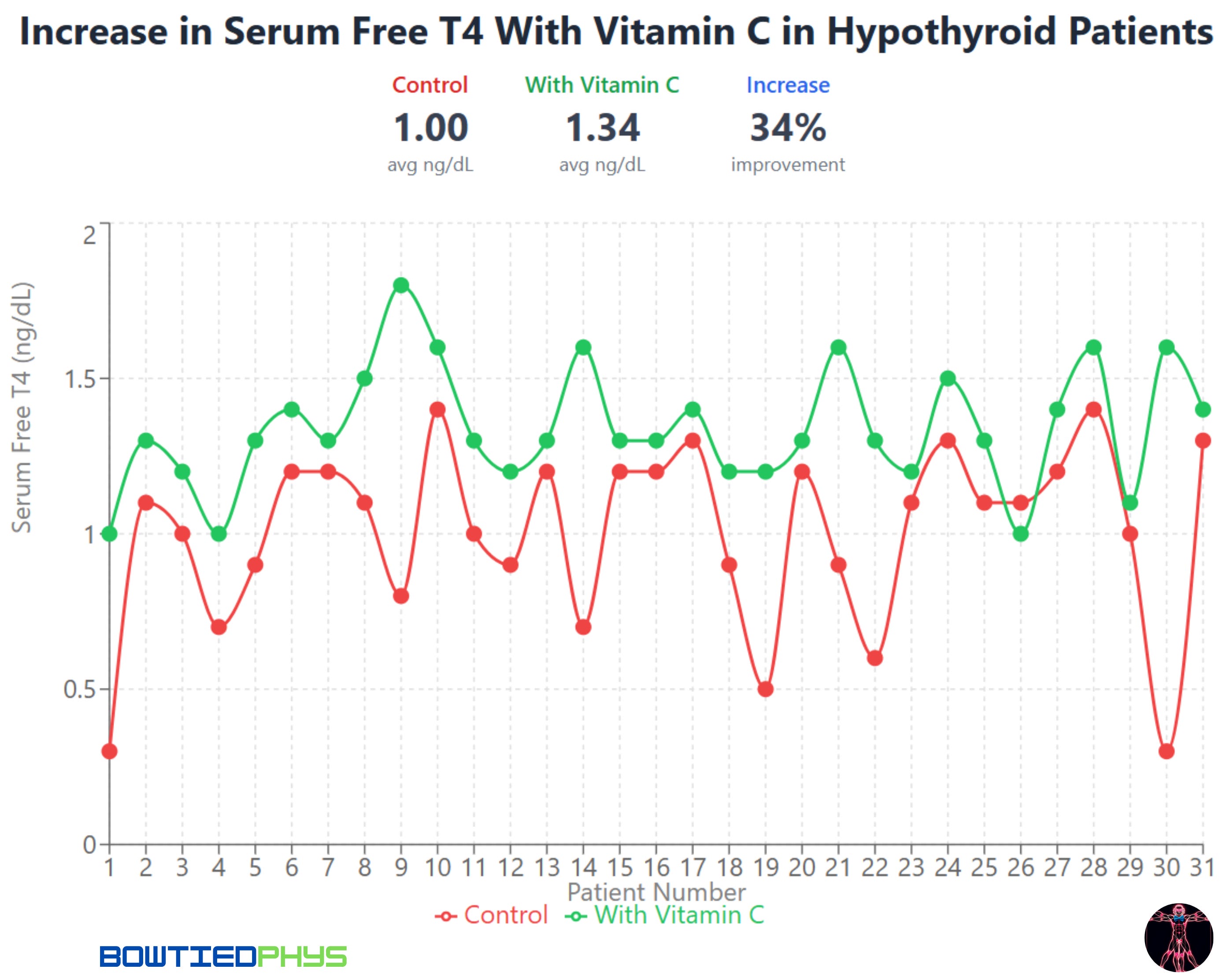
A randomized crossover study by Jubiz et al. (2014)8 of 31 hypothyroid patients found that co-administering 500 mg vitamin C with levothyroxine for 2 months decreased TSH by 70% (11.1 → 4.2 IU/mL) & normalized TSH in 55% of patients.
It also significantly increased free T4 & T3 levels in all participants.
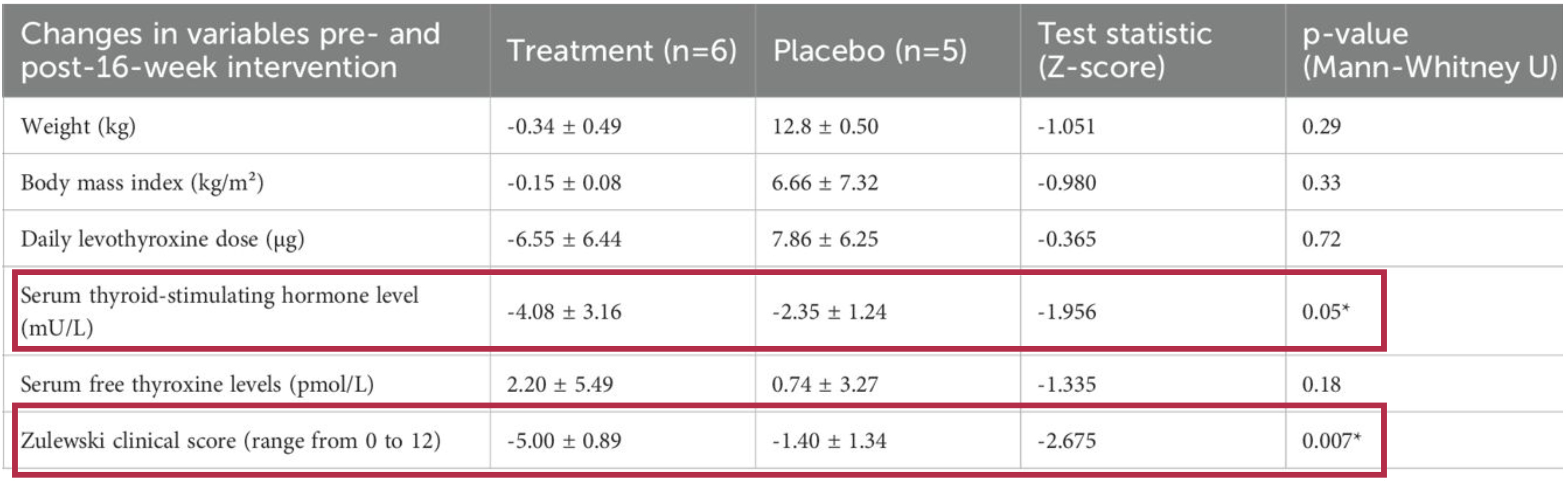
A 16-week double-blind RCT from Agha et al. (2025)9 of 11 hypothyroid patients on high-dose levothyroxine found 1,000 mg daily vitamin C improved both symptoms and hormone levels:
Clinical symptoms: 5.00-point reduction vs. 1.40 placebo (Zulewski score)
TSH levels: 4.08 mU/L reduction vs. 2.35 placebo
Sexual/Reproductive Health
Androgen Optimization
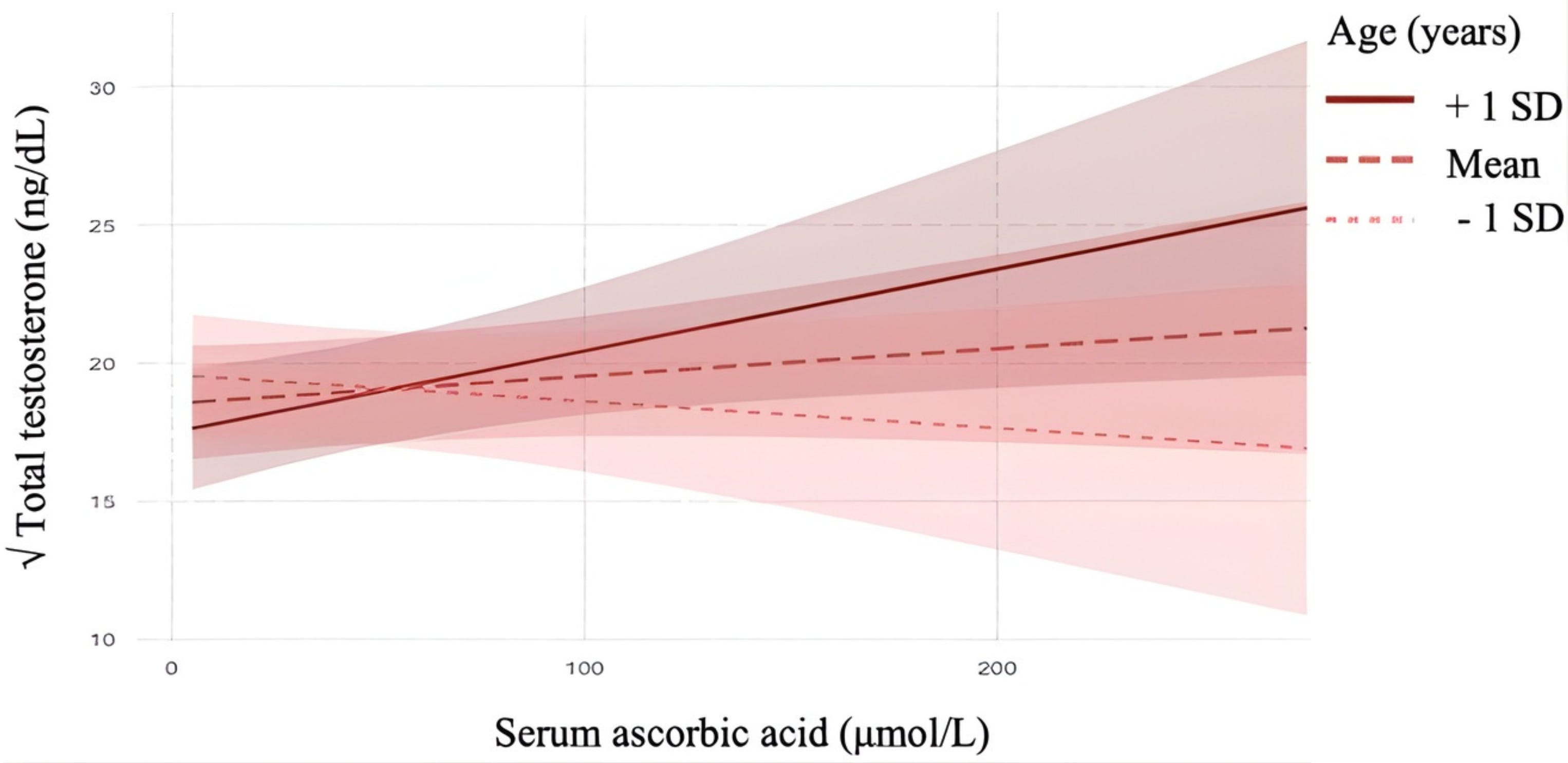
A cross-sectional study from Panah et al. (2023)10 of 302 infertile males found higher serum vitamin C levels correlated with higher total testosterone. However only in men > 41 yrs of age.
Male Fertility Improvement
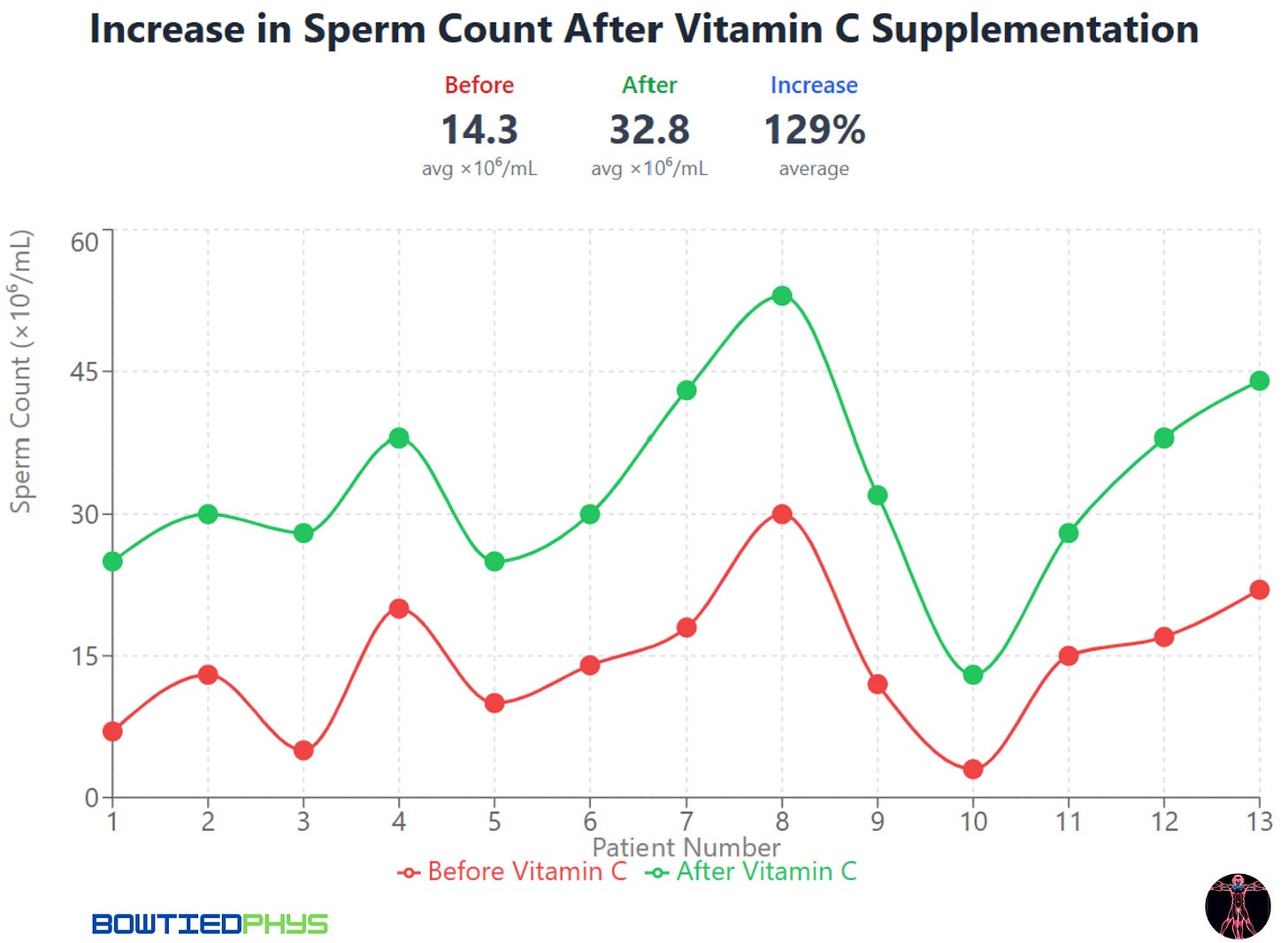
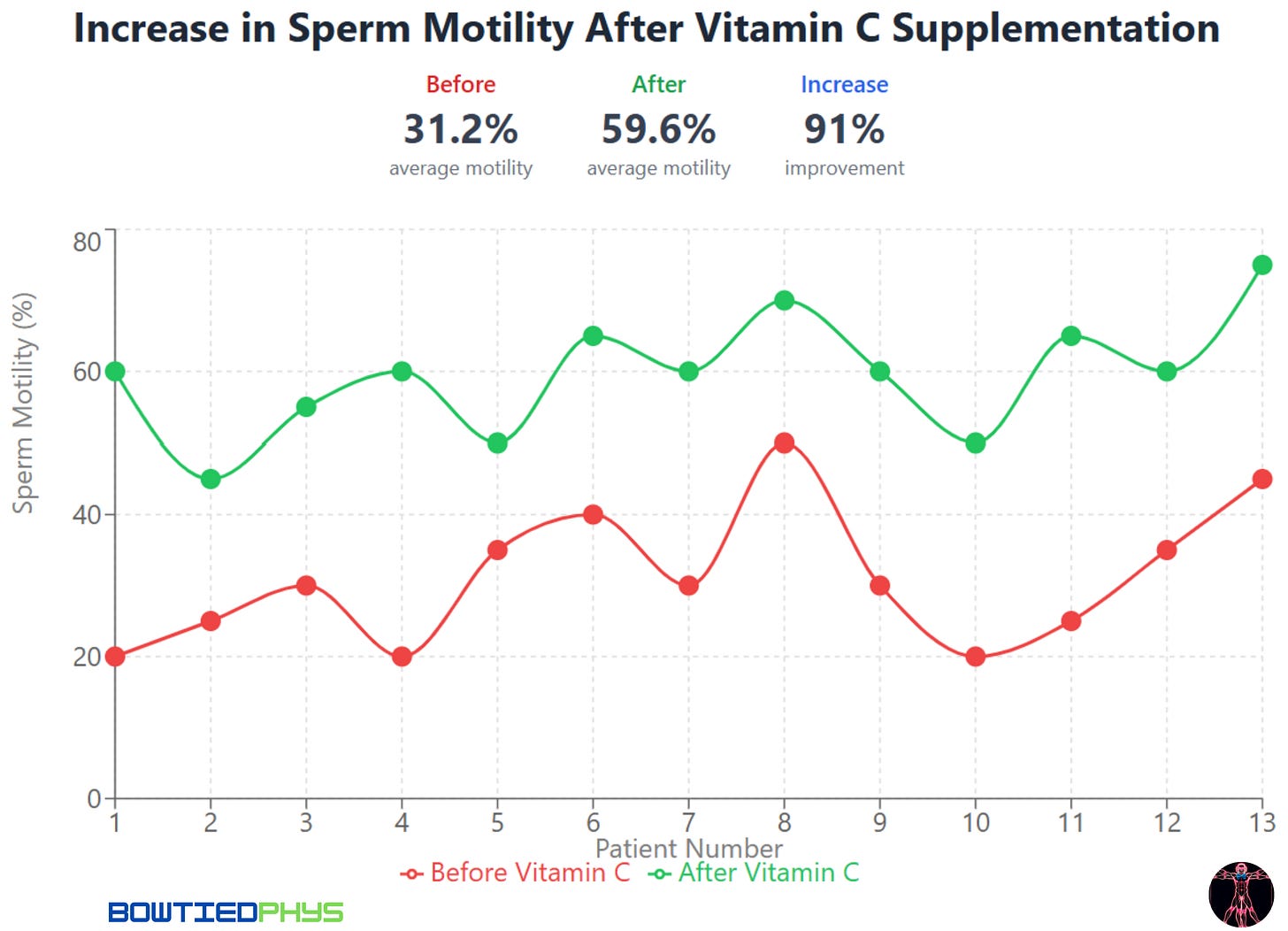
In a trial by Akmal et al. (2006)11, 13 infertile men (ages 25-35) on 2,000 mg daily vitamin C supplementation for 2 months significantly improved:
Sperm count by 129% (14.3 → 32.8 million/mL)
Sperm motility by 93% (31.2% → 60.1%)
Normal morphology by 55% (43% → 66.7%)
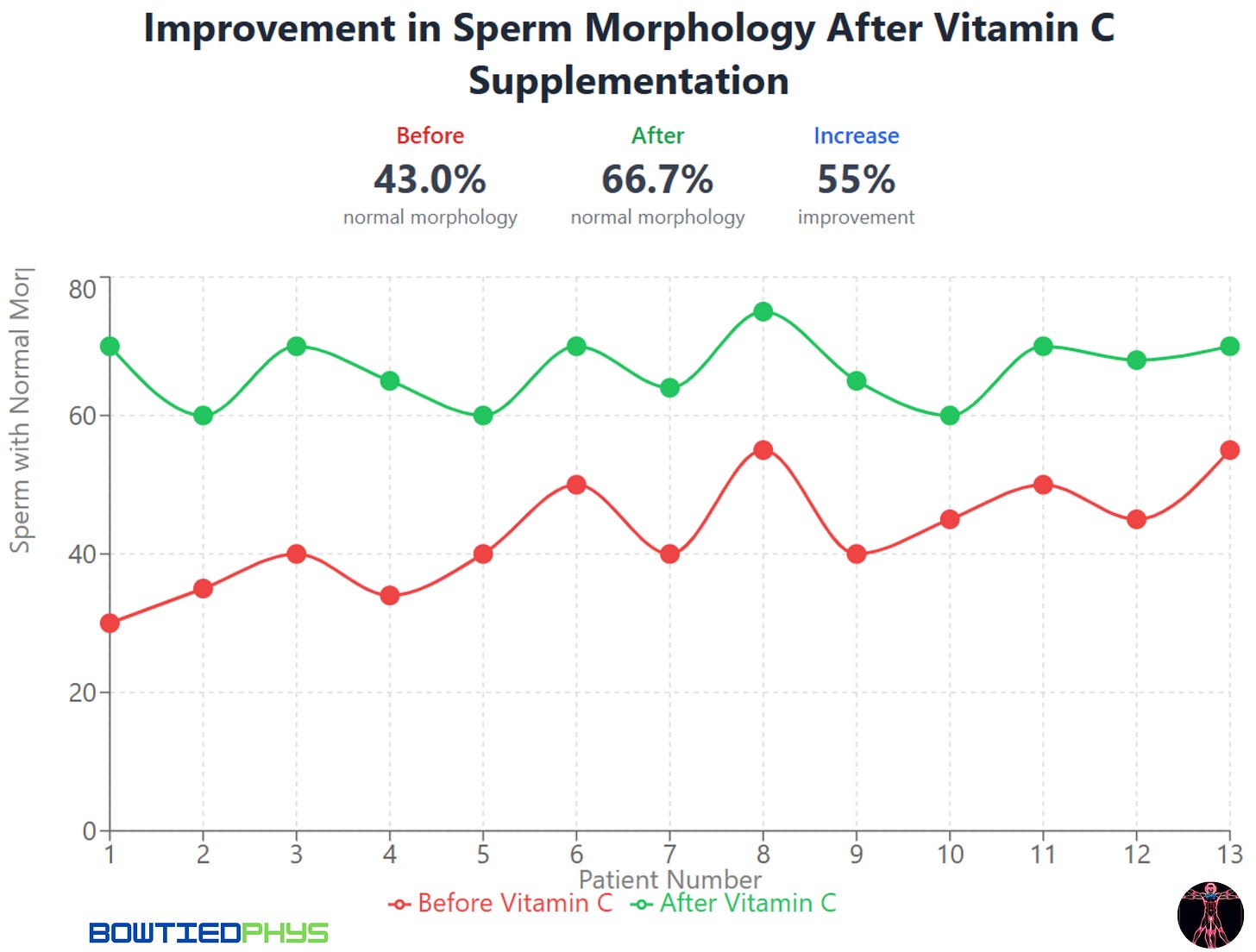
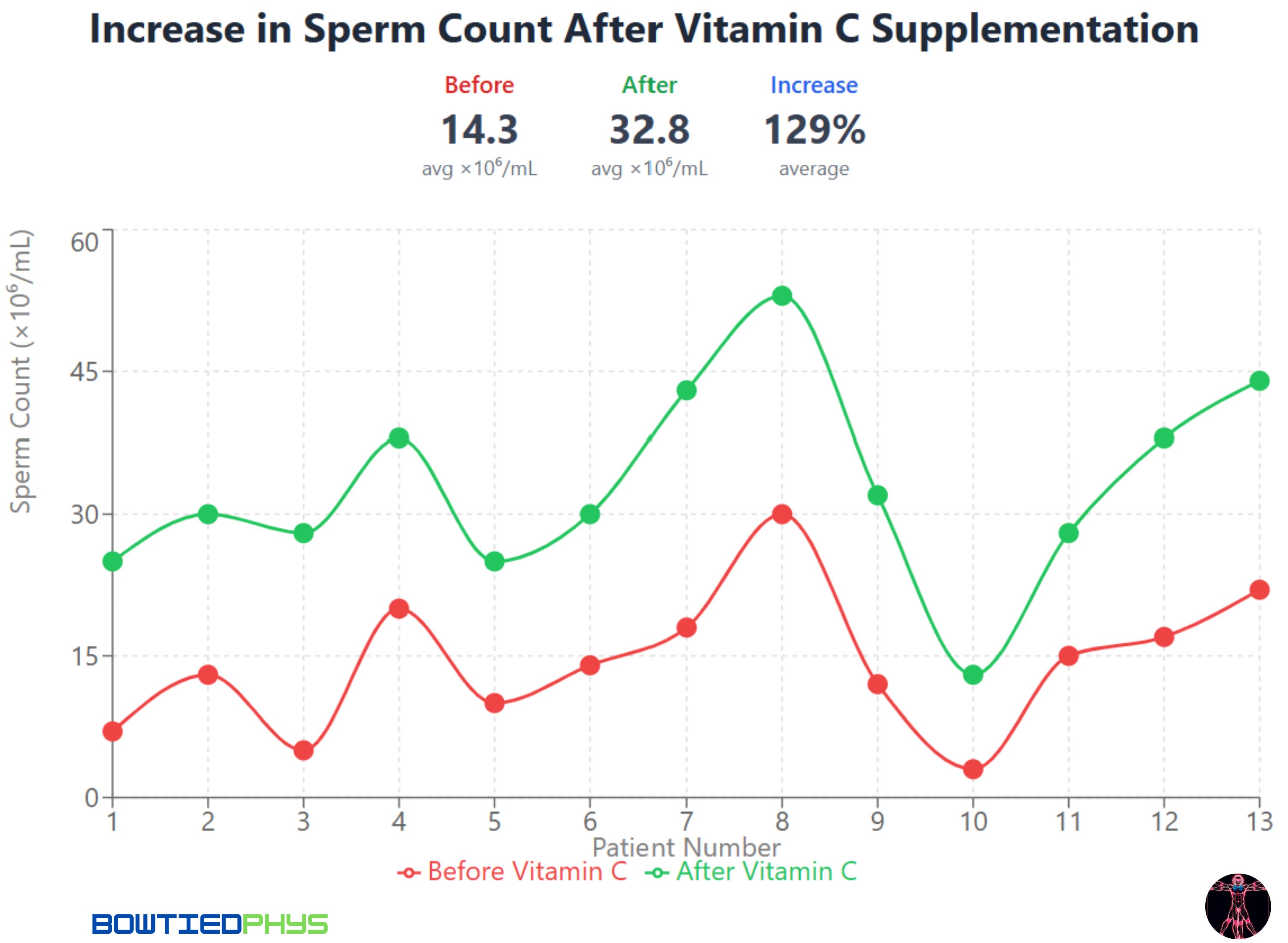
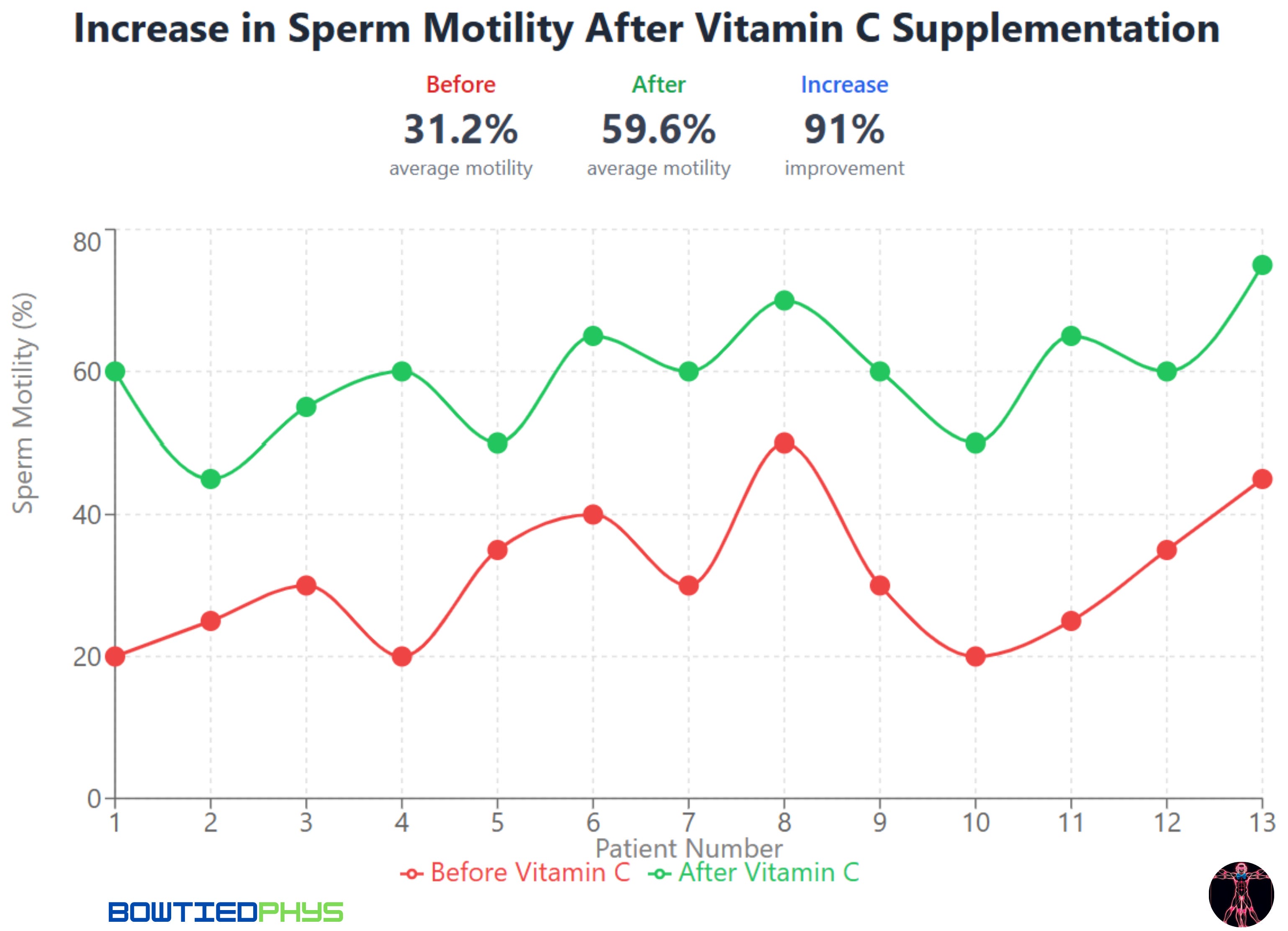
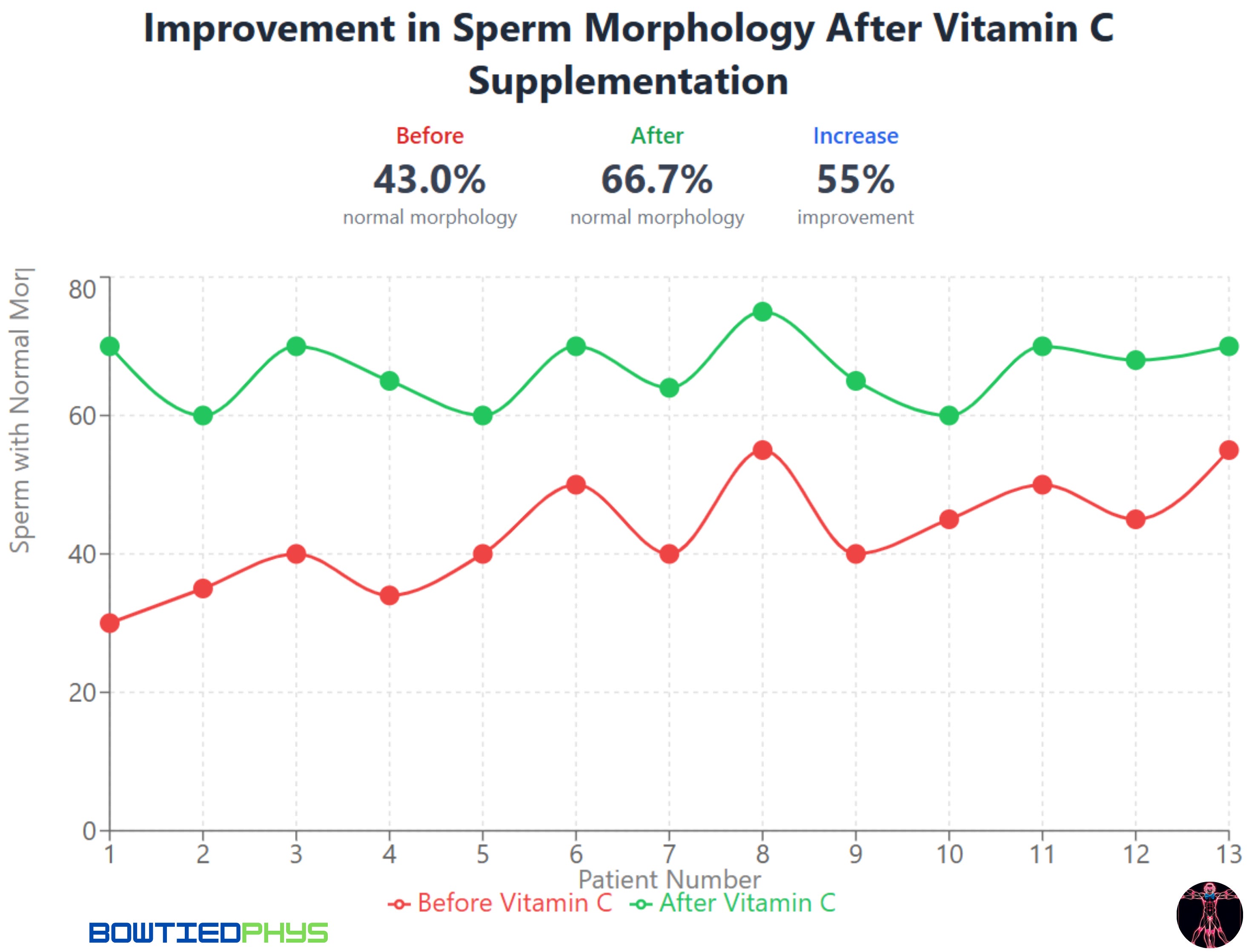
Important to note: no control group took part in the study.
Cardiometabolic Health
Lipids
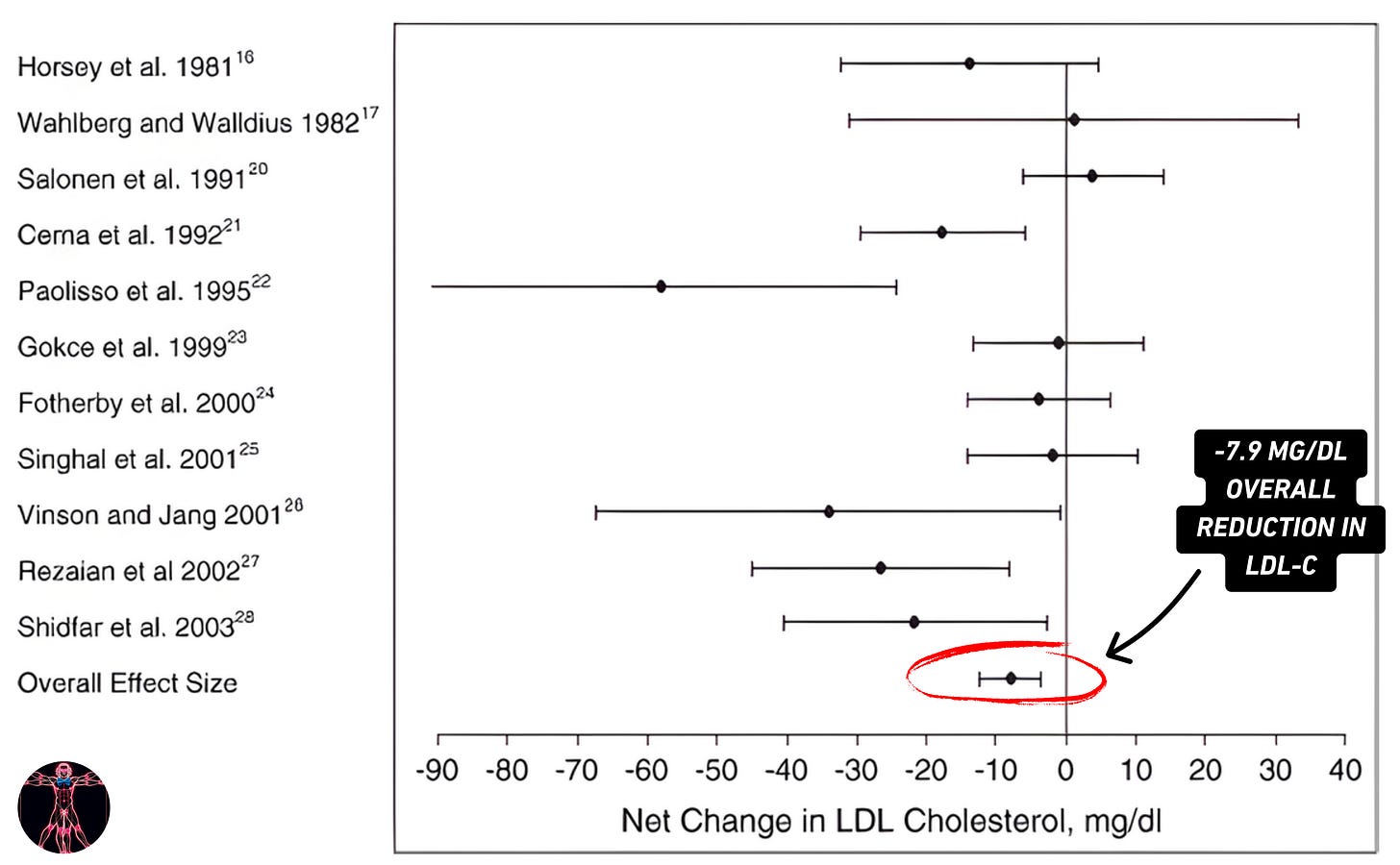
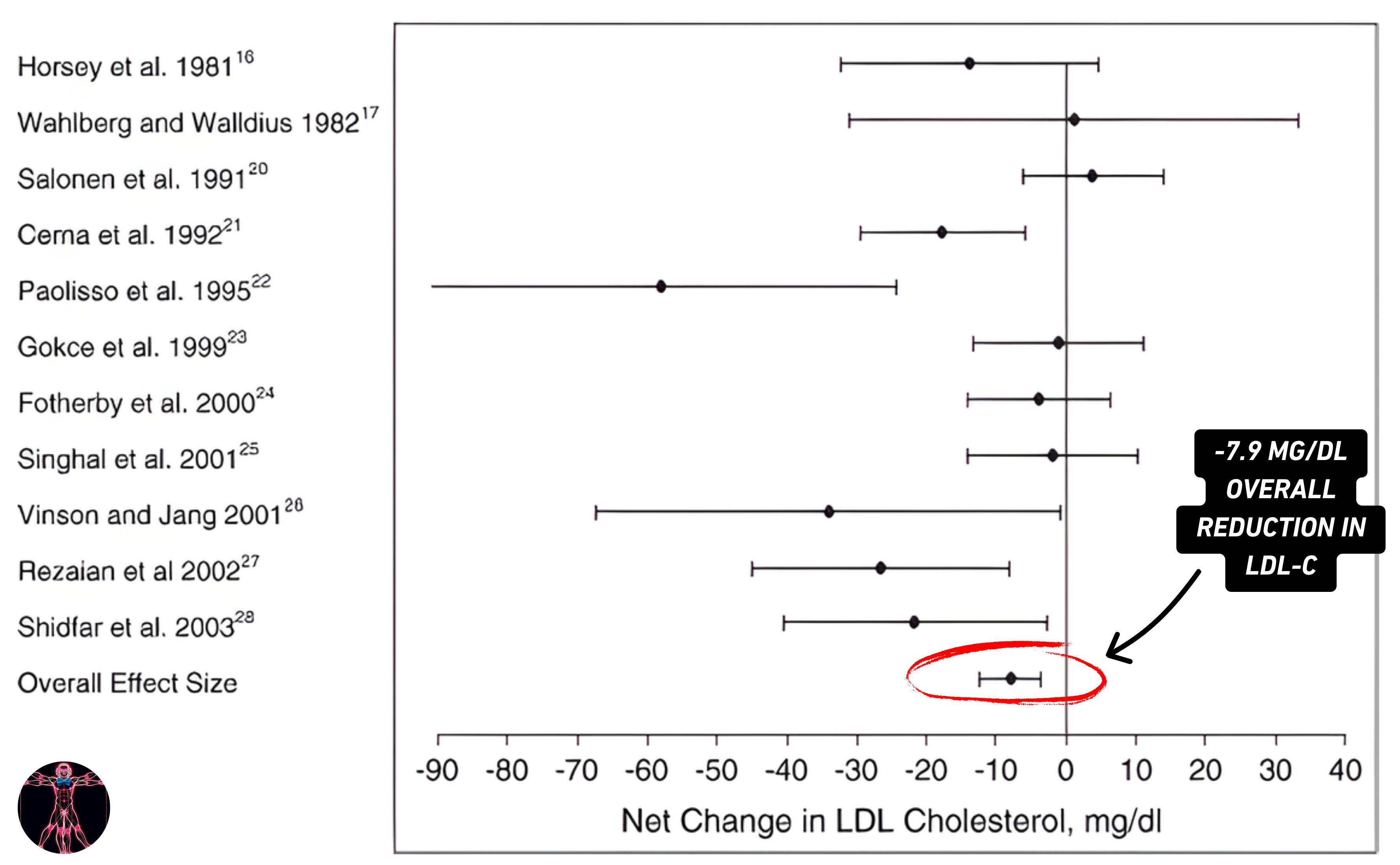
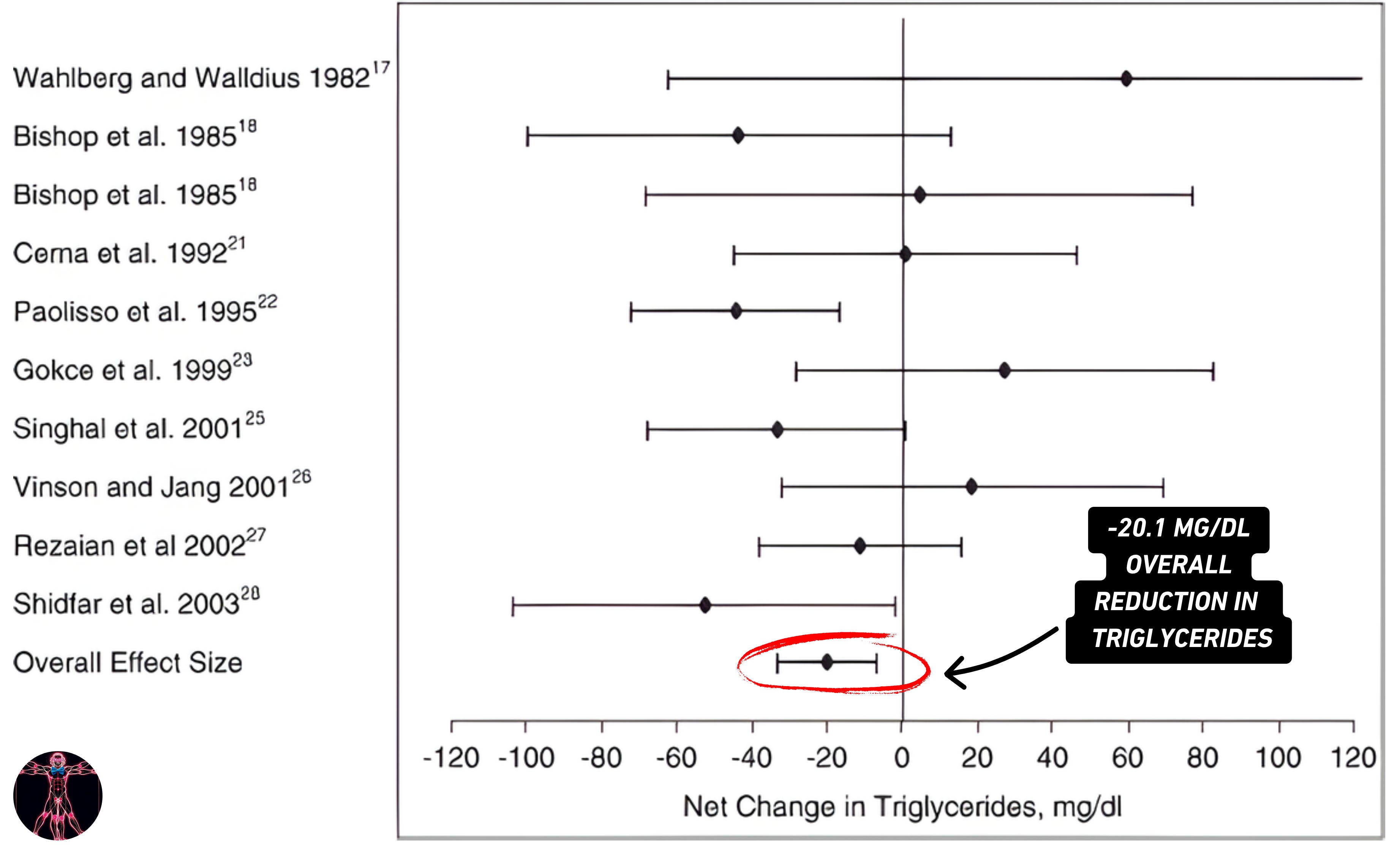
A meta-analysis by McRae et al. (2008)12 of 13 RCTs involving patients with hypercholesterolemia found that vitamin C supplementation (≥ 500 mg/day for 3-24 weeks) significantly:
Reduced LDL-C by 7.9 mg/dL
Reduced triglycerides by 20.1 mg/dL
Blood Pressure
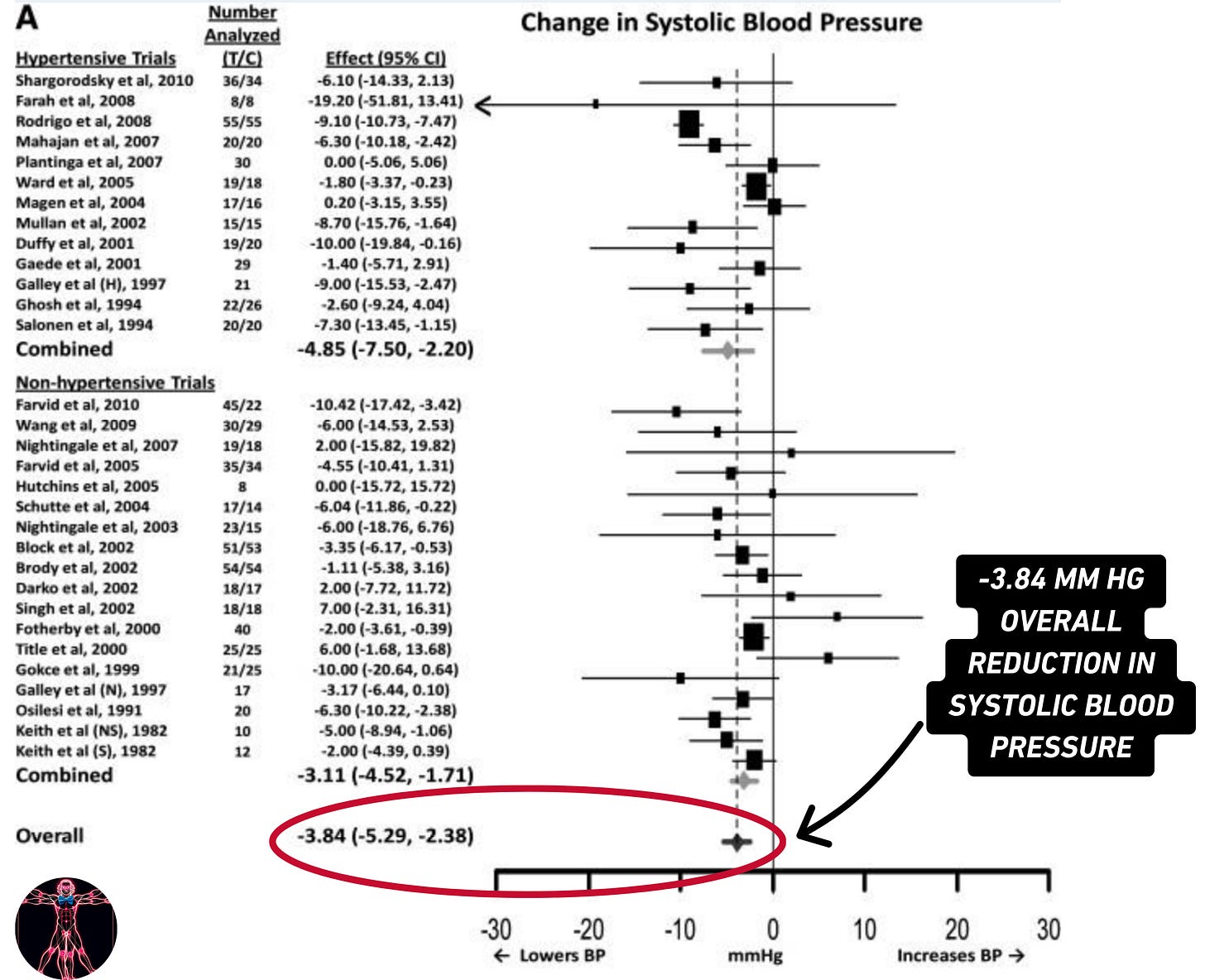
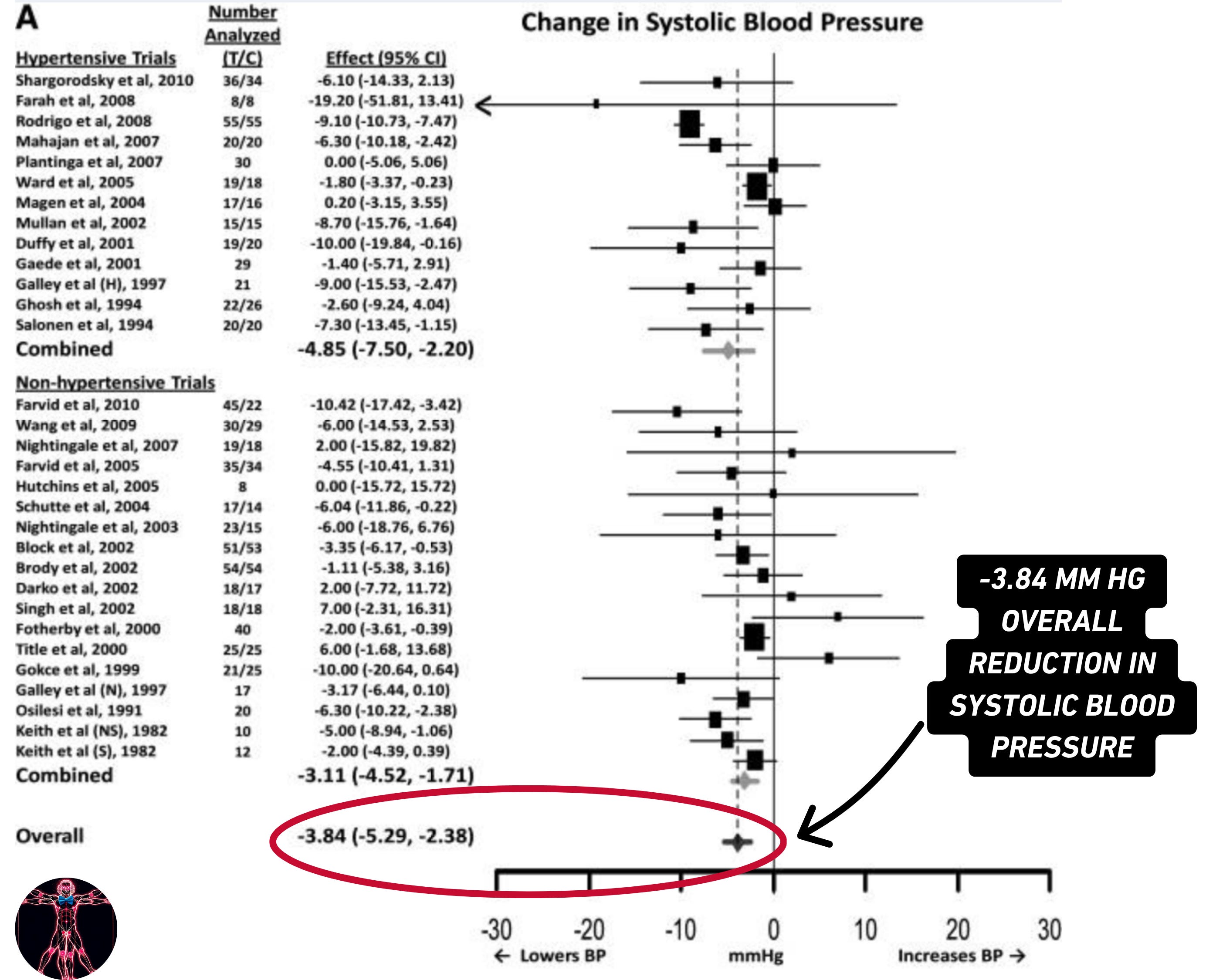
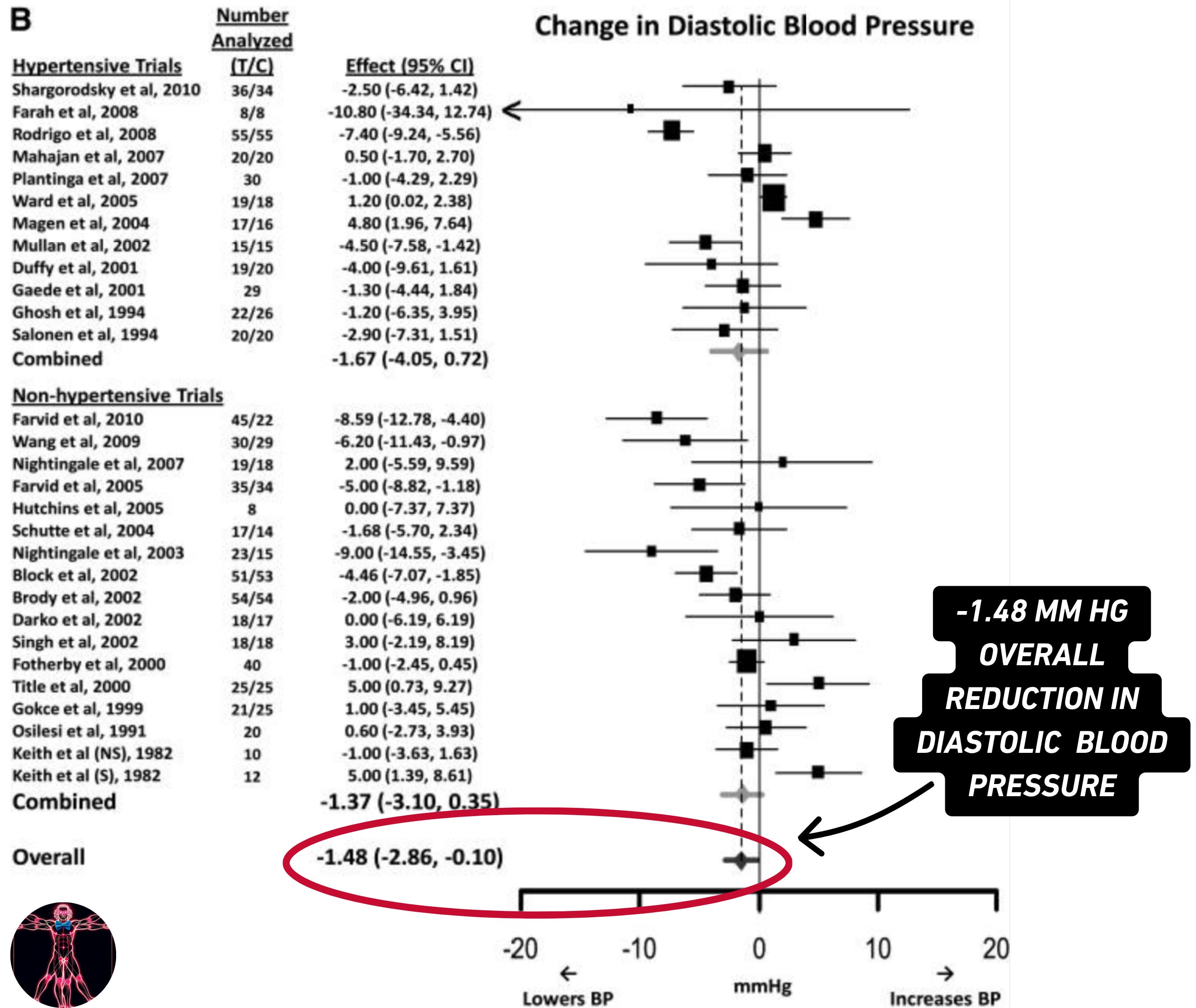
Across 29 RCTs in a meta-analysis from Juraschek et al. (2012)13, vitamin C supplementation (median dose: 500 mg/day for 8 weeks) significantly:
Reduced systolic blood pressure by 3.84 mm Hg
Reduced diastolic blood pressure by 1.48 mm Hg
Glycemic Control
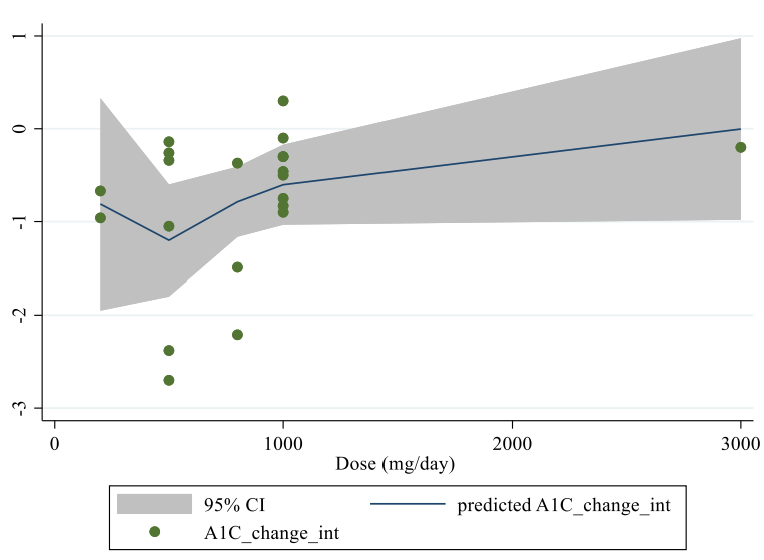
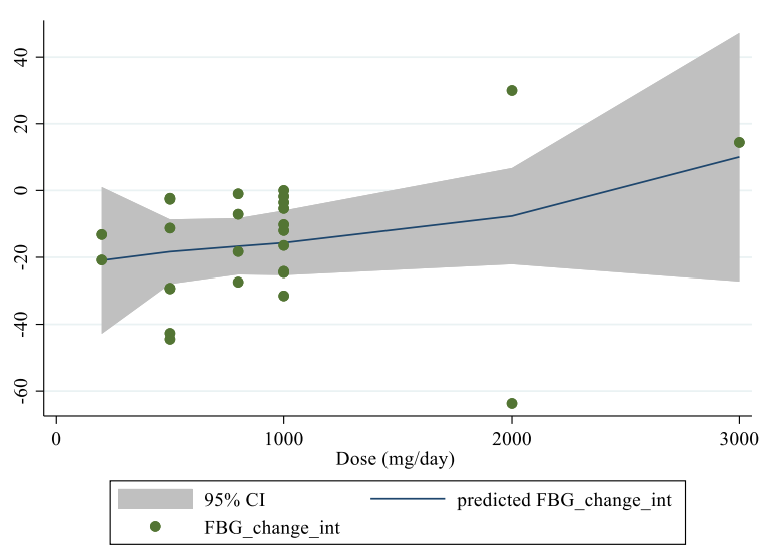
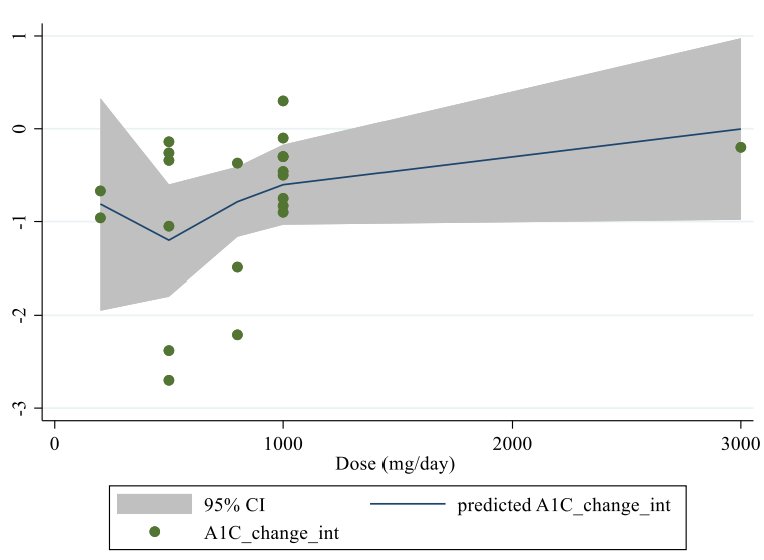
A meta-analysis of 22 randomized controlled trials from Nosratabadi et al. (2023)14 involving 1,447 type 2 diabetes patients found that vitamin C supplementation significantly:
Reduced HbA1c
Reduced fasting blood glucose levels
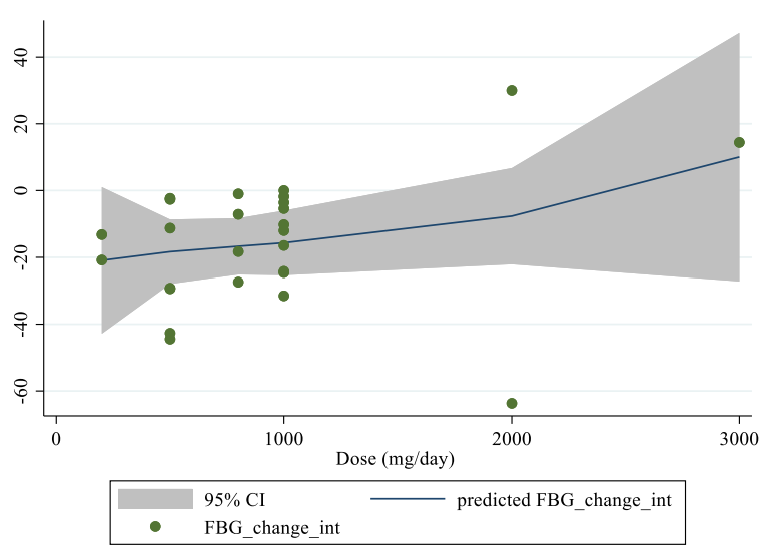
High-dose vitamin C (≥ 1,000 mg/day) for ≥ 12 weeks was most effective at improving insulin resistance (HOMA-IR).
Gut Health
A sequencing study by Sim et al. (2025)15 of 40 young adults with low vitamin C levels (<50 μM) found that 1,000 mg daily vitamin C for 4 weeks modulated gut microbiota composition — increasing beneficial bacteria (Bacillaceae & Anaerotruncus) while reducing pathogenic (Desulfovibrio).
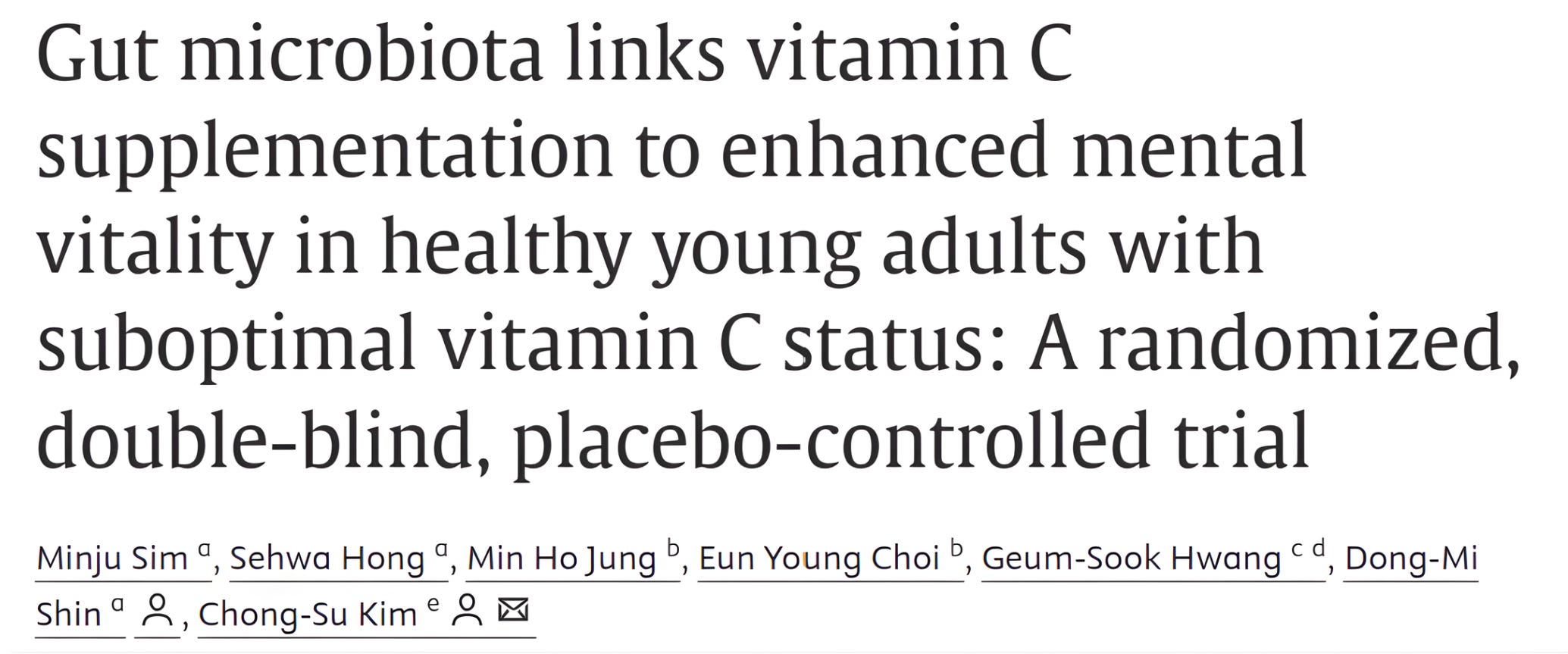
These changes were also linked to increased brain-derived neurotrophic factor (BDNF) & reduced levels of inflammation.
Brain Function
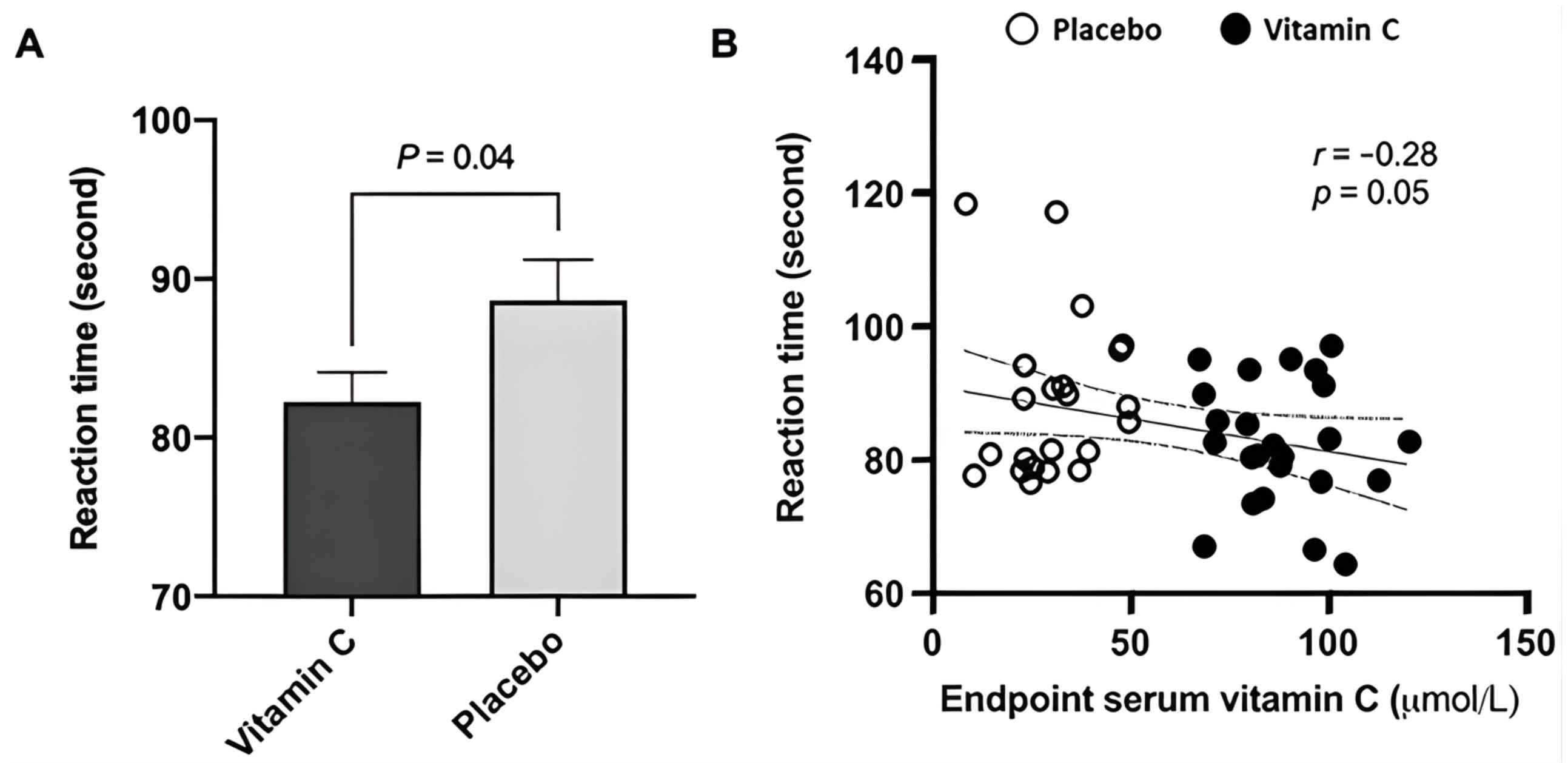
A 4-week double-blind RCT by Sim et al. (2022)16 of 46 participants with inadequate vitamin C levels (<50 μmol/L) found 1,000 mg daily improved attention, work absorption, & cognitive task performance.
Natural vs. Synthetic: Does It Matter?
Synthetic & natural vitamin C are molecularly identical — both are L-ascorbic acid (C₆H₈O₆). The difference is delivery.
Natural sources package ascorbic acid with bioflavonoids (rutin, quercetin), enzymes, and fiber — compounds that enhance bioavailability. Synthetic ascorbic acid, produced via the Reichstein process17, lacks these cofactors.
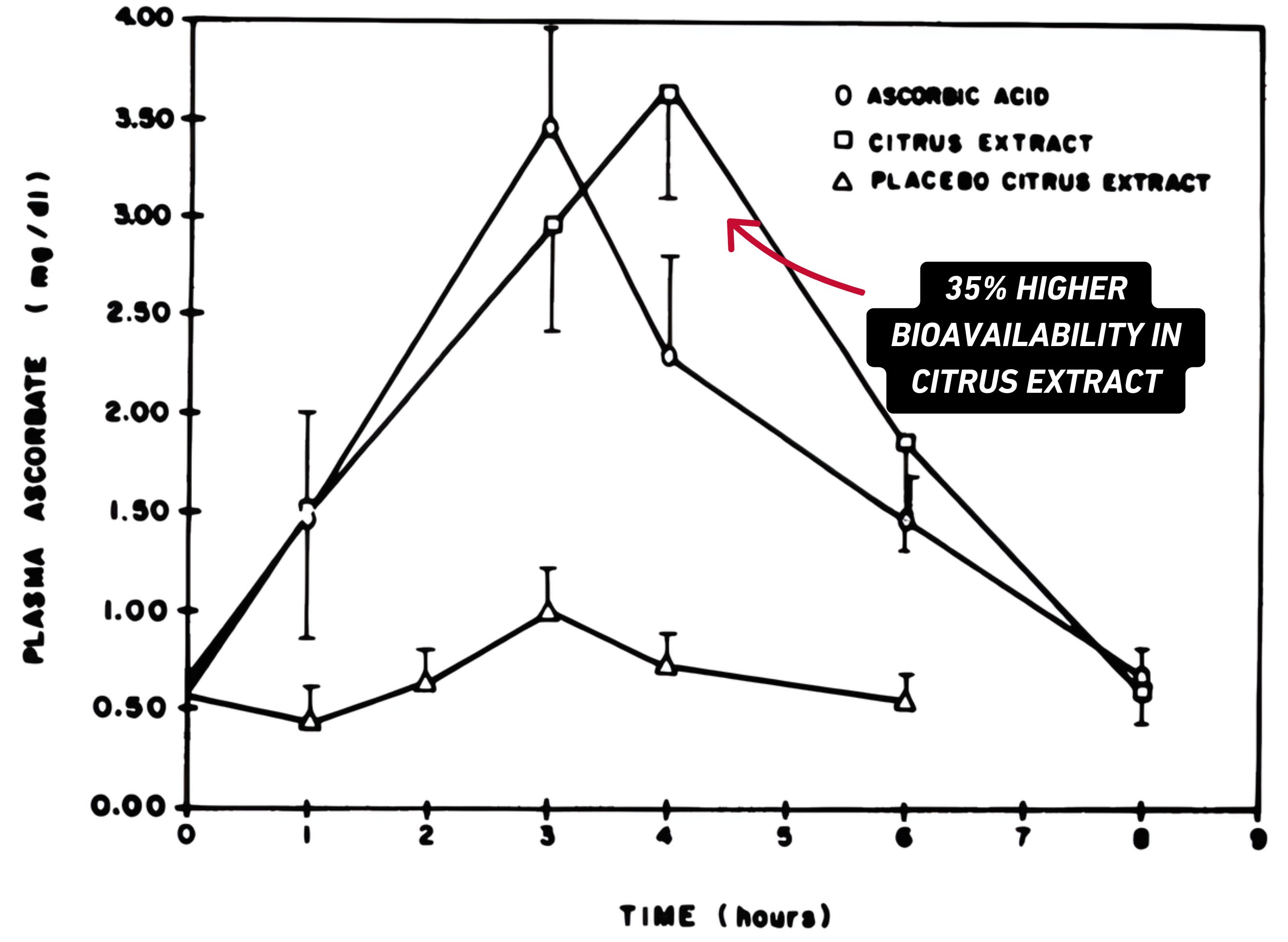
Meziane et al. (2021)18 showed acerola cherry powder having a 2x greater antioxidant efficacy & skin oxidative stress reduction vs. synthetic, despite equivalent blood vitamin C levels. Vinson et al. (1988)19 similarly showed that a citrus extract yielded a 35% higher bioavailability than the ascorbic acid form alone.
The evidence, however, isn’t clearly in favor of a natural form. Some like Carr et al. (2013)20 suggest equivalent bioavailability. In their randomized crossover trial, synthetic ascorbic acid (50 mg/day) and kiwifruit-derived vitamin C produced identical plasma levels (~50 μM) and tissue saturation over 6 weeks.
Verdict: Natural sources/extracts hold a slight edge. If using synthetic, choose liposomal or bio-enhanced formulations.
Natural Sources
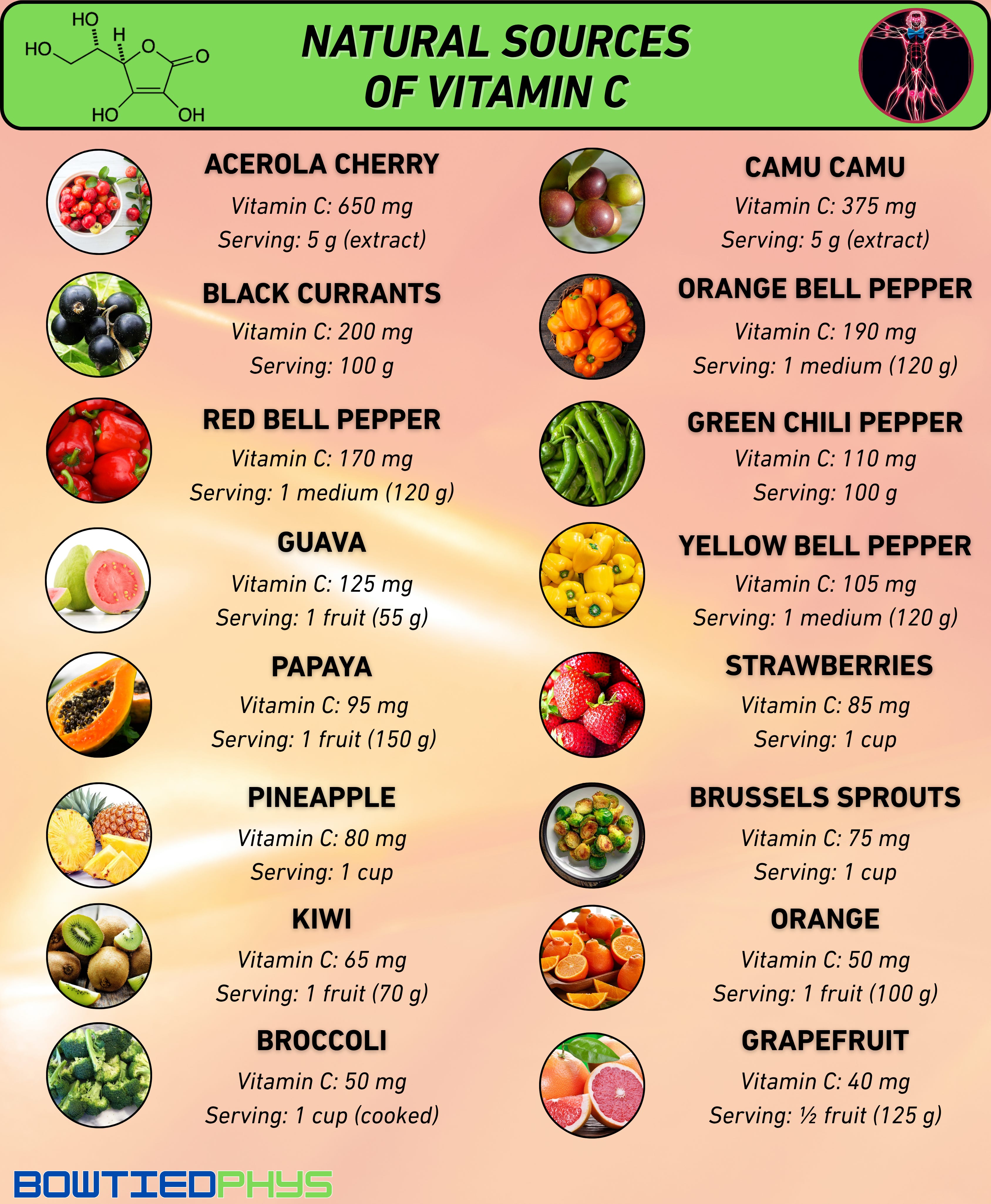
Optimal Dosing
We know the RDA misses the mark at 90 mg. So what’s an optimal daily intake to aim for?
Here’s what the evidence supports:
Baseline (healthy, non-winter): 250 - 500 mg daily
Winter/increased exposure: Minimum 500 mg daily
The rest of our use cases based on the latest research are outlined below:
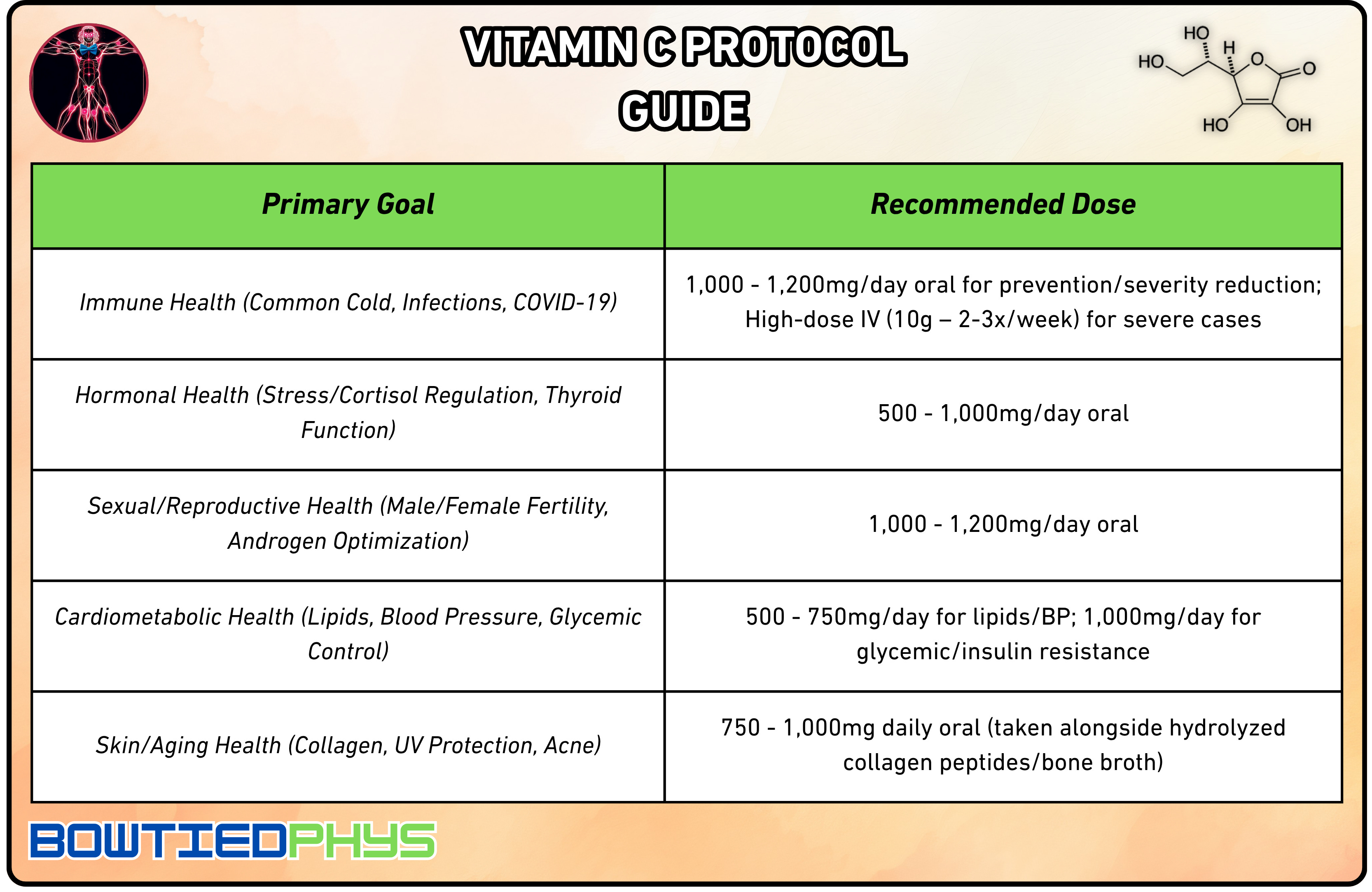
Further Reading
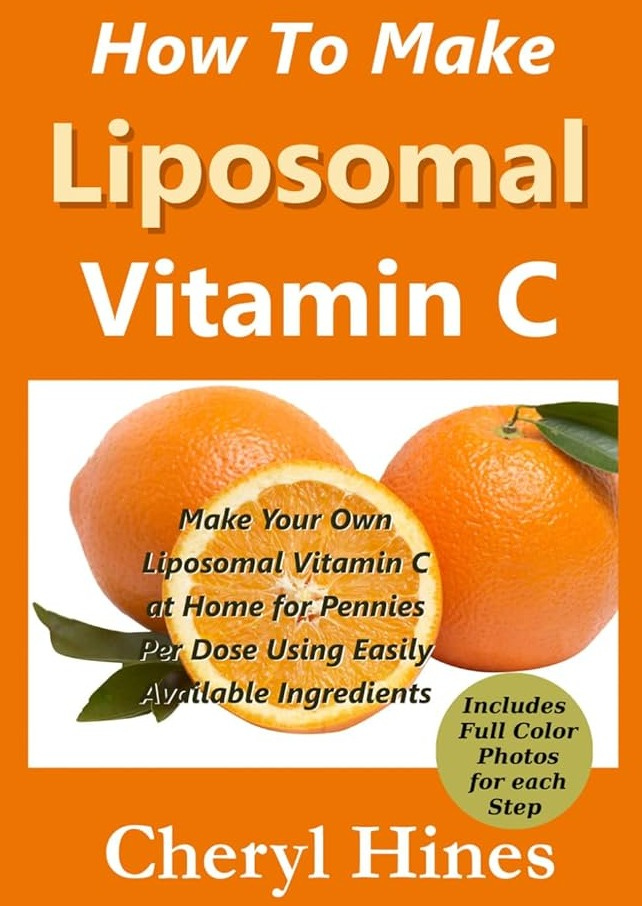
How To Make Liposomal Vitamin C At Home (Cheryl Hines)
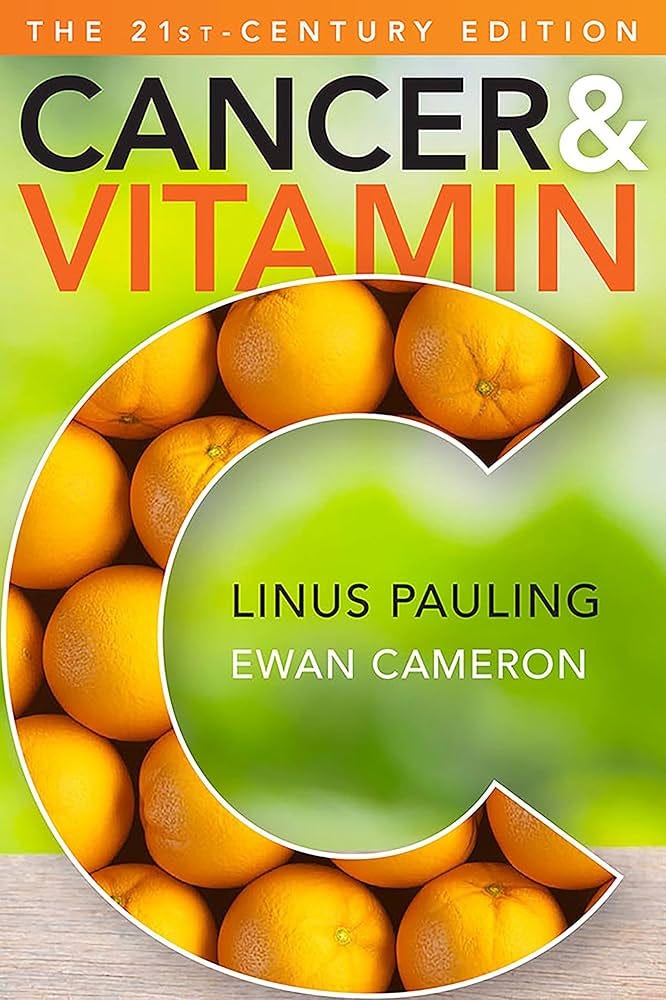
Cancer and Vitamin C: A Discussion of the Nature, Causes, Prevention, and Treatment of Cancer (Linus Pauling & Ewan Cameron)
Curing the Incurable: Vitamin C, Infectious Diseases, and Toxins (Thomas Levy)
Consider yourself armed to fortify your immune system this winter.
Until next time.
Your friend,
Phys
Hemilä H, Chalker E. Bias against Vitamin C in Mainstream Medicine: Examples from Trials of Vitamin C for Infections. Life (Basel). 2022 Jan 3;12(1):62. doi: 10.3390/life12010062. PMID: 35054455; PMCID: PMC8779885.
Levine M, Conry-Cantilena C, Wang Y, Welch RW, Washko PW, Dhariwal KR, Park JB, Lazarev A, Graumlich JF, King J, Cantilena LR. Vitamin C pharmacokinetics in healthy volunteers: evidence for a recommended dietary allowance. Proc Natl Acad Sci U S A. 1996 Apr 16;93(8):3704-9. doi: 10.1073/pnas.93.8.3704. PMID: 8623000; PMCID: PMC39676.
Hemilä H, Chalker E. Vitamin C reduces the severity of common colds: a meta-analysis. BMC Public Health. 2023 Dec 11;23(1):2468. doi: 10.1186/s12889-023-17229-8. PMID: 38082300; PMCID: PMC10712193.
Sun L, Zhao JH, Fan WY, Feng B, Liu WW, Chen RQ, Ban C, Dang AG, Wang M, Luo KT, Zhou GY, Yu FF, Ba Y. Therapeutic effects of high-dose vitamin C supplementation in patients with COVID-19: a meta-analysis. Nutr Rev. 2024 Aug 1;82(8):1056-1068. doi: 10.1093/nutrit/nuad105. PMID: 37682265.
Patel JJ, Ortiz-Reyes A, Dhaliwal R, Clarke J, Hill A, Stoppe C, Lee ZY, Heyland DK. IV Vitamin C in Critically Ill Patients: A Systematic Review and Meta-Analysis. Crit Care Med. 2022 Mar 1;50(3):e304-e312. doi: 10.1097/CCM.0000000000005320. PMID: 34637420.
Carr AC, McCall C. The role of vitamin C in the treatment of pain: new insights. J Transl Med. 2017 Apr 14;15(1):77. doi: 10.1186/s12967-017-1179-7. PMID: 28410599; PMCID: PMC5391567.
Beglaryan N, Hakobyan G, Nazaretyan E. Vitamin C supplementation alleviates hypercortisolemia caused by chronic stress. Stress Health. 2024 Jun;40(3):e3347. doi: 10.1002/smi.3347. Epub 2023 Nov 27. PMID: 38010274.
Jubiz W, Ramirez M. Effect of vitamin C on the absorption of levothyroxine in patients with hypothyroidism and gastritis. J Clin Endocrinol Metab. 2014 Jun;99(6):E1031-4. doi: 10.1210/jc.2013-4360. Epub 2014 Mar 6. PMID: 24601693.
Agha A, Afandi B, Yasin J, Sharma C, Alshaer MH, Alshamsi MAS, Yaaqeib DE, Alblooshi BKE, AlKaabi J. Vitamin C supplementation in patients with hypothyroidism requiring high-dose levothyroxine: a proof-of-concept pilot study. Front Endocrinol. 2025;16:1679835. doi:10.3389/fendo.2025.1679835
Rastegar Panah M, Tahir I, Garcia-Bailo B, Lo K, Jarvi K, El-Sohemy A. Ascorbic acid is associated with favourable hormonal profiles among infertile males. Front Reprod Health. 2023 Jun 8;5:1143579. doi: 10.3389/frph.2023.1143579. PMID: 37361344; PMCID: PMC10285163.
Akmal M, Qadri JQ, Al-Waili NS, Thangal S, Haq A, Saloom KY. Improvement in human semen quality after oral supplementation of vitamin C. J Med Food. 2006 Fall;9(3):440-2. doi: 10.1089/jmf.2006.9.440. PMID: 17004914.
McRae MP. Vitamin C supplementation lowers serum low-density lipoprotein cholesterol and triglycerides: a meta-analysis of 13 randomized controlled trials. J Chiropr Med. 2008 Jun;7(2):48-58. doi: 10.1016/j.jcme.2008.01.002. PMID: 19674720; PMCID: PMC2682928.
Juraschek SP, Guallar E, Appel LJ, Miller ER 3rd. Effects of vitamin C supplementation on blood pressure: a meta-analysis of randomized controlled trials. Am J Clin Nutr. 2012 May;95(5):1079-88. doi: 10.3945/ajcn.111.027995. Epub 2012 Apr 4. PMID: 22492364; PMCID: PMC3325833.
Nosratabadi S, Ashtary-Larky D, Hosseini F, Namkhah Z, Mohammadi S, Salamat S, Nadery M, Yarmand S, Zamani M, Wong A, Asbaghi O. The effects of vitamin C supplementation on glycemic control in patients with type 2 diabetes: A systematic review and meta-analysis. Diabetes Metab Syndr. 2023 Aug;17(8):102824. doi: 10.1016/j.dsx.2023.102824. Epub 2023 Jul 7. PMID: 37523928.
Sim, M., Hong, S., Jung, M. H., Choi, E. Y., Hwang, G. S., Shin, D. M., & Kim, C. S. (2025). Gut microbiota links vitamin C supplementation to enhanced mental vitality in healthy young adults with suboptimal vitamin C status: A randomized, double-blind, placebo-controlled trial. Brain, Behavior, and Immunity, 128, 179-191. doi: 10.1016/j.bbi.2025.03.032
Sim M, Hong S, Jung S, Kim JS, Goo YT, Chun WY, Shin DM. Vitamin C supplementation promotes mental vitality in healthy young adults: results from a cross-sectional analysis and a randomized, double-blind, placebo-controlled trial. Eur J Nutr. 2022 Feb;61(1):447-459. doi: 10.1007/s00394-021-02656-3. Epub 2021 Sep 2. PMID: 34476568; PMCID: PMC8783887.
Hancock RD, Viola R. Biotechnological approaches for L-ascorbic acid production. Trends Biotechnol. 2002 Jul;20(7):299-305. doi: 10.1016/s0167-7799(02)01991-1. PMID: 12062975.
Meziane, S., Magand, J., Mathé, M., Raimond, S., Yvon, J.-L., & Kaci, M.-M. (2021). Bioavailability of natural and synthetic vitamins: A significant difference on Oxidative Stress Status (OSS). International Functional Foods and Nutrition Magazine, 8, 1–10. doi: 10.15761/IFNM.1000301
Vinson JA, Bose P. Comparative bioavailability to humans of ascorbic acid alone or in a citrus extract. Am J Clin Nutr. 1988 Sep;48(3):601-4. doi: 10.1093/ajcn/48.3.601. PMID: 3414575.
Carr AC, Vissers MC. Synthetic or food-derived vitamin C--are they equally bioavailable? Nutrients. 2013 Oct 28;5(11):4284-304. doi: 10.3390/nu5114284. PMID: 24169506; PMCID: PMC3847730.
Great article. Did you come across anything regarding timing of vitamin C and exercise?